- Micro-communities reduce the “parenting tax” by pooling resources like childcare, laundry, and kitchen facilities, potentially saving families 10–15 hours of domestic labor per week.
- Financial viability depends on the trade-off between private square footage and shared amenities; you are essentially buying time and social support at the cost of absolute spatial privacy.
- Success in these housing models requires a shift in mindset: moving from “my home is my castle” to “my neighborhood is my support system,” which involves formal governance and conflict resolution agreements.
If you are in your mid-thirties or early forties, you likely know the feeling of the “time crunch” intimately. It is the moment on a Tuesday evening when you are trying to finish a work project, cook dinner, help with schoolwork, and manage the general chaos of a household. You are not alone in feeling that the traditional nuclear-family housing model—where you are responsible for every single aspect of your domestic life behind a closed door—is becoming increasingly unsustainable. Enter the “micro-community” movement.
This isn’t just about millennial-style co-living apartments for digital nomads. We are seeing a shift toward intentional, family-oriented micro-communities where design, infrastructure, and social agreements are built specifically to handle the friction of modern life. But is it a genuine solution or just another real estate trend? Let’s break down the reality of what this looks like, what it costs, and whether it’s a viable path for your family.
The Architecture of Support: Why Micro-Communities Matter Now
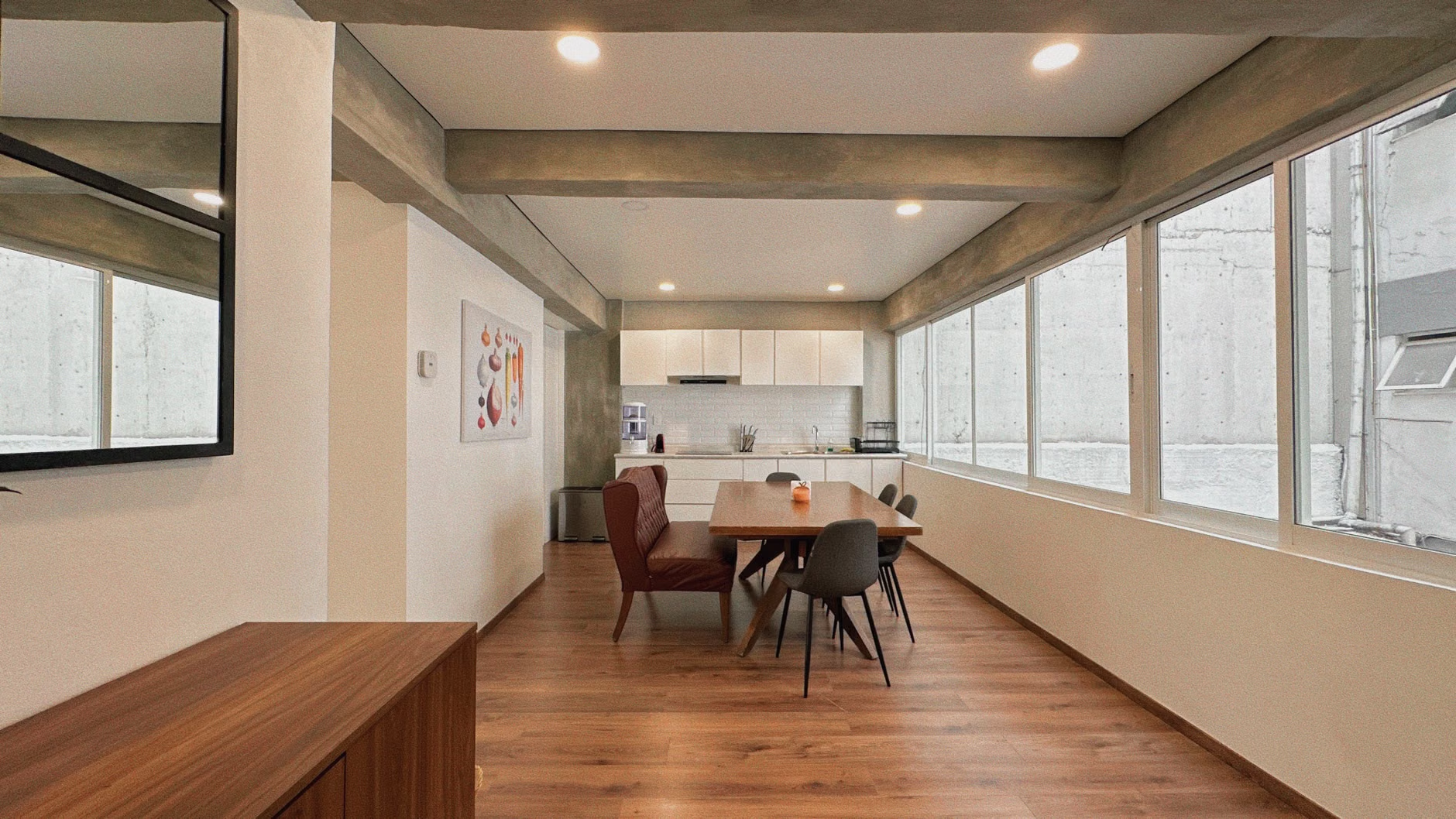
At its core, a micro-community is a residential development—or a converted existing neighborhood—that prioritizes shared space over individual excess. While a standard suburban house might prioritize a massive private backyard and a formal dining room that sits unused for 360 days a year, a micro-community flips the ratio. It might provide you with a smaller private living area, but in exchange, it grants you access to professional-grade laundry facilities, a communal kitchen, a secure co-working space, and, most importantly, a pre-vetted network of neighbors.
Why does this matter for parents in their 30s and 40s? Because the primary “tax” on your life right now is not necessarily money—it is logistical friction. The constant mental load of scheduling babysitters, managing grocery runs, and maintaining a large home is what leads to burnout. By shifting these tasks into a communal framework, micro-communities aim to reduce the “friction of living.”
Recent data from urban planning studies suggests that when families have access to “third spaces” (communal areas that are neither home nor work), overall life satisfaction increases. The reason is simple: it lowers the barrier to social interaction. In a standard house, you have to “plan” to see friends. In a well-designed micro-community, you see them while taking the trash out or getting the mail. That incidental contact is the bedrock of community, and it is the antidote to the isolation that often accompanies the “busy parent” phase of life.
The Financial Calculus: Trading Space for Time
Before you start packing, we need to talk about the numbers. The biggest misconception about micro-communities is that they are inherently “cheaper.” In many cases, the high-quality communal infrastructure and the professional management of these sites mean that the monthly costs can be comparable to, or even higher than, a standard apartment or house.
You have to evaluate this as a value-per-square-foot proposition. If you are paying for 500 square feet less of private space, but you gain access to a 1,000-square-foot communal workshop, a library, and a guest suite for family visits, you are effectively “outsourcing” your need for those rooms.
| Feature | Traditional Home | Micro-Community |
|---|---|---|
| Private Space | High | Moderate |
| Shared Amenities | Low/None | High (Co-working, Garden, etc.) |
| Monthly Maintenance | Individual (Labor-Intensive) | Shared (Fee-Based) |
| Social Interaction | Low (Requires Planning) | High (Organic) |
The “hidden cost” is the requirement for participation. Most successful micro-communities operate on a consensus-based model or a homeowner’s association (HOA) structure that demands your attendance at meetings. If you are a person who values radical autonomy and wants to be left entirely alone, this model will feel like a burden rather than a benefit. You are trading some of your “freedom to do whatever” for “support in doing what you must.”

Real-Life Implementation: What to Look For
When you start researching, you will find a spectrum of options. At one end, you have “co-housing,” which is often a group of families who have collectively purchased land and built their own homes with a shared “Common House.” These are highly intentional and require a significant time investment to organize. At the other end, you have “managed co-living developments,” which are built by commercial developers. These are easier to move into but offer less control over the community culture.
Common Mistake: Many people look for a “community” without checking the “governance.” If a property doesn’t have a clear mechanism for solving disputes—like noise levels, shared chore rotations, or pet policies—the community will eventually fracture. Before committing, ask to see the community agreement or the HOA bylaws. If the document is vague, the reality of living there will be messy.
Another critical factor is the demographic match. If you are a parent of two toddlers, living in a community of retirees or young digital nomads might be fascinating, but it might not provide the “village” support you actually need. Look for communities that explicitly cater to families with similar aged children. The shared school run, the rotating babysitting pool, and the shared toy library are the real value-adds here. If you are the only family with children, you will end up being the one explaining why the play area needs to be safe for a three-year-old, rather than enjoying the benefits of a pre-existing infrastructure.
The Trade-Offs: Privacy vs. Proximity
It is important to be realistic about the “privacy trade-off.” In a micro-community, you will hear your neighbors. You will bump into them in the hall. Your children will likely play in spaces that aren’t strictly “yours.” For many people in their 30s and 40s who have spent years climbing the ladder to afford a detached house, this feels like a step backward. It is a psychological adjustment.
However, ask yourself this: How much of your private space is actually serving you? If you have a guest room that is used for two weeks a year, or a massive living room that you only use to fold laundry, you are essentially paying for “dead space.” In a micro-community, that space is converted into a communal asset. The trade-off isn’t “less space”; it is “better-utilized space.”
If you decide to pursue this, start by visiting a community during an open day. Do not go when the place is being staged for a tour. Go on a rainy Tuesday. See how the communal kitchen looks when it’s actually in use. Observe how the residents interact. The “vibe” of a place in real life is usually the opposite of what is presented on a glossy website.
How to Evaluate a Micro-Community for Your Family
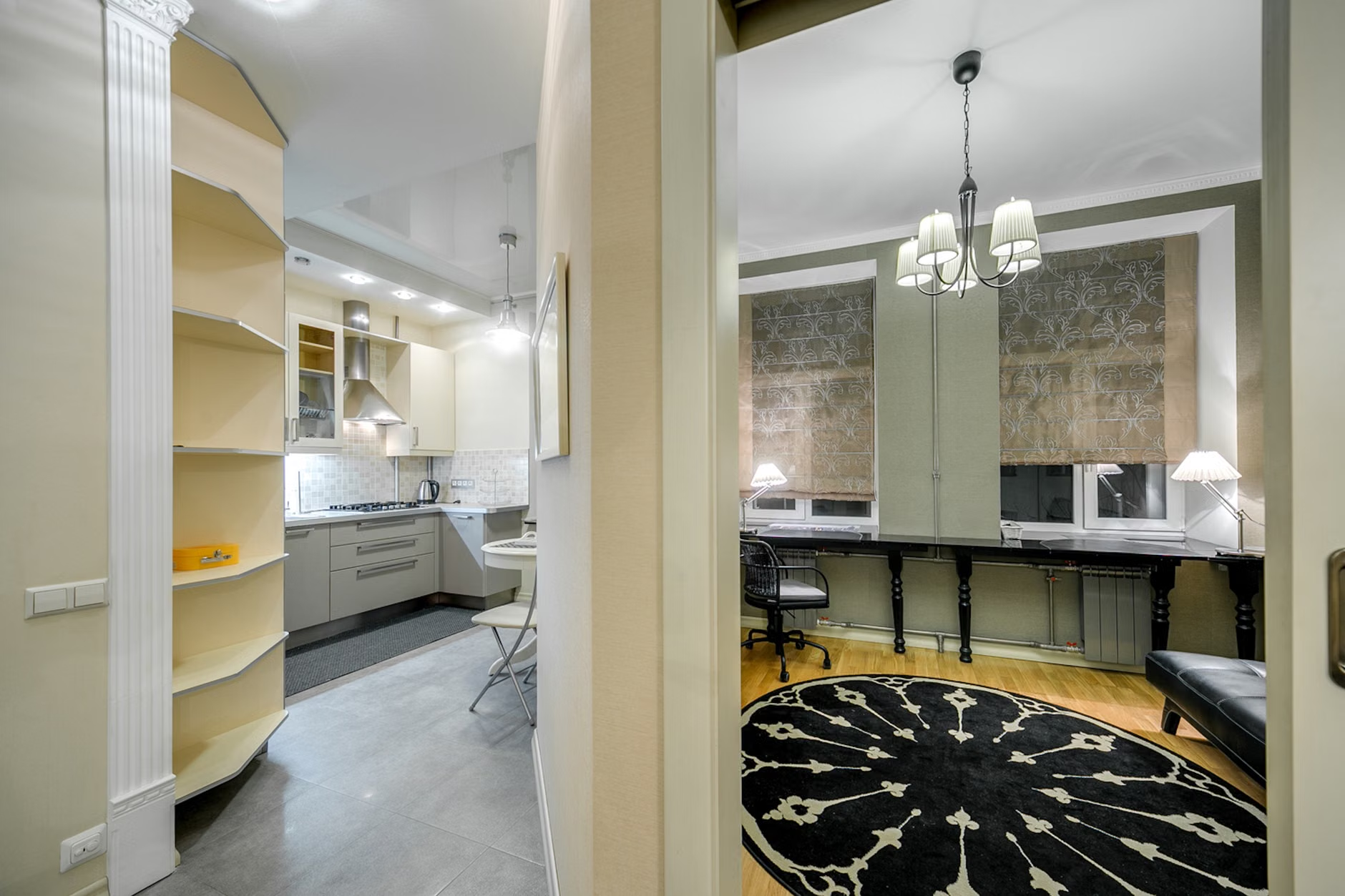
If you are serious about exploring this, use the following decision matrix to evaluate any potential move. This is not about the “aesthetic” of the building, but the “operational reality” of the life you will lead there.
1. Assess the “Third Space” Utility: Does the community offer specific amenities that solve your current pain points? If you work from home, is the co-working space soundproofed? If you have kids, is the outdoor area truly secure and visible from the communal kitchen?
2. Review the Governance Model: Is there a professional management company, or is it entirely resident-run? Resident-run communities require high emotional labor. Management-run communities are easier but can be more expensive. Decide which trade-off you can handle.
3. Check the “Replacement” Potential: If you move out, how easy is it to sell or rent your unit? Some micro-communities have very specific resale restrictions or require approval from the existing residents. Ensure you understand the exit strategy before you enter.
4. Test the “Culture”: Ask the residents: “What happens when someone breaks a house rule?” Their answer will tell you more about the community than any brochure. If they say “we don’t have rules,” run. If they say “we have a mediation process,” they have a healthy, functioning system.
Beyond the Trend: A New Way of Living
The micro-community movement is not a panacea for all the stresses of being a parent in the 21st century. You will still have to manage your work, your kids, and your own personal growth. However, it offers a structural alternative to the “siloed” life that most of us are currently living. It acknowledges that human beings—and particularly parents—are not meant to be islands.
If you feel like you are constantly running in place just to keep your household afloat, you are likely suffering from the limitations of your environment, not your personal capacity. Moving toward a micro-community is a way of redesigning your environment to support the life you actually want to lead. It requires a leap of faith, a willingness to share, and a bit of administrative diligence, but the reward is a life that feels slightly more connected and significantly more sustainable.
Start small. Look for local co-housing meetups or “intentional living” groups in your city. You don’t have to move in tomorrow, but you should start thinking about whether your current housing is actually supporting your goals, or if it is just a box you are paying to maintain.
Frequently Asked Questions
Q: Are micro-communities only for people who don’t have enough money for a full house?
A: Absolutely not. While some models are designed for affordability, many high-end co-living developments are targeted at professionals who are choosing to prioritize community and shared resources over square footage. It is a choice about lifestyle, not just finances.
Q: How do I handle the privacy concerns of sharing amenities with strangers?
A: This is the most common hesitation. The key is in the design. High-quality micro-communities are designed with “graduated privacy,” meaning your private living space is a sanctuary, while the shared spaces are designed for interaction. You get to control how much you engage with the community by choosing when to step into the common areas.
Q: What if I move into a micro-community and realize I don’t get along with my neighbors?
A: This is the biggest risk. Unlike a traditional neighborhood where you can ignore your neighbors, a micro-community requires interaction. This is why you must treat the “interview” process seriously. Spend time in the common areas, talk to multiple residents, and understand the conflict-resolution mechanisms before you sign a lease or purchase a unit. If the community doesn’t have a healthy way to handle disagreement, it is not a community—it is just a crowded building.
For further reading on intentional housing and community design, you can explore resources from the Cohousing Association of the United States or similar regional bodies in Europe and Asia that provide guides on the legal and social frameworks of shared living. Always verify local zoning laws, as “co-living” can sometimes fall into complex regulatory categories in certain municipalities.