- Quiet-luxury organization focuses on sensory quality and longevity rather than the volume of storage products purchased.
- The primary goal is visual silence—reducing cognitive load by concealing clutter behind high-quality, tactile materials.
- For parents, this means shifting from “perfectly sorted” to “easily accessible,” prioritizing systems that allow for quick resets during busy days.
Quiet luxury in home organization is not about expensive bins or minimalist influencers with empty shelves; it is about the deliberate curation of your living environment to reduce mental friction. If you feel like you are constantly “managing” your home rather than living in it, you are likely suffering from the visual noise of excess. While mainstream organization trends often push for hyper-categorized plastic containers, the quiet-luxury approach prioritizes materials that age well—wood, glass, linen, and ceramic—and systems that serve your family’s rhythm rather than forcing your life to fit a rigid aesthetic.
Why “Visual Silence” Is the Ultimate Goal for Busy Parents
In our 30s and 40s, we are often juggling the physical remnants of a growing family. Every toy, loose cord, and stray mail piece creates a micro-stressor. Quiet luxury treats these items as “noise.” When you walk into a room, your brain processes every object it sees. If those objects are colorful, mismatched, or chaotic, your cortisol levels rise, even if you do not consciously notice it.
The quiet-luxury philosophy suggests that you don’t need less stuff; you need better containment. The difference lies in the sensory experience of your storage. A plastic bin is utilitarian and often creates a “clutter-in-a-box” effect. A hand-woven basket or a solid wood cabinet, however, provides a tactile warmth that settles the room. When you conceal the chaos, you gain the “visual silence” required to decompress after a day of work or childcare.
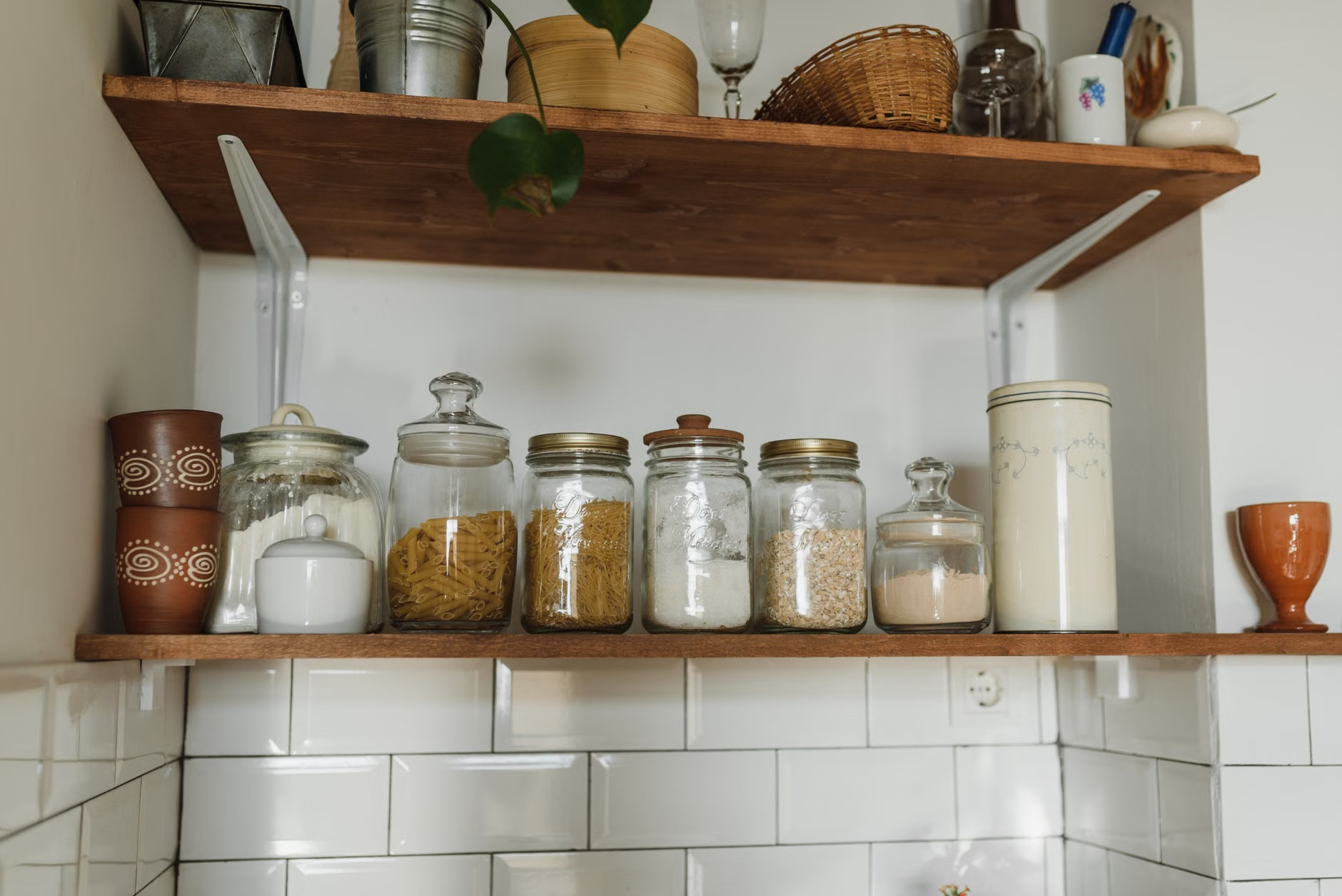
To achieve this, stop buying modular plastic systems. Instead, invest in storage that feels like part of your home’s architecture. If you have open shelves, use them for items that are inherently beautiful—a few favorite books, a ceramic bowl, or a single plant. Everything else goes behind closed doors. This is not about hiding your life; it is about choosing what you want to invite into your visual field.
The 7-Step Framework for Intentional Home Curation
Organization is a process, not a destination. To move away from the “quick fix” culture of cheap storage, apply these seven principles to your home management strategy.
1. Audit by Quality, Not Utility
Most of us hold onto “just in case” items. Quiet luxury demands that you only keep items that are either frequently used or possess significant quality. If a plastic gadget is broken or feels flimsy, recycle it. Replace it with a single, high-quality tool that lasts a decade. This reduces the number of items you need to organize in the first place.
2. Standardize Your Containers
Visual harmony comes from repetition. If you have mismatched spice jars or varying cereal boxes, your pantry will always look chaotic. Transition to a set of uniform glass or ceramic containers. This is not for social media; it is for your brain. Uniformity reduces the effort required to scan your shelves, making it easier to find what you need at 7:00 AM on a Tuesday.
3. Prioritize Tactile Materials
When you touch a storage item, it should feel substantial. Avoid cheap, thin plastics that crack. Choose linen for laundry hampers, solid wood for dividers, and heavy-duty glass for pantry goods. These materials are more durable, meaning you won’t need to replace them, and they add a layer of sophistication to everyday chores.
4. The “One-Touch” Reset Rule
For parents, the most common mistake is creating an organization system that requires too many steps to maintain. If a toy takes three steps to put away, it will end up on the floor. A quiet-luxury system for a family must be frictionless. Use large, open-top baskets for quick cleanup. If an item can be put away in one move, you are more likely to keep the room tidy.
5. Curate Your “Visible” Surfaces
Surfaces are not storage areas. Keep countertops and tabletops as clear as possible. If you must have items out, group them in threes or on a tray. This turns “stuff” into a “vignette.” It signals to your brain that the space is controlled, not neglected.
6. Invest in Hidden Storage
If your home is small, vertical storage is your best friend. However, ensure it is enclosed. Floor-to-ceiling cabinetry that matches your walls creates a seamless look. If you cannot renovate, choose furniture with doors rather than open shelving. The goal is to make the storage “disappear.”
7. Rotate, Don’t Accumulate
Quiet luxury is the opposite of hoarding. If you have children, rotate their toys every two weeks. Keep the majority in a closed closet and bring out a selection. This keeps the playroom from becoming a visual minefield and actually makes the toys more engaging for your children.
Comparing Organization Philosophies: Which Suits Your Household?
It is helpful to distinguish between “Retail Organization” (the kind you see in big-box stores) and “Quiet-Luxury Organization.” Understanding the difference will save you money and time.
| Feature | Retail Organization | Quiet-Luxury Organization |
|---|---|---|
| Focus | Volume and category | Intention and material |
| Material | Clear plastic, wire, acrylic | Wood, linen, ceramic, glass |
| Philosophy | Everything visible and sorted | Visual silence and concealment |
| Maintenance | High (re-sorting often) | Low (habit-based) |
For a busy family, the “Retail” approach is often a trap. You end up with 50 plastic bins that all look the same, and your children (or partner) cannot remember what goes where. The Quiet-Luxury approach, by contrast, uses fewer, higher-quality containers that are clearly marked or logically placed. It is a more sustainable, long-term way to manage a household.
Common Mistakes That Sabotage Your Home’s Calm
Even with the best intentions, it is easy to fall into traps that make your home feel cluttered again. The most common error is “over-organizing.” This happens when you create complex systems—like color-coding every item in your closet or labeling every single spice jar with a specific date—that are impossible to maintain in real life.
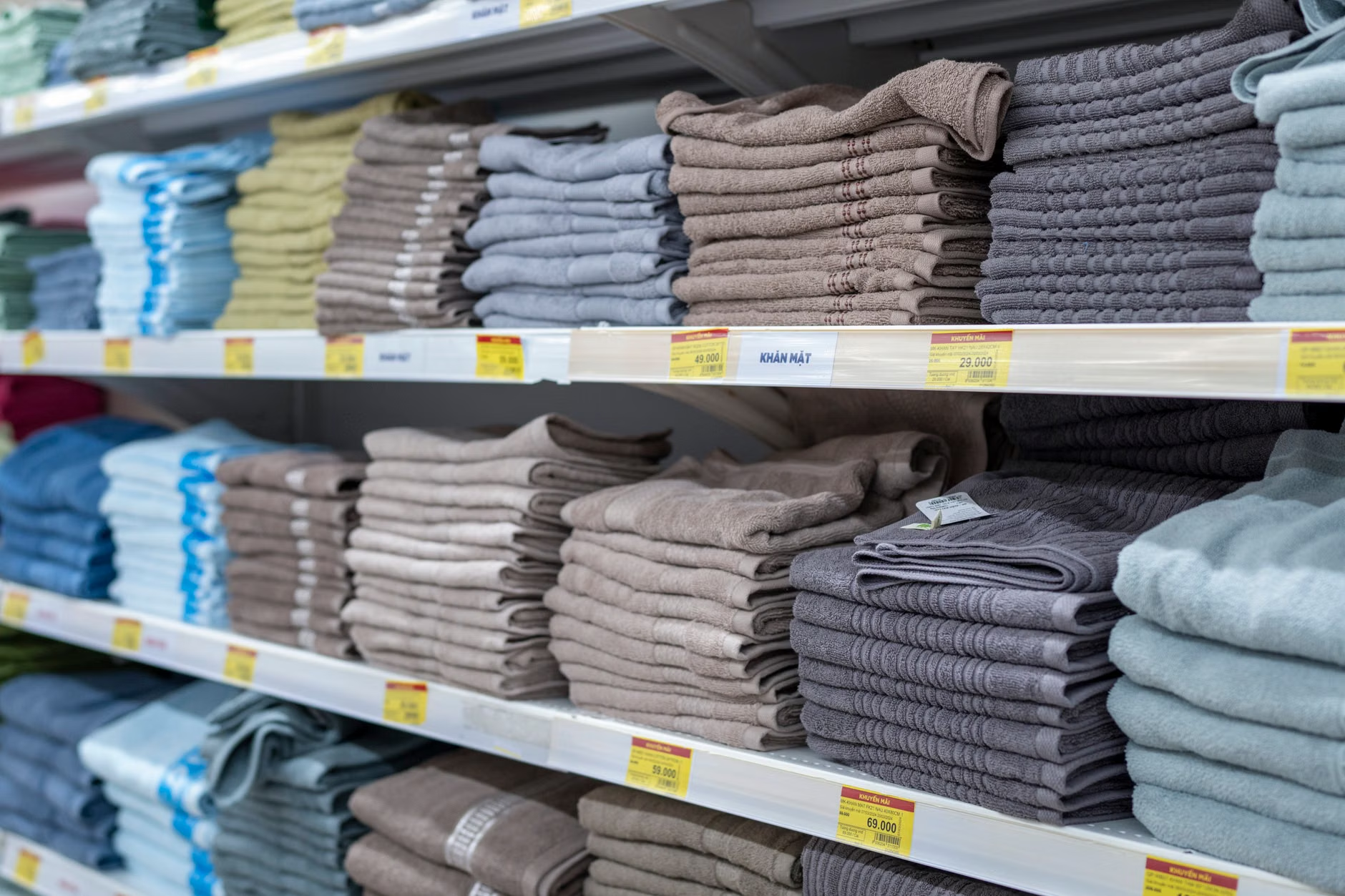
Another mistake is buying before purging. Many people rush to purchase bins and dividers before they have actually edited their belongings. This leads to the “clutter-in-a-box” phenomenon, where you simply organize things you don’t actually need. Always perform a rigorous edit of your items first. If you have 20 towels but only use 10, donating the excess is a better organizational strategy than buying a bigger shelf.
Lastly, beware of the “Aesthetic Trap.” A Pinterest-perfect pantry with clear plastic labels is only luxury if it functions. If you find yourself spending 20 minutes every night “resetting” the house to look like a showroom, you have lost the point. Organization should serve your life, not the other way around. If a system is too rigid for your family’s daily reality, it is the wrong system.
Practical Implementation: Where to Start Today
If you feel overwhelmed, do not attempt to reorganize the entire house at once. Start with one “high-traffic, high-stress” area. For most parents, this is the entryway or the kitchen counter. These areas are the “first responders” to your daily stress levels.
Begin by clearing the surface entirely. Wipe it down. Then, reintroduce only what is necessary for your daily routine. If you find that mail is the problem, implement a “one-in, one-out” policy for paper. If it is shoes, find a closed-door cabinet rather than an open shoe rack. The key is to introduce a barrier between your eyes and the clutter.
Consider the “15-Minute Rule.” Spend 15 minutes each evening resetting the house to a baseline of “quiet.” This is not about perfection; it is about clearing the decks for the next morning. When you wake up to a clean, calm space, your entire day starts with a lower baseline of stress. This is the ultimate, non-monetary luxury.
The Hidden Costs of Modern “Organization”
There is a hidden cost to the constant pressure to organize. We are often sold the idea that if we just buy the right storage, we will finally be “on top of things.” This is a consumerist myth. The most effective organization is subtractive, not additive. Every time you bring a new organizational tool into your home, you are adding another item that you must clean, manage, and eventually discard.
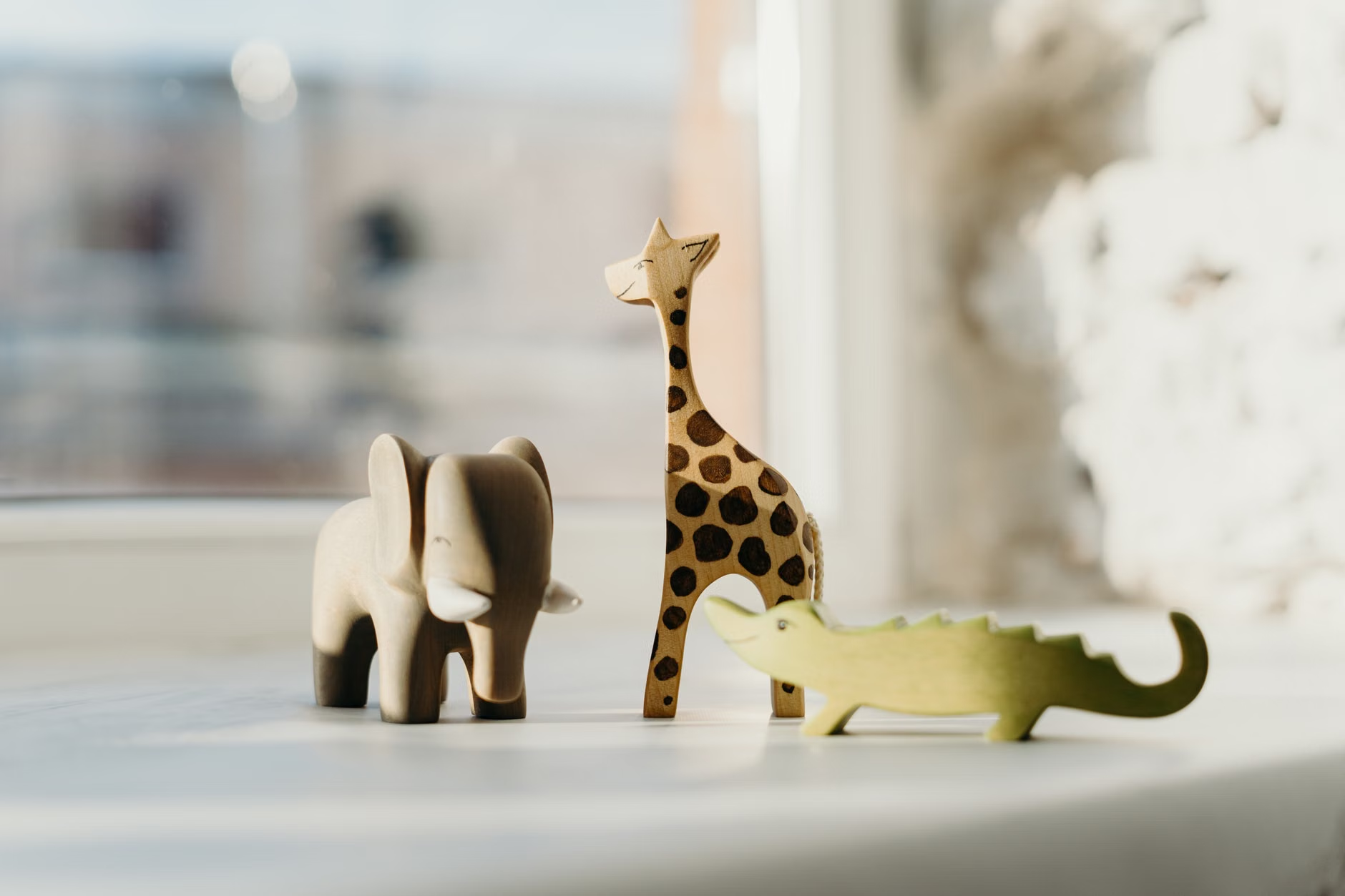
When you choose quality over quantity, you are opting out of this cycle. You are choosing to buy one sturdy, beautiful basket that will last for years, rather than a cheaper alternative that will break in six months. This is an investment in your time and your mental energy. It also teaches your children that we value our belongings and take care of them, which is a powerful lesson in an era of disposable goods.
Furthermore, consider the environmental impact. The surge in plastic storage containers is a significant contributor to household waste. By choosing natural materials like wood, wool, or cotton, you are making a choice that is better for the planet and better for your home’s air quality. Natural materials breathe and age gracefully; plastic eventually yellows and degrades.
Maintaining the Aesthetic Through Life’s Transitions
Life in your 30s and 40s is defined by change. You might be navigating a new job, a growing child, or the need to care for aging parents. Your organizational systems must be flexible enough to handle these shifts. If you have built your home around a rigid, “perfect” aesthetic, you will feel constant failure when life gets messy.
Instead, aim for “Resilient Organization.” This means designing systems that are easy to revert to baseline. For example, use deep drawers for storage rather than shallow shelves; it is much faster to throw items into a drawer and close it than to perfectly align items on a shelf. Keep a “donate bin” in your closet at all times. When you notice an item is no longer serving you, drop it in the bin. When the bin is full, donate it. This keeps your home in a constant, gentle state of equilibrium.
Remember that your home is a living space, not a museum. The goal of quiet luxury is to provide a backdrop of calm, not to suppress the reality of a busy, loving family life. It is perfectly okay to have a pile of laundry or a half-finished project on the table. The “luxury” part of the philosophy is the ability to clear that space whenever you need to, because you have the systems in place to do so quickly and efficiently.
Final Thoughts on Your Home as a Sanctuary
Quiet-luxury organization is a tool for mental clarity. By curating your space, you are curating your internal state. You are choosing to prioritize peace over convenience, and longevity over the quick dopamine hit of a new purchase. It takes time to shift your perspective from “how can I store this?” to “do I need this, and does it bring me peace?” but the effort is worth it.
Start small, be ruthless with your edits, and prioritize the materials that bring warmth to your home. Your home should be the one place in the world where you can completely let your guard down. When you strip away the visual noise, you create the room you need to breathe, to connect with your family, and to simply be. Take the weekend to start with one drawer or one shelf. You will be surprised at how much lighter you feel when the visual clutter stops competing for your attention.
For further reading on intentional living and the environmental impact of home goods, you may find the EPA’s guide on sustainable living and the Spruce’s resources on intentional home management helpful as you refine your personal approach.
Frequently Asked Questions
- Is quiet-luxury organization only for people with large homes?
Actually, it is even more effective in small homes. Because quiet luxury emphasizes “visual silence,” it helps prevent small spaces from feeling claustrophobic. By using uniform, enclosed storage, you can make a small room feel significantly more open and calm. - How do I handle my children’s clutter while maintaining this aesthetic?
The best approach is to distinguish between your “shared” spaces and their “private” spaces. In shared areas, use large, high-quality baskets to hide toys at the end of the day. In their rooms, allow them to express themselves, but use closed, durable storage that makes the “reset” process quick and easy. - What if I cannot afford high-quality wooden or linen storage?
You do not need to buy new, expensive items to adopt this philosophy. You can achieve the same effect by reusing what you have in a uniform way. Remove labels from existing glass jars, paint old plastic bins to match your walls, or use simple cardboard boxes wrapped in neutral-toned fabric. The goal is the aesthetic result, not the price tag of the product.