The Global Plastic Treaty, currently being finalized through the UN’s INC-5 negotiations, will fundamentally change your kitchen routine by phasing out single-use plastics and mandating stricter waste management systems that will shift the cost of packaging from the consumer to the producer.
- Mandatory Reduction: The treaty aims for a legally binding global 40% reduction in primary plastic polymer production by 2040, which means the “disposable” convenience we rely on in the kitchen is about to become much more expensive or unavailable.
- The Health Factor: New regulations will likely ban several “chemicals of concern” commonly found in kitchen plastics, such as PFAS and certain phthalates, directly impacting the safety of our children’s lunchboxes and food storage.
- Producer Responsibility: Extended Producer Responsibility (EPR) laws will force food manufacturers to pay for the lifecycle of their packaging, incentivizing a massive shift toward refillable systems and standardized glass or metal containers.
If you feel like your kitchen is a revolving door for plastic, you aren’t alone. We buy groceries wrapped in plastic, put them in plastic bins, and then use more plastic bags to throw the waste away. It is an exhausting cycle for any parent trying to keep a clean house. But the world is reaching a breaking point. Right now, international negotiators are meeting in places like Busan, South Korea, to finalize the “Global Plastic Treaty.” Think of it as the Paris Agreement, but for the plastic that is currently clogging our oceans and, more worryingly, showing up in our bloodstreams.
For those of us in our 30s and 40s, this isn’t just a “save the whales” headline. It is a practical, financial, and health-related shift that will change how we shop for dinner and how we deal with the leftovers. Let’s break down what this treaty actually does and how we can prepare our homes for a world where plastic is no longer the default.
What Exactly Is the Global Plastic Treaty (INC-5)?
The formal name is the “International Legally Binding Instrument on Plastic Pollution.” The United Nations Environment Assembly (UNEA) started this process in 2022. We are currently at the stage known as INC-5 (the fifth session of the Intergovernmental Negotiating Committee). The goal is to create a set of rules that every country must follow to stop plastic pollution at its source—the production line.
Most previous environmental efforts focused on “recycling,” but the treaty acknowledges a hard truth: only about 9% of all plastic ever made has been recycled. The rest is in landfills, the ocean, or floating as microplastics in the air. The treaty focuses on the full lifecycle of plastic. This means it isn’t just about picking up litter; it’s about stopping the “tap” of plastic production. For a busy parent, this means the types of products available on supermarket shelves are about to undergo a massive transformation.
There are two main camps in these negotiations. The “High Ambition Coalition” (including the EU and many island nations) wants strict limits on how much new plastic can be made. The “Like-Minded Group” (often oil-producing nations) prefers focusing only on waste management. Regardless of the final compromise, the trend is clear: the era of cheap, infinite single-use plastic is ending.
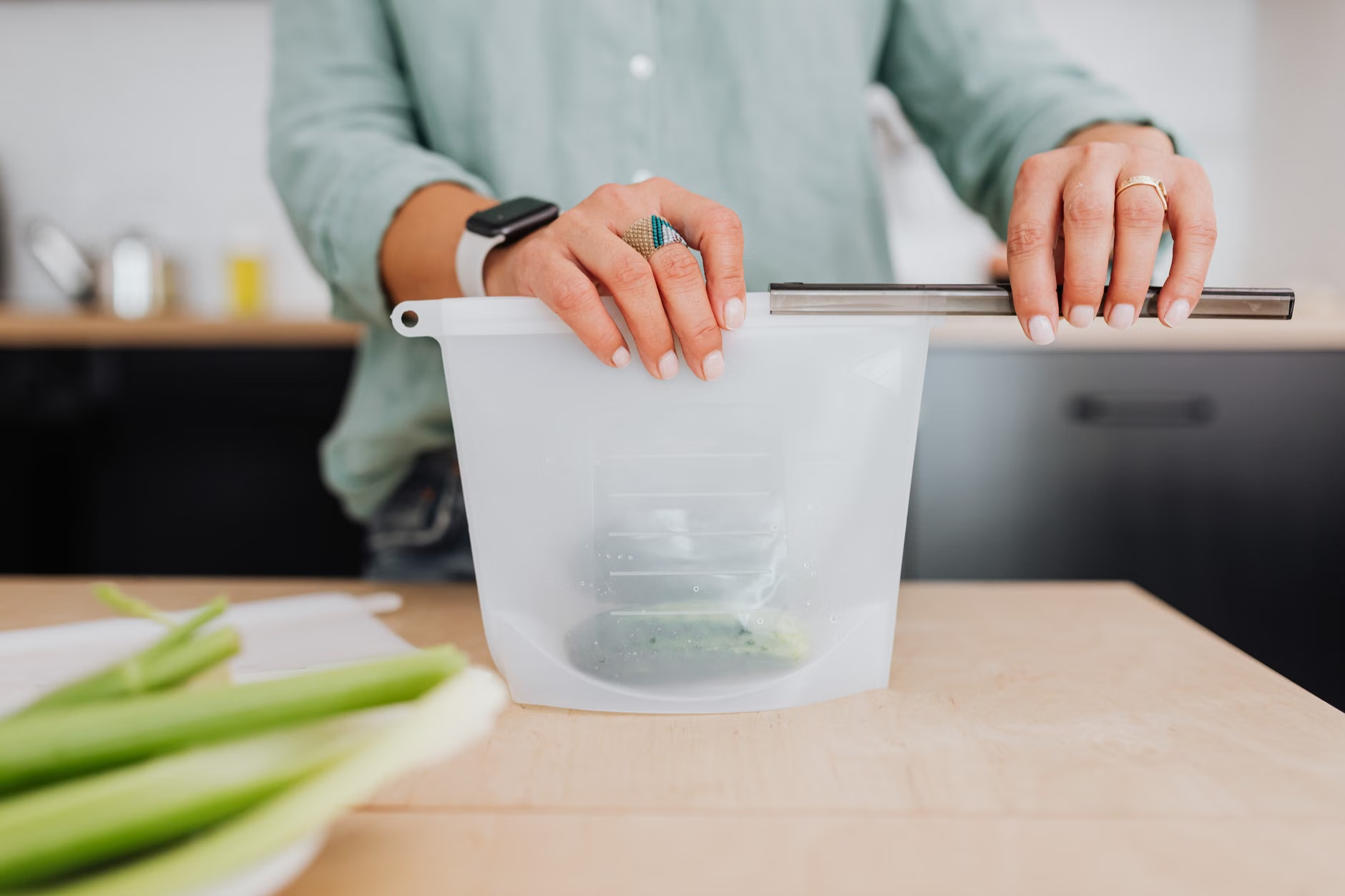
The Kitchen Is Ground Zero for Plastic Waste
Why does this treaty matter so much for the kitchen? Because the kitchen is where the majority of household plastic enters and exits. From the film on your cucumber to the lining of your milk carton, plastic is everywhere. Kitchen waste is particularly difficult because it is “contaminated.” Once a plastic container is covered in spaghetti sauce or meat juices, its “recyclability” drops to nearly zero in most municipal systems.
The “Hidden” Kitchen Plastics:
We often think of bottles and bags, but the treaty will likely target items we don’t even realize are plastic. Many tea bags contain polypropylene to keep them shut. Most paper coffee cups are lined with plastic. Even the “tin” cans for your beans are often lined with a plastic film containing BPA. The treaty aims to standardize these materials so they can actually be processed or replaced with safer alternatives.
For parents, the most significant change will be in food packaging. We are used to the convenience of pre-cut fruit in plastic tubs or individual yogurt pouches. As the treaty moves forward, companies will be forced to switch to “circular” packaging. This might look like more bulk-buy stations or “deposit-return” schemes where you bring back your yogurt jars for a small refund. It’s a bit of a throwback to how our grandparents shopped, but with modern technology to make it faster.
Microplastics and Your Children’s Health
This is where the 70% seriousness of this article kicks in. We aren’t just doing this for the environment; we are doing it for our kids. Recent studies have found microplastics in human placentas, breast milk, and the blood of children. These tiny particles can carry endocrine disruptors—chemicals that mess with hormones.
Why heat is the enemy:
In a busy kitchen, we often take shortcuts. We microwave a plastic container or run plastic baby bottles through a high-heat dishwasher. This heat causes the plastic to break down faster, releasing millions of microparticles into the food. The Global Plastic Treaty includes a mandate to eliminate “chemicals of concern.” This means the treaty will likely ban specific additives used to make plastic flexible or fire-resistant that have been linked to developmental issues in children.
By moving away from plastic in the kitchen now, you aren’t just being “eco-friendly”; you are reducing your family’s chemical load. Switching to glass or stainless steel for anything that touches hot food is the single most effective thing you can do while waiting for the treaty’s full implementation.
| Material | Safety for Heat | Durability for Kids | Treaty Impact |
|---|---|---|---|
| Plastic (BPA-Free) | Low (Releases microplastics) | High (Doesn’t break) | Likely to face high taxes/bans |
| Glass (Borosilicate) | High (Very safe) | Medium (Can shatter) | Encouraged as “Circular” |
| Stainless Steel | High (Very safe) | High (Indestructible) | Encouraged for reuse |
| Silicone (Food Grade) | Medium-High | High | Regulated but safer than PVC |
Looking at this table, stainless steel is the clear winner for a household with young kids. It survives being dropped from a high chair, it’s safe for hot soup, and it aligns perfectly with the treaty’s push for long-term durability over disposability.
Managing “Wet Waste” Without the Plastic Liner
One of the biggest hurdles in a plastic-free kitchen is the “icky” factor. How do you deal with food scraps without a plastic bin liner? Most of us grew up just throwing everything into a plastic bag, tying it up, and forgetting about it. But the treaty and local laws are moving toward mandatory organic waste separation.
In many parts of Europe and San Francisco, it is already illegal to put food waste in the regular trash. Why? Because when food rots in a plastic bag in a landfill, it produces methane—a greenhouse gas much more potent than CO2. If we want to comply with the spirit of the treaty, we have to rethink the “wet waste” problem.
The “Naked Bin” Method:
Some people go “naked” and just wash their bin out every week. For a parent with three kids and a full-time job, that sounds like a nightmare. A more realistic approach is using certified compostable liners (EN 13432 standard). However, be careful: many bags labeled “biodegradable” are just plastic with additives that help them break into *smaller* microplastics. The treaty will likely tighten the definitions of these labels to prevent “greenwashing.”
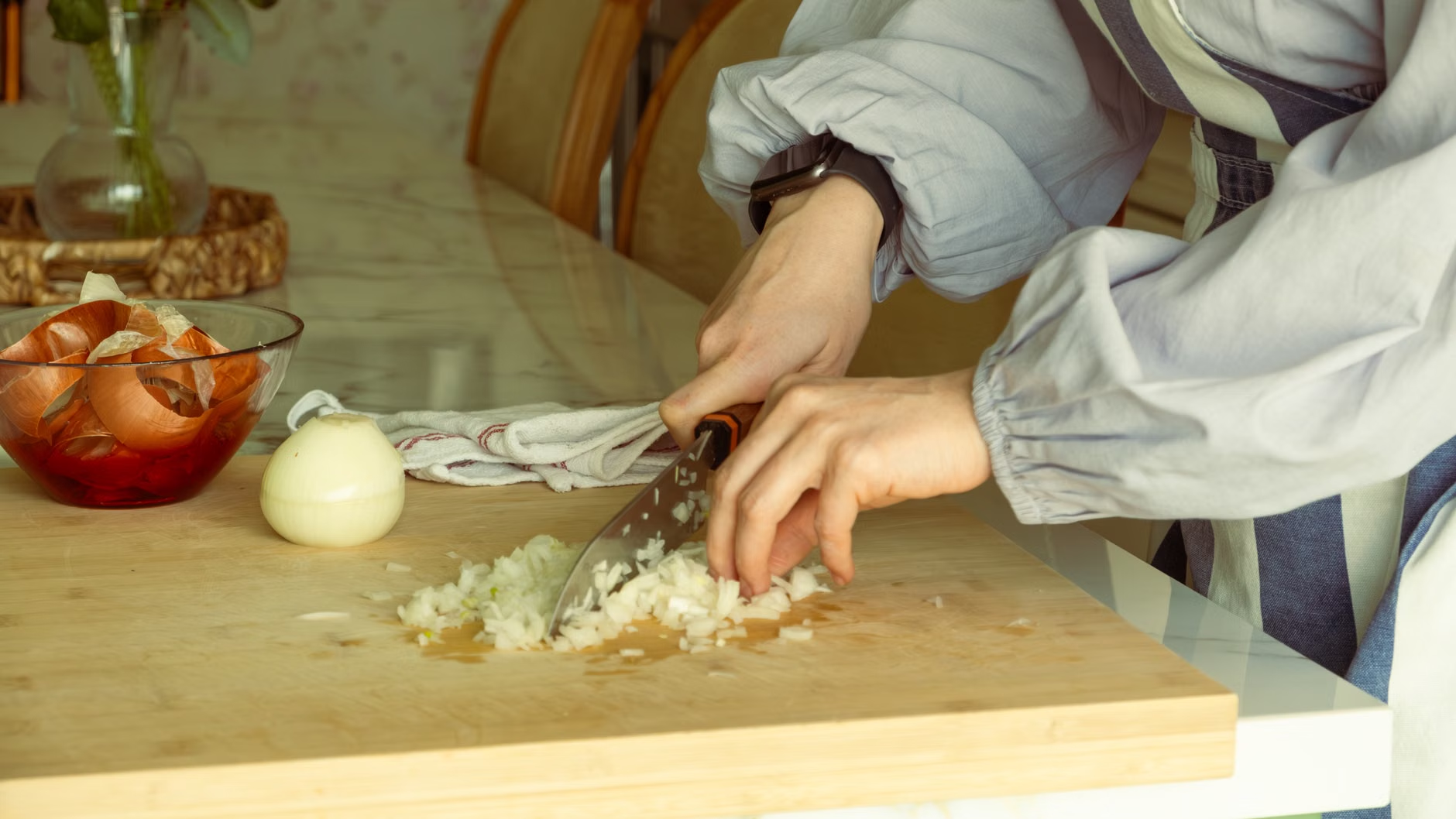
Composting: The Ultimate Solution for Modern Kitchens
If the Global Plastic Treaty succeeds, organic waste collection will become the norm worldwide. But you don’t have to wait for your city council to catch up. For those of us in apartments or small suburban lots, traditional “compost piles” aren’t always an option. This is where technology steps in.
Bokashi Systems:
This is a Japanese method that uses “fermentation” rather than rotting. You have a small, airtight bucket under your sink. You add your scraps, sprinkle some “bran” (inoculated with microbes), and press it down. Because it’s anaerobic (no oxygen), it doesn’t smell like a typical rot pile. It can even handle meat and dairy, which traditional compost can’t. After two weeks, you have a nutrient-rich “tea” for your houseplants and a fermented mass you can bury in a small garden pot.
Electric Composters:
Devices like the Lomi or Mill have become popular. They are essentially dehydrators that grind your food waste into a dry powder. While they use electricity, they solve the “smell and fruit fly” problem instantly. For a busy 40-something parent, the convenience of a “set and forget” machine is often worth the investment. It reduces your kitchen waste volume by 90%, meaning you use fewer bags—plastic or otherwise.
The Financial Impact: Will Groceries Get More Expensive?
Let’s talk about the “hidden cost” of the treaty. Currently, plastic is cheap because the environmental damage it causes isn’t included in the price. This is what economists call an “externality.” The Global Plastic Treaty aims to fix this through Extended Producer Responsibility (EPR).
EPR means that if a company sells you a bag of chips, they are responsible for the cost of recycling that bag. Naturally, companies will try to pass this cost on to you. In the short term, you might see a slight increase in the price of products packaged in multi-layer plastics (the ones that are impossible to recycle).
However, the unexpected trade-off is that the treaty will incentivize “Standardized Packaging.” Imagine if every brand of milk used the exact same glass bottle shape. This would make it incredibly cheap for a centralized system to wash and refill them. Over time, this “Refill Economy” can actually make groceries cheaper because you aren’t paying for a new container every time—you’re just paying for the food inside.
Regional Variations: Where Do You Live?
The impact of the treaty will look different depending on your local infrastructure. It is important not to assume a one-size-fits-all solution.
- European Union: You are already ahead. The EU’s Single-Use Plastics Directive has already banned plastic cutlery and straws. The treaty will likely just accelerate the move toward a “Circular Economy” where packaging must be 100% recyclable or reusable by 2030.
- United States: It’s a patchwork. States like California and Maine have passed EPR laws, but others have “preemption” laws that actually *prevent* cities from banning plastic. The treaty would provide a federal floor, forcing a more unified approach.
- Asia-Pacific: Many countries here are the primary recipients of the world’s plastic waste. The treaty will likely include “Just Transition” funds to help these nations build modern waste processing plants. For residents in these regions, expect to see a massive increase in “Refill Stations” for household cleaners and dry goods.
The “Zero Waste” Myth vs. Realistic Parenting
As a lifestyle researcher, I have to be honest: “Zero Waste” is a myth for most parents. Trying to produce only one jar of trash a year is a recipe for burnout. The Global Plastic Treaty isn’t asking you to be perfect; it’s asking the *system* to change so that your “best effort” is actually effective.
Instead of aiming for zero, aim for “Low Friction Sustainability.” This means setting up your kitchen so that the easy choice is also the eco-friendly one.
- Keep a stack of clean rags where you used to keep paper towels.
- Put your reusable grocery bags in the front seat of the car, not tucked away in the pantry.
- Choose the “ugly” produce that isn’t wrapped in plastic—it tastes the same and is often cheaper.
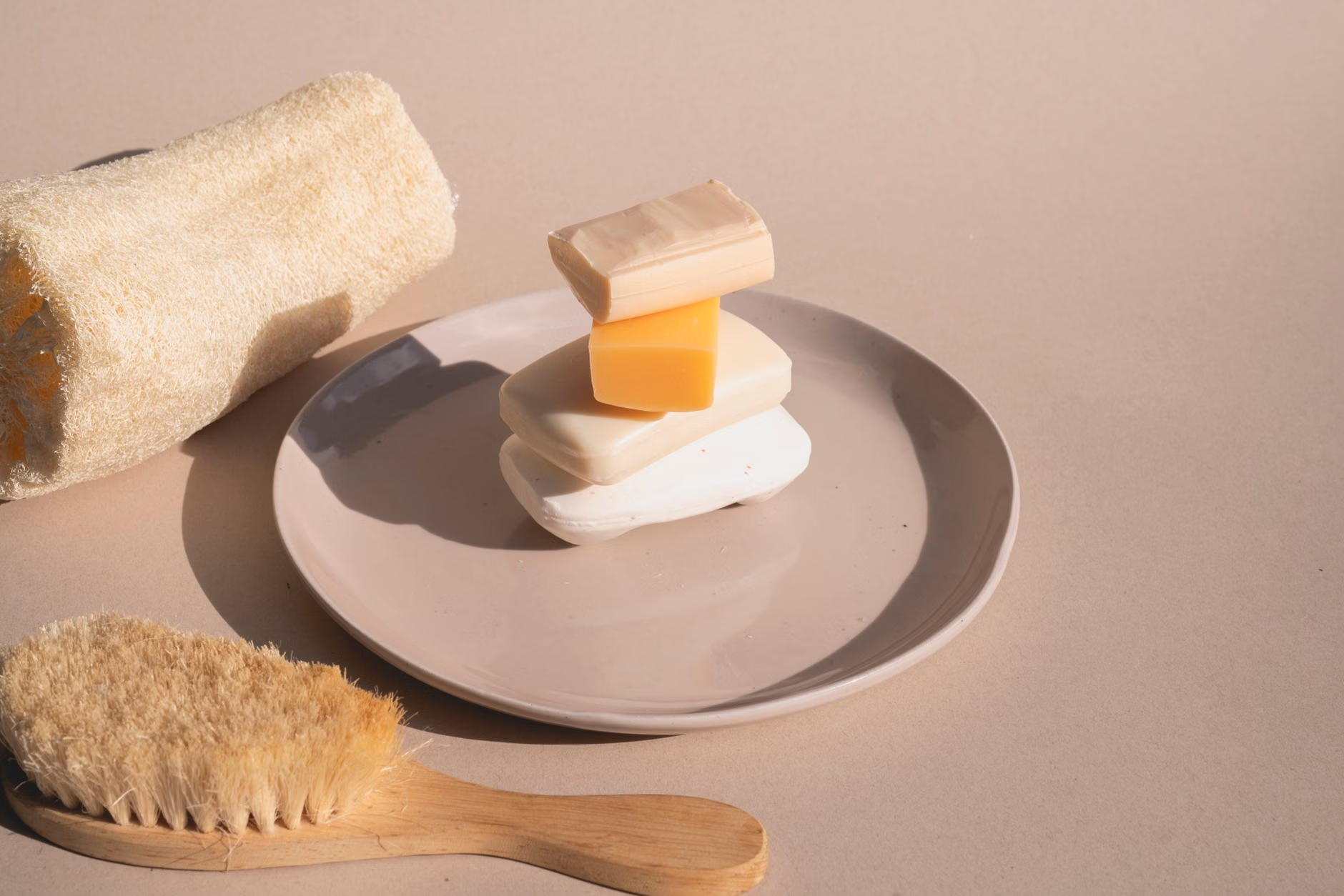
Action Plan: 5 Steps to Future-Proof Your Kitchen
The treaty will take a few years to fully implement (likely starting in 2025-2026). You can start adapting now so the transition is seamless.
- Audit Your “Daily Drivers”: Identify the plastic items you use every single day. For most, it’s dish sponges, cling wrap, and milk cartons. Replace the sponge with a natural loofah or wooden brush. Replace cling wrap with beeswax wraps or silicone lids. These are one-time purchases that save money over months.
- Master the “Wet Waste”: Decide on a food waste strategy. If you have a yard, start a traditional bin. If you’re in an apartment, look into a Bokashi bucket. Getting food out of your main trash bin is 90% of the battle against “smelly” kitchen waste.
- The “Heat Rule”: Stop microwaving plastic immediately. Even if it says “microwave safe,” that only means it won’t melt; it doesn’t mean it won’t leach chemicals. Transfer food to a ceramic plate or glass bowl. This is a non-negotiable health win for your kids.
- Choose “Mono-Materials”: When shopping, look for packaging made of a single material. A glass jar with a metal lid is easy to recycle. A plastic pouch with a foil lining and a plastic spout? That’s “Franken-packaging” that the treaty will eventually tax out of existence.
- Support “Refill” Brands: Look for brands that offer concentrated refills. Instead of buying a new plastic spray bottle of kitchen cleaner every month, buy one glass bottle and use small refill glass vials. It’s less weight to carry and uses 90% less plastic.
The Bottom Line for Your Next Grocery Run
The Global Plastic Treaty isn’t just another layer of bureaucracy; it is a necessary correction to a system that has treated our planet (and our kitchens) like a dumping ground. For those of us in our 30s and 40s, we are the “bridge generation.” We remember a world before everything was wrapped in three layers of film, and we are responsible for the world our children will inherit.
The most important takeaway: Don’t wait for the law to change your habits. Start by removing heat-exposed plastics from your children’s lives and finding a way to manage food waste that doesn’t involve a plastic bag. These small shifts make your home healthier today and prepare you for the inevitable changes the treaty will bring to our global economy.
For more official updates on the treaty progress, you can follow the UN Environment Programme’s dedicated portal.
Source: UN Environment Programme – Plastic Pollution Treaty Updates
Source: OECD – Global Plastics Outlook
Frequently Asked Questions
Q: Will the Global Plastic Treaty ban all plastic in my kitchen?
A: No. The treaty focuses on “unnecessary” and “high-leakage” plastics. This means single-use items like thin grocery bags, straws, and non-recyclable food films. Durable plastics used in appliances (like your blender) will remain, though they may be subject to better “Right to Repair” and recycling standards.
Q: Are “compostable” plastic bags actually better?
A: Only if they are processed in an industrial composting facility. Most do not break down in a backyard bin and can actually contaminate traditional plastic recycling streams. Look for the “Home Compostable” seal if you plan to use them in your own garden; otherwise, they may end up in a landfill anyway.
Q: How can I reduce plastic waste if my city doesn’t have a good recycling program?
A: Focus on the “Reduce” and “Reuse” parts of the triangle. The treaty’s EPR rules will eventually force companies to take back packaging, but until then, buying in bulk and choosing products in glass or metal (which have higher scrap value and are more likely to be recycled even in poor systems) is your best bet.
The transition might feel inconvenient at first, but much like the shift away from smoking in public or the introduction of seatbelts, we will soon look back and wonder how we ever lived in a kitchen filled with so much disposable waste. Stay cool, stay informed, and start small.