The secret to feeling more energized during the day and falling asleep faster at night isn’t just about your caffeine intake—it’s about the light hitting your eyes. By automating your home’s lighting to mimic the natural solar cycle, you can effectively “nudge” your circadian rhythm into alignment, making the transition from high-stress parenting duties or demanding work tasks to restorative sleep significantly smoother.
- Brightness matters more than color: High-intensity light (lux) in the morning is the strongest signal to your brain to stop producing melatonin, while low-intensity, warm light in the evening is essential for its natural release.
- The 6500K to 2700K Rule: Use cool, blue-enriched light (approx. 5000K-6500K) for focus before 2:00 PM, and transition to warm, amber-toned light (2700K or lower) at least two hours before your desired bedtime.
- Automate the “Transition Window”: Avoid sudden light changes; use a 30-minute “fade-in” for mornings and a 60-minute “dimming sequence” for evenings to prevent cortisol spikes that disrupt your sleep-wake cycle.
Why Your Home Lighting is Sabotaging Your Energy
If you find yourself dragging your feet through the morning despite a decent night’s sleep, or if you’re staring at the ceiling at 11:00 PM feeling “wired but tired,” your internal clock is likely misaligned with your environment. Our bodies evolved under the sun, which provides a predictable arc of light: bright, blue-rich light at midday, and soft, warm, orange-toned light during the sunset.
Most of us live in “light-stable” environments. We sit under fixed-temperature LED ceiling lights that stay at a constant 4000K (neutral white) from the moment we wake up until we turn them off to go to bed. This flatness denies your brain the biological cues it needs to know whether it should be alert or resting. For someone in their 30s or 40s juggling a career and family, this isn’t just a comfort issue—it’s a performance issue.
When you keep your home bright and “cool” in the evening, you are essentially telling your brain it is still midday. This suppresses melatonin—the hormone responsible for sleepiness—and keeps your cortisol levels artificially elevated. By using smart lighting to recreate a sunset inside your house, you provide your body with the biological “permission” to wind down.
The Science of Circadian Support: More Than Just “Mood Lighting”
At the core of circadian lighting is the concept of melanopic sensitivity. Our eyes contain specialized cells called intrinsically photosensitive Retinal Ganglion Cells (ipRGCs). These cells don’t help us see shapes or colors; their primary job is to detect light levels and send a “time of day” signal to the suprachiasmatic nucleus (SCN) in the brain. The SCN is your body’s master clock.
When these cells detect high-intensity, short-wavelength (blue) light, the SCN tells the body: “It’s time to be awake.” When they detect low-intensity, long-wavelength (red/orange) light, it signals: “It’s time to prepare for sleep.”
For the modern adult, the goal isn’t to live in total darkness, but to curate the spectrum of light you are exposed to. Research from institutions like the Sleep Foundation consistently demonstrates that consistent light exposure patterns improve sleep latency (the time it takes to fall asleep) and overall sleep quality. If you have children, this is even more critical; kids are often more sensitive to light-induced wakefulness, and a house that gradually dims in the evening can help signal to the entire family that “quiet time” has begun.
Designing Your Smart Lighting Schedule: A Step-by-Step Guide
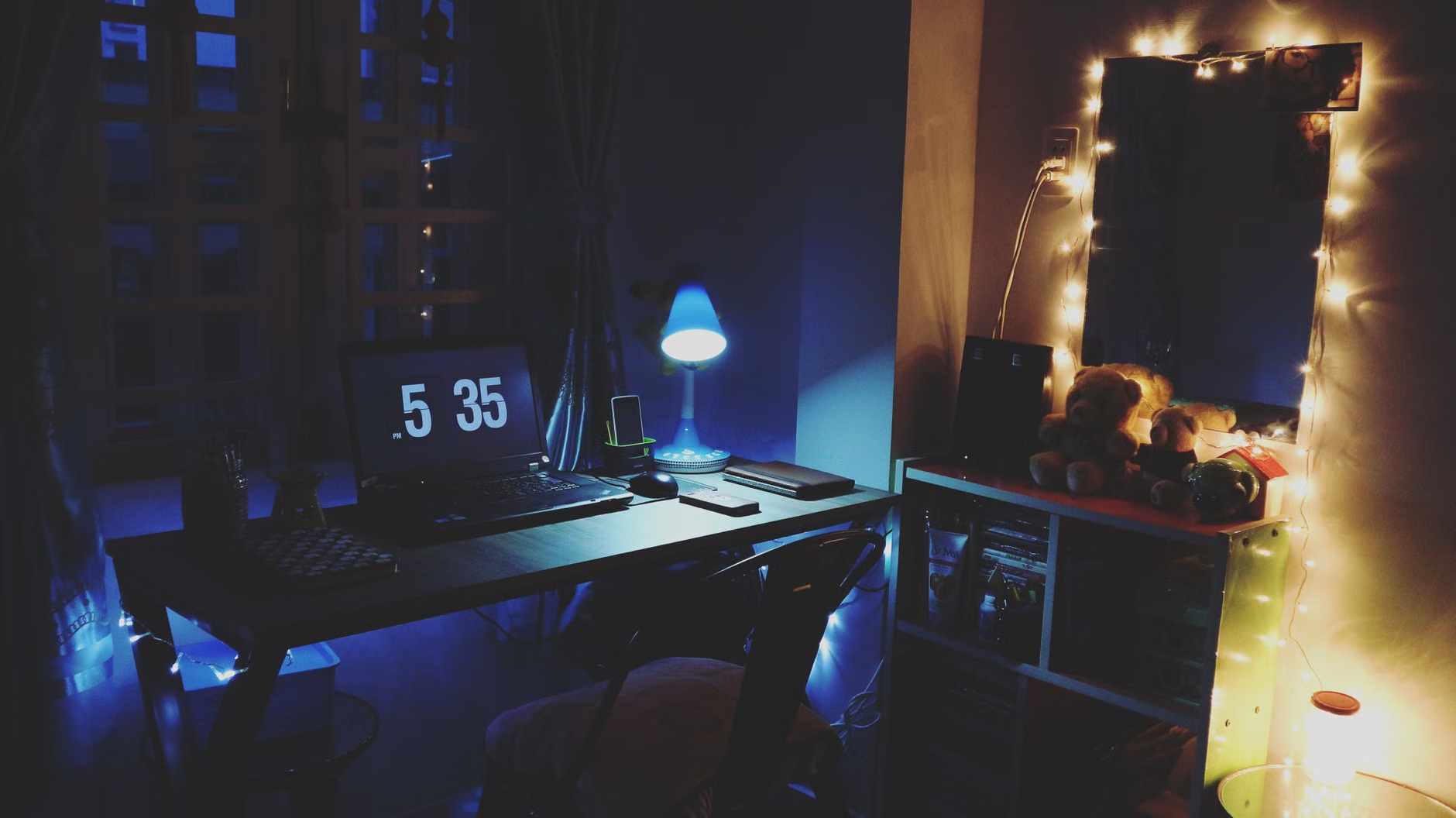
You don’t need a professional lighting designer to implement this. Most major smart bulb brands (like Philips Hue, Nanoleaf, or LIFX) allow for “Adaptive Lighting” or custom schedules. Here is a baseline schedule to get you started. You should adjust the specific times based on your family’s routine, but keep the sequence of color temperatures consistent.
| Time Block | Activity | Light Setting | Reasoning |
|---|---|---|---|
| 6:30 AM – 8:00 AM | Morning Prep | Cool White (5000K-6000K), 100% Brightness | Triggers cortisol and suppresses residual melatonin. |
| 8:00 AM – 2:00 PM | Focus/Work | Neutral White (4000K), 80-100% Brightness | Maintains alertness without the harshness of dawn light. |
| 6:00 PM – 8:00 PM | Dinner/Family | Warm White (3000K), 60-70% Brightness | Softens the environment for social connection. |
| 8:00 PM – Bedtime | Wind-down | Amber/Sunset (2200K-2700K), 20-40% Brightness | Prevents blue-light exposure; promotes melatonin release. |
Common Mistake: Many users set their lights to turn off abruptly at a certain time. This is jarring and can actually cause a “rebound” effect where the brain stays alert because of the sudden change. Instead, use “fade” or “transition” settings in your app to make these shifts occur over 30 to 60 minutes.
The “Morning Wake-Up” Protocol
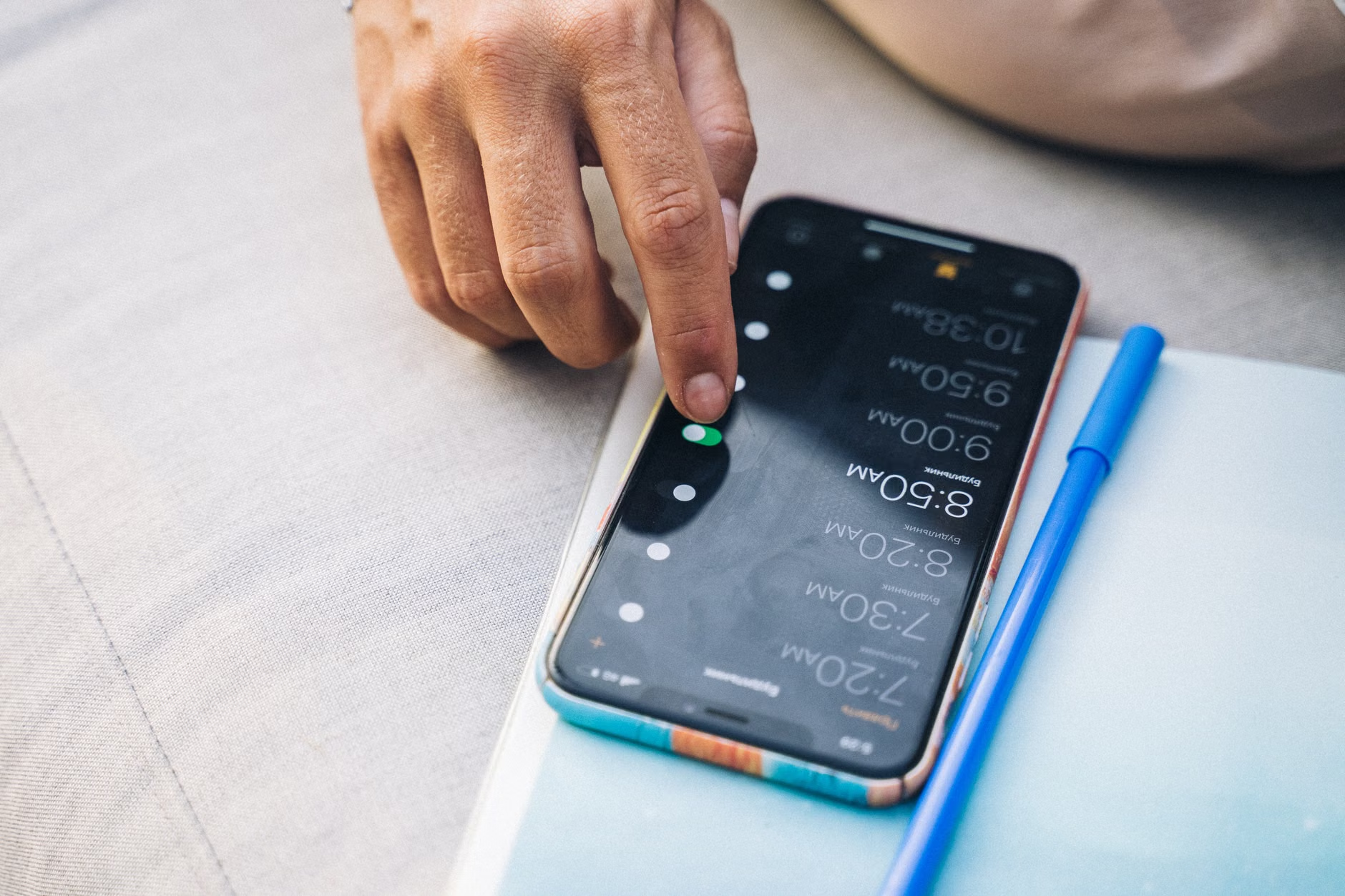
If you find it hard to get moving in the morning, leverage your smart lights to act as a wake-up call. Set your bedroom lights to start at 1% brightness (warm) and slowly increase to 100% brightness (cool) over the 20 minutes before your alarm goes off. This simulates a sunrise and helps you wake up feeling more refreshed, as your body has already started the transition to alertness before you even open your eyes.
The “Evening Sunset” Sequence
As you move into the evening, the goal is to shift your lighting from “task-oriented” to “rest-oriented.” By 8:00 PM, you should be moving away from overhead lights entirely if possible. Use floor lamps or table lamps with warm-toned bulbs. If you have smart bulbs, set an automation that gradually lowers the brightness and temperature as the evening progresses. If you are doing chores or reading with the kids, you can keep the light slightly higher, but ensure the Kelvin temperature remains below 2700K.
Technical Nuances: Kelvin, Lumens, and CRI
When buying smart bulbs, you will see three main numbers. Understanding them will save you from buying the wrong tech for your needs.
- Kelvin (K): This measures the color temperature. 2000K is “candlelight” (very orange), 3000K is “warm white,” 4000K is “neutral,” and 6500K is “daylight” (blue-ish). Rule of thumb: Higher Kelvin for work, lower Kelvin for rest.
- Lumens: This is the total amount of light. For productivity, you want high lumens (800+ per bulb). For relaxing, you want low lumens (less than 300 per bulb).
- CRI (Color Rendering Index): This measures how accurately the light shows colors. Aim for a CRI of 90 or higher. A low CRI light makes food look grey and skin look sickly, which is the last thing you want when trying to create a cozy home environment.
Hidden Trade-off: Some “cheaper” smart bulbs can change color but struggle with low-brightness flickering. When you dim an LED too much, it can flicker at a high frequency that, while invisible to the naked eye, can cause eye strain or headaches. If you notice a “strobe” effect when your lights are dimmed for the evening, that bulb isn’t well-suited for low-light dimming. Stick to reputable brands for your primary living areas.
Real-Life Application: A Scenario for Busy Parents
Let’s imagine a typical evening for a parent in their late 30s. It’s 7:30 PM. The kids are finishing their dinner, and the house feels chaotic. You have to move them to bath time, then book reading, then sleep.
Instead of yelling, “It’s time to settle down!”, you have your smart home system set to trigger the “Evening Chill” scene at 7:30 PM. The overhead kitchen lights automatically dim to 40% and shift to a soft 2500K amber glow. The transition is subtle, but the psychological effect is immediate. The entire room feels quieter, warmer, and more intimate. The children naturally begin to lower their voices, and the transition from “active play” to “getting ready for bed” becomes a seamless part of the environment, rather than a forced command.
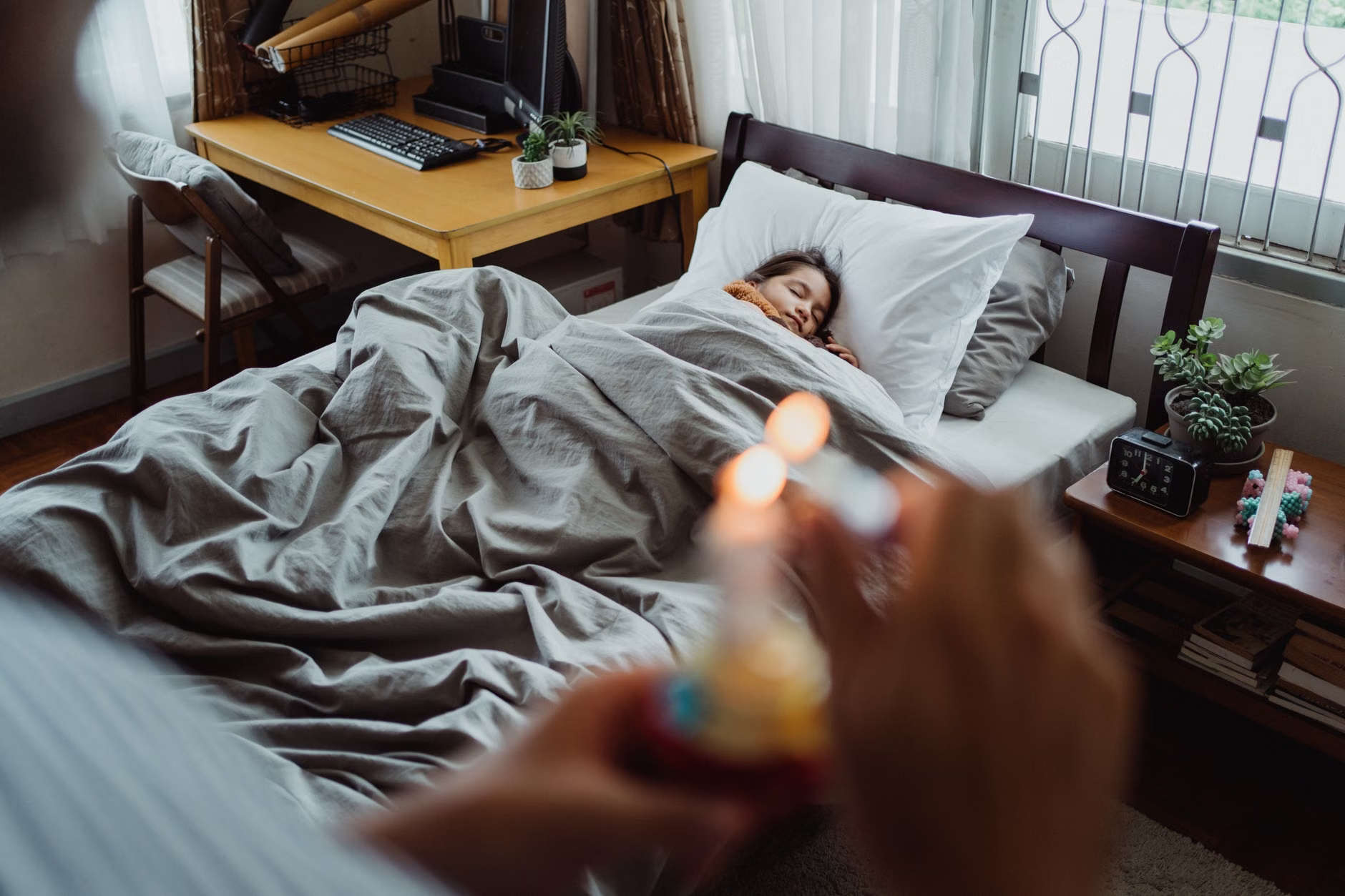
By the time you reach the bedroom for storytime, your lights are already at a very low, warm setting. You aren’t fighting your biology; you are using your environment to support the routine you want to build.
Common Pitfalls and How to Avoid Them
Even with the best schedule, you can sabotage your efforts. Here are the common mistakes to watch out for:
- The “Screen Trap”: You can have the perfect lighting in your living room, but if you are staring at a smartphone or laptop screen at 10:00 PM, you are flooding your eyes with blue light. Use “Night Shift” or “Blue Light Filter” modes on your devices, but ideally, put the screens away an hour before bed.
- Inconsistent Weekends: It’s tempting to stay up late and keep the lights bright on Friday and Saturday, but this creates “social jetlag.” Try to keep your lighting schedule consistent within a 1-hour window, even on the weekends.
- Over-automating: Don’t make your lighting so complex that it becomes a chore to override. If you need to do a quick cleaning or find a lost toy, make sure you have a “Manual Override” button or voice command (e.g., “Hey Google, set living room to bright”) that you can access instantly.
The Bottom Line: Start Small
You don’t need to retrofit every single light in your house at once. Start with the “anchor points” of your day: the bedroom and the living room. These are the spaces where you spend the most time winding down or waking up. Once you see the impact of these changes on your own energy levels and the general “vibe” of your home, you can expand to the kitchen or home office.
Circadian lighting is not a magic pill that will solve all your sleep problems, but it is a powerful tool in your wellness arsenal. It removes one of the biggest obstacles to rest in our modern world: the constant, artificial glare of a world that never sleeps. By reclaiming your home’s light, you are essentially reclaiming your own time, energy, and peace of mind.
For further reading on how light affects human biology, I recommend checking the NIOSH guidance on light and the circadian system, which provides a technical but accessible overview of why these shifts matter for long-term health.
Frequently Asked Questions
1. Does this mean I have to stop using my bright overhead lights at night?
Not necessarily, but you should aim to transition away from them. If you must use overhead lights for tasks like cooking, try to use bulbs that allow for color-temperature adjustment. Keep them at a neutral 3000K in the evening rather than a harsh 5000K, and use dimmers to keep the intensity low.
2. My smart bulbs are expensive to replace. Is there a cheaper way to manage circadian lighting?
If you aren’t ready to buy expensive smart bulbs for every socket, focus on “ambient” lighting. Buy a few inexpensive smart plugs and connect them to floor lamps with warm-toned, non-smart bulbs. You can automate the plug to turn on/off at specific times, which creates the same “dimming” effect for a fraction of the cost.
3. How do I handle this if my partner or kids have different schedules?
Focus on “zone-based” lighting. Instead of changing the entire house, focus the smart lighting on the common areas where everyone congregates. If someone needs bright light for work, they can use a dedicated desk lamp in their own space, which keeps the light localized and prevents it from disrupting the circadian rhythm of others in the room.