The most effective way to manage a family ski trip in the Alps isn’t by renting a car, but by embracing a “multi-modal” transit strategy that replaces highway gridlock with high-speed rail and local bus connections.
- Prioritize Rail-to-Resort: Use major hubs like Zurich, Geneva, or Munich to access high-speed rail, which drops you significantly closer to slopes than any rental car can manage during peak blizzard conditions.
- The “Last Mile” Rule: Always check if your resort provides a dedicated “station transfer” shuttle or if the local post-bus (PostBus in Switzerland, ÖBB Postbus in Austria) is synchronized with train arrivals.
- Dynamic Luggage Management: Leverage “luggage forwarding” services offered by national rail providers to avoid hauling heavy gear through multiple transfers, allowing you to travel with only essential carry-ons.
If you have spent your 30s and 40s hauling a family of four into a rental car, wrestling with snow chains in a dark parking lot, and paying premium rates for parking that is miles from the actual lift, you know the “convenience” of driving is often a myth. In the Alps, the true luxury isn’t a private vehicle; it’s the ability to step off a high-speed train and onto a shuttle that delivers you directly to your accommodation.
Why the “Car-First” Approach Fails Modern Families
For many of us, the default assumption is that having our own car provides freedom. However, in the high mountains, a car is often a liability. When you factor in the cost of mountain-grade rental cars, the mandatory winter tire surcharges, the exorbitant daily parking fees in villages like Zermatt or St. Anton, and the sheer unpredictability of mountain driving in a storm, the “freedom” of the car starts to feel like a trap.
The Hidden Costs of Driving:
- Insurance and Equipment: Rental companies often charge a daily premium for winter protection. If you don’t rent a car with 4WD, you are legally required to carry snow chains—and knowing how to install them in a blizzard is a skill most parents would rather not test.
- The Parking Penalty: Many iconic Alpine villages are either car-free or have limited, expensive parking garages located at the periphery. You end up paying to store the car, then paying again for a taxi or shuttle to reach your hotel.
- Driver Fatigue: After a long day on the slopes, the last thing anyone needs is a two-hour drive down a winding, icy mountain pass. The mental load of navigating these roads is significantly higher than sitting on a train with a book or a tablet.
By switching to a multi-modal approach, you trade this stress for a seamless chain of transit. You are essentially creating a logistical “pipeline” from your front door to the ski lift, utilizing the world-class infrastructure that European mountain regions have spent decades perfecting.
Defining the Multi-Modal Strategy
A multi-modal transit strategy is simply the intentional combination of two or more transport types to create a fluid journey. For a family, this usually looks like: Long-distance rail + local train/bus + final-leg resort shuttle.
The Long-Distance Backbone
The backbone of your trip should be the national rail network. Whether it’s the Swiss Federal Railways (SBB), the Austrian Federal Railways (ÖBB), or the French SNCF, these systems are built for winter sports. They offer dedicated storage for ski bags, power outlets for devices, and often dining cars where you can actually enjoy a meal with your kids rather than eating lukewarm fast food in a car seat.
The “Last Mile” Synchronization
The most common mistake families make is booking a train without checking the connection to the final resort. In the Alps, these connections are usually perfectly timed. If your train arrives at 14:00, the local bus or regional train to the resort is typically scheduled for 14:15. If you miss this, you might be waiting for the next one. Use tools like the SBB Mobile App or ÖBB Scotty to visualize your entire route, including walking distances between platforms.
| Transit Mode | Best For | Strategic Advantage |
|---|---|---|
| High-Speed Rail | Long hauls (e.g., Airport to Region) | Speed, comfort, and zero parking stress. |
| Regional Post-Bus | Last-mile resort access | Lowest cost and local expertise. |
| Luggage Forwarding | Families with young children | Removes the burden of hauling gear. |
The table above highlights that your choice of transit isn’t just about moving from A to B; it’s about minimizing the physical load on the parents. If you are traveling with children under 10, the “Luggage Forwarding” service—where you send your heavy bags directly to the station near your hotel—is arguably the best money you will spend on the entire trip.
Digital Tools to Master the Connection
In your 30s and 40s, you are likely comfortable with technology, but the sheer number of transit apps can be overwhelming. The secret is not to download every app, but to master the ones that provide “real-time” data.
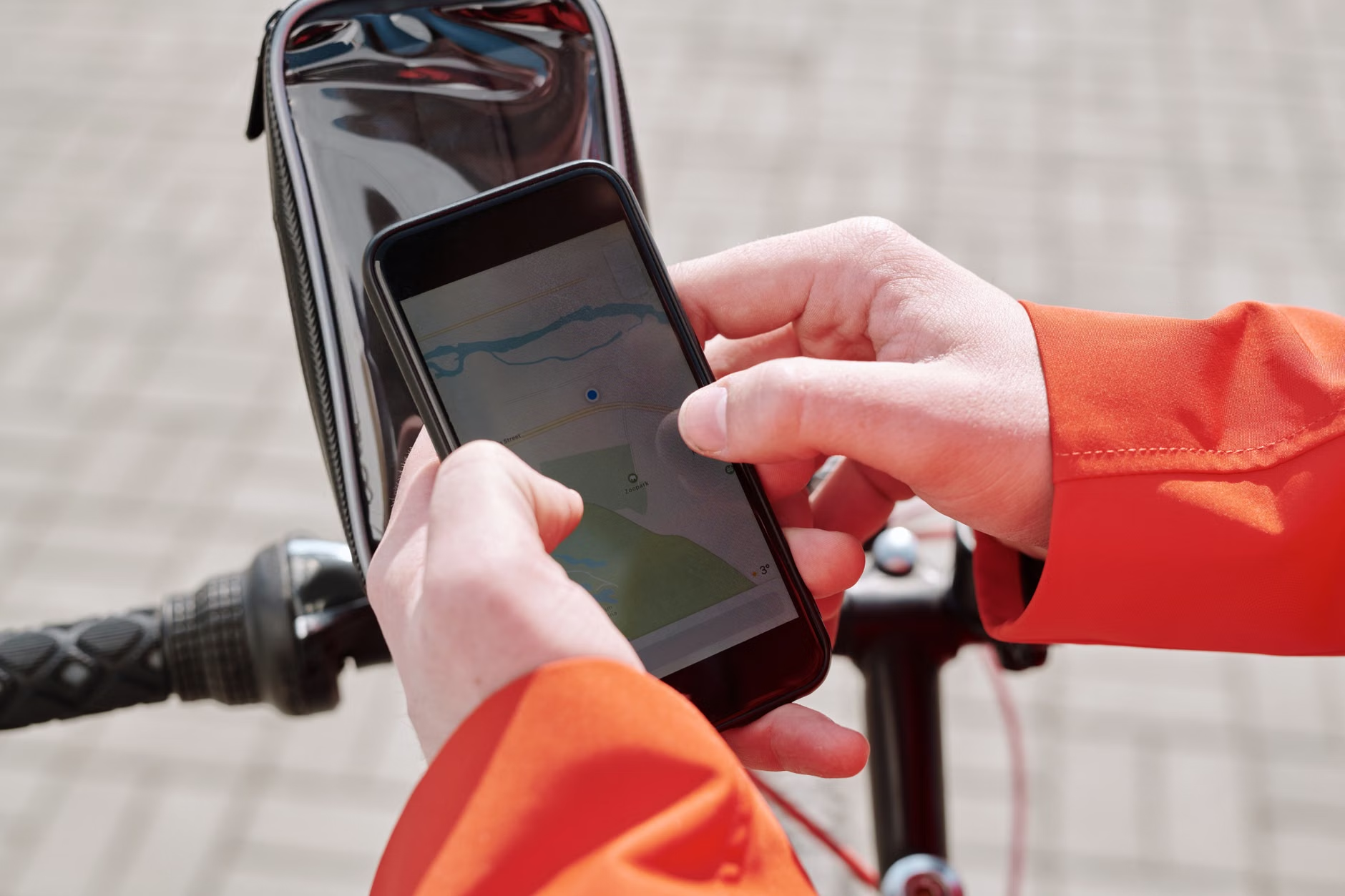
When you are in a foreign country, you don’t want to be guessing if a bus is delayed. Apps like Google Maps are decent, but they often lack the granular detail of the local operators. For example, in Switzerland, the SBB app will show you exactly which platform your connection is on and how many minutes you have to walk there. It even accounts for luggage speed.
Pro-Tip for Parents: Always take a screenshot of your itinerary. If you lose internet connectivity in a remote valley, having that static image of your train times and platform numbers can save you from a panic attack.
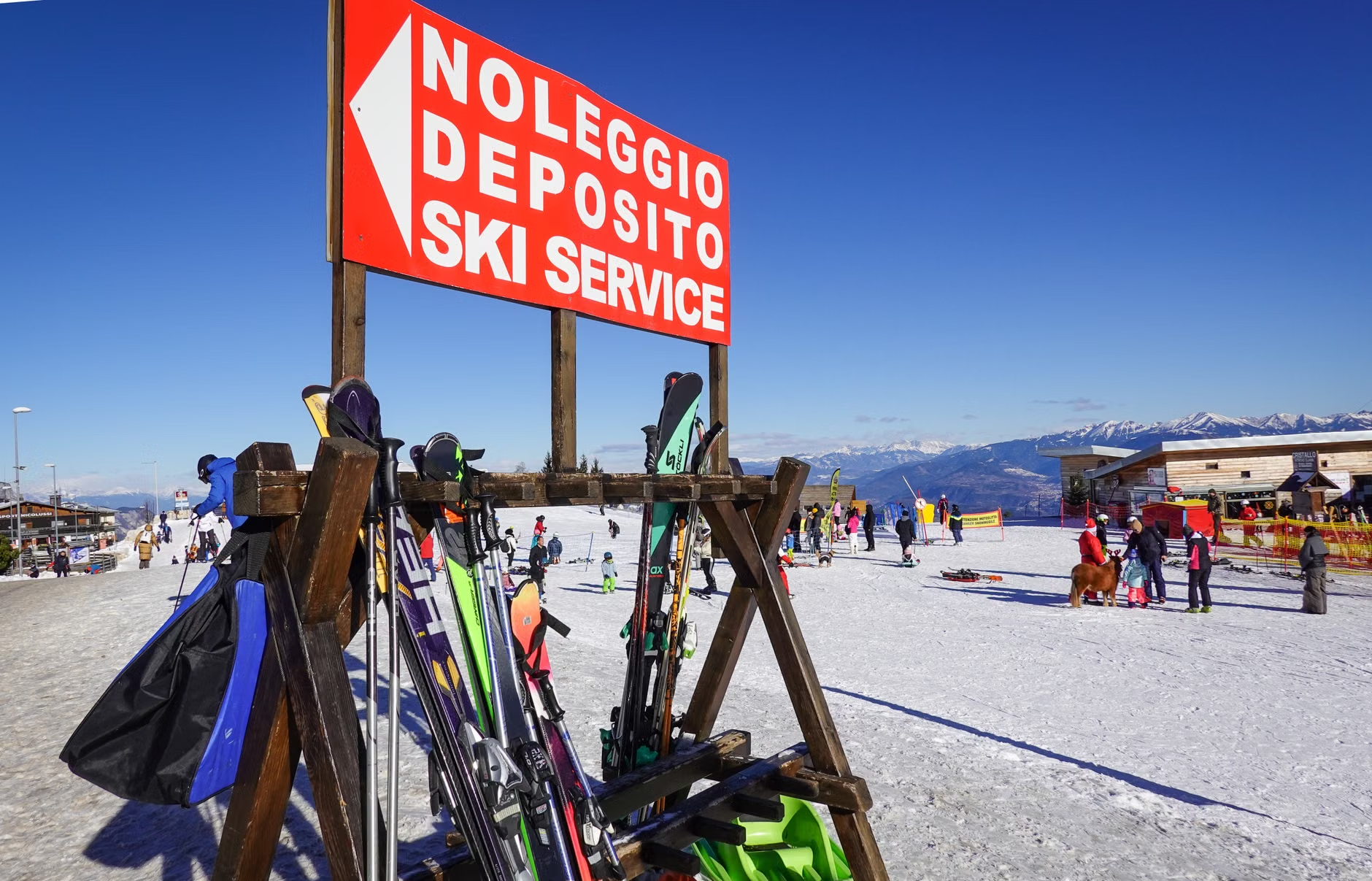
One of the biggest hurdles to ditching the car is the perception that you *need* a car to transport skis, boots, and helmets. Let’s debunk this. Most major resorts now have high-quality rental shops located literally at the base of the gondola. By renting your gear on-site, you eliminate the need to transport it at all. If you insist on bringing your own equipment, invest in a high-quality, wheeled ski bag. Modern ski bags have become incredibly ergonomic, allowing one parent to pull the gear while the other manages the children.
If you are traveling with toddlers, consider the “gear-less” travel model. Many resorts now offer “baby-on-board” services where you can rent sleds, strollers, and even specialized high-chairs at your accommodation. The rental cost is often less than the extra baggage fees charged by airlines and the stress of trying to fit a stroller into a rental car trunk.
The Unexpected Trade-Off: Flexibility vs. Structure
The most common criticism of public transit is the lack of flexibility. “What if we want to leave early?” or “What if the kids get cranky?” This is a valid concern, but it’s rooted in a misunderstanding of how European transit works. In the Alps, trains and buses are frequent. If you miss a connection, there is almost always another one within 30 to 60 minutes. This “waiting time” is often a chance to grab a coffee or let the kids play in a station plaza, which is far less stressful than the high-stakes environment of driving a car in heavy traffic.
Moreover, the “fixed” nature of a train schedule forces you to be more organized. You aren’t constantly debating when to leave the hotel; the train leaves at 10:12, so you are ready at 10:00. This structure can actually reduce friction within the family unit.
Common Mistakes to Avoid
Even with the best planning, things can go wrong. Here are the pitfalls to watch out for:
- Underestimating Walking Distances: Train station platforms in large cities can be massive. If your connection time is under 10 minutes, verify that the platform change is realistic for a family with luggage.
- Ignoring “First-Last” Connections: Some smaller, high-altitude villages have limited bus service that stops running early in the evening. Always check the last bus time for your return trip if you plan on having dinner in a different part of the valley.
- Skipping the Reservation: During peak season (February school holidays), long-distance trains require seat reservations. Do not assume you can just hop on. A family of four separated across different carriages is a recipe for a stressful trip.
The Economic Reality: Is It Actually Cheaper?
When you add up the costs—rental car, fuel, insurance, mountain tolls, and daily parking—the multi-modal strategy is almost always the more cost-effective option. For a family of four, the price of four train tickets, even with the occasional taxi for a short leg, is usually lower than the daily rental fee for a vehicle large enough to hold four people plus ski gear.
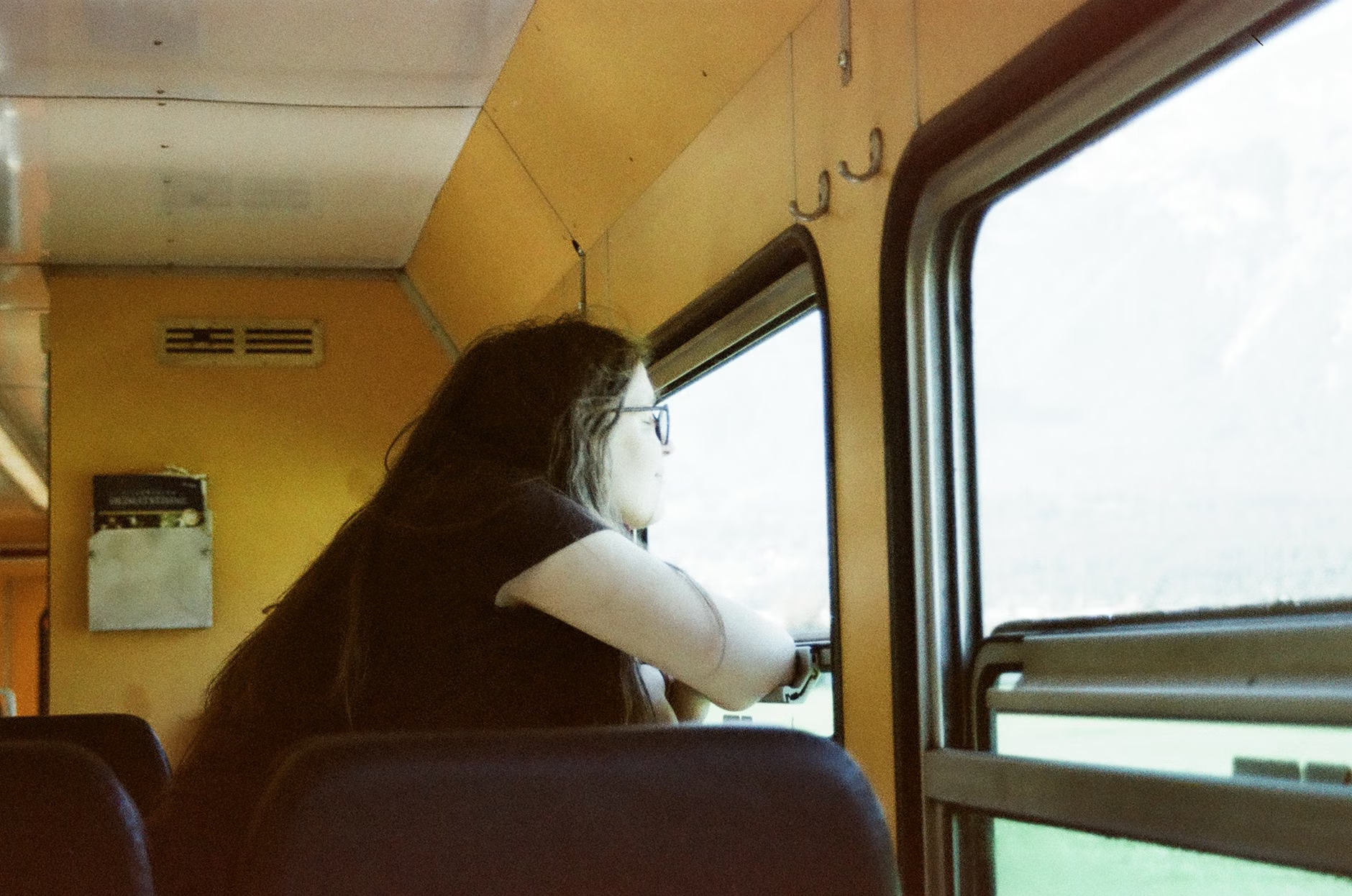
Furthermore, you gain “time-back.” On a train, you are together. You can play card games, look at the scenery, or nap. In a car, the driver is isolated, and the passengers are often glued to their own devices to kill the boredom. The journey becomes part of the experience rather than a chore to be endured.
Step-by-Step Implementation for Your Next Trip
If you are ready to transition to this model, follow this sequence:
- Select your destination based on rail access. Look for resorts that are within 30 minutes of a major rail hub. Examples include Zermatt (accessible by the Matterhorn Gotthard Bahn) or St. Anton am Arlberg (which has a station directly in the town center).
- Book your “Last Mile” transfer first. Check the resort’s website for the “Arrival” page. They will list the specific train station and the corresponding bus/shuttle service.
- Use a unified booking platform. Services like Trainline or the national rail websites (e.g., sbb.ch, oebb.at) allow you to purchase tickets that cover multiple legs of the journey.
- Prepare your “Go-Bag.” Ensure all your essentials (passports, tickets, snacks, tablets) are in a backpack that stays with you, not in a bag that goes into the luggage rack.
Final Thoughts: Reclaiming Your Vacation
The transition to a multi-modal transit strategy is ultimately about reclaiming your time and energy. By letting go of the control-heavy “car-first” mentality, you stop being a chauffeur for your own family and start being a participant in the journey. The Alps are designed to be explored, not driven through at 40km/h while staring at a GPS screen. Take the train, watch the peaks drift by, and arrive at your resort ready to ski, not ready for a nap.
If you are doing this for the first time, don’t overcomplicate it. Start with a straightforward route, keep your luggage light, and trust the schedule. You will likely find that the stress of the trip drops away the moment the train pulls out of the station.
Frequently Asked Questions
Q: What if I have too much gear for the train?
A: Most major European rail operators offer “luggage shipping” services. You can send your ski bags from the airport or a main city station directly to your destination station. It’s a small fee that completely changes the experience of travel by train.
Q: Is public transit reliable in heavy snow?
A: Generally, yes. In the Alps, rail infrastructure is prioritized for snow clearance. While road traffic can come to a standstill due to accidents or stalled vehicles on mountain passes, trains typically continue to run on schedule. They are the most reliable way to navigate the mountains during a storm.
Q: How do I handle the “last mile” if the bus stop is far from my hotel?
A: Most mountain hotels in the Alps offer a complimentary pick-up service if you call them when you arrive at the local station. Always email your hotel 48 hours before arrival to confirm your arrival time and ask if they can meet you at the bus stop or train station.
For more information on planning your rail journey, you can visit the official tourism portals for the regions: MySwitzerland or Austria.info. Both sites have dedicated sections for “Car-Free Travel” that provide excellent resources for family logistics.