- Redefine Success: Shift your goal from “reaching the summit” to “spending time outdoors.” A 500-meter walk with discovery is more successful than a 5km hike filled with tears.
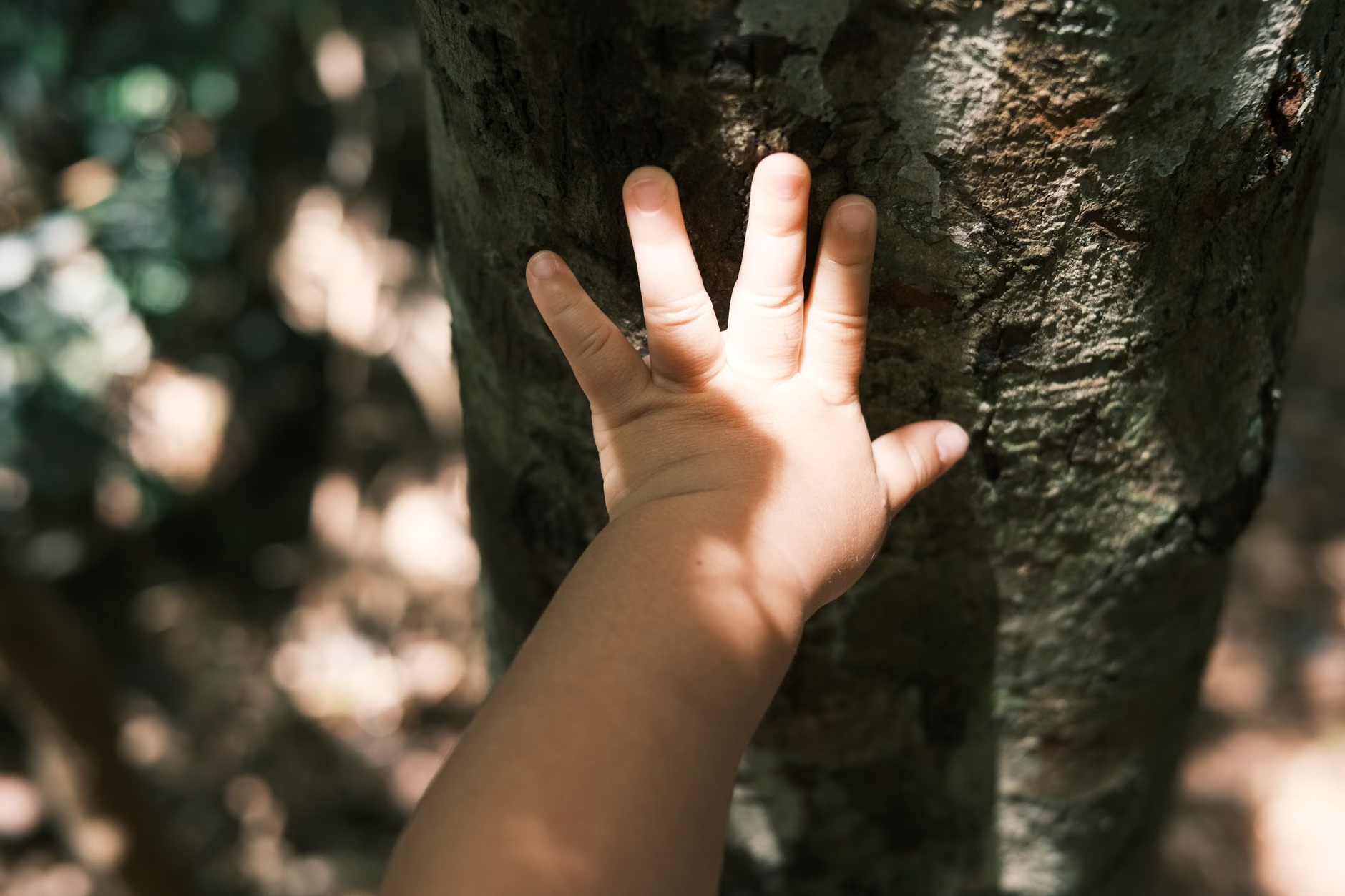
- Prioritize Sensory Engagement: Children experience trails through touch, sound, and sight. Building in “stop-and-study” periods prevents the fatigue that leads to mid-hike meltdowns.
- The 1:3 Rule: For every hour you think a hike will take, allocate three hours. Slow-adventure is about removing the pressure of the clock to keep cortisol levels low for both you and your child.
If you have ever found yourself carrying a crying toddler on your shoulders three kilometers from the trailhead, you know that traditional “hiking” often clashes with the reality of raising small children. We often approach trails with a goal-oriented mindset—the summit, the waterfall, the viewpoint—but for a child, the “point” of the woods is usually the interesting rock they found five minutes into the walk.
The “Slow-Adventure” approach isn’t about moving slowly because you have to; it’s about choosing to move at a pace that allows children to remain curious rather than becoming overwhelmed. It turns the hike from a test of endurance into a shared exploration. For parents in their 30s and 40s, this shift is the difference between a high-stress chore and a genuine family bonding experience.
Why the “Goal-Oriented” Hike Fails Families
Most of us were raised with the idea that hiking is a sport. We track steps, elevation gain, and distance. When we apply this to a four or five-year-old, we are essentially asking them to participate in a fitness activity they didn’t choose. When a child stops to look at a bug, we feel the pressure of the “schedule.” We nudge them to keep moving, which leads to frustration, and eventually, the dreaded “I’m tired” tantrum.
The psychological reality is that young children have limited executive function for “delayed gratification.” They don’t care about the panoramic view at the top of the mountain. They care about the immediate environment. When we force them to prioritize our goals, we create a power struggle. The Slow-Adventure framework flips this: the trail is the destination, not the obstacle to a destination.
Implementing the 1:3 Time Rule
The most common mistake parents make is overestimating their child’s stamina and underestimating the time required for transition. If your standard hiking app says a trail takes 60 minutes, you should plan for three hours. This isn’t just about walking speed; it’s about the “friction” of a family hike.
| Activity Phase | Traditional Expectation | Slow-Adventure Reality |
|---|---|---|
| Preparation | 15 minutes | 45 minutes (bathroom, snacks, gear check) |
| On-Trail | Continuous movement | Stop-and-go (10 mins walking, 5 mins exploring) |
| Motivation | “We’re almost there” | “Let’s find the next cool thing” |
By budgeting three times the duration, you eliminate the internal anxiety that causes you to rush your child. If you feel relaxed, the child senses it. The “Slow-Adventure” mindset is fundamentally about removing the parent’s stress, which is the primary catalyst for a failed outdoor trip.
Curating the Experience: The “Scavenger Mindset”
Instead of “hiking,” frame the outing as a “nature investigation.” Children are naturally data-driven; they want to collect, categorize, and inspect. You can leverage this by creating a low-pressure mission for the hike. This doesn’t mean buying expensive gear or elaborate kits. It means providing a focus.
The Five-Minute Rule for Attention Spans
Young children generally have an attention span of 2 to 5 minutes for a single task. On a trail, this means they will be fully engaged with a pile of leaves or a stream, and then suddenly, their interest will evaporate. Do not fight this. When the interest wanes, change the sensory input. If they’ve been looking at things, switch to a “listening” game. “Can you hear a bird? Let’s walk quietly until we find it.”
Essential “Slow-Adventure” Tools
You don’t need high-end trekking poles or GPS watches. In fact, these often become distractions. Instead, carry “low-tech” items that encourage interaction:
- A magnifying glass: A simple plastic one can turn a boring patch of dirt into a world of discovery.
- A small notebook and pencil: For older children (5+), sketching one thing they found is a great way to “anchor” the experience.
- A “collection” bag: Use a small mesh bag for non-living items (rocks, interesting sticks). Note: Always teach “Leave No Trace” principles—if it’s living or part of a habitat, we leave it where we found it.
Managing the “I’m Hungry” and “I’m Tired” Thresholds
In the world of adult hiking, we eat when we are hungry and stop when we are tired. With children, this is too late. You are already in the “danger zone” of a tantrum. In a Slow-Adventure, you operate on a proactive energy management system.
The Snack Strategy: Feed them before they ask. Every 30 minutes, initiate a “refuel stop.” Keep the snacks small, consistent, and easy to eat. Think berries, cheese cubes, or crackers. Avoid high-sugar snacks that lead to an energy crash later. The goal is to keep their blood sugar stable, not to provide a sugar high.
The Tiredness Trap: If your child starts dragging their feet or complaining about their legs, don’t just tell them to keep going. They are likely experiencing sensory fatigue. Switch to a “rest-and-observe” break. Sit on a log, drink water, and talk about what you’ve seen so far. Often, a 10-minute break is enough to reset their brain, even if their legs aren’t physically tired.
Choosing the Right Trail: Why “Feature-Rich” Beats “View-Rich”
When searching for a trail on platforms like AllTrails or local government park websites, most adults filter by “View” or “Difficulty.” For a Slow-Adventure, you should filter by “Features.” Look for trails that have:
- Water elements: Streams, ponds, or even puddles are the ultimate toddler entertainment.
- Varied terrain: Trails that go through different types of woods or meadows keep visual interest high.
- Short loops: Avoid “out-and-back” trails if possible. Loops provide a sense of progress because you are always heading toward the car, and they prevent the “are we there yet” feeling of realizing you have to walk back the same way you came.
Check your local government’s Department of Parks or Ministry of Environment websites for “interpretive trails.” These are often shorter, well-maintained, and designed for education, making them perfect for the Slow-Adventure model.
Common Mistakes and How to Pivot
Even with the best planning, things will go sideways. Here is how to handle the most common issues:
| The Issue | The Mistake | The Pivot |
|---|---|---|
| The “I won’t walk” | Bribing with screens/candy | Change the game (e.g., “Follow the leader,” “Nature bingo”) |
| Weather change | Pushing through | Turn back early. The trail will be there tomorrow. |
| Overcrowding | Trying to keep up with faster hikers | Step aside and let others pass. Your pace is your own. |
Why “Slow” is Actually Faster
It sounds counterintuitive, but by slowing down, you actually reduce the total time of the outing. When you fight a child’s natural pace, you spend time managing their resistance, dealing with meltdowns, and backtracking. When you align with their pace, you move fluidly. The time spent “exploring” is time where they are calm, regulated, and happy.
For parents in their 30s and 40s, this is also a lesson in mindfulness. We are constantly rushing—from school drop-off to work to chores. The forest is one of the few places where “doing nothing” is actually the most productive thing you can do. By teaching your child to appreciate the slow pace of the woods, you are also giving yourself a mental health break.
The Hidden Costs and Considerations
There is a hidden cost to the Slow-Adventure approach: the loss of your own fitness goals. If you go into the woods expecting to burn 500 calories or build cardiovascular endurance, you will be disappointed. You must mentally separate “Family Nature Time” from “Personal Exercise Time.” Trying to combine them is a recipe for resentment. If you need a workout, find a separate time for it. If you are with your children, the goal is connection, not calorie burning.
Furthermore, be aware of the “gear creep.” You don’t need a $300 hiking carrier or the latest technical fabrics for a 2km walk in the woods. Use what you have. A comfortable pair of sneakers and a basic backpack are enough. The most important piece of gear is your patience.
Reframing the End of the Hike
Always end the hike on a high note. If you wait until everyone is exhausted and hungry, the memory of the day will be the tantrum at the end. When you see the energy dipping, head back. It is better to leave wanting more than to push until everyone is miserable. Celebrate the return to the car with a small reward—a specific snack or a fun drive home—to create a positive association with the experience.
The beauty of the forest is that it doesn’t demand anything from us. It doesn’t care if we reached the summit. It only asks that we show up and notice. By adopting the Slow-Adventure mindset, you aren’t just taking your kids for a walk; you are teaching them how to be present in the world. And honestly, isn’t that one of the most important things we can do as parents?
Start with a short, familiar trail near your home this weekend. Don’t set a distance goal. Set a “curiosity goal”—find three different types of leaves or listen for two different bird sounds. You’ll be surprised at how much more enjoyable the experience becomes when you stop looking at the map and start looking at the world through your child’s eyes.
Frequently Asked Questions
How do I handle a child who refuses to walk even on a short, easy trail?
If your child is refusing to walk, it’s usually a sign of sensory overwhelm or simple exhaustion. First, rule out physical discomfort (shoes, hunger). If they are okay physically, change the environment. Move to a different, quieter section of the trail or stop for a longer break. Sometimes, simply sitting on the ground and playing a game like “what can we see from here” is enough to reset their interest. If they continue to refuse, don’t force a “march.” It is okay to carry them for a bit, but keep the pace slow and talk about what you see to keep them engaged.
At what age is it appropriate to start “Slow-Adventure” hiking?
You can start as soon as your child is mobile. For toddlers who aren’t walking long distances yet, the “Slow-Adventure” approach applies perfectly to a mix of carrier time and “exploring” time. Let them out of the carrier frequently to touch the ground, pick up rocks, and experience the texture of the trail. The key is to keep the expectations low—at this age, the goal is simply to normalize being in the outdoors.
What should I do if I feel like I’m “wasting” my weekend by going so slowly?
That feeling of “wasting time” is a common symptom of the modern parenting mindset. Reframe the experience: you aren’t wasting time; you are investing in your child’s development and your own stress management. The “slow” approach actually prevents the long-term burnout that comes from high-pressure parenting. If you genuinely feel you need a high-intensity workout, schedule a separate time for it. Keep family time focused on connection, and you’ll find that the “slow” pace is actually the most efficient way to build a happy, outdoor-loving family.
For more information on trail safety and Leave No Trace principles, please visit the official Leave No Trace Center for Outdoor Ethics.