The days of assuming every toy in your child’s playroom originated from a single factory hub in East Asia are rapidly coming to an end. As a parent in your 30s or 40s, you might have noticed that the price tags on LEGO sets or high-end educational blocks seem to fluctuate more than usual, or that your favorite boutique brands are suddenly highlighting “Made in Vietnam” or “Made in Mexico” on their packaging. This isn’t just a random shift; it is a fundamental restructuring of the global toy supply chain that directly impacts your household budget, your child’s safety, and the sustainability of the products you buy.
- Pricing volatility is the new normal: As manufacturing decentralizes to countries like Vietnam, India, and Mexico, initial production costs are higher than the long-established infrastructure in China, leading to upward price pressure on non-essential toys.
- Safety standards are becoming regionalized: While global standards exist, the shift in manufacturing means your local consumer protection laws (like the CPSC in the US or EN71 in the EU) are more critical than ever to verify when buying from emerging manufacturing hubs.
- Supply chain resilience benefits the consumer: The move away from a single-source model reduces the risk of “toy droughts” during holiday seasons, making it easier to find popular items, albeit at a potentially higher price point.
Think back to the “toy panic” of 2020 and 2021. If you were trying to secure that one specific playset for a birthday or the holidays, you likely faced empty shelves and shipping delays. That experience was a wake-up call for the entire toy industry. For decades, the industry operated on a “Just-in-Time” model, relying heavily on a centralized manufacturing ecosystem. When that system faced a disruption, the impact was felt in every living room globally. Now, the industry is pivoting toward “China Plus One” strategies and regionalized production. But what does this mean when you are standing in an aisle (or scrolling through a shopping app) trying to decide if that $50 price tag for a plastic kitchen set is worth it?
The “China Plus One” Strategy and Your Wallet
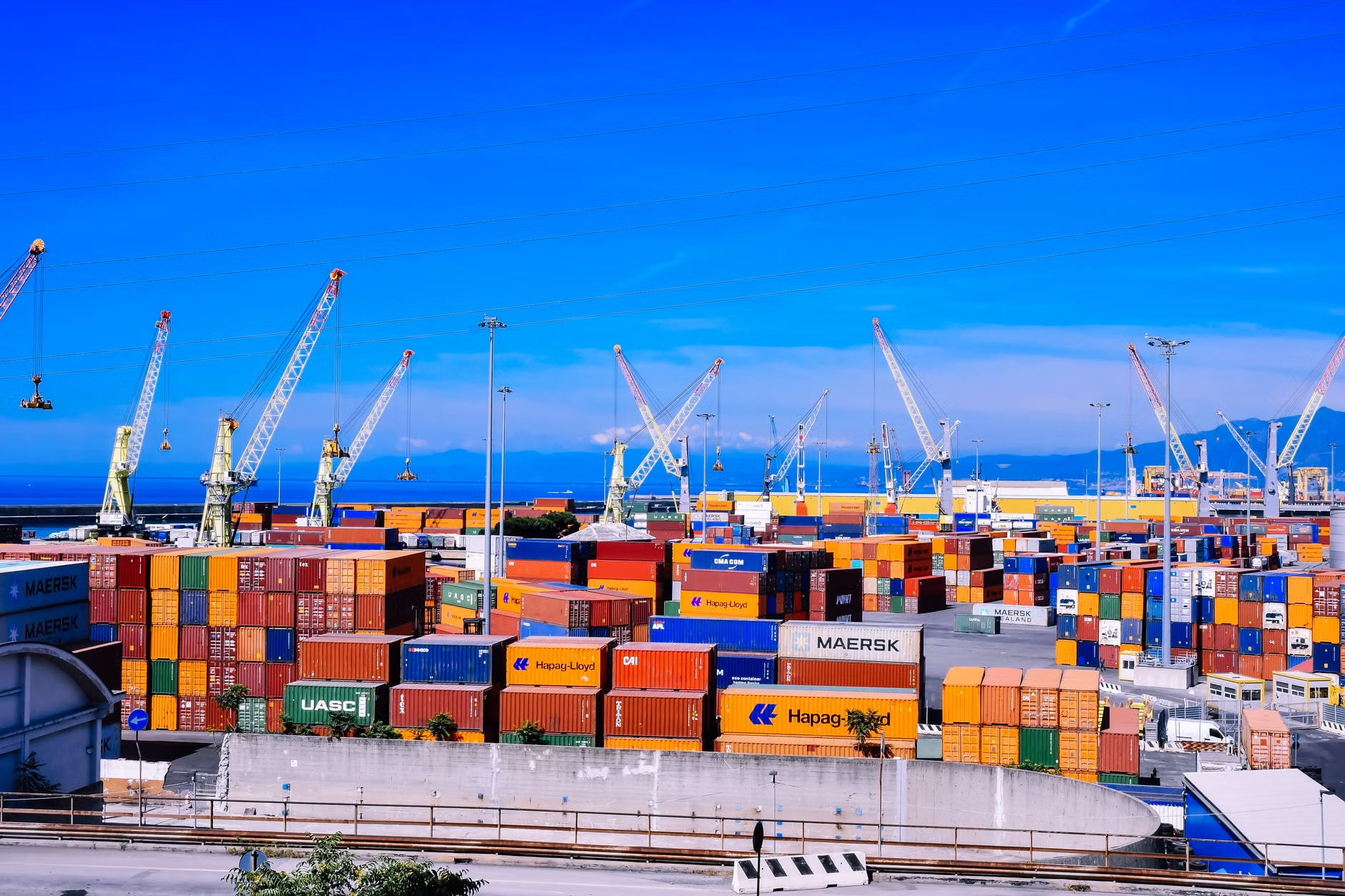
The “China Plus One” strategy is exactly what it sounds like: companies are keeping their production base in China while simultaneously opening or expanding facilities in other countries like Vietnam, Indonesia, or India. At first glance, this sounds like a win for stability. If a port closes or a regional conflict disrupts logistics in one area, another can pick up the slack. However, this diversification comes with a cost.
When a toy manufacturer moves a production line, they aren’t just moving a machine. They are moving an entire ecosystem of suppliers—the people who make the non-toxic paint, the injection-molders who create the plastic, and the logistics firms that handle the shipping. Replicating this ecosystem in a new country takes years. During this transition, efficiency drops, and waste increases. As a consumer, you are often absorbing these “transition costs” in the form of higher retail prices.
Decision Criteria for Parents: When you see a price increase on a familiar toy brand, look for the “Made in” label. If the brand has shifted its manufacturing to a new region, expect the price to remain elevated for at least 18–24 months as they stabilize their new supply chain. If the quality of the plastic or the finish seems slightly different, it is often a symptom of this “learning curve” in a new factory environment.
Understanding the Geography of Play: Where Your Toys Come From
To make sense of this, we need to look at why these shifts are happening. It isn’t just about labor costs anymore. It is about logistics, geopolitical stability, and proximity to the end consumer. For instance, many toys sold in North America are increasingly being manufactured in Mexico. This is known as “near-shoring.”
| Manufacturing Hub | Primary Advantage | Consumer Impact |
|---|---|---|
| China | Mature infrastructure, unmatched scale | Consistent quality, reliable availability |
| Vietnam/India | Lower labor costs, diversifying risk | Initial price volatility, potential material variance |
| Mexico/Eastern Europe | Proximity to market, faster shipping | Lower shipping costs, reduced carbon footprint |
This table illustrates why you might be seeing more “Made in Mexico” labels if you live in the United States. The shipping time from a factory in Mexico to a distribution center in the Midwest is a fraction of the time it takes to ship from Asia. This reduces the need for massive inventory stockpiles, which can actually help keep prices stable in the long run, even if the raw labor cost is higher than in Asia.
Why Safety Standards Matter More Than Ever
One of the most overlooked aspects of the supply chain shift is the regulatory environment. When a company moves production, they have to ensure that the new factory adheres to the same safety standards as the old one. For us, this means checking for certifications. Whether it is the ASTM F963 in the US or the EN71 directive in Europe, these are not just suggestions; they are the bedrock of child safety.
The Common Mistake: Many parents assume that if a brand is a household name, the factory location is irrelevant. This is a trap. A global brand may have different factories, and while they strive for consistency, the oversight in a brand-new factory in a developing industrial zone can sometimes be less rigorous than in a long-established one. Always check the specific packaging for safety marks. If you are buying a generic brand from an online marketplace, be aware that these platforms often have weaker vetting processes for third-party sellers who may be using factories that do not meet international safety standards.
If you find yourself buying from a new, unfamiliar manufacturer, take two minutes to look them up. Check if they have a physical address, a clear return policy, and if they mention compliance with your country’s specific toy safety regulations. If they don’t, it’s a red flag that no price discount can justify.
The Hidden Costs of “Cheap” Toys
When we talk about supply chain shifts, we often focus on the price tag. But we need to consider the “hidden” costs. Cheap, mass-produced toys often rely on very thin margins. When the supply chain is disrupted, these manufacturers are the first to cut corners—using cheaper plastics, less durable paints, or skipping quality control steps. This is why you might notice that a toy purchased today feels more “brittle” or breaks faster than a similar one you bought five years ago.
As a consumer, the best way to vote is with your wallet. If you notice a brand’s quality has dipped, stop buying it. The supply chain only responds to demand. If parents collectively stop buying poor-quality, rapidly-breaking toys, companies will be forced to adjust their manufacturing priorities back toward durability. This is a slow process, but it is the only one that works.
So, how do you handle this as a parent in your 30s or 40s? You don’t need to be a supply chain expert. You just need to be a more deliberate shopper. Here is a practical framework to use:
- Prioritize Durability over Trends: When the supply chain is in flux, the quality of “trendy” toys often drops first because they are designed for short lifecycles. Invest in “staple” toys—blocks, art supplies, puzzles—that have a longer history of consistent production.
- Verify the Source: It takes three seconds to flip a box over. If you don’t see a clear origin or a safety certification mark, think twice.
- Use Local Marketplaces for Small Batches: The global supply chain shift has paved the way for more local, artisan, or small-batch toy makers. These are often made in your own country or region. They may cost more, but they are often higher quality and come with a much lower carbon footprint.
- Plan Ahead: Because supply chains are now more diversified, you might find that certain items are available in one “region” but not another. Don’t wait until the week before a birthday to order a specific, hard-to-find item. Order early to account for potential logistics hiccups.
Refining Your Shopping Habits
The “global supply chain” sounds like a topic for economists, but it is really a topic about how we fill our homes and how we treat our children’s play. The shift we are seeing is a move toward a more fragmented, but potentially more resilient, world. It means prices might not return to the “race to the bottom” levels we saw in the 2010s, but it also means we are moving toward a system where we have more options and less reliance on a single point of failure.
For your family, this means being more conscious of what you bring into the home. Look for brands that are transparent about their manufacturing. If a company is proud of where they make their products, they will tell you. If they are hiding it, that’s your answer. The goal is not to be paranoid, but to be informed. By understanding that these shifts are happening, you can make better decisions about which toys are worth your money and which ones are just landfill-in-waiting.
Ultimately, the best toy is one that lasts, is safe, and sparks your child’s imagination. Whether it was made in a factory in Guangdong, a workshop in Vietnam, or a family-owned business in your home state, the value comes from the play it facilitates, not the logistics behind its creation. Keep your standards high, buy less but buy better, and don’t let the complexity of the global economy distract you from the simple joy of watching your children play.
Frequently Asked Questions
Does “Made in [Country]” actually affect the safety of the toy?
Not necessarily. Safety is determined by the manufacturer’s adherence to international testing standards (like ASTM or EN71), not the country itself. A well-managed factory in any country can produce safe toys, while a poorly managed one—even in a country with high standards—can produce unsafe ones. Always look for the safety certification mark on the packaging rather than just the country of origin.
Are toys going to stay expensive because of these supply chain changes?
It is likely that we will see a “new baseline” for toy prices. As companies move away from low-cost, high-scale manufacturing, the costs of labor, compliance, and logistics are being redistributed. While you might see temporary sales, the era of ultra-cheap, mass-produced plastic toys is facing pressure from both rising manufacturing costs and a growing consumer preference for higher-quality, longer-lasting items.
How can I find out where a specific toy is made if I’m shopping online?
Most reputable retailers are required to list the country of origin in the product specifications section of their website. If you are shopping on a site that doesn’t provide this, look for images of the packaging in the customer reviews—often, other parents will post photos of the back of the box where the manufacturing information is printed. If that fails, checking the manufacturer’s official website is the most reliable method.
For further reading on international toy safety standards and updates, you can refer to the official resources provided by the U.S. Consumer Product Safety Commission (CPSC) or the European Commission’s Toy Safety portal.