The most effective way to manage a home-schooling budget in an inflationary environment is to shift from a “curriculum-first” spending model to a “resource-allocation” model, prioritizing high-impact, reusable materials over expensive, one-time-use kits.
- Prioritize Modular Learning: Allocate 60% of your budget to core, reusable curriculum and 40% to flexible, low-cost extracurriculars or digital subscriptions.
- The Hidden Inflation Factor: Shipping costs and digital subscription price hikes often outpace core textbook inflation; look for “annual billing” discounts to lock in current rates.
- Community Arbitrage: Use local library inter-loan programs and community-based co-ops to replace high-cost specialized science and art supplies.
If you have been feeling the pinch lately, you are not alone. Whether you are a veteran home-schooler or a parent who started during the pandemic, the cost of “doing school at home” has changed drastically. It is not just the price of paper and pencils; it is the subscription hikes for educational apps, the rising cost of extracurricular classes, and the sudden realization that that “all-in-one” boxed curriculum you loved three years ago now costs 20% more.
When we talk about an “inflation-adjusted” budget, we aren’t just talking about adding a 5% buffer to your spreadsheet. We are talking about fundamentally changing how you view your educational spending. Let’s break down how to build a sustainable home-schooling financial plan that survives economic fluctuations.
The Anatomy of a Modern Home-Schooling Budget
To control your costs, you first have to see them. Many parents treat home-schooling expenses as “miscellaneous grocery store items” or “occasional splurges,” which is a mistake. When you don’t track your spending, you tend to over-purchase during the “back-to-school” season, leading to wasted materials that never get used.
A functional home-schooling budget should be split into three distinct buckets: Core Curricula (the non-negotiables), Ancillary Materials (the supplements), and Variable Costs (field trips, classes, and tech). By separating these, you can identify exactly where inflation is hitting you the hardest.
In 2024, the biggest “hidden” inflation is in the digital space. While physical book prices have risen, they are often stable once purchased. Digital subscriptions, however, are prone to “subscription creep.” If you have three apps for math, two for reading, and one for coding, you are likely paying 15-20% more than you were two years ago due to stealth price increases and the removal of “grandfathered” lower rates.

Mapping Your Fixed vs. Variable Expenses
Before you spend a single dollar, create a table that separates your needs from your wants. A common mistake is buying a “complete” curriculum set that includes everything from art supplies to experimental kits. These sets are often marked up significantly compared to buying the components individually.
| Category | Budget Strategy | Inflation Hedge |
|---|---|---|
| Core Curriculum | Buy physical, reusable texts | Purchase used, resell after use |
| Tech Subscriptions | Limit to 2 essential apps | Pay annually to lock in rates |
| Extracurriculars | Community-based groups | Barter skills with other parents |
The strategy here is to buy once, use twice. If you are buying a math curriculum, look for versions that do not rely on consumable workbooks. If you must use workbooks, photocopy the pages for your child (for personal use, following copyright laws) rather than buying a new set for every child in the house.
Managing the “Hidden” Costs of Tech-Heavy Learning
We are living in an era of “platform-based education.” It is tempting to subscribe to every high-quality app that promises to teach your child everything from touch-typing to advanced physics. However, these subscriptions are the silent killers of a home-schooling budget. If you find yourself paying $15 a month for five different platforms, you are spending $900 a year on digital access alone.
The solution is a “Quarterly Audit.” Every three months, look at the usage data for every subscription you pay for. If an app hasn’t been used for more than two hours in the last month, cancel it. You can always resubscribe later. Most educational platforms offer promotions throughout the year, so don’t feel pressured to keep an active subscription during the summer months or holiday breaks.
Furthermore, be wary of the “hardware trap.” You do not need the latest tablet or laptop for most K-8 education. Many parents fall into the trap of upgrading devices because they think it will make their child more productive. In reality, a refurbished laptop or a basic tablet is usually more than sufficient for research, writing, and interactive lessons. Focus your spending on high-quality internet access rather than high-end hardware.
The Community Arbitrage Model: Doing More with Less
One of the best ways to combat inflation is to stop being a “lone consumer.” Education is expensive because you are paying for the convenience of having everything curated for you. When you move toward community-based learning, you trade time for money.
Consider the “Science Kit” example. A pre-packaged science kit for a month of lessons can cost $50-$100. However, if you form a small co-op with two other families, you can split the cost of bulk materials. Not only does this reduce your per-child cost by 60-70%, but it also provides a social learning environment that you simply cannot replicate at home alone.
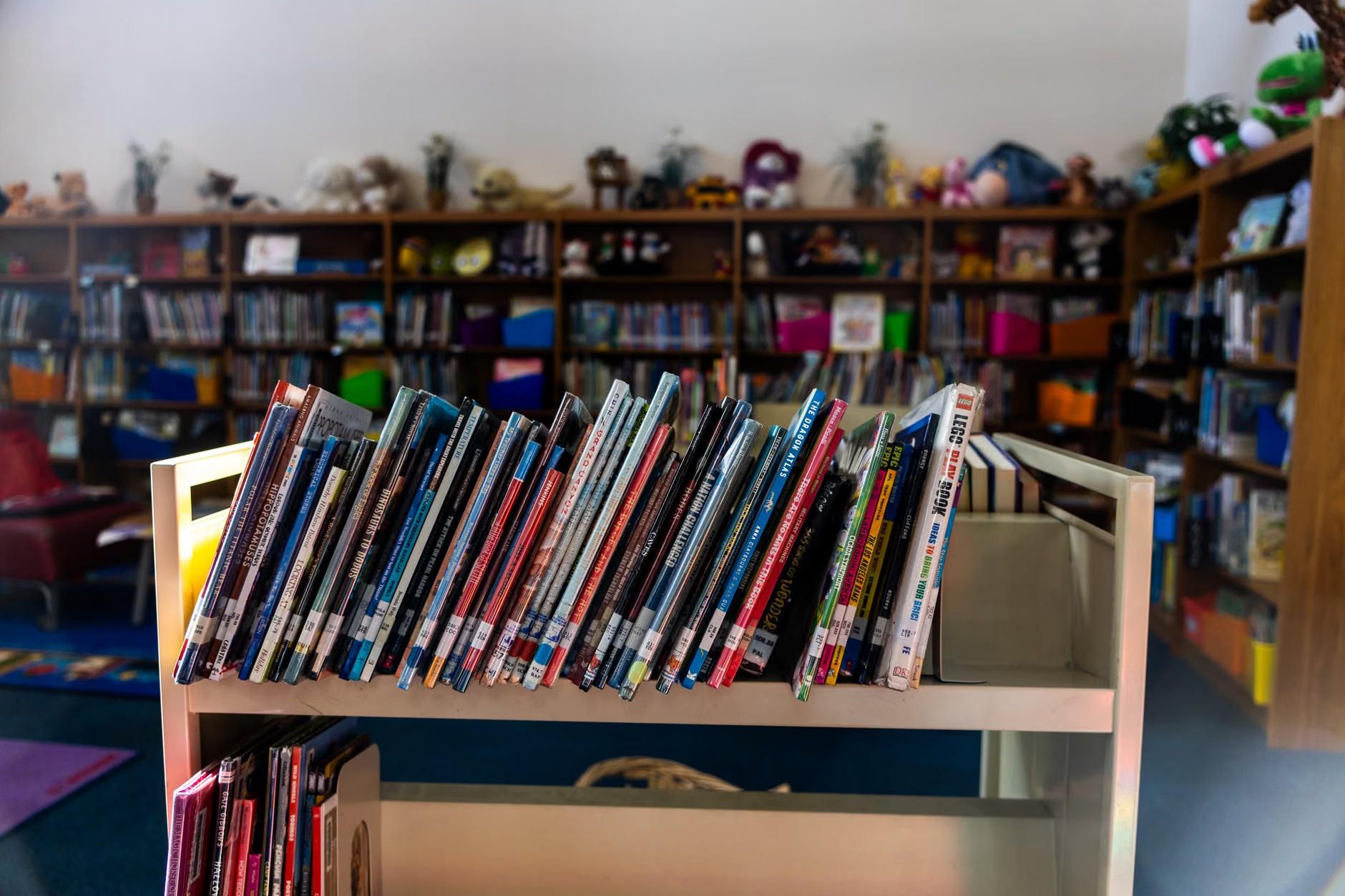
Beyond co-ops, leverage your local public library. Most libraries now offer more than just books; they have “Library of Things” programs where you can check out telescopes, coding robots, and microscopes. Before you buy that expensive piece of equipment for a unit study, check your library’s catalog. If they don’t have it, suggest it. Many librarians are happy to curate materials based on community demand.
Common Mistakes That Drain Your Budget
Even with the best intentions, it is easy to overspend. Here are three common traps that you should avoid if you want to keep your finances in check:
- The “Fear of Missing Out” (FOMO) Purchase: You see a new, flashy curriculum on social media and feel like your child will fall behind if you don’t have it. Remember: the “best” curriculum is the one you actually finish. A $500 program that sits on the shelf is a 100% loss.
- Ignoring Shipping and Taxes: When ordering online, shipping costs can add 10-15% to your total. Look for free shipping thresholds or group orders with friends to split the delivery costs.
- Over-buying Supplies: You don’t need a professional-grade art studio. Start with the basics—pencils, paper, paints, and clay—and only buy specialized items when a project actually requires them.
When you encounter these situations, use the “24-Hour Rule.” If you feel the urge to buy a new educational resource, wait 24 hours. Research whether a cheaper, or even free, alternative exists. Often, the excitement of a new “shiny object” fades, and you realize you already have the resources to cover the topic effectively.
Developing a Resilient Financial Mindset
Home-schooling is a marathon, not a sprint. If you burn through your budget in the first three months of the year, you will be stressed for the remaining nine. Your goal should be “Budget Smoothing.”
Aim to spend no more than 20-25% of your annual budget during the back-to-school rush. Keep the rest of your funds in a high-yield savings account. This serves two purposes: first, it earns a little interest, and second, it prevents you from making impulse buys. When you have a “curriculum fund” that is separate from your daily living expenses, you are much more likely to make rational, long-term decisions.
Also, consider the “Educational Asset” concept. When you buy books, think about their resale value. Classic literature, well-regarded math programs, and durable science equipment hold their value well. If you buy these items used, you can often sell them for nearly what you paid, making your net cost close to zero. This is the ultimate hedge against inflation.
Finally, track your “per-lesson cost.” If a $200 course results in 100 days of engaged learning, that is $2 per day. If a $50 app results in 2 days of engagement, that is $25 per day. By measuring your spending against actual engagement rather than just the purchase price, you will naturally gravitate toward higher-value, more sustainable educational choices.
Conclusion: The Path Forward
Managing an inflation-adjusted home-schooling budget is about discipline and creativity. It is not about depriving your child of a quality education; it is about being a smart consumer of educational resources. By prioritizing reusable materials, leveraging community resources, and being ruthless with subscription audits, you can provide an exceptional home-schooling experience without breaking the bank.
Start today by auditing your current subscriptions and listing your core curriculum needs. You will likely find that you can cut your expenses by 20% just by eliminating the “digital clutter” and planning your physical purchases more strategically. Keep your focus on the learning outcomes, and the finances will follow.
For further resources on managing educational costs and finding free, high-quality curriculum, you can explore the following:
- Khan Academy: A gold standard for free, high-quality online learning across all grade levels.
- American Library Association: Use this to find local resources and inter-library loan programs that can save you hundreds on books and equipment.
- U.S. Department of Education (Resources): Provides general guidance on educational standards to help you evaluate if a low-cost curriculum meets your specific academic goals.
Frequently Asked Questions
Q: How do I know if a “cheap” curriculum is actually good enough?
A: Look for “scope and sequence” documents on the publisher’s website. If they provide a clear, logical progression of topics that aligns with your educational goals, the price is usually secondary. Many high-quality, low-cost programs exist; the key is to verify they cover the foundational skills your child needs for their specific grade level.
Q: Is it worth buying used curriculum?
A: Absolutely, provided you check for “consumability.” If the curriculum relies on workbooks where the child writes directly in the book, buying used is only viable if the pages are unused. If the curriculum is text-based or uses a separate notebook for answers, buying used is the single most effective way to cut costs by 50% or more.
Q: How can I handle the social aspect of home-schooling without paying for expensive private classes?
A: Focus on public-facing community activities. Parks, hiking groups, local sports leagues, and volunteer opportunities are often free or very low cost. Many museums and zoos also offer free or discounted membership days for home-schoolers, which can provide high-value, low-cost social and educational experiences.
Note: This guide is intended for informational purposes and reflects general financial strategies for home-schooling families. Always check your local regulations and specific curriculum requirements to ensure they meet your state or regional educational standards.