Key Takeaways:
- Subscription value depends on the ‘rotation frequency’: You are paying for the convenience of curation and the reduction of household clutter, not just the raw material cost of the plastic or wood.
- Growth-mindset is not in the toy, but the interaction: No toy inherently teaches a growth mindset; the value is realized only when parents use the provided developmental guides to facilitate problem-solving and persistence.
- The ‘Hidden’ Economic Trade-off: For high-income households, the cost is often offset by the time saved on research and the reduction in impulse-purchasing low-quality plastic toys.
If you have ever tripped over a stray plastic building block at 2 AM or felt overwhelmed by a toy chest that seems to breed clutter, you have likely encountered the marketing for “growth-mindset” toy subscriptions. These services promise to deliver age-appropriate, Montessori-inspired, or STEM-focused toys directly to your door, perfectly timed to your child’s developmental leaps. But beyond the clean, aesthetic social media ads, is this model a genuine tool for child development, or is it just a premium way to manage your household’s inventory?
For parents in their 30s and 40s, the appeal is obvious: we are time-poor and information-saturated. We want the best for our children, but we are also wary of the “subscription trap” where a monthly fee becomes a permanent fixture in our bank statements. To determine if these services are worth your investment, we need to look past the branding and evaluate the actual mechanics of how these services impact your child’s learning and your family’s daily rhythm.
The Economics of Curation: Why You Are Actually Paying a Premium
When you sign up for a toy subscription, you aren’t just buying a wooden rattle or a shape-sorter. You are paying for a service that handles the “cognitive load” of parenting. As parents, we spend hours researching which toys are safe, which are developmentally appropriate for a 14-month-old versus an 18-month-old, and which ones will actually hold a child’s attention for more than ten minutes. The subscription model effectively outsources this research.
The “Rotation” Value Proposition: The most significant benefit of these subscriptions is the enforced rotation system. Child development experts, such as those cited in research by the American Academy of Pediatrics on the power of play, have long noted that children often become overstimulated by too many toys. By limiting the number of items available at any one time, children are forced to engage more deeply with each object. If your house is currently a graveyard of forgotten toys, the subscription model acts as a “reset button” that keeps the play environment fresh without you having to manually curate it.
However, there is a financial trade-off. If you were to purchase these exact toys individually from high-quality retailers, you would likely spend 20–30% less over the course of a year. You are essentially paying a “curation tax.” For a family of four balancing a mortgage, childcare costs, and daily expenses, this is a significant line item. The question is whether your time is worth the markup.
Decoding the “Growth-Mindset” Promise: Is It Marketing or Methodology?
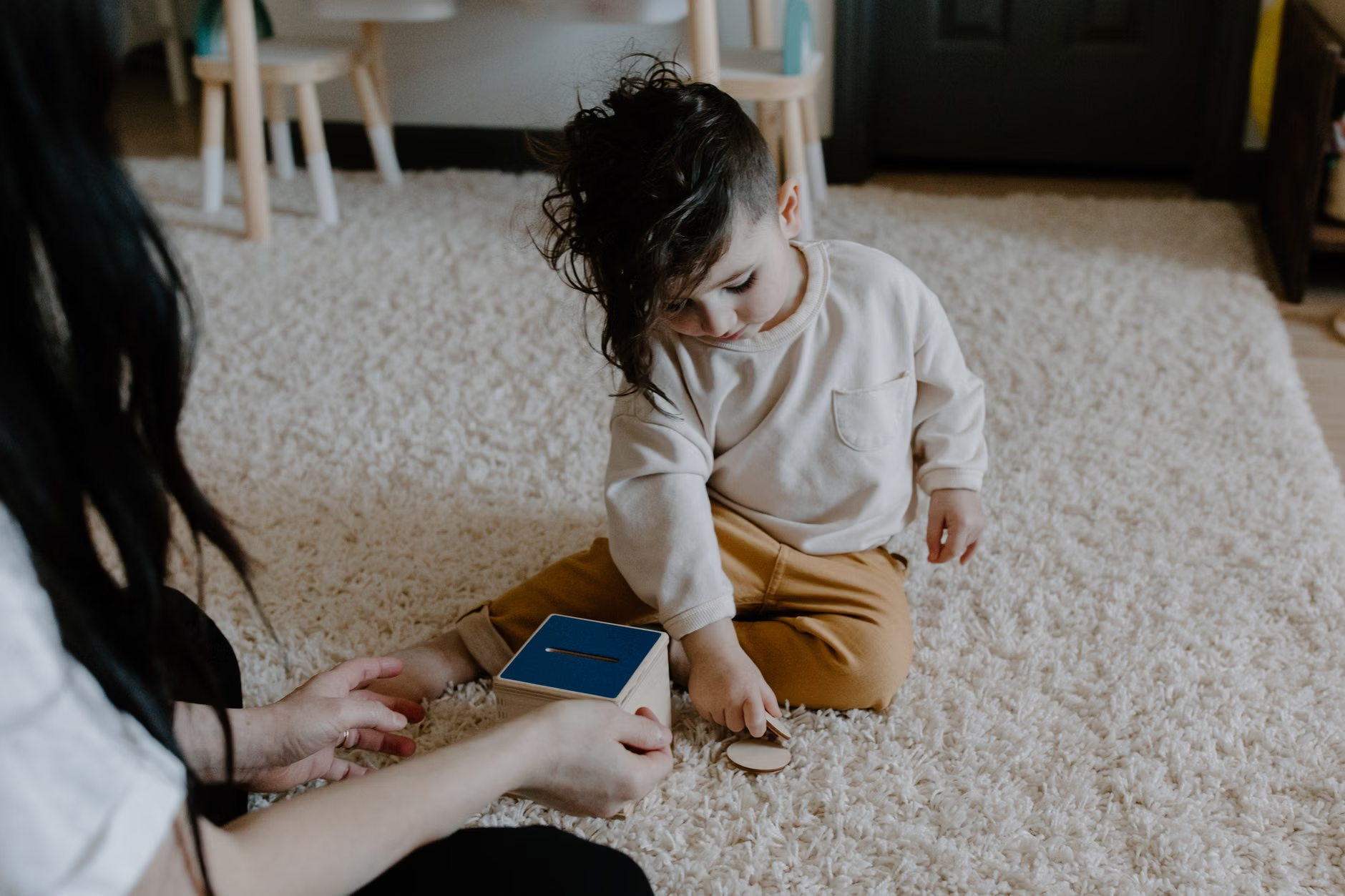
The term “growth mindset”—popularized by psychologist Carol Dweck—refers to the belief that abilities can be developed through dedication and hard work. When toy companies slap this label on their products, they are implying that their toys help children develop persistence, resilience, and problem-solving skills. But how does a toy actually achieve this?
The Secret Ingredient: The toy itself is rarely the source of the “growth mindset.” It is the scaffolding provided by the subscription service’s accompanying parent guides. These guides often explain how to ask open-ended questions: “What happens if we stack these differently?” or “Why do you think this piece didn’t fit?”
If you receive the box, hand the toy to your child, and walk away to check your emails, the “growth-mindset” value is largely lost. The subscription model relies on the parent acting as a co-player. Without that interaction, you are simply paying for a high-quality wooden toy that your child might play with for a week before moving on to a cardboard box—which, ironically, is often the best “growth-mindset” toy of all.
Comparing Subscription Models vs. Conscious Minimalism
To help you decide, let’s look at the operational differences between subscribing and the “minimalist curation” approach.
| Feature | Subscription Model | Minimalist Curation (DIY) |
|---|---|---|
| Time Investment | Minimal (Set and forget) | High (Research & sourcing) |
| Financial Cost | Moderate to High (Recurring) | Low (One-time, high-quality) |
| Clutter Control | High (Rotating inventory) | Variable (Depends on discipline) |
| Developmental Fit | Expert-curated | Parent-judged |
The DIY approach requires you to be a “toy librarian.” You would need to store half of your child’s toys in a closet and rotate them every two weeks. This is free, but it requires a level of organizational discipline that many parents in their 30s find difficult to maintain while managing a career and household. The subscription service is a “service-based solution” to a “logistics problem.”
Common Pitfalls: Where the Subscription Model Fails
Even with the best intentions, parents often fall into specific traps when using these services. Recognizing these mistakes can save you hundreds of dollars a year.
1. The “Subscription Creep”: Many parents start with one age group and, once the child transitions, forget to cancel or adjust. You end up paying for toys that are either too advanced or too simplistic for your child’s current developmental stage. Always set a calendar reminder for two weeks before the next billing cycle to evaluate if the next “stage” is actually needed.
2. The “Guilt-Based” Purchase: Some parents use these services because they feel guilty about not having enough time to play with their children. They hope that by providing “educational” toys, they are making up for lost time. This is a common misconception. Children value the 15 minutes of undivided attention where you are on the floor with them, regardless of whether you are playing with a subscription-box puzzle or a pile of laundry.
3. Ignoring the Second-Hand Market: Many of the high-end toys included in these boxes are available on secondary marketplaces like Facebook Marketplace or specialized parenting forums for a fraction of the cost. If your goal is simply to have high-quality toys, check these platforms first. You might find that you can build your own “growth-mindset” collection for 20% of the cost of a subscription.
Implementing a Strategic Toy Rotation at Home
If you decide that a subscription isn’t for you, but you still want the benefits of a curated, growth-focused environment, you can implement a “Subscription-Style” system at home with minimal effort. This is a practical, step-by-step guide to managing your home’s toy ecosystem:
- The Audit: Gather all toys into one space. Be ruthless. If a toy is broken, missing pieces, or has been ignored for three months, remove it.
- The Categorization: Sort the remaining toys into categories: Open-ended (blocks, silks, animal figures), Problem-solving (puzzles, shape sorters), and Imaginative (dress-up, kitchen sets).
- The Rotation Bins: Use opaque storage bins. Keep only 20% of the total collection out at any given time. Place the rest in a closet or basement.
- The Trigger: Set a bi-weekly date on your phone calendar. When the notification pops up, swap the toys in the living room with the toys in the bins.
- The Observation: Spend the first day of the new rotation observing which toys your child gravitates toward. If they ignore a specific bin for two rotations, it is time to donate or sell that toy.
This system mimics the subscription model’s benefits—novelty and focus—without the recurring cost. It also forces you to pay attention to your child’s interests, which is the most effective way to foster a growth mindset.
The Verdict: Who Should Subscribe?
A toy subscription is not a “must-have” for child development, but it is a “luxury-utility” for busy parents. It is most suitable for households where the value of time saved outweighs the cost of the subscription. For instance, if you are a dual-income household where both parents are working full-time and your weekends are currently consumed by household chores, the subscription box provides a structured, stress-free way to ensure your child has engaging, age-appropriate tools for play.
Conversely, if you are on a strict budget, or if you find joy in the process of researching and sourcing second-hand toys, the subscription model will likely feel like an unnecessary expense. The “growth-mindset” is not a product you buy; it is a culture you cultivate in your home through consistent, patient, and curious engagement with your child.
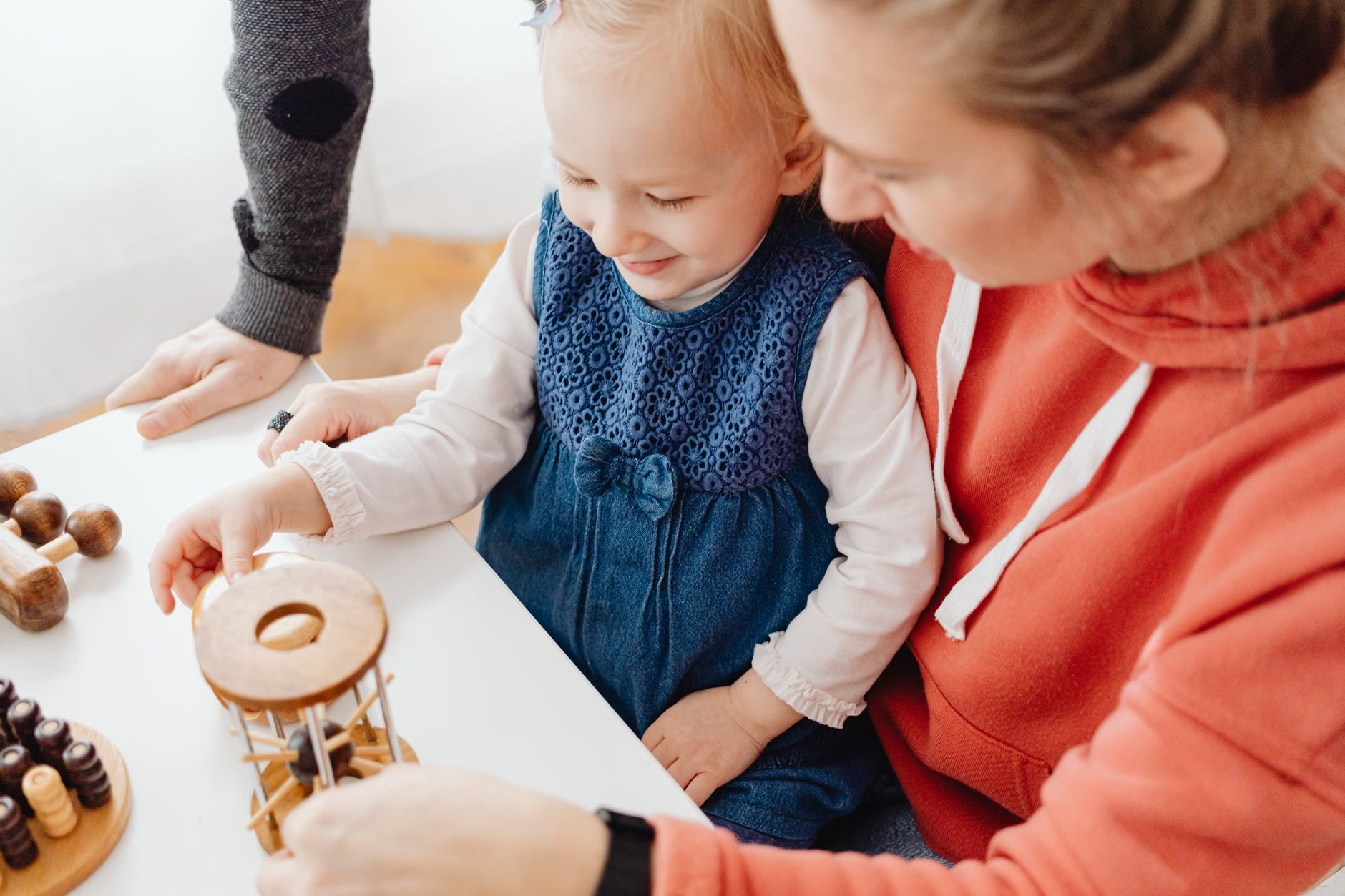
Ultimately, the most important factor is the quality of the interaction. A subscription box can provide the stage, but you provide the performance. Whether you choose to subscribe or to curate your own rotation, focus on the toys that invite your child to experiment, fail, and try again. That is where the real growth happens.
Frequently Asked Questions
Q: Are these subscription toys actually more durable than store-bought ones?
A: Generally, yes. Most major toy subscription services prioritize wood, organic cotton, and non-toxic finishes. They are designed to withstand years of play and often hold their resale value better than mass-market plastic toys. However, you are paying a premium for that build quality; don’t expect them to be indestructible.
Q: What happens if a child loses a piece of a subscription toy?
A: Most subscription services have policies regarding lost pieces. Some allow you to purchase replacements, while others have a “grace period” or a fee-free policy for minor losses. Always check the terms of service before you begin, especially if you have a toddler who is prone to “losing” things behind the sofa.
Q: How do I know if a toy is truly “growth-mindset” focused?
A: Look for toys that have “open-ended” play potential. If there is only one way to play with a toy, it is likely not building a growth mindset. A good toy should allow the child to change the rules, build something new, or approach a challenge from multiple angles. If you find yourself needing to explain how to use the toy, it is likely a “one-and-done” item rather than a growth-oriented one.
For further reading on the importance of play in child development, visit the official American Academy of Pediatrics (AAP) policy statement on The Power of Play.