The most significant shift in modern networking for parents in their 30s and 40s is the deliberate move toward “zero-proof” socializing—prioritizing clarity, presence, and genuine connection over the social lubricant of alcohol.
- Quality over quantity: Alcohol-free networking allows for deeper, more authentic conversations that are not hindered by the “fog” of a few drinks, making it easier to form lasting parent-friendships.
- The “Morning After” advantage: By eliminating alcohol, parents reclaim their energy for the early-morning demands of child-rearing, effectively turning social time into a restorative activity rather than a draining one.
- Normalization is key: You don’t need to be “sober” in a clinical sense to join this movement; “sober-curious” is a valid approach that allows for flexibility while opting out of the pressure to consume alcohol.
If you have ever found yourself at a neighborhood dinner party or a school fundraiser, feeling like the only way to “fit in” was to hold a glass of wine you didn’t particularly want, you are not alone. For many of us in our 30s and 40s, the default setting for adult social interaction has historically been alcohol-centric. However, a quiet, powerful shift is taking place. Parents are increasingly opting for zero-proof environments, not just for health reasons, but because they are tired of the trade-off between socializing and their ability to function the next morning.
This isn’t about moralizing or giving up fun. It is about reclaiming your social life in a way that aligns with the realities of being a parent. When you have a 6:00 AM wake-up call from a toddler or a full day of professional obligations, the “social tax” of alcohol—the interrupted sleep, the fatigue, and the lack of mental sharpness—simply becomes too expensive to pay.
What the Zero-Proof Shift Actually Looks Like
The zero-proof movement is not a return to the prohibition era; it is a sophisticated evolution of how we treat hospitality. In the past, if you weren’t drinking, your options were limited to tap water or overly sweet sodas that felt like a child’s drink. Today, the market for non-alcoholic (NA) spirits, craft mocktails, and functional beverages has exploded.
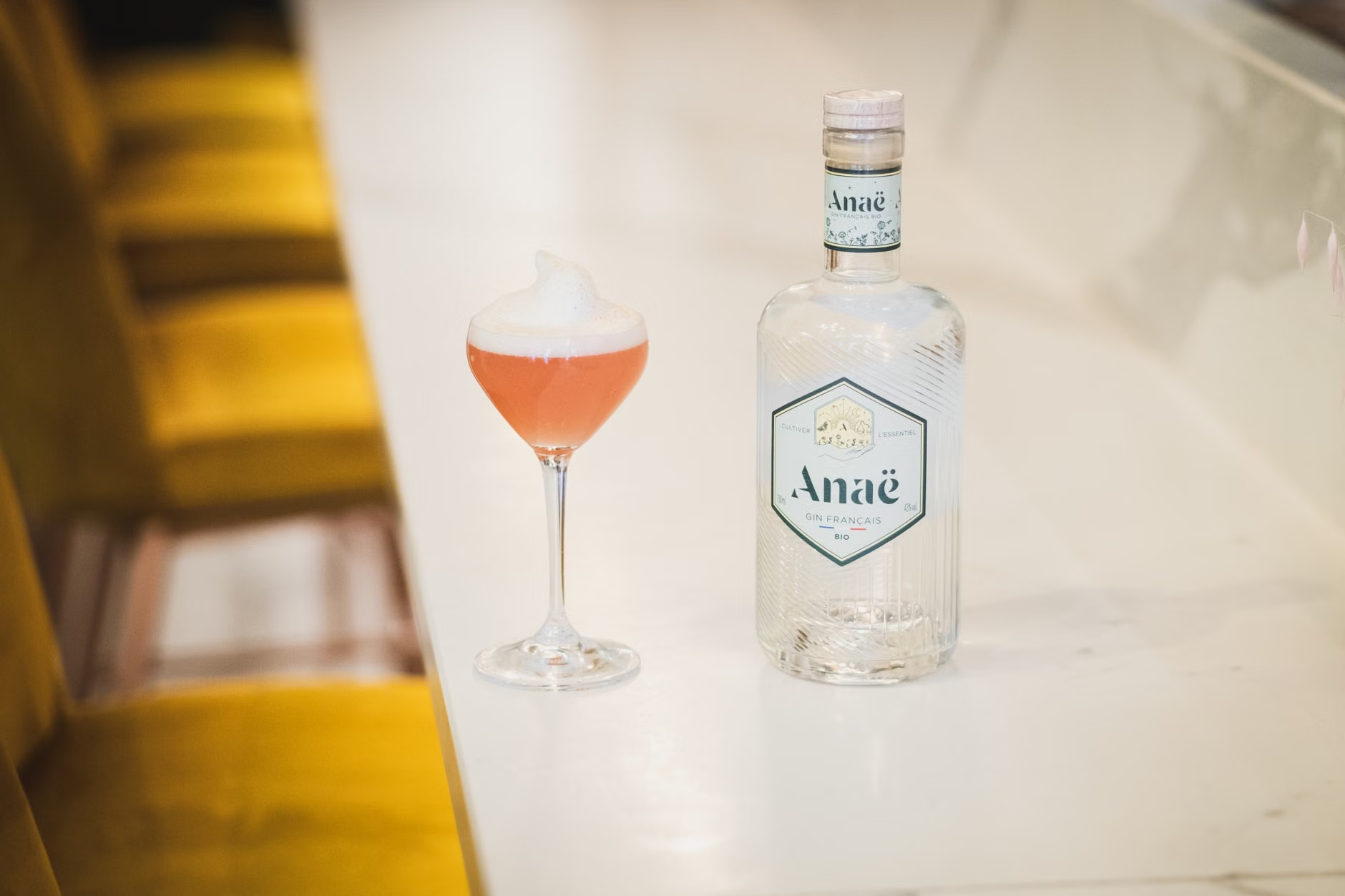
What this looks like in practice is a change in the “social currency” of a gathering. Instead of bringing a bottle of wine as a standard host gift, people are bringing complex, distilled non-alcoholic spirits or high-end kombuchas. It shifts the focus from “who is drinking what” to the quality of the conversation and the shared experience of trying something new.
For parents, this is a game-changer. It allows for a “social reset.” You can attend a networking event or a parent meetup, engage fully, and actually remember the details of your conversations. More importantly, you leave the event feeling energized rather than depleted. It is a tactical decision to optimize your social life for your lifestyle, rather than forcing your lifestyle to accommodate a social habit that no longer serves you.
Why This Matters for Parents in Their 30s and 40s
By the time we hit our late 30s, our tolerance for the “hangover cost” drops significantly. It is not just about the headache; it is about the “parental load.” When you are responsible for the physical and emotional well-being of children, being “off” for even a few hours the next morning can throw off your entire week. The zero-proof shift matters because it removes the friction between being a social adult and being a present, effective parent.
Consider the following comparison of a typical Friday night social scenario:
| Feature | Alcohol-Centered Networking | Zero-Proof Networking |
|---|---|---|
| Social Lubricant | Alcohol (can lead to superficiality) | Intentional conversation, better NA drinks |
| Mental State | Blurred, potentially anxious | Clear, present, focused |
| Next Morning | Physical fatigue, “hangxiety” | Refreshed, ready for family activities |
| Long-term Impact | Potential health degradation | Better sleep, improved skin, mental clarity |
The table above highlights that the zero-proof approach is a strategic choice. It is not about deprivation; it is about choosing a superior outcome. When you remove alcohol from the equation, you often find that the people who were only there for the “party” drift away, and the people who are interested in genuine connection remain. This acts as a natural filter for your social circle.
One of the biggest hurdles for people starting this journey is the social pressure. There is a deeply ingrained cultural expectation that “adulting” involves drinking. When you decline a drink, people often feel their own choices are being judged, which can lead to awkward questions or persistent coaxing.
The key here is to keep your response casual and low-stakes. You do not need to explain your entire life story or mention your health goals. A simple, “I’m taking a break from alcohol for a while, I’ve got a big day with the kids tomorrow,” is usually more than enough. If someone pushes, you can pivot the conversation back to them: “I’m really enjoying this sparkling botanical blend, have you tried it?”

By keeping the tone light, you remove the “moral” weight of your decision. You aren’t taking a stand; you are just making a preference. Most people will drop the subject once they realize you aren’t trying to change their habits. If they continue to push, it is often a reflection of their own insecurity regarding their drinking habits, not a critique of yours.
Practical Steps to Transition Your Social Life
If you want to start integrating more zero-proof elements into your life, you don’t need to overhaul your existence overnight. Start small. Here is a step-by-step approach to making the shift:
1. Host Your Own “Curated” Gatherings
The easiest way to normalize zero-proof is to be the one setting the menu. When you host, provide high-quality alternatives. Don’t just put out a bowl of soda; create a “mocktail bar” with fresh herbs, bitters, and premium tonics. This changes the perception of your guests—they will see these drinks as an event, not a compromise.
2. Vet Your Venues
Before suggesting a meetup, check the menu. Does the place offer more than just Diet Coke? Many modern restaurants and cafes are now featuring dedicated “alcohol-free” sections on their menus. Proposing a venue that takes NA drinks seriously shows that you are thoughtful about the experience for everyone, not just yourself.
3. Master the “Transition” Drink
If you are not ready to go 100% zero-proof, try the “sandwich method.” Have one alcoholic drink, then switch to a sophisticated non-alcoholic option, then another. This helps you maintain the “social ritual” of holding a drink without the cumulative effects of alcohol. It is a great way to ease into the lifestyle without feeling like you are missing out on the “fun” of the ritual.
4. Focus on Activity-Based Networking
Shift your social life away from “bars” and toward “experiences.” Hiking, morning coffee walks, museum trips, or evening board game sessions at home are inherently less alcohol-focused. When the activity is the focus, the drink becomes secondary, making it much easier to skip it entirely without it feeling like a “thing.”
The Hidden Benefits: Why This Is a Long-Term Investment
Beyond the immediate, tangible benefits like better sleep and more energy, there is a hidden, long-term advantage to the zero-proof shift: emotional regulation. Alcohol is a depressant, and for parents already managing the high-stress environment of raising children, adding a substance that impacts your mood and anxiety levels is counterproductive.

Many parents report that after six months of being “sober-curious,” their patience levels increase. They are less reactive to the daily chaos of parenting. This isn’t just a feeling; it is biology. Your brain is not constantly trying to compensate for the chemical interference of alcohol. This allows you to stay calm under pressure, which is arguably the most valuable asset any parent can have.
Furthermore, there is the financial aspect. High-end dining and bar-hopping are expensive. By shifting your social habits, you save a significant amount of money over the course of a year. That money can be redirected toward family experiences, education, or simply reducing household stress. It is an overlooked variable that adds up quickly.
Common Misconceptions About the Sober-Curious Movement
There is a lot of noise about what it means to be “sober.” Let’s clear up some common myths that prevent parents from exploring this space.
Myth 1: You have to be “an alcoholic” to stop drinking.
This is the most dangerous misconception. You do not need to hit a “rock bottom” to decide that alcohol is no longer serving you. Many people in the zero-proof movement are “gray-area drinkers”—they don’t have a clinical addiction, but they realize that alcohol is holding them back from their full potential as parents, partners, and professionals.
Myth 2: You will become boring.
If you feel boring without alcohol, the issue isn’t the alcohol; it is the conversation. If you need a substance to make your personality “engaging,” it might be time to look at your interests and how you express yourself. Most people find that once the “social anxiety” of being sober passes, they actually become more witty, more observant, and more fun to be around because they are fully present in the moment.
Myth 3: It is socially isolating.
Initially, you might feel like you are stepping out of the “in-crowd.” However, this is usually temporary. As you become more confident in your choices, you will naturally attract other people who are also looking for more meaningful, clear-headed connections. You are essentially curating a higher-quality social circle.
Practical Tips for Managing Social Pressure
If you are worried about the “what will they think?” factor, here is a simple decision rule: Focus on the outcome, not the opinion.
When you are at an event, people are generally more concerned with their own behavior than yours. If you are holding a glass that looks like a drink (e.g., a club soda with lime or an NA cocktail), most people will never even notice you aren’t drinking. If they do notice and make a comment, keep your answer brief and move on. “I’m on a health kick” or “I’ve got a busy Saturday morning” are socially acceptable “shields” that end the conversation quickly.
If you find that your social circle is exclusively built around drinking, it might be time to introduce new activities. Invite your friends to a morning walk, or suggest a new brunch spot. If they refuse to engage in anything that doesn’t involve alcohol, that is a valuable data point. It might suggest that the friendship is limited to that specific context, and you might want to diversify your social portfolio with other, more versatile connections.
Final Thoughts: Taking the First Step
The zero-proof social shift is not about perfection. It is about agency. It is about choosing to design a social life that supports your goals as a parent rather than undermining them. Whether you decide to go fully alcohol-free or just “sober-curious,” the key is to start by being intentional.
Start by observing your own habits. The next time you find yourself reaching for a drink at a social event, ask yourself: “Am I drinking this because I want to, or because I’m just following the script?” That simple moment of awareness is the first step toward a more vibrant, clear-headed social life.
You don’t need to announce your “sober journey” to the world. Just start doing it. Order the sparkling water. Bring the non-alcoholic craft beer to the BBQ. Be the person who is energized, present, and ready for whatever the next morning brings. You will likely find that others are quietly waiting for someone else to break the seal so they can do the same.
Frequently Asked Questions
1. Is “sober-curious” the same as being sober?
Not necessarily. “Sober-curious” is a flexible approach where you choose to limit or eliminate alcohol based on how it makes you feel, without necessarily labeling yourself as “sober” in a recovery or clinical sense. It allows for experimentation and personalization of your habits.
2. How do I handle social events where alcohol is the main focus, like a happy hour?
The best strategy is to have an exit plan and a “drink in hand.” Having a non-alcoholic drink in your hand prevents people from constantly asking if you want one. If the environment becomes too alcohol-focused and you are no longer enjoying yourself, feel free to leave early. Your time is valuable.
3. Will my friends think I’m “no fun” if I stop drinking?
True friends will respect your decision. If you find that your friends only value you when you are drinking, it may be time to expand your social circle. Most people will be surprised, maybe ask a few questions, and then move on. If you stay confident and relaxed, they will mirror your energy.
For more information on the health impacts of alcohol and resources for those looking to change their relationship with drinking, you can visit the National Institute on Alcohol Abuse and Alcoholism (NIAAA). They provide evidence-based insights that can help you make informed decisions about your own health and lifestyle.