- The 1:1 Ratio Rule: For every hour of high-stimulation activity (crowds, loud noises, bright lights), schedule at least one hour of “low-sensory recovery” time.
- Pre-Visit Scouting: Use Google Maps “Popular Times” and virtual tours to assess crowd density and noise levels before leaving the house.
- The Sensory Go-Bag: Always carry noise-canceling headphones, a weighted lap pad or fidget item, and familiar snacks to act as “sensory anchors” during unexpected transitions.
If you are a parent in your 30s or 40s, you know the specific, sinking feeling of a “planned fun” weekend turning into a sensory meltdown. You’ve spent the week balancing work emails, school drop-offs, and household logistics, only to find that the Saturday trip to the local science center or the crowded park leaves your child—and you—completely drained. The problem isn’t the activity; it’s the sensory load.
A sensory-friendly weekend isn’t about hiding away at home. It is about architectural planning: choosing environments that match your child’s sensory capacity and building in “reset” moments. Let’s look at how to construct a weekend that keeps the nervous system regulated without sacrificing the joy of getting out of the house.
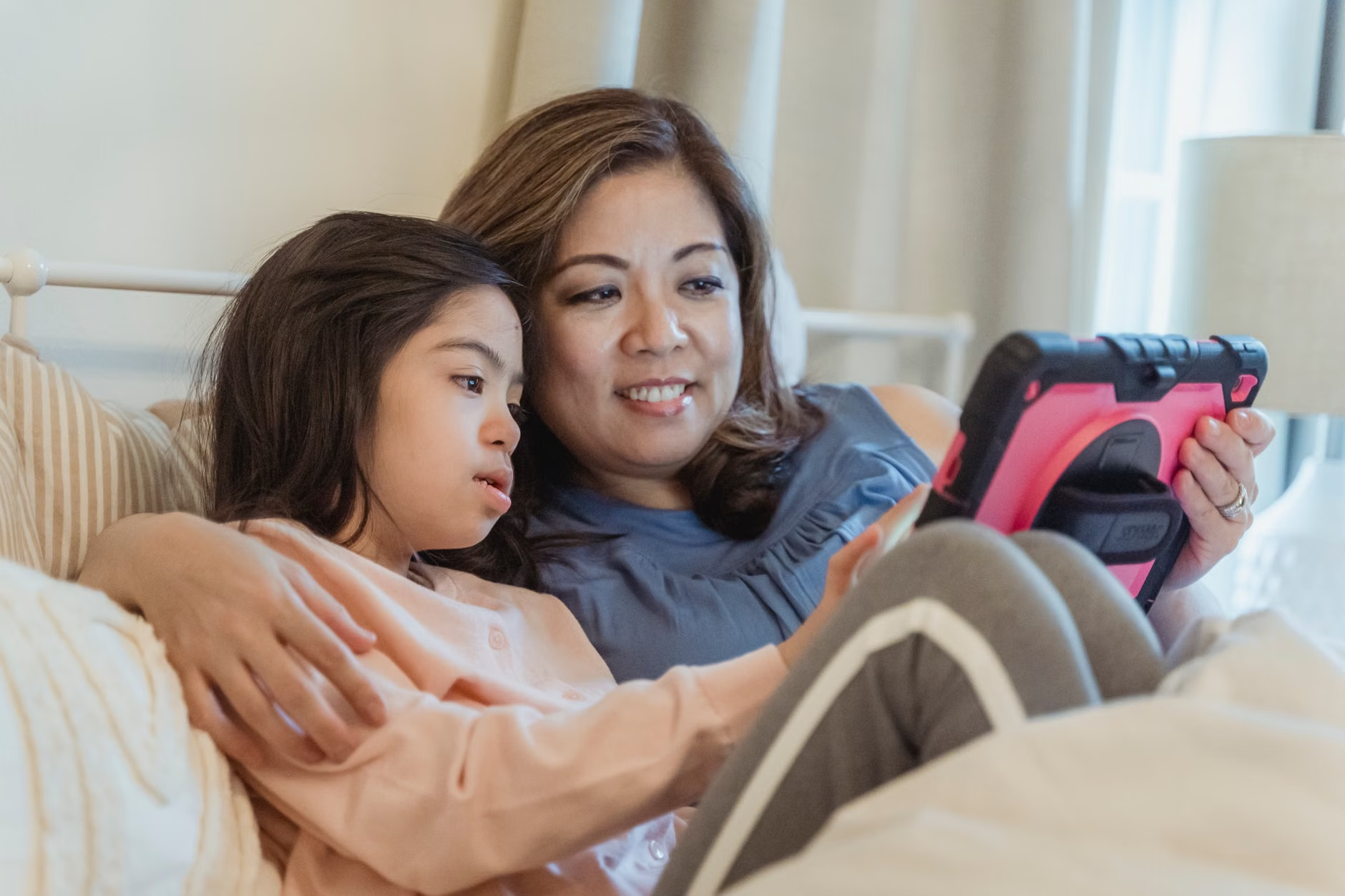
The Anatomy of a Sensory Overload: Why “Fun” Can Backfire
To plan a successful weekend, we first need to understand what is happening under the hood. Sensory Processing Disorder (SPD) or simply a high sensitivity to stimuli isn’t a behavioral issue; it is a neurological one. When a child is overstimulated, their brain is struggling to filter out the “background noise” of the world—the hum of the refrigerator, the flickering lights of a shopping mall, or the unpredictable movement of a crowd.
For a child with sensory sensitivities, these inputs aren’t background noise; they are aggressive interruptions. When the brain hits its threshold, the “fight or flight” response kicks in. This manifests as the classic meltdown, withdrawal, or sudden, uncharacteristic aggression. For us as parents, this is the point where the itinerary falls apart. The goal of this article is to move from reactive parenting—trying to calm a child after the explosion—to proactive architectural planning.
We need to look at three primary variables: Intensity, Duration, and Predictability. A high-intensity environment (like a trampoline park) can be managed if the duration is short and the activity is predictable. However, if you combine high intensity, long duration, and zero predictability (like a surprise trip to a crowded festival), you are almost guaranteed a meltdown. Your weekend planning should aim to manipulate these variables to keep your child in their “window of tolerance.”
Step-by-Step: Building Your Sensory-Friendly Itinerary
Planning for a sensory-sensitive child is remarkably similar to project management. You need a buffer, a contingency plan, and an exit strategy. Here is how you structure a Saturday or Sunday to ensure the whole family stays regulated.
1. The “Golden Hour” Morning Strategy
Always prioritize the first two hours after a venue opens. Most museums, parks, and attractions are quietest at opening time. This is when the staff is fresh, the floors are clean (less visual clutter), and the crowds are at their thinnest. By arriving at 10:00 AM instead of 2:00 PM, you bypass the “peak sensory” window.
2. The Transition Buffer
The most dangerous time for a sensory-sensitive child is the transition—moving from the car to the venue, or from the venue to the restaurant. These transitions are full of “micro-stimuli”: changing light levels, new smells, and shifting sounds. Always add a 15-minute “buffer zone” between activities. Use this time for a “sensory reset”—a quick snack in the car, or a moment of quiet listening to a familiar podcast or calming music.
3. Implementing the 1:1 Ratio Rule
If you have planned a 60-minute visit to a high-stimulation environment, you must follow it with a 60-minute “low-sensory” activity. This could be a quiet walk in a wooded area, a visit to a library reading corner, or simply returning home to a dim room with a weighted blanket. This ratio isn’t just a suggestion; it is the mathematical requirement for nervous system maintenance.
| Activity Type | Sensory Load | Recovery Required |
|---|---|---|
| Indoor Trampoline Park | Very High | 90-120 Minutes |
| Quiet Public Park | Low to Moderate | 30 Minutes |
| Crowded Street Market | Extreme | 180+ Minutes |
The table above illustrates the relationship between activity type and recovery. Use this to balance your weekend. If you must do an extreme-load activity, plan for it to be the only major event of the day.
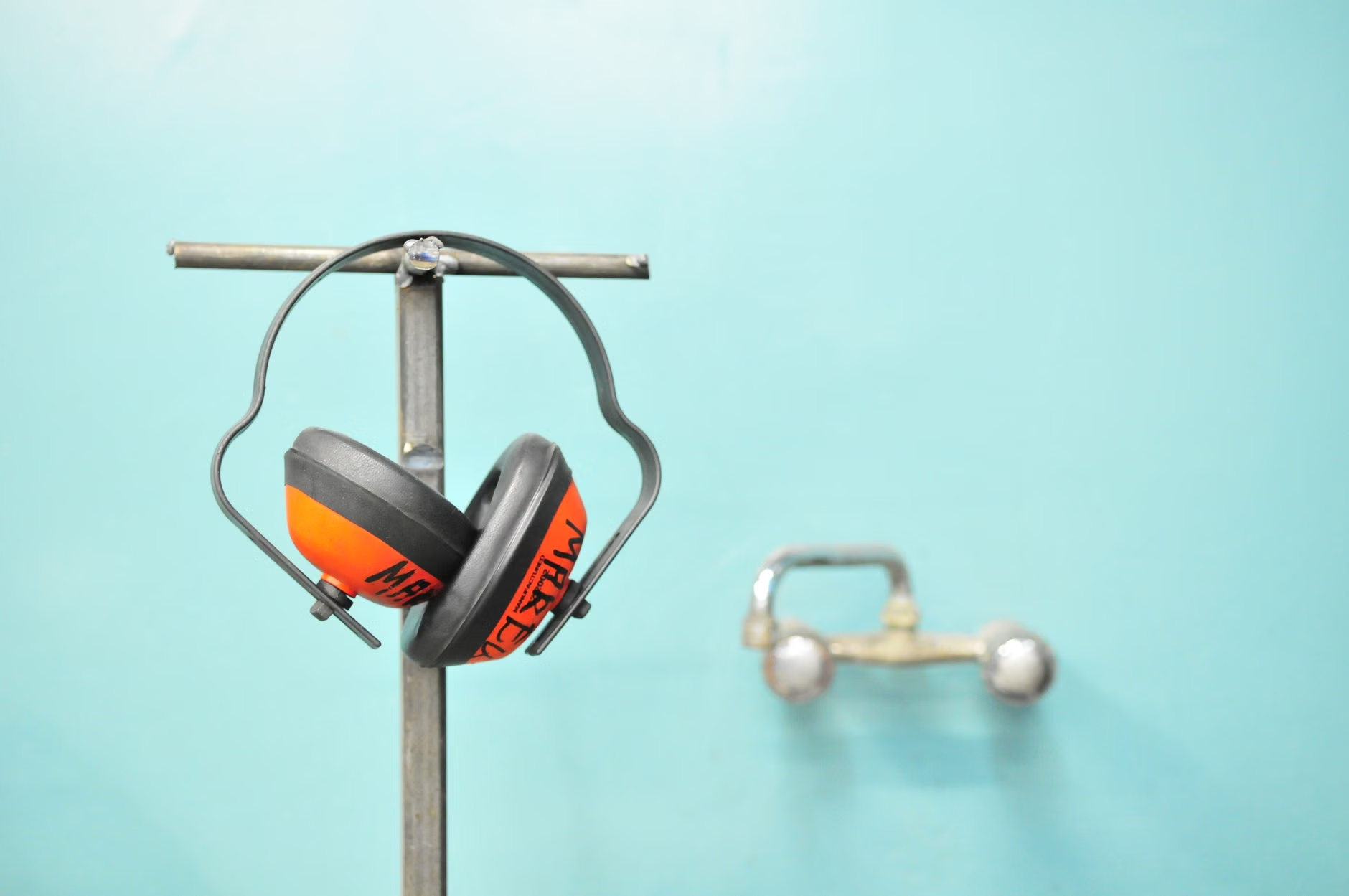
Tools of the Trade: Your Sensory Go-Bag
You wouldn’t go on a hike without water; don’t go out with a sensory-sensitive child without your “Sensory Go-Bag.” This is a dedicated kit that stays in your car or backpack, ready to be deployed the moment you notice the “pre-meltdown” signs—pacing, covering ears, or sudden irritability.
- Noise-Canceling Headphones: These are non-negotiable. Whether they are passive (earmuffs) or active (electronic noise-canceling), they provide an immediate barrier against auditory chaos.
- The Weighted Anchor: A small, weighted lap pad or a heavy stuffed animal. Deep pressure input helps reorganize the nervous system when a child feels “flooded.”
- Predictable Snacks: Avoid new foods during outings. Stick to “safe” snacks—crunchy or chewy foods can provide proprioceptive input (jaw pressure) that helps ground the child.
- Visual Timer: A simple analog visual timer can help a child understand exactly how much time is left in a situation. The visual representation of “time passing” is far less abstract and anxiety-inducing than a parent saying, “five more minutes.”
Common Pitfalls: Why Even the Best Plans Fail
Even with a perfect itinerary, you will face hiccups. Here are the most common mistakes I see parents make, and how to avoid them.
The “Pushing Through” Trap
The most common mistake is thinking, “We are already here, we paid for the tickets, let’s just finish the tour.” This is a sunk-cost fallacy. If your child is showing signs of distress, the educational or recreational value of the activity has dropped to zero. The cost of “pushing through” is a potential multi-hour meltdown that ruins the rest of your day. The ability to leave early is the ultimate sign of a successful parent.
Ignoring the Environment’s “Hidden” Stimuli
We often focus on noise, but visual and olfactory stimuli are just as potent. A museum might be quiet, but if it has strobe lights or intense fluorescent flickering, it will still trigger an overload. Before visiting a new place, look at their website or search for user-uploaded videos on platforms like YouTube to see the lighting and layout. If you can’t find a video, call the venue and ask: “Is the facility brightly lit with fluorescents, or is there natural lighting?”
Over-Scheduling Transitions
Avoid the “stacking” error. A common mistake is planning a morning at the zoo, followed by a lunch at a busy cafe, followed by a trip to the grocery store. Even for neurotypical children, this is a lot. For a sensory-sensitive child, this is a recipe for disaster. Limit yourself to one primary outing per day. The rest of the time should be low-demand, low-stimulation home time.
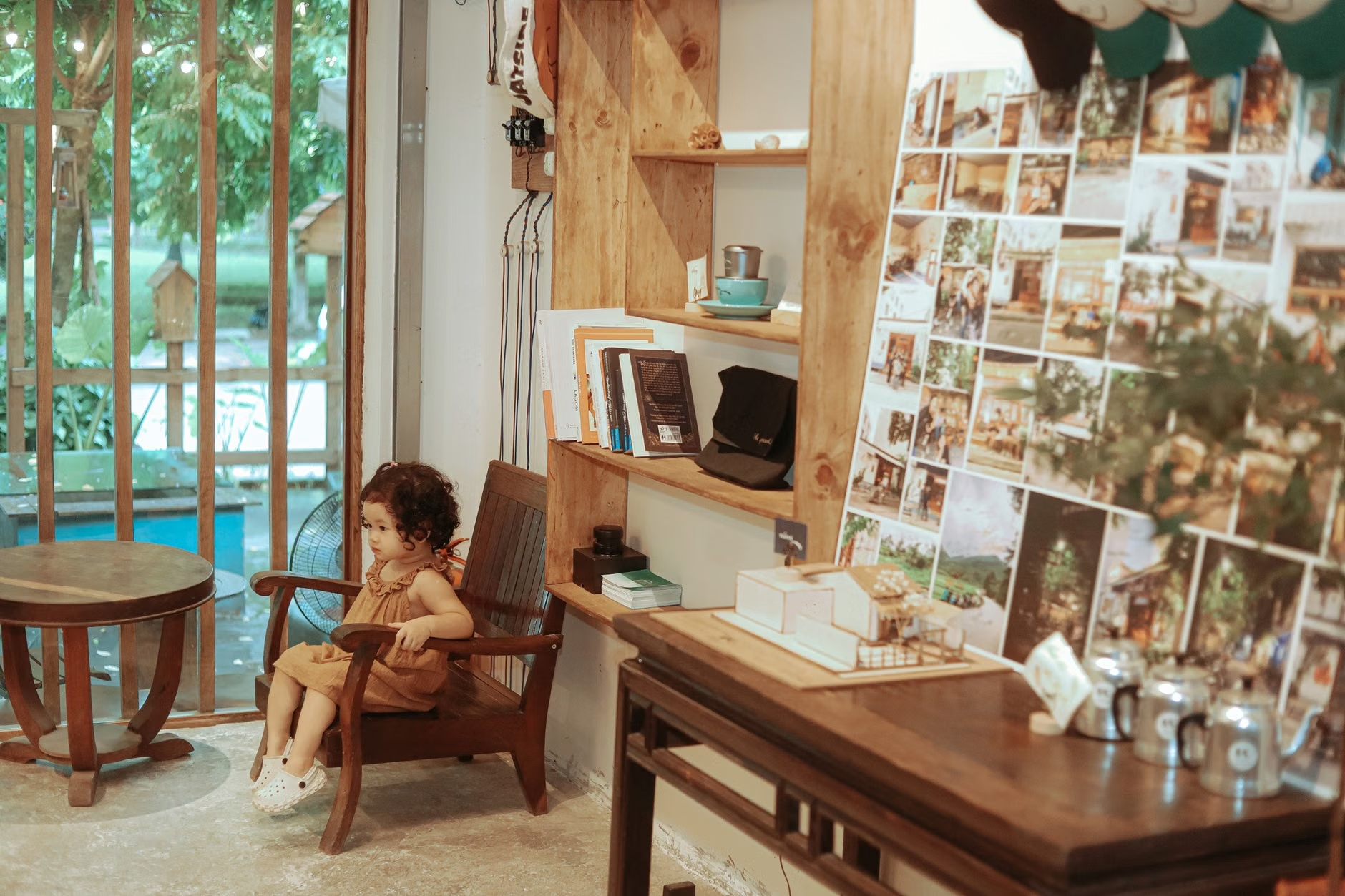
Leveraging Technology for Pre-Visit Scouting
We live in an age where you can virtually walk through a space before you ever leave your couch. Use this to your advantage. Google Maps’ “Popular Times” feature is your best friend. It shows you the historical data of how crowded a venue is at any given hour. If you see a massive spike on Saturday at 2:00 PM, that is your signal to avoid that time slot entirely.
Additionally, many large institutions (like the Smithsonian in the US or the Tate in the UK) now offer “Sensory Maps.” These are PDFs available on their websites that highlight quiet zones, areas with high-intensity lighting, and restrooms that are less likely to be busy. Search for “[Venue Name] + Sensory Map” before you book anything. If a venue doesn’t have one, it’s a good sign that they may not be prepared for sensory-sensitive visitors, and you might want to look for an alternative.
The Role of the Parent: Managing Your Own Nervous System
There is an often-overlooked variable in sensory-friendly parenting: co-regulation. If you are anxious about the potential for a meltdown, your child will pick up on that cortisol spike. Your breathing, your pace, and your tone of voice act as a thermostat for the situation.
If you find yourself getting frustrated, take a “parent time-out.” It is perfectly acceptable to say, “I need a moment to breathe,” and step away for 30 seconds. Your goal is to be the calm, predictable anchor. If you are stressed, the environment feels even less safe to your child. Practice “low-arousal” communication: speak in a lower, slower tone, and use fewer words. When a child is nearing overload, their ability to process complex language drops significantly. Keep instructions simple and direct.
Refining Your Approach: A Long-Term View
As your child grows, their sensory needs will evolve. What worked at age five might not work at age ten. Treat your weekend planning as an iterative process. Keep a simple note on your phone. After each outing, jot down two things: what triggered the stress, and what helped the child recover. Over a few months, you will develop a “Sensory Profile” for your child that is more accurate than any clinical assessment.
Maybe you find that your child is fine with noise, but hates the smell of certain cleaning products. Maybe they love the visual stimulation of a planetarium but panic in small, enclosed spaces. By tracking these patterns, you stop guessing and start anticipating. This shift from “guessing” to “knowing” is what separates a chaotic weekend from a successful one.
Remember that the goal is not to “fix” your child’s sensory system. The goal is to create a lifestyle where they can engage with the world in a way that respects their neurological boundaries. It’s about building a life that feels safe enough for them to explore, grow, and eventually, learn to advocate for their own needs. When they eventually learn to say, “It’s too loud here, can we go to the quiet room?”, you will have succeeded in the most important part of your job.
Frequently Asked Questions
How do I know if my child is just being “difficult” or if they are truly experiencing sensory overload?
The key difference is the “recovery curve.” A child who is being “difficult” or testing boundaries can usually be redirected with a clear consequence or a shift in focus. A child in sensory overload has lost the ability to process logic or social cues. Their reaction is involuntary. If the behavior is accompanied by physical signs like dilated pupils, rigid posture, or sudden, inexplicable crying, it is likely sensory overload, not a behavioral choice.
Is it better to avoid all high-stimulation environments entirely?
Not necessarily. Avoiding the world entirely can lead to increased anxiety and a lack of exposure to necessary life skills. The goal is “graded exposure.” Start with high-stimulation environments during their quietest hours (e.g., right at opening). Build the child’s tolerance slowly, always ensuring they have an “escape hatch”—a way to leave or find a quiet space immediately if they need it.
What should I do if a meltdown happens in a public place?
First, ignore the onlookers. Their opinions are irrelevant to your child’s safety and regulation. Move to the quietest area you can find—a restroom, a corner, or even just behind a large display. Use the “low-arousal” approach: stay calm, limit your talking, and focus on providing deep pressure (a tight hug or a weighted object). Once the child is regulated, leave the venue. Do not try to “finish” the activity. The priority is to get them back to their baseline.
For further reading on creating inclusive environments, you may find the resources provided by the National Autistic Society or the STAR Institute for Sensory Processing Disorder to be useful starting points for understanding the science of sensory integration.