- Prioritize Low-Stimulation Environments: Unlike traditional tourist hotspots, ‘Quiet-Tourism’ focuses on sensory regulation, which is essential for parents experiencing decision fatigue.
- Geography Matters: Suburban nature reserves are often under-utilized; visiting these during weekday off-peak hours (Tuesday–Thursday) increases your chances of true solitude by up to 60%.
- Plan for Minimal Friction: Success in these trips depends on ‘prepared spontaneity’—keep a pre-packed ‘nature bag’ to reduce the mental load of planning before you leave.
If you are in your 30s or 40s, you likely know the specific brand of exhaustion that comes from constant background noise: the ping of work notifications, the relentless schedule of school runs, and the mental load of managing a household. Quiet-Tourism isn’t just a buzzword; it is a deliberate shift toward visiting low-impact, suburban nature reserves to trade sensory overload for cognitive restoration. By choosing quiet spaces over crowded tourist destinations, you are not just taking a walk—you are actively managing your cortisol levels.
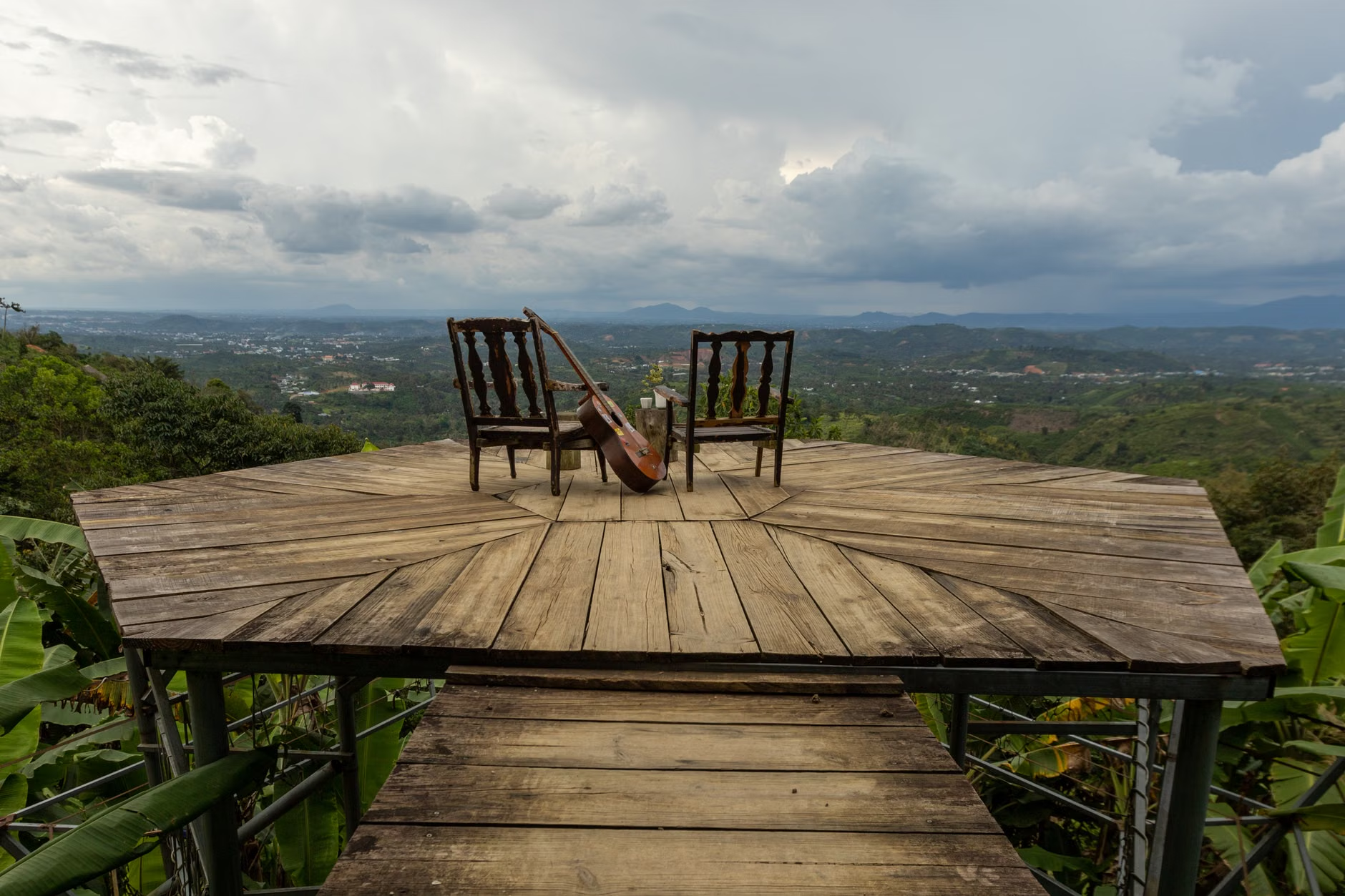
The Mechanics of Why Quiet-Tourism Actually Works
When we talk about ‘Quiet-Tourism,’ we aren’t talking about meditation retreats in the Himalayas. We are talking about the 50-hectare nature reserve twenty minutes from your suburb that you usually drive past on your way to the grocery store. From a psychological perspective, this is about ‘Attention Restoration Theory’ (ART). Developed by psychologists Rachel and Stephen Kaplan, this theory suggests that urban environments drain our cognitive resources, while nature environments allow them to replenish.
For parents, this is critical. You are constantly in a state of ‘directed attention’—focusing on your child’s needs, your work deadlines, and the logistics of the home. This leads to what is often called ‘cognitive fatigue.’ When you enter a suburban nature reserve, the complexity of the visual and auditory environment drops. You aren’t processing traffic, advertisements, or social interactions. Your brain shifts into ‘soft fascination,’ where you can observe patterns in leaves or the movement of water without high-level analytical input. This is the ‘reset’ button your nervous system is craving.
The Difference Between ‘Nature Tourism’ and ‘Quiet-Tourism’
Many families equate ‘nature’ with ‘adventure parks’ or ‘busy hiking trails.’ These are not the same as Quiet-Tourism. Adventure parks are high-stimulus environments. They are designed for engagement, noise, and constant movement. If you are already burnt out, a trip to a crowded national park on a Saturday morning might actually increase your stress levels due to the ‘crowding effect’—the need to navigate crowds, manage parking, and deal with loud groups.
Quiet-Tourism prioritizes the absence of human-made noise. It’s about selecting locations where the ambient noise is limited to natural elements like wind, birds, or rustling branches. The goal is to lower your ‘acoustic footprint.’ If you cannot hear a highway or a lawnmower, you are in a prime Quiet-Tourism zone.
How to Identify a ‘Quiet-Reserve’ Near You
Not every park is a Quiet-Reserve. You need to look for specific markers that indicate the site will support your need for silence and restoration. Most people make the mistake of looking at the size of the park. In reality, the shape and access points are more important.
| Feature | Why It Matters for Quiet-Tourism |
|---|---|
| Linear vs. Looped Trails | Linear trails allow you to walk deeper into the reserve, away from the main entrance/parking noise. |
| Buffer Zones | Look for reserves with thick tree lines or topography (hills/valleys) that act as sound barriers to nearby roads. |
| Off-Peak Scheduling | Visiting Tuesday to Thursday mornings ensures you encounter fewer people, reducing social ‘masking’ behaviors. |
To find these, use satellite view on map apps. Look for large, continuous green patches that are not immediately adjacent to major arterial roads or shopping centers. If you see a large paved parking lot near the center, that area is likely a high-traffic zone. Look for smaller, secondary access points—often just a small gate or a dirt path—that lead into the deeper sections of the reserve.
The ‘Prepared Spontaneity’ Framework for Parents
One of the biggest barriers to Quiet-Tourism for parents is the ‘planning tax.’ If you have to spend two hours preparing for a two-hour walk, the stress of the preparation outweighs the benefit of the walk. The solution is to move away from ‘planning’ and toward ‘prepared spontaneity.’
Create a ‘Nature Go-Bag’ that stays in your car or by the door. It should contain:
- A basic first-aid kit (blister pads, antiseptic wipes).
- A physical map (or a downloaded offline map). Digital maps are fine, but in true Quiet-Tourism, you want to minimize screen time.
- A thermos with a warm or cold drink (depending on the season).
- A lightweight, foldable seating pad for damp ground.
By having this bag ready, the barrier to entry becomes simply grabbing your shoes and walking out the door. You aren’t ‘going on an expedition’; you are ‘taking a 45-minute reset.’ This shift in language is essential. It removes the pressure to ‘make the most’ of the trip, which is a common trap for parents who feel they must maximize every weekend outing with their children.
Addressing Common Misconceptions About Quiet-Tourism
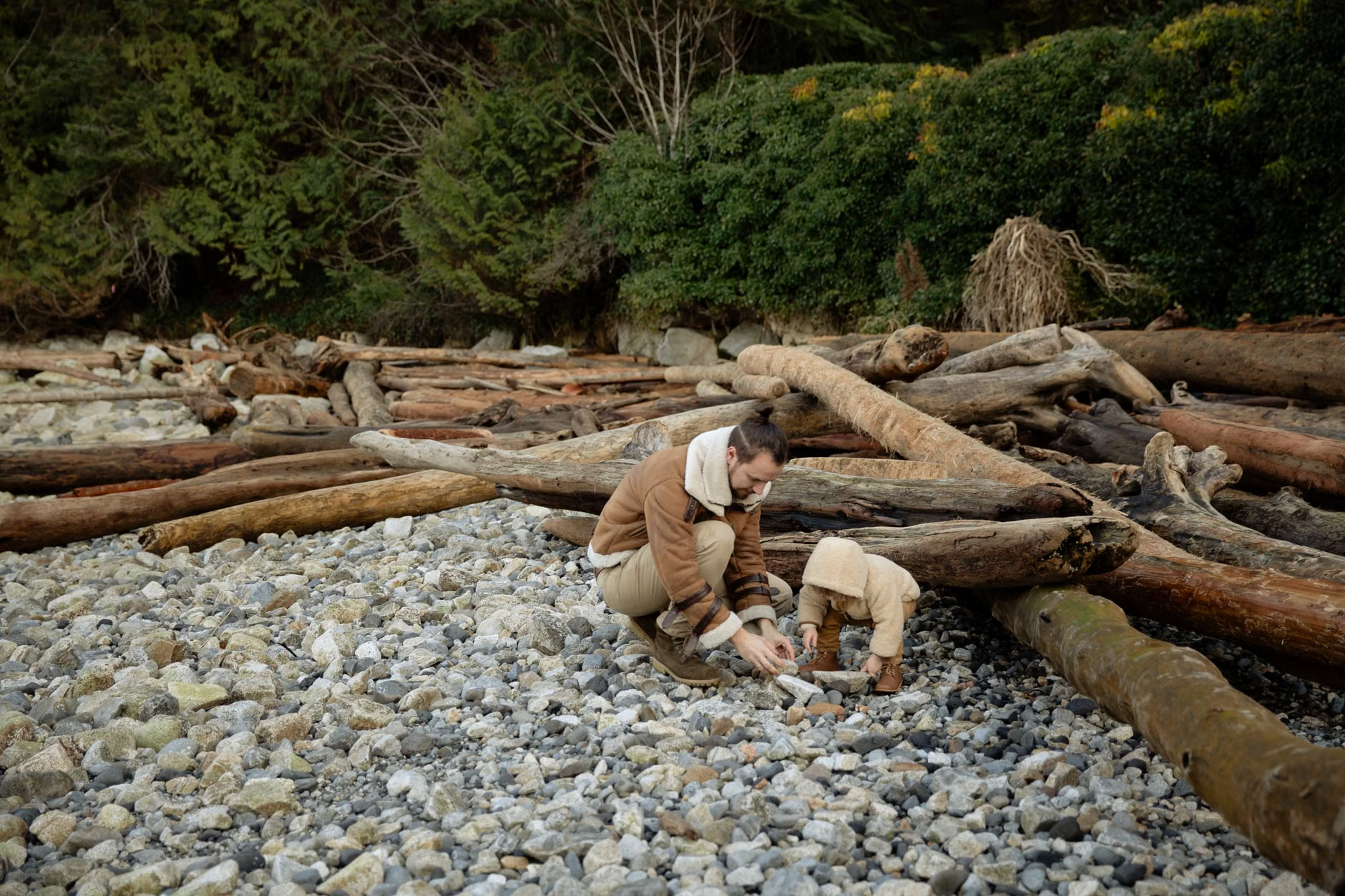
A common mistake is thinking that Quiet-Tourism must be done solo. While solo trips are the gold standard for deep restoration, you can practice Quiet-Tourism with children, provided you adjust your expectations. This is not about ‘hiking for fitness’; it is about ‘slow-nature observation.’
If you take your children, the objective is to teach them the value of silence. This can be framed as a game: ‘Who can spot the most birds without talking?’ or ‘Let’s find a place where we can sit and listen to the wind.’ This turns the outing into a shared, mindful activity rather than a chaotic romp through the woods. However, be realistic: if your children are very young, their ‘quiet’ threshold will be much lower. In these cases, consider alternating: one parent takes the kids, while the other takes a 30-minute solo ‘quiet walk’ in the vicinity.
Another misconception is that you need ‘wilderness’ to experience this. You don’t. A 10-acre local woodlot is perfectly sufficient if the goal is sensory regulation. The quality of the experience is defined by your internal state and the ambient noise levels, not by the majesty of the scenery.
As this trend grows, so does the risk of overcrowding in these small reserves. To keep these areas ‘quiet,’ we must be good stewards of the space. This means adhering strictly to ‘Leave No Trace’ principles. But for Quiet-Tourism specifically, there is an added layer: the ‘Human-Noise’ etiquette.
When you encounter others in a quiet-designated area, use a low voice. Avoid playing music on speakers—this is the single most disruptive act in a nature reserve. If you are with a group, keep your conversation focused and volume-controlled. By modeling this behavior, you contribute to the overall atmosphere of the reserve, making it a better experience for everyone else seeking the same peace.
Practical Steps to Begin Your Quiet-Tourism Journey
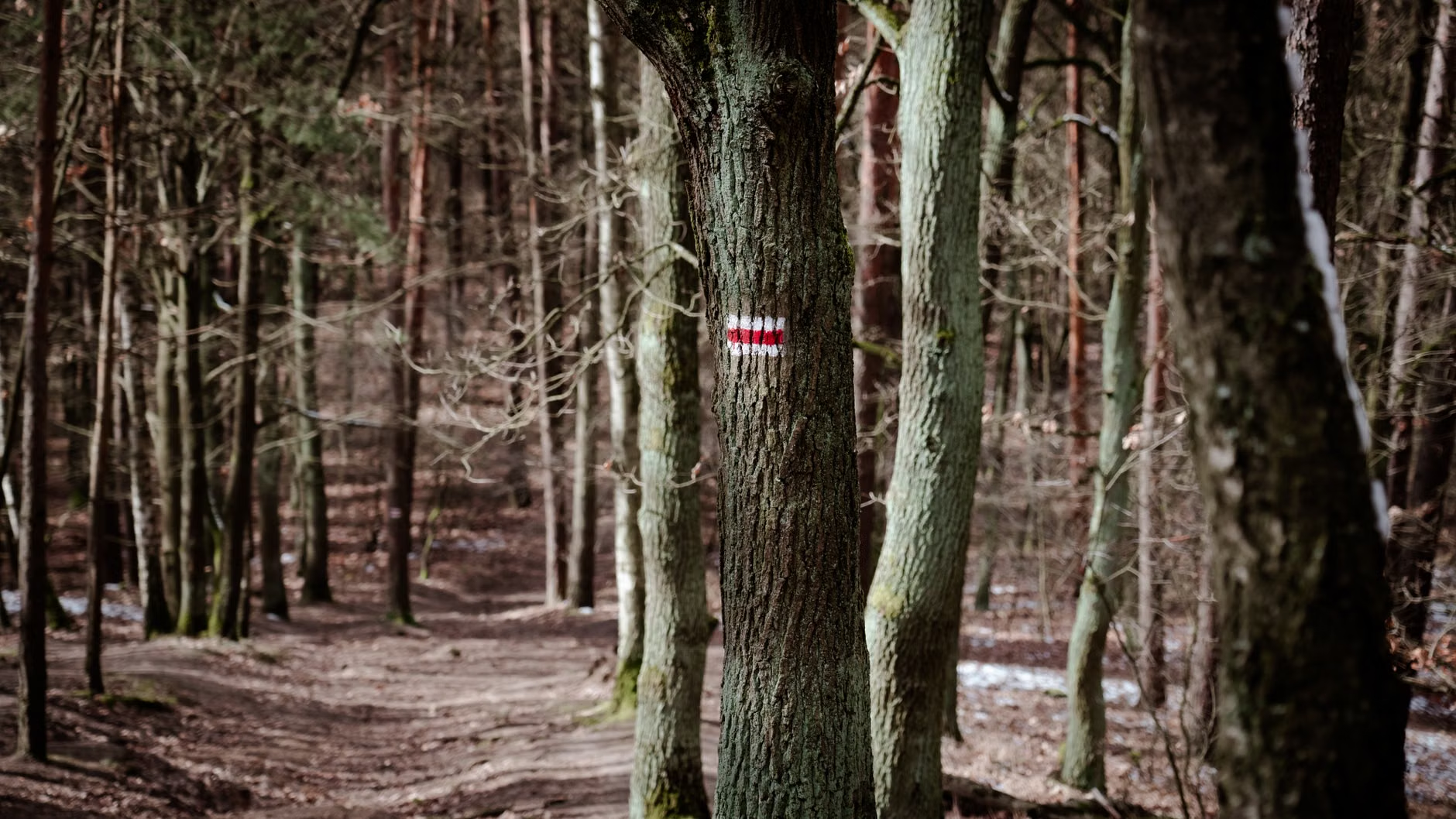
Start small. Do not attempt a full-day hike. Your first goal should be a 30-minute ‘sensory walk.’ Here is your step-by-step guide to your first outing:
- Scout the Location: Use Google Maps to find a reserve within a 15-minute drive. Check the ‘Popular Times’ graph on the Google Maps listing. Avoid any bars that are high.
- The 5-Minute Rule: Once you arrive, walk for at least five minutes away from the parking area. The noise of the car park usually dissipates within the first 300 meters.
- The Sensory Check-in: Stop. Close your eyes. Spend two minutes identifying three things you hear that are not human-made. This is your ‘anchor’ for the walk.
- The ‘No-Destination’ Walk: Walk without a specific endpoint in mind. If you feel drawn to a specific bench or tree, go there and sit. If you feel like turning back after 20 minutes, turn back. There is no ‘completing’ the trail.
- Post-Walk Reflection: Before you get back in the car, spend one minute noting how your ‘mental noise’ level has changed. This reinforces the value of the practice.
The Hidden Costs and Trade-offs
It is important to address the reality of safety. Quiet-Tourism often implies being away from crowds, which means you might be in more isolated areas. Always ensure someone knows where you are going and when you expect to be back. Use a ‘check-in’ system: text a partner or friend when you arrive and when you leave. In many regions, mobile coverage in deep wooded areas is non-existent. A physical map or a downloaded offline area is not just a preference; it is a safety requirement.
Also, acknowledge the ‘weather trade-off.’ Quiet-Tourism is best during off-peak times, which often includes early mornings or slightly cooler, overcast days. You will need to invest in decent, comfortable, and weather-appropriate clothing. If you are cold or wet, you will not be able to achieve the ‘soft fascination’ state required for mental restoration. Think of this as an investment in your ‘uniform’ for peace.
Why This Matters More Than Ever
We are living in an era of ‘continuous partial attention.’ By carving out space for Quiet-Tourism, you are essentially reclaiming your right to be unreachable and un-stimulated. This is not a luxury; it is a necessary maintenance routine for a healthy brain. When you return from a 45-minute walk in a quiet reserve, you are not just ‘refreshed’; you are more capable of handling the inevitable stresses of parenting because your baseline cognitive load has been lowered.
If you find yourself feeling guilty about taking this time, remind yourself: you cannot pour from an empty cup. The best gift you can give your family is a parent who is not operating on the edge of burnout. A quiet walk in a suburban reserve is a high-yield, low-cost investment in your own mental health, which pays dividends in your daily interactions with your children and your work.
Start with one 30-minute session this week. Don’t overthink it. Just find the nearest patch of green, leave the phone in your pocket, and walk.
Frequently Asked Questions
Q: I live in a very dense urban area with no ‘nature reserves.’ Can I still practice Quiet-Tourism?
A: Yes, look for ‘pocket parks’ or botanical gardens that have early morning hours. Even a small, well-maintained garden can provide a degree of sensory relief if you visit when it is empty. Focus on finding ‘micro-quiet’—a specific corner or bench—rather than a full trail.
Q: How do I handle the ‘mom/dad guilt’ of taking time for myself?
A: Reframe the activity. Instead of ‘me-time,’ call it ’emotional maintenance.’ Just as you would take your car for a service to keep it running, you are taking your brain for a service. It is a functional requirement for your role as a parent, not a selfish indulgence.
Q: Is there a specific time of year that is better for Quiet-Tourism?
A: This depends on your local climate, but generally, the ‘shoulder seasons’ (spring and autumn) are the best. They offer the most interesting sensory changes—budding leaves or changing colors—which help with the ‘soft fascination’ effect. However, winter walks can be the quietest of all, as fewer people are out, providing the ultimate environment for solitude.
For further reading on the psychological benefits of nature, you can consult the research provided by the American Psychological Association on the impact of nature on mental health. Additionally, local government websites (such as nps.gov for those in the US) often have databases of ‘lesser-known’ trails that are perfect for this practice.