The secret to a successful heritage-rail coastal journey isn’t the destination itself, but the deliberate choice of “slow travel” segments that allow for spontaneous exploration without the frantic pace of modern transit. By prioritizing routes that combine historical significance with coastal accessibility, you can transform a simple transit day into the highlight of your family vacation.
- Prioritize “Station-to-Sea” Connectivity: Choose routes where the rail station is within walking distance of the coast to minimize the need for car rentals or complex local transfers.
- The “Two-Hour Rule”: For families with children, limit continuous rail segments to two hours to prevent burnout, using longer journeys as an excuse for an overnight stop in a coastal village.
- Book “Flex-Tickets” for Peak Seasons: Heritage lines often operate on limited capacity; securing flexible, refundable tickets 60 days in advance is the only way to ensure group seating together.
Why Heritage Railing Beats Conventional Road Trips
If you are in your 30s or 40s, you probably remember the “classic” family road trip: hours of staring at the back of a headrest, navigating traffic jams, and the perpetual stress of finding parking in crowded coastal towns. Heritage rail changes this dynamic entirely. These routes are usually preserved for their aesthetic and historical value, meaning they bypass the industrial highways and dive straight into the heart of the landscape.
When you choose a heritage route, you aren’t just moving from Point A to Point B. You are engaging in a curated experience. Most coastal heritage lines were built in the late 19th or early 20th century to connect small fishing villages to larger trade hubs. Today, they offer a window into a slower era, where the journey itself is the attraction. For a parent, this means the environment is inherently more forgiving—kids can move around, look out of larger windows, and you don’t have to keep your eyes glued to the asphalt.
However, “heritage” doesn’t mean “outdated.” Most of these lines now incorporate modern ticketing systems, high-quality onboard refreshments, and, crucially, climate control. The trade-off is frequency. Unlike a standard commuter train, a heritage line might only run four times a day. This requires a shift in mindset: you are no longer a commuter; you are a traveler. If you miss a train, it is not a disaster; it is an unplanned afternoon in a seaside café.
Mapping Your Route: The Decision Matrix
Not all coastal lines are created equal. When planning, you need to categorize your route based on your family’s specific needs. Are you looking for high-drama cliffs, or are you looking for easy beach access for toddlers? Use this decision matrix to narrow down your options before you even look at a booking site.
| Route Type | Best For | Logistical Difficulty | Key Consideration |
|---|---|---|---|
| Cliff-Hugging Express | Photographers, older children (10+) | Medium | Check for motion sickness triggers. |
| Village-Hopper | Families with toddlers/strollers | Low | Frequent stops mean more gear handling. |
| Nature-Reserve Line | Hiking families, bird watchers | High | Requires pre-booked local taxi transfers. |
If you choose a “Village-Hopper,” your focus should be on luggage management. Heritage stations often lack elevators or ramps, so packing light is not just a suggestion—it is a necessity. If you are traveling with a stroller, verify the platform accessibility for every stop on your route. Many historic stations have “gap” issues where the platform is significantly lower than the train car, making a simple boarding process a two-person job.
The Logistics of “Slow Travel” with Kids
The biggest mistake parents make on heritage rail is over-scheduling. Because these trains move slower than modern regional rails, your “travel time” will naturally inflate. You must account for this in your daily itinerary. If a route takes three hours, treat it as a four-hour block to include time for boarding and finding your seats.

Packing for the Rail, Not the Road: Unlike your car, where you can stash extra gear in the trunk, your space on a heritage train is strictly limited to what you can carry. Use a “day-pack” strategy. Your primary luggage should be checked or stored at your hotel, while your rail bag contains only what you need for that specific leg: high-protein snacks, noise-canceling headphones, a tablet with pre-downloaded content (Wi-Fi is notoriously unreliable on historic lines), and a physical map.
The “Seat-Selection” Strategy: Many heritage lines offer unassigned seating, which creates a “mad dash” at the platform. To avoid this, look for “Premium” or “Observation” car upgrades. While they cost 20–30% more, they guarantee assigned seating and often include a dedicated attendant. For a family of four, the extra $50–$100 is often the difference between a relaxing trip and a stressful one.
Managing Expectations and Unexpected Delays
Heritage rail lines are often maintained by historical societies or private trusts. They are not beholden to the same “on-time” metrics as national rail operators. A mechanical issue with a 70-year-old engine can result in a 45-minute delay. If you are on a tight schedule, this will ruin your day. If you adopt a “wait-and-see” attitude, it becomes a quirky part of the adventure.
The Golden Rule of Buffers: Never book a connection to a flight or a pre-paid activity that starts within three hours of your train’s scheduled arrival time. Always treat your arrival time as “flexible.” If you find yourself with an extra hour in a small station, use it to explore the immediate vicinity. Most heritage stations are situated in the “Old Town” section of a city, which is usually the most walkable and scenic part.
Avoiding the “Tourist Trap” Fatigue: Many heritage lines stop at the same three or four “famous” spots. If you want a more authentic experience, research the “intermediate” stops. These are the smaller, less-visited stations where the train stops briefly. Often, a 15-minute walk from these smaller stations leads to hidden coves or local parks that aren’t featured in the brochures. This is where you find the local flavor, the quieter beaches, and the authentic bakeries that haven’t been priced for tourists.
Technology for the Modern Rail Traveler
You don’t need to be a tech expert, but you do need to be prepared. Before leaving, download the offline version of the local rail network map via Google Maps or a dedicated rail app. Many heritage lines run through areas with poor cellular reception, making real-time navigation difficult.
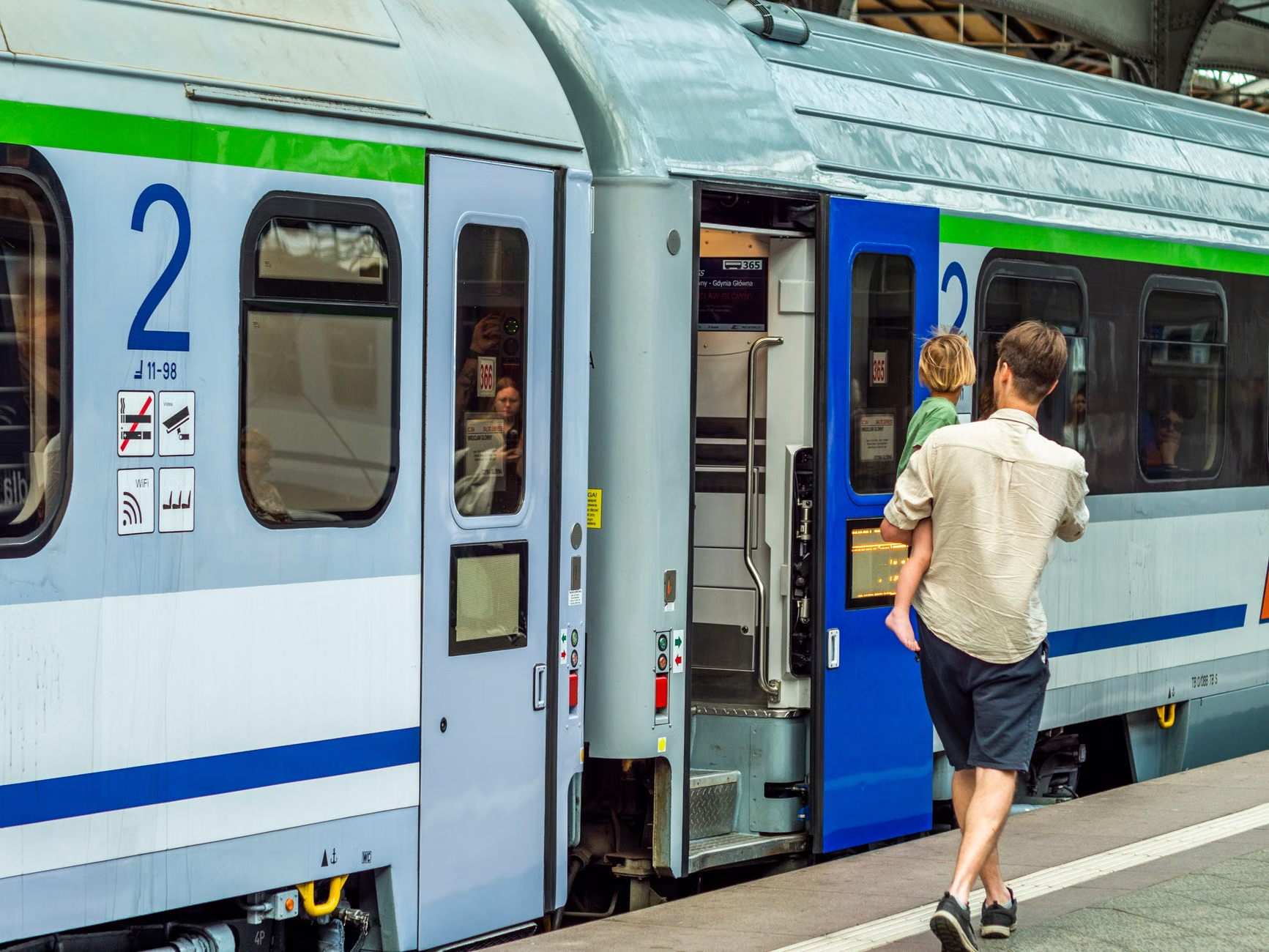
The Power Bank Requirement: Heritage trains rarely have charging ports at every seat. Assume your devices will be dead by the end of the trip. A high-capacity power bank (20,000mAh) is essential for a family of four. Keep it in your “day-pack” and ensure it is fully charged the night before. Don’t rely on the train’s onboard power, as it is often incompatible with modern universal chargers.
Digital Ticket Readiness: While many heritage lines are modernizing, some still require paper tickets. Always check the confirmation email. If the ticket is digital, take a screenshot of the QR code. Don’t rely on opening the app or the website at the gate, as you might lose signal right when the conductor arrives. A simple screenshot saved in your photos is the most reliable “offline” ticket.
Safety and Comfort Considerations
When traveling with children, the physical environment of a vintage carriage presents unique challenges. These carriages often have sharper corners, heavier doors, and more “mechanical” elements than modern trains. Keep a close eye on hands near the heavy sliding doors and the gaps between seats.
Motion Sickness: Heritage trains often have a different “sway” than modern high-speed trains. If your children are prone to motion sickness, avoid sitting in the very front or very back carriages, where the swaying motion is most pronounced. Sit in the center of the train, close to the bogies (the wheel assemblies), as this is the most stable part of the carriage.
Temperature Regulation: Vintage carriages can be drafty. Even if the forecast calls for a warm day, the sea breeze combined with the train’s movement can make the cars quite chilly. Dress in layers. A simple light jacket or a pashmina can make a one-hour trip much more comfortable for a sleeping child.
The Hidden Costs of “Scenic” Routes
It is easy to get caught up in the romance of the trip and ignore the budget. Heritage rail is a premium experience compared to standard public transport. You are paying for the maintenance of history. To keep costs in check, look for “family day passes” or “mid-week discounts.” Many operators offer significantly cheaper fares on Tuesdays and Wednesdays.
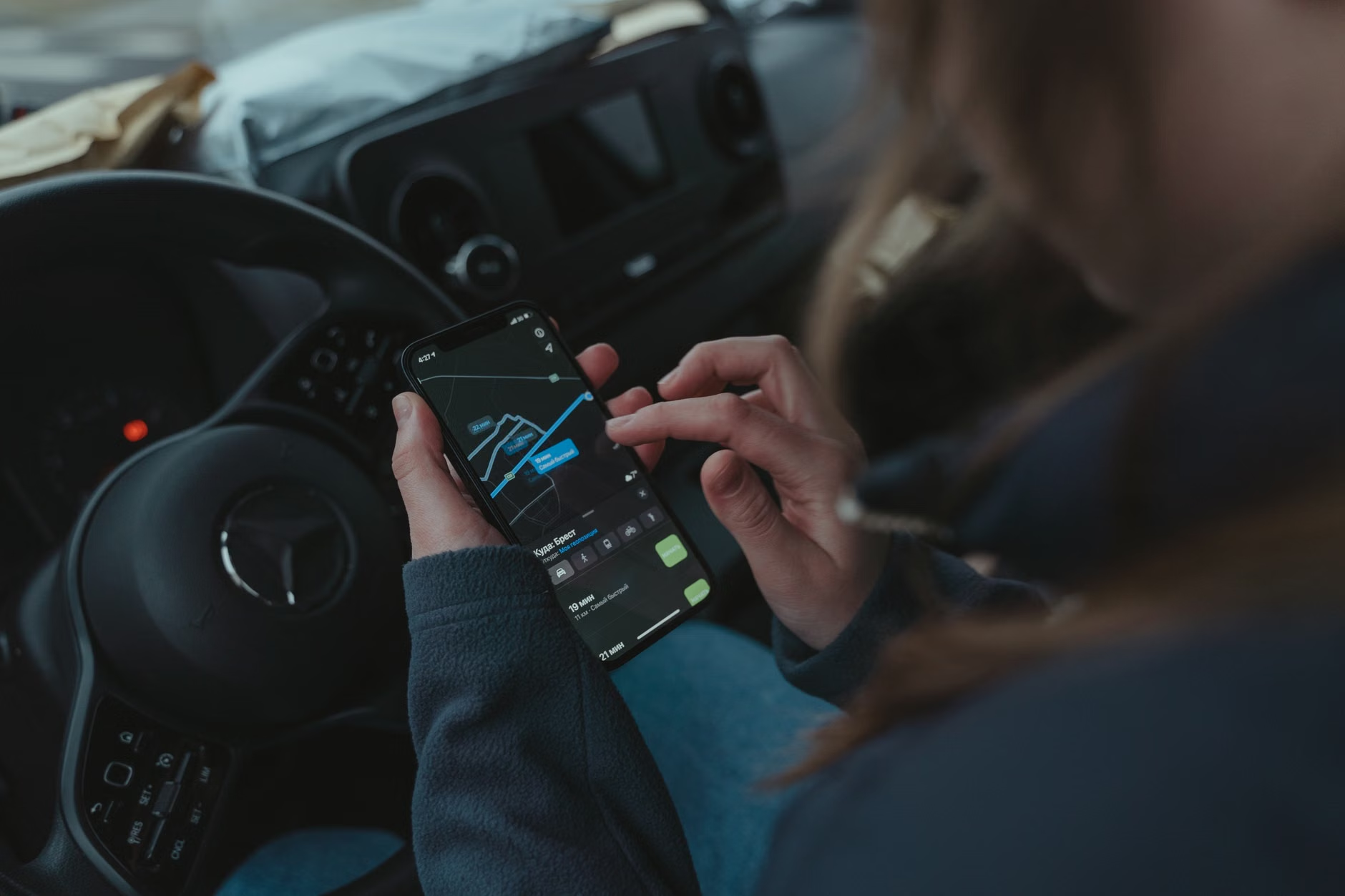
Another hidden cost is the “last-mile” problem. A heritage station might be beautiful, but it might also be two miles from your hotel. Before you book, check the local bus or taxi situation. Is there a reliable Uber/Lyft service, or are you at the mercy of a local taxi company that only takes cash? Knowing this in advance prevents a $50 “emergency” taxi ride because you couldn’t find a bus stop.
When to Pivot: Knowing When to Abandon the Plan
There will be times when the “heritage” aspect becomes a liability. If a heatwave is forecast and the vintage carriages lack adequate ventilation, or if a storm is hitting the coast and the train is moving at a crawl, don’t be afraid to pivot. Have a “Plan B” ready. This might mean having the contact info for a local car rental agency or a regional bus line that follows a more direct, inland route.
Being a successful family traveler in your 30s and 40s means knowing when to prioritize comfort over the “authentic” experience. If the kids are miserable, the heritage train will just be a memory of a bad day. If you have the flexibility to switch to a faster, more modern train, take it. The goal is to create memories, not to tick off a box on a “scenic rail” list.
Actionable Steps for Your Next Booking
To finalize your planning, follow this sequence to ensure you aren’t missing any critical variables:
- Select the Route: Choose a line that offers at least one “major” stop and two “minor” stops for flexibility.
- Check the Accessibility: Visit the operator’s website and look specifically for “Accessibility” or “Station Info.” If it isn’t listed, call or email them. Do not assume.
- Book the Seat: If assigned seating is an option, take it. If not, plan to arrive at the platform 30 minutes early.
- Verify the “Last Mile”: Check the distance from the arrival station to your accommodation. If it’s over 1km, pre-arrange a taxi or confirm the bus schedule.
- Pack the “Rail Kit”: Prep your day-pack with power, snacks, and offline entertainment.
Heritage rail is a wonderful way to see the world, but it requires a different kind of preparation than a standard flight or a rental car trip. By focusing on the logistics—accessibility, timing, and gear—you remove the friction that usually causes family travel stress. This allows you to actually look out the window, see the coastline, and enjoy the ride rather than worrying about the next connection. Take the time to plan the details now, and you’ll find the journey itself becomes the best part of your vacation.
Frequently Asked Questions
Q: Are heritage trains safe for toddlers and strollers?
A: Generally, yes, but with caveats. Most heritage lines allow strollers, but they often need to be folded before boarding. If your toddler needs a nap, consider a travel carrier instead of a bulky stroller, as it is much easier to navigate the narrow aisles and uneven platforms of historic stations.
Q: Should I book tickets online or at the station?
A: Always book online. Heritage lines often have limited capacity and sell out during weekends or holidays. Booking online also gives you a digital trail, which is much easier to manage if there is a delay or a scheduling change. Check the official website of the specific rail operator for the most accurate booking portal.
Q: What happens if the train is delayed or cancelled?
A: Heritage lines are often run by smaller organizations with fewer resources than national rail. If a cancellation occurs, ask the station staff immediately for “reciprocal travel” options (e.g., if another company runs a similar route) or for a refund voucher. Because of the risk of delays, always have a secondary transport option—like a local bus or taxi app—already loaded on your phone.
For further information on specific global rail lines, consult the International Union of Railways (UIC) for safety and network standards, or check the specific operator’s portal for your destination country’s heritage listings.