The secret to a successful multi-generational trip isn’t finding the cheapest flight; it’s implementing a Variable Cost Split model that accounts for differing energy levels, dietary needs, and privacy requirements across three generations.
Key Takeaways
- 1. The “Hub-and-Spoke” Lodging Strategy: Renting one central villa or a cluster of apartments is consistently 25-40% cheaper than booking multiple individual hotel rooms and provides essential communal space.
- 2. Adopt the “Opt-Out” Budgeting Rule: Pre-fund all communal costs (housing, transport) but keep activities and 40% of meals as individual expenses to prevent “budget resentment” between high-spending and low-spending family members.
- 3. The “Grandparent Premium” is Real: Budgeting an extra 15% for “convenience logistics”—such as direct transfers and elevator-access housing—prevents physical burnout for seniors and logistical meltdowns for parents.
Planning a trip with your kids is a challenge. Planning a trip with your kids and your parents? That is a geopolitical negotiation masquerading as a vacation. I’ve seen enough “dream vacations” dissolve into passive-aggressive debates over a $40 dinner check to know that the traditional way of budgeting—splitting everything down the middle—is a recipe for disaster. When you’re in your 30s or 40s, you are the “sandwich generation” manager. You are the CFO of this expedition, and your job is to ensure that the 70-year-old’s need for comfort doesn’t bankrupt the 35-year-old’s mortgage fund, all while the 7-year-old just wants a souvenir plushie.
The “Travel-Budget Optimizer” isn’t just a spreadsheet; it’s a framework for managing expectations. We are looking at how to maximize “Joy-per-Dollar” while minimizing “Friction-per-Mile.” Let’s break down how to build a budget that actually holds up when the reality of three generations hits the pavement.

The “Variable Cost Split” Framework: Moving Beyond 50/50
The biggest mistake families make is the “Even Split.” It sounds fair, but it’s mathematically and socially flawed. Your parents might have a higher disposable income but lower physical stamina. You have a mid-range income and high logistical needs. Your kids have zero income and infinite demands for snacks. If you split a luxury villa 50/50, the younger generation might feel the pinch, while the older generation might feel they are subsidizing a playroom they don’t use.
Instead, use the Proportional Value Method. This breaks costs into three distinct buckets: Fixed Shared Costs, Tiered Comfort Costs, and Individual Freedom Costs. Fixed costs (like a rental van) are split per person. Tiered costs (like the master bedroom vs. the small kids’ room) are weighted by the quality of the space. Freedom costs (that fancy wine tasting vs. the local playground) are strictly “pay-as-you-go.”
| Expense Category | Traditional Split | The Optimizer Approach | Why It Works |
|---|---|---|---|
| Lodging | Total cost ÷ 2 families | Weighted by room size/amenities | Prevents resentment over the “best” room. |
| Transportation | Even split | Per-seat allocation | Fairly accounts for who is actually using the space. |
| Dining | Check splitting | “The Common Pot” for basics | Covers groceries/coffee; keeps big dinners separate. |
By defining these rules before the first deposit is paid, you remove the “money talk” from the vacation itself. Nothing kills a sunset view faster than someone pulling out a calculator to figure out who ordered the extra appetizer. In real life, this looks like a shared digital wallet or an app like Splitwise, where “General Fund” items are logged instantly, and “Personal Choice” items are ignored.
The Hub-and-Spoke Lodging Strategy: Saving 30% on Sleep
In your 20s, you could sleep anywhere. In your 40s, with a toddler and a 70-year-old mother-in-law, location and layout are everything. The “Hub-and-Spoke” strategy means picking one central base for 5-7 days rather than moving every two nights. Moving a multi-generational group is expensive—not just in money, but in “transition tax” (the time and stress of packing, checking out, and hauling luggage).
Why a Villa beats a Hotel: A three-bedroom villa in a place like Portugal or Tuscany often costs less than three separate hotel rooms in a city center. More importantly, it provides a “Common Room.” When the kids go to bed at 8:00 PM, the adults can actually sit together and have a glass of wine without whispering in a dark hotel room. This communal space is a “hidden value” that saves you from spending $100 every night at a hotel bar just to have a place to sit.
The “Privacy Premium”: When selecting your “Hub,” look for a 2+1 layout. Two main suites and one “overflow” area. If the grandparents have their own bathroom and a door that actually locks, their “social battery” will last twice as long. This isn’t just a comfort issue; it’s a budget issue. A well-rested grandparent is a grandparent who might offer to babysit for one night, saving you the $150 cost of a local sitter or a ruined “date night” dinner.
There are invisible costs in multi-generational travel that don’t show up on Expedia. I call these the Convenience Surcharges. If you are 35, you might be fine taking a 20-minute walk from the train station to the Airbnb. Your 72-year-old father with a bad hip and your 4-year-old with a “tired legs” syndrome are not.
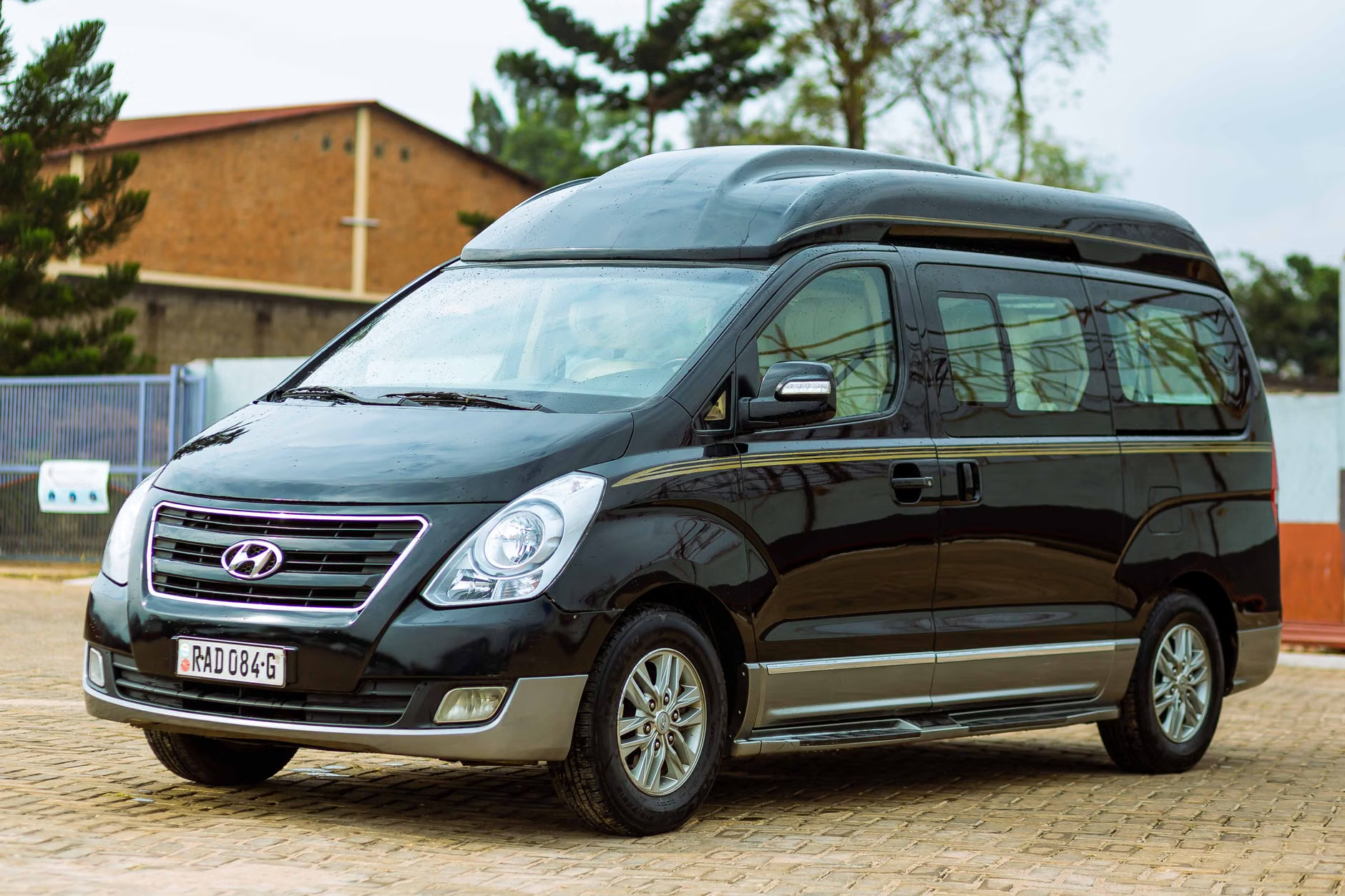
The “Grandparent Premium”: This is the extra money spent on Point-to-Point logistics. Instead of public transport, you budget for a private van transfer. While it looks more expensive on paper ($120 for a van vs. $40 for train tickets), it saves you from the “cascade of misery.” If one person gets exhausted and cranky, the whole group’s productivity drops. A private transfer is essentially insurance for the group’s mood.
The “Toddler Tax”: This is the cost of Time Inefficiency. You will accomplish 40% less than you think you will. If you pay for a full-day guided tour ($500), but the toddler has a meltdown at noon, you’ve wasted $250. The optimizer’s move here is to never prepay for full-day activities. Stick to half-day bookings or “pay-at-the-gate” spots. It might be $5 more per ticket, but it saves you the $200 “no-show” loss when the nap schedule goes off the rails.
Dining Math: The 2-1-1 Rule for Large Groups
Feeding six to ten people in a restaurant twice a day is the fastest way to blow a budget. It’s also exhausting. Finding a table for ten in a popular city during peak season requires the planning skills of a military general.
The 2-1-1 Rule:
- 2 Meals at the “Hub”: Breakfast and either Lunch or Dinner are eaten at your rental. This isn’t just about saving money; it’s about “sensory downtime.” Kids can run around, and grandparents can sit in comfortable chairs.
- 1 Meal Out: Make this the “Event.” Book it in advance. This is where the budget goes.
- 1 Floating Snack: Street food, gelato, or a bakery run.
The Grocery “Common Pot”: At the start of the trip, every adult puts $100 into a physical envelope or a digital “pot.” This covers all shared groceries, coffee, toilet paper, and basic snacks. When the pot runs out, everyone tops it up equally. This eliminates the “Who bought the milk?” debate. However, alcohol should be separate. If Grandpa likes $80 bottles of Scotch and you prefer local beer, keep those on individual tabs to avoid the “Vice Friction.”
Choosing the Destination: Cost of Living vs. Cost of Getting There
When you are booking for a large group, the Flight-to-Floor Ratio matters. If you spend $1,500 per person to fly to a “cheap” destination, you are already $9,000 in the hole before you eat a single taco. For multi-generational trips, the sweet spot is often a Mid-Range Distance with a Low Local Cost.
For a US-based family, this might mean Mexico or Costa Rica over Europe. For a European family, it might mean Greece or Albania over the Maldives. Why? Because when the group is large, on-the-ground scalability is key. A 20% difference in the price of a meal is magnified by 10 people, three times a day.
The “Low-Mobility” Filter: Use Google Street View to check the “hilly-ness” of a destination. Lisbon is beautiful and relatively affordable, but for a multi-generational trip with strollers and seniors, those hills are a “hidden cost” in the form of endless Uber XL calls. A flat city or a coastal town with a boardwalk offers much higher “budget efficiency” because people can move around for free without physical strain.

The “Opt-Out” Clause: Budgeting for Independence
The biggest psychological drain on a group trip is the feeling of being “trapped” in someone else’s itinerary. To optimize the budget, you must budget for people to NOT be together. This sounds counter-intuitive, but it’s the golden rule of family harmony.
The “Split Day” Strategy: On day three or four, intentionally schedule a day where the group splits. Grandparents might want a slow museum day; parents might want a hike. By not sharing a rental car that day (budgeting for two smaller cars or local taxis instead), you give everyone “social breathing room.”
The “Sunk Cost” Trap: Don’t force everyone to go to the $100-per-head theme park just because “we’re all here together.” If the grandparents would rather sit in a cafe for $10, let them. The $90 saved is a win for the collective budget. A successful optimizer recognizes that togetherness is a choice, not a mandate. When you stop forcing “shared experiences,” the value of the time you do spend together increases exponentially.
Practical Tools for the Family CFO
To keep the peace, you need transparency. You aren’t just the trip organizer; you are the auditor. Use these tools to keep the “money ghosts” away:
- Splitwise (Pro Version): It handles multiple currencies and allows you to attach photos of receipts. The “Simplify Debts” feature is a godsend for multi-person trips.
- Hopper: Use it to track flight prices for the whole group. A $50 drop per ticket is a $500 total saving for a group of ten.
- Airalo (eSIMs): Don’t let everyone rack up $10/day roaming charges. Buy a bulk pack of data for the group or set everyone up with eSIMs before landing. It’s a $200 saving over a 10-day trip.
- Travel Insurance (Group Policy): Never skip this for multi-gen trips. The statistical likelihood of a kid getting an ear infection or a grandparent needing a check-up is much higher. A group policy is often cheaper than individual ones.
The Final Verdict: Value over Volume
A multi-generational trip is an investment in legacy, not just a vacation. You will never regret the money spent on seeing your kids bond with their grandparents, but you will regret the stress of a poorly managed budget.
My final recommendation: Prioritize lodging quality and transport ease over “bucket list” activities. A comfortable home base and a stress-free way to get around are the foundations of a happy group. If you have to cut the budget, cut the expensive guided tours and the 5-star dinners. Replace them with a local market haul, a great bottle of wine at your villa, and the freedom for everyone to wake up at their own pace. That is where the real “travel wealth” is found.
For more official guidance on group travel logistics and safety, check out the U.S. State Department’s Family Travel Guide or the Condé Nast Traveler Multi-Gen Planning Guide.
Frequently Asked Questions
1. Who should technically “own” the booking for a large group?
The person with the highest credit limit and the best “points” strategy should make the primary bookings to maximize rewards. However, this person must be reimbursed for the deposits immediately. Never carry the full financial weight of a group booking for more than 24 hours; it creates an unhealthy power dynamic and financial stress.
2. How do we handle different “food budgets” within the family?
Use the “Common Pot” for essentials only. For restaurant meals, tell the server at the beginning to provide separate checks by “sub-family” units. If the restaurant won’t do it, have one person pay and immediately log the individual totals into Splitwise. Don’t try to “average” the bill if one person had water and another had a three-course steak dinner.
3. What is the best way to handle the “grandparents want to pay for everything” situation?
If grandparents insist on paying, steer their generosity toward specific “Legacy Events”—like a special final dinner or a private boat tour. This allows them to feel the joy of gifting an experience without them feeling taken advantage of for daily “boring” costs like gas or groceries. It also keeps your primary budget realistic.
Planning a multi-generational trip is a marathon, not a sprint. Take a deep breath, open that spreadsheet, and remember: the goal is to come home still liking each other. Good luck!