- Transparency is measurable: Look for brands that publish their Tier 1 and Tier 2 factory lists; if they hide their manufacturing origin, assume the worst regarding oversight.
- Certifications act as proxies: Prioritize labels like ICTI Ethical Toy Program, FSC (for wood), and OEKO-TEX (for textiles) over vague marketing terms like “eco-friendly” or “natural.”
- The “Price-Performance” Trap: If a complex, high-quality toy is priced significantly lower than industry standards, it is almost certainly cutting corners on labor ethics or material toxicity.
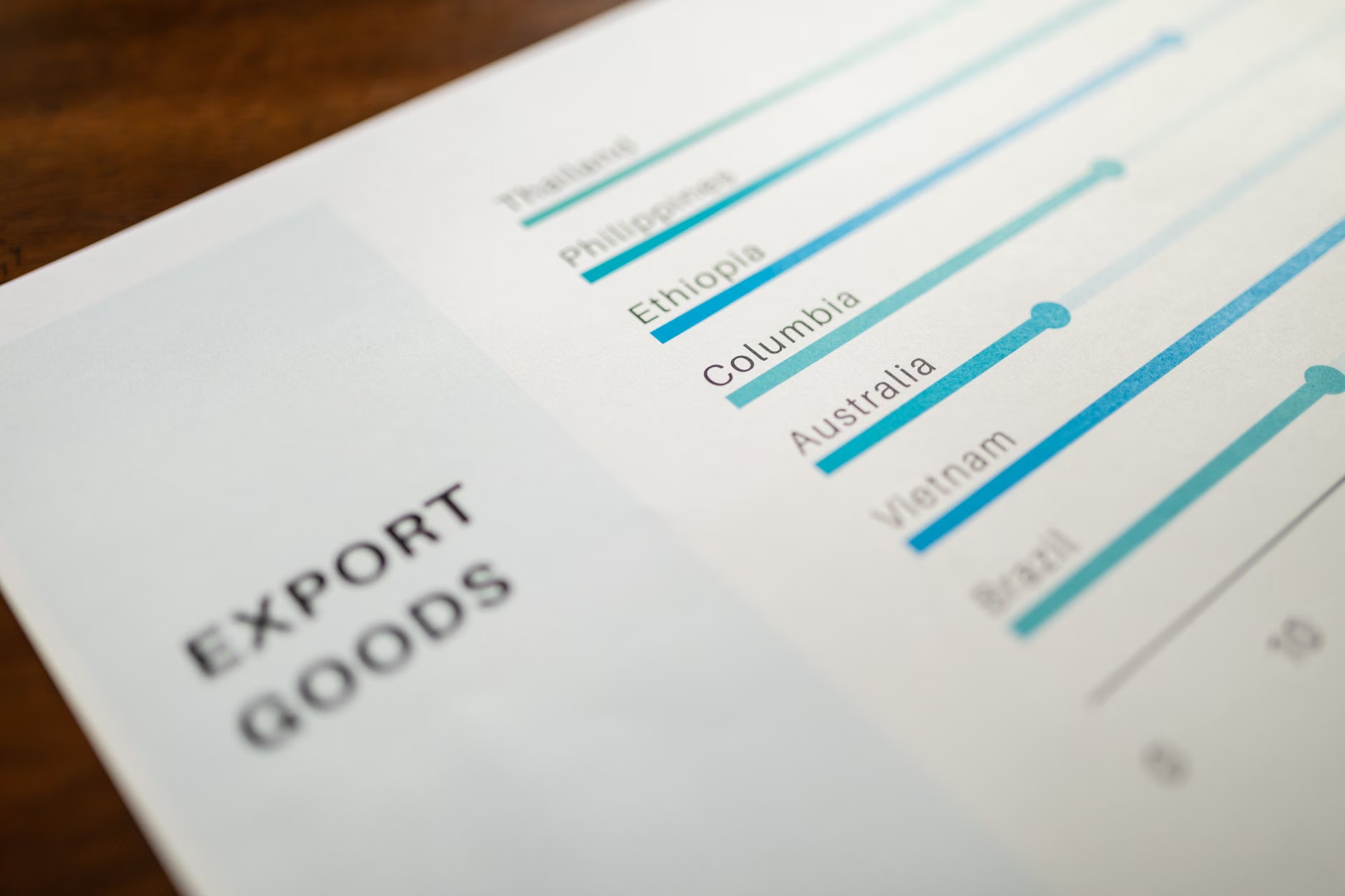
You’ve likely stood in the aisle of a toy store, box in hand, wondering: Who actually made this? It’s a question that feels increasingly heavy for parents in their 30s and 40s. We are the generation that grew up with mass-market plastic trinkets, but we are also the ones now hyper-aware of what those choices mean for our children’s health and the workers on the other side of the planet. Supply-chain transparency isn’t just a corporate buzzword; it’s the only reliable way to know if the toy you’re buying is safe, durable, or ethically produced.
Why Supply-Chain Transparency Matters for Your Family
At its core, supply-chain transparency is the practice of a company disclosing exactly where their materials come from and who assembles their products. For a parent, this matters for two primary reasons: safety and values. Most toys sold globally are manufactured through a sprawling network of subcontractors. If a company doesn’t know who its third-tier suppliers are—the ones providing the paints, the plastics, or the glues—they cannot guarantee that the product won’t contain lead, phthalates, or other banned substances.
Beyond the immediate safety of your child, there is the matter of labor conditions. The toy industry is notorious for high pressure, especially during the “peak season” leading up to the winter holidays. When a company is transparent about its supply chain, it essentially opens its doors to independent auditors. Without that transparency, you are relying on the brand’s “honor system,” which, in a globalized economy, is rarely enough to protect workers from forced overtime or unsafe factory conditions.
Consider the “hidden cost” of a bargain. When you purchase a $5 plastic playset that should realistically cost $20 based on material volume and shipping, someone, somewhere, is paying the difference. It’s either the factory worker through suppressed wages, or your child through exposure to unregulated, low-grade recycled plastics that haven’t been properly tested for chemical stability. Transparency is the antidote to this race-to-the-bottom pricing model.
Deciphering the Labels: What to Look For (and What to Ignore)
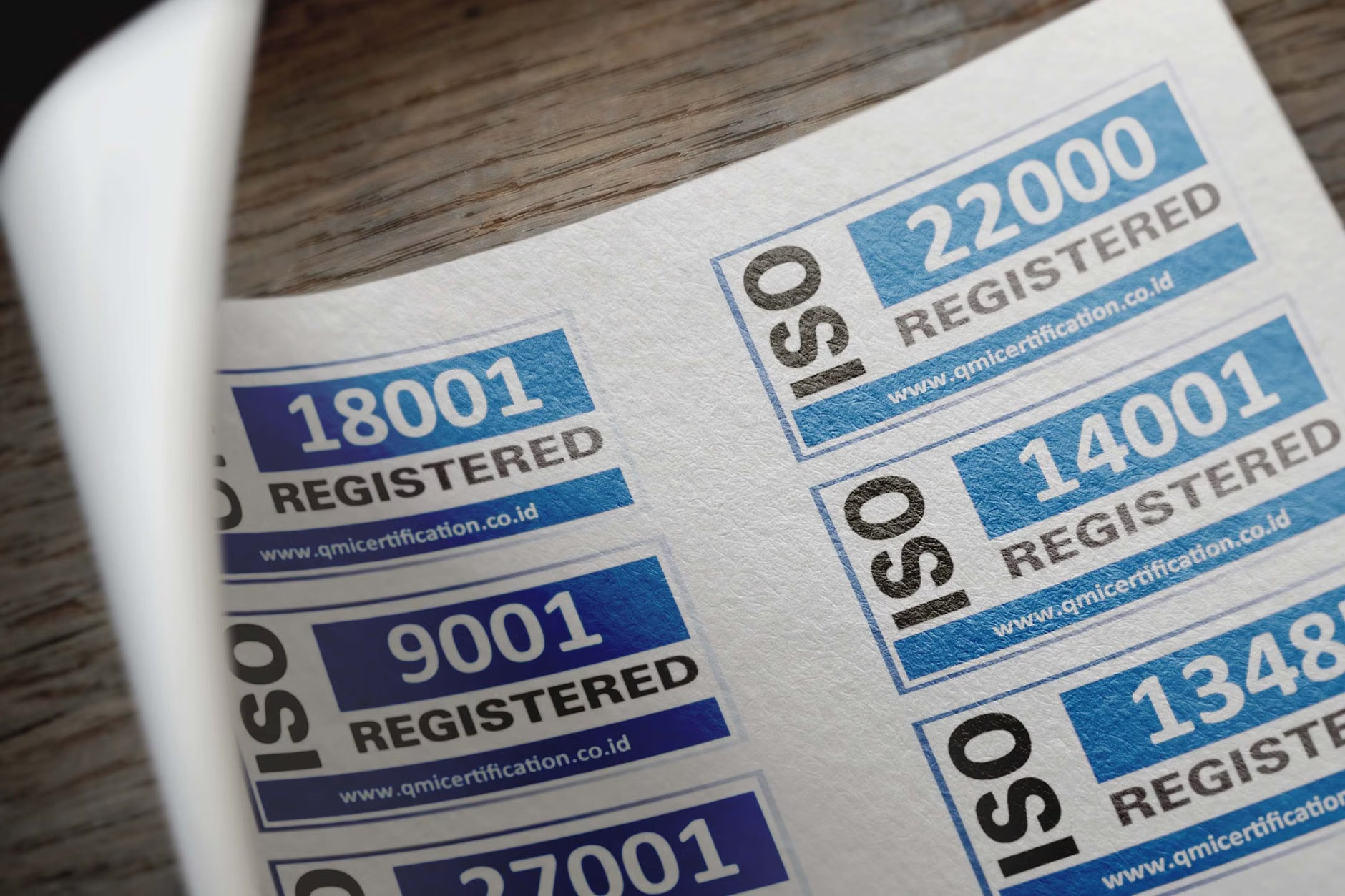
Walking into a toy store often feels like walking into a maze of “greenwashed” marketing. You’ll see terms like “earth-friendly,” “sustainably made,” or “non-toxic.” These terms are rarely regulated. To cut through the noise, you need to look for third-party verified certifications. These organizations do the heavy lifting of auditing the supply chain so you don’t have to.
| Certification | What It Actually Guarantees | Why It Matters |
|---|---|---|
| ICTI Ethical Toy Program | Independent audit of factory labor standards and safety. | Ensures workers are treated fairly and factories meet safety codes. |
| FSC (Forest Stewardship Council) | Wood sourced from responsibly managed forests. | Prevents deforestation and protects biodiversity in toy manufacturing. |
| OEKO-TEX Standard 100 | Textiles tested for harmful substances. | Essential for plush toys and fabric dolls your child may put in their mouth. |
The common mistake most parents make is assuming that a “made in” label on the box tells the whole story. While “Made in Germany” or “Made in the USA” can imply higher regulatory standards, it doesn’t guarantee that the raw materials—the resins, the pigments, the metal hardware—weren’t sourced from regions with lax environmental oversight. Always look for the certification logos on the back or side of the packaging. If they aren’t there, visit the company’s website. If they don’t have a section dedicated to “Supply Chain,” “Sustainability,” or “Code of Conduct,” take that as a red flag.
The Digital Audit: How to Research a Brand in 5 Minutes
You don’t need to be a supply-chain expert to vet a toy brand. You just need a smartphone and a bit of skepticism. Before you buy, perform a quick “Transparency Audit.” Start by going to the brand’s official website and searching for their “Supplier Code of Conduct.” A serious, transparent company will not hide this document. It should be publicly available, detailed, and signed by their leadership.
Next, look for their factory disclosure list. The most transparent companies—often those in the boutique or high-end wooden toy space—will list the names and locations of their primary manufacturing partners. If a company claims to be “transparent” but only provides vague statements like “we work with partners who share our values,” they are likely not transparent at all. This is a classic deflection tactic.
Another variable to consider is the “Product Lifecycle.” Does the company offer a repair service? Do they sell replacement parts? A company that is truly invested in its supply chain usually builds toys to last for generations. If a toy is designed to be disposable (like many battery-operated plastic toys), the company has little incentive to invest in a clean, ethical supply chain because their business model relies on high turnover, not long-term durability.
Common Pitfalls: When “Natural” Isn’t Actually Better
There is a prevailing myth that “natural” materials like wood or cotton are automatically safer than plastic. This is a dangerous oversimplification. Unfinished or poorly sourced wood can contain high levels of formaldehyde from glues, or lead-based pigments in the paints used to decorate them. Similarly, “organic cotton” can still be processed with toxic chemicals during the dyeing phase.
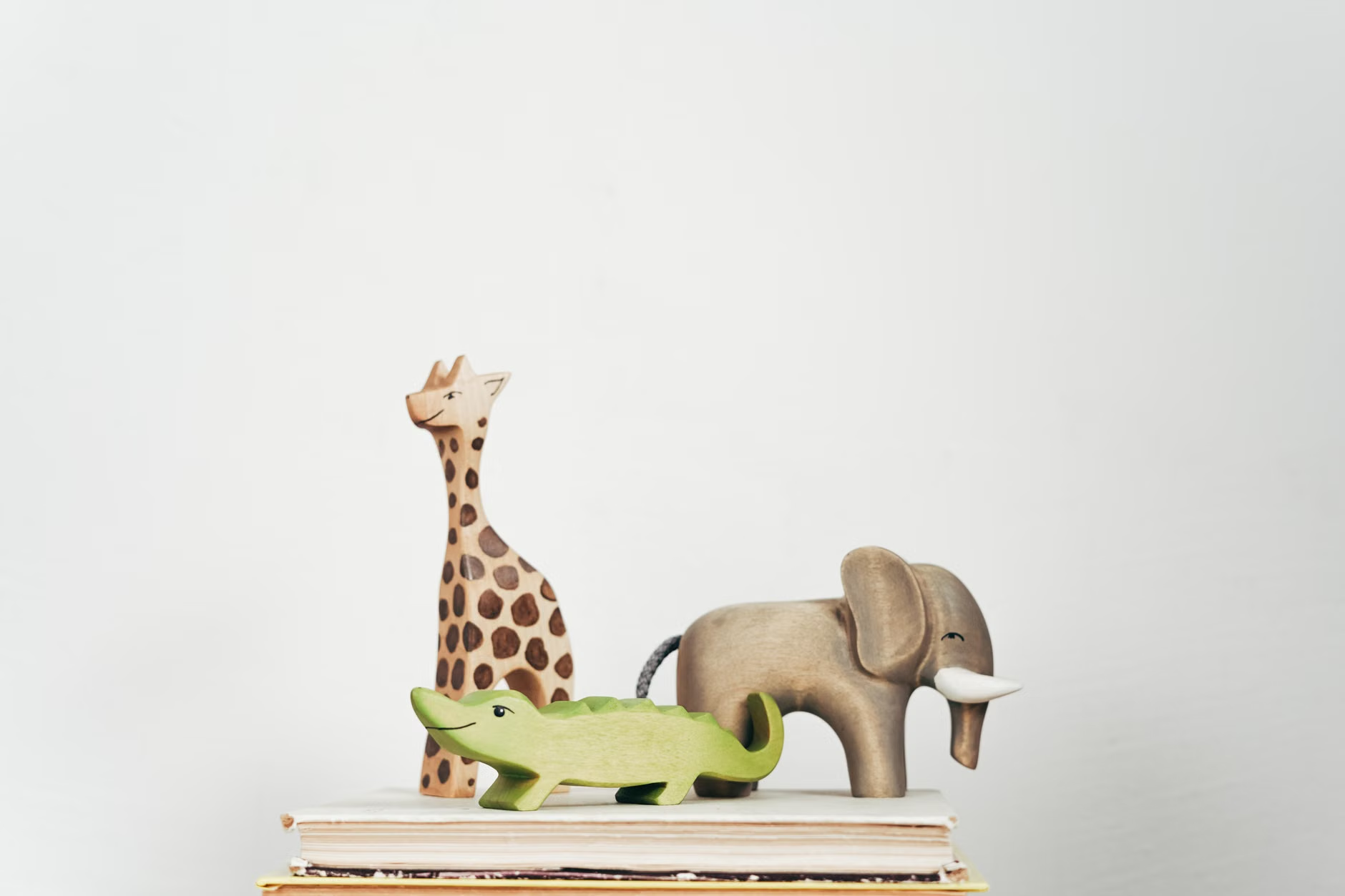
When choosing wooden toys, look for brands that specify the type of finish used. Water-based, non-toxic, or plant-based oils are the gold standard. If the label just says “non-toxic,” check if it conforms to international standards like ASTM F963 (in the US) or EN 71 (in Europe). These standards aren’t just suggestions; they are rigorous testing protocols that define acceptable limits for heavy metals and small parts that pose choking hazards.
Furthermore, consider the “gluing” factor. Many wooden toys are actually composite wood (MDF or plywood). These require adhesives. A transparent company will tell you if their glues are formaldehyde-free. If a brand cannot answer a simple question about the materials used in their adhesives or paints, don’t assume the answer is “safe.” Assume they don’t know, which is often just as risky.
Actionable Steps for Your Next Toy Purchase
To move from passive consumer to conscious buyer, follow this decision rule for your next purchase. Ask yourself these three questions in order:
- Is the brand transparent about its manufacturing? (Can I find a factory list or a clear Code of Conduct on their site?)
- Does the product carry a third-party certification? (Look for the logos mentioned in the table above.)
- Is the price consistent with high-quality, ethical labor? (If it’s suspiciously cheap, it’s likely cutting corners.)
If you hit a “no” on any of these, consider looking for an alternative. It might take longer to find a brand that meets these criteria, but the payoff is a toy that is safer for your child and better for the world. Remember, you are voting with your wallet. Every dollar spent on an ethical, transparent company is a signal to the market that parents are no longer satisfied with the “black box” of traditional toy manufacturing.
Don’t fall into the trap of thinking you need to overhaul your entire playroom overnight. Start small. For your next birthday or holiday gift, choose one item from a transparent brand. Observe the quality difference. You will likely find that these toys hold up better, have higher play value, and offer the peace of mind that comes with knowing exactly what you are bringing into your home.
Frequently Asked Questions
1. Does “Made in China” automatically mean a lack of transparency?
Absolutely not. Some of the world’s most transparent and high-quality toy manufacturers are located in China. The issue isn’t the geography; it’s the brand’s willingness to invest in oversight. Many top-tier global brands have excellent, audited, and transparent supply chains in China. Always prioritize the brand’s transparency policies over the country of origin.
2. Why are ethical toys so much more expensive?
You are paying for the “true cost” of the product. This includes fair wages for workers, safe factory conditions, higher-quality non-toxic materials, and the costs associated with rigorous third-party safety testing. When you buy a cheaper toy, those costs are effectively being subsidized by the exploitation of workers or the environment, or by the use of inferior, potentially hazardous materials.
3. How can I verify if a certification logo on a package is legitimate?
Most major certification bodies have a public directory on their websites. For example, if you see an FSC logo, you can check the license number on the FSC database. If a brand claims to be certified but isn’t listed in the official registry, they are likely using the logo without authorization, which is a major red flag regarding the company’s integrity.
For further reading on international toy safety standards, you can review the U.S. Consumer Product Safety Commission’s Toy Safety Guidelines and the European Commission’s Toy Safety regulations. These sites provide the baseline requirements that all reputable manufacturers must meet.
Ultimately, transparency is a journey, not a destination. No company is perfect, and even the most ethical brands face challenges. However, by supporting those who are open about their processes and committed to improvement, you are helping to build a safer, more equitable market for all children. Keep asking the hard questions—it is the most powerful tool you have as a parent.