The most effective way to improve your focus and reduce end-of-day fatigue while working from home is to align your indoor lighting with the natural progression of the sun, a concept known as human-centric or biophilic lighting.
- Color Temperature Matters: Use cool, blue-enriched light (5000K+) in the morning to suppress melatonin and boost alertness, and transition to warm, amber light (2700K-3000K) as you approach the evening to protect your sleep quality.
- Layering is Essential: Avoid relying on a single overhead light; combine natural window light, task-specific desk lamps, and ambient accent lighting to create a balanced, “biophilic” environment.
- The 20-20-20 Rule: Lighting is only half the battle; combine proper illumination with the 20-20-20 eye-care rule to prevent digital eye strain during long remote work sessions.
If you are like most parents working from home, your office is likely a corner of the kitchen, a repurposed guest room, or a closet-turned-workspace. By 3:00 PM, you’ve probably experienced that mid-afternoon slump where your eyes feel heavy, your head throbs, and the glare from your monitor feels like a physical weight. While we often blame the workload, the culprit is frequently our lighting.
Most home offices are lit by generic, static bulbs that stay the same color temperature all day. This is the opposite of how our biology works. Humans evolved under the sun, which shifts from cool, high-energy light in the morning to warm, calming light at dusk. When we ignore this cycle, we confuse our internal clocks—or “circadian rhythms”—leading to disrupted sleep and diminished cognitive performance.
Why Your Brain Craves Natural Light Cycles
Biophilic design isn’t just about adding a few spider plants to your bookshelf. At its core, it is about integrating the natural world into our built environments. Lighting is the most significant, yet often overlooked, component of this. Your eyes contain specialized cells called intrinsically photosensitive retinal ganglion cells (ipRGCs). These cells don’t help you see; they act as sensors that tell your brain whether it is time to be awake or time to sleep.
When you sit under a harsh, cool-white fluorescent light at 8:00 PM, you are essentially telling your brain that it is still midday. This suppresses melatonin production, making it difficult to fall asleep once you finally close your laptop and head to bed. Conversely, working in a dimly lit room during the morning makes it harder for your brain to reach peak alertness, leaving you feeling sluggish until your first cup of coffee kicks in.
Lighting is measured in Kelvin (K). The lower the number, the warmer (yellower) the light; the higher the number, the cooler (bluer) the light. Understanding this scale is the first step toward building a biophilic office.
| Time of Day | Recommended CCT | Impact on Productivity |
|---|---|---|
| Morning (8 AM – 12 PM) | 5000K – 6500K | Suppresses melatonin; increases focus and task speed. |
| Afternoon (1 PM – 5 PM) | 4000K | Neutral balance; maintains steady performance. |
| Evening (After 6 PM) | 2700K – 3000K | Promotes relaxation; prevents sleep disruption. |
If you don’t have a smart lighting system that adjusts automatically, you can achieve this manually by having two lamps: one with a “daylight” bulb (5000K+) and one with a “warm white” bulb (2700K). Simply switching the power source as the day progresses can have a measurable impact on how you feel.
Creating a Layered Lighting Strategy
One of the biggest mistakes remote workers make is relying solely on a ceiling light. Ceiling lights are generally designed for general illumination, not for the specific, high-focus tasks that define our workday. A biophilic office needs layers.
1. Ambient Lighting (The Foundation)
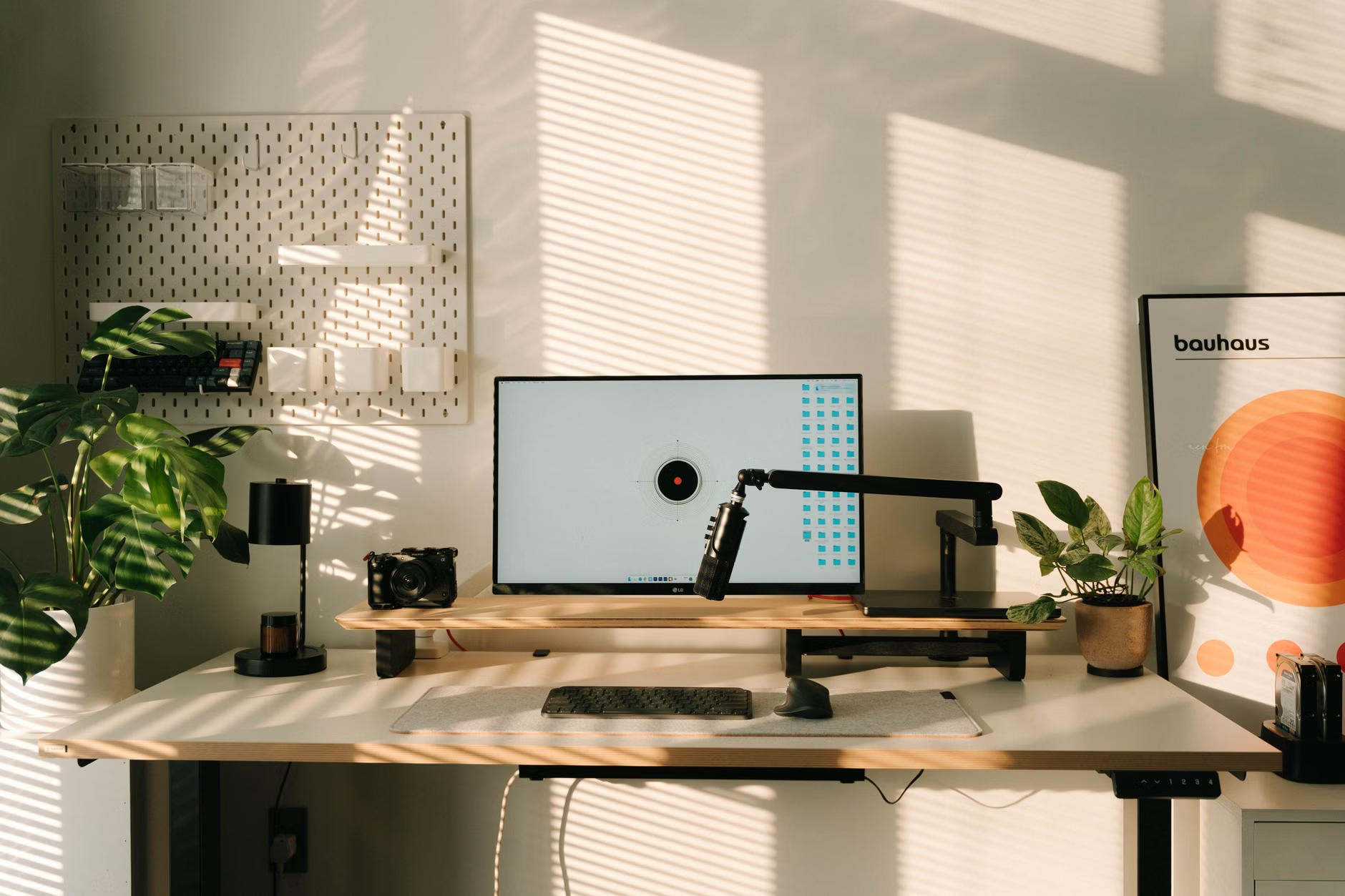
This is your general room light. If you have access to a window, this is your primary source. Position your desk perpendicular to the window to avoid glare on your screen while still benefiting from natural light. If you rely on artificial light, use a floor lamp with an upward-facing shade to bounce light off the ceiling, creating a soft, diffuse glow that mimics the sky.
2. Task Lighting (The Precision)
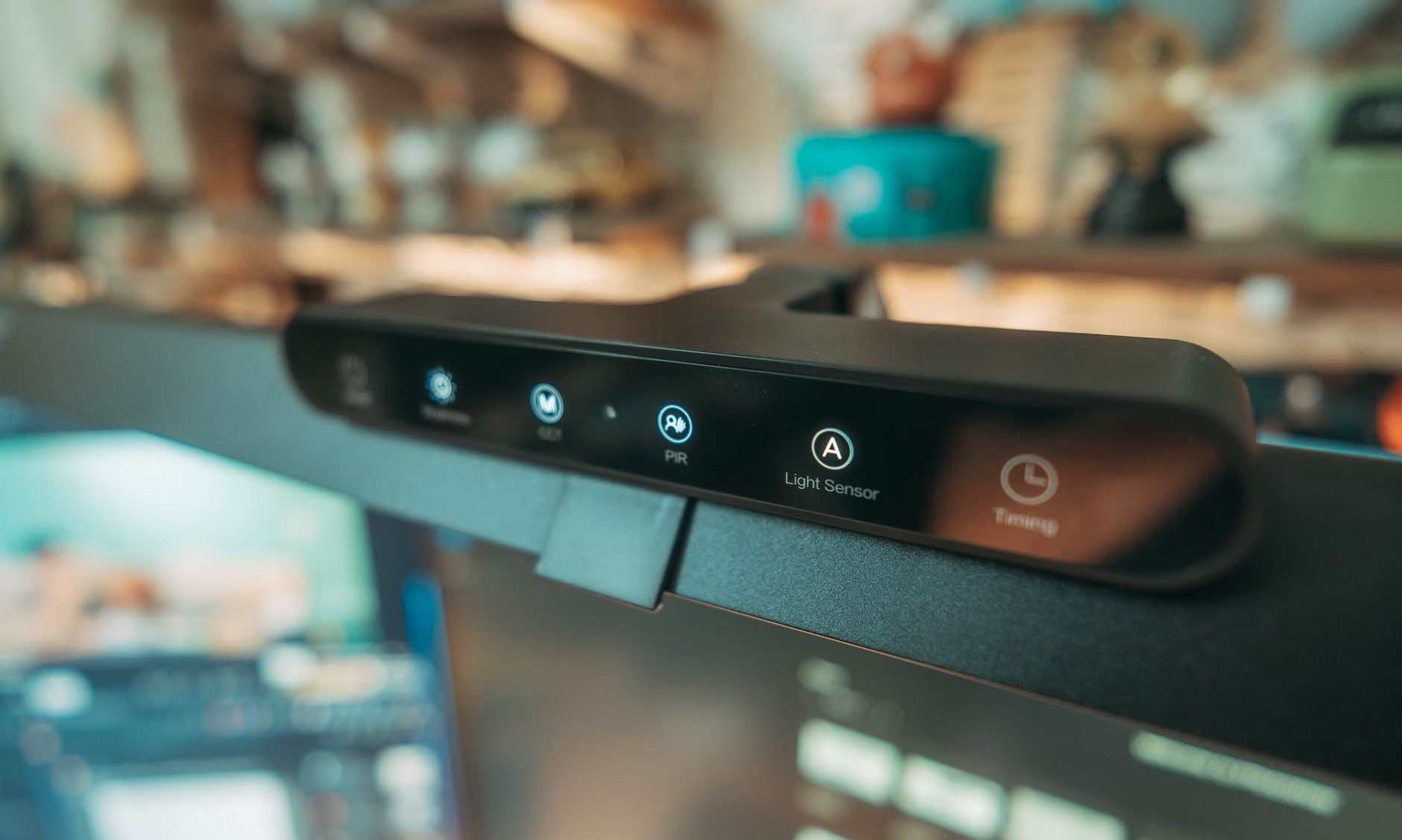
This is where the magic happens. Your task light should be adjustable, both in position and color temperature. A high-quality LED desk lamp with a “dim-to-warm” feature is a game-changer. It allows you to direct light exactly where you need it—on your documents or keyboard—without washing out the entire room. Avoid lamps that cast harsh, deep shadows, as these force your eyes to constantly adjust, leading to faster fatigue.
3. Accent Lighting (The Atmosphere)
This sounds like an aesthetic choice, but it is functional. By adding a small, warm-toned light in the background (like a small LED strip behind your monitor or a soft lamp in the corner), you reduce the “contrast ratio” between your bright screen and the dark room. High contrast is a major contributor to eye strain. By lighting the space behind your screen, you bridge the gap, making your eyes work less hard to process the visual field.
Addressing the Challenges of Small-Space Remote Work
For those of us balancing parenting and work, we often don’t have the luxury of a dedicated, Pinterest-worthy office. Many of us are working at the dining table or in a small nook. How do you implement biophilic lighting without turning your living room into a laboratory?
The key is portability and modularity. Instead of installing expensive, permanent smart-lighting fixtures, look for battery-operated or USB-powered task lamps with adjustable color temperatures. You can tuck these into a drawer when the workday ends, effectively “closing the office” and reclaiming your living space.
Another common hurdle is glare. If your home office is in a room with a large window, you might find that you have too much light at noon. Using sheer curtains or adjustable blinds is essential. These allow the “biophilic” benefits of natural light to filter through without the disruptive glare that makes it impossible to see your spreadsheet. Think of these as a filter, not a blocker.
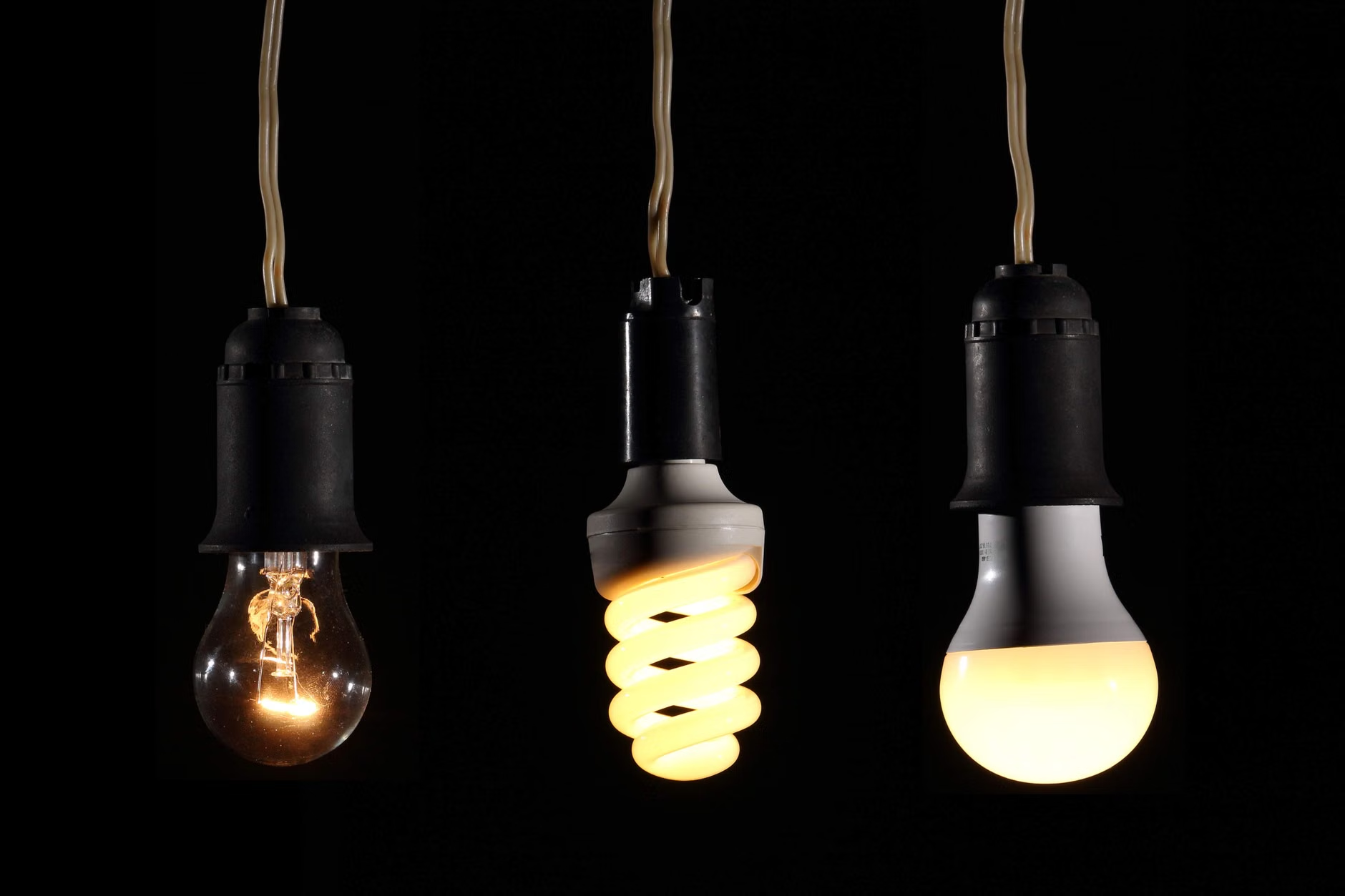
Common Mistake: Many people use cool-white “daylight” bulbs throughout the entire house. While this might make the room look bright, it is often too intense for the evening. If you cannot change your bulbs, prioritize installing a dimmer switch. Dimming a bulb actually changes the perceived color temperature slightly, making it feel warmer and more comfortable for evening work.
Beyond Lighting: The Role of Visual Diversity
Biophilic design is also about visual variety. Staring at a static wall for eight hours is unnatural. If you have the space, place a plant near your desk. The fractal patterns found in leaves are proven to lower stress levels. When you take your “lighting breaks”—switching your desk lamp from cool to warm—take a moment to look at your plant or out a window. This visual reset, combined with the lighting shift, signals to your body that you are transitioning from “high-alert” mode to “recovery” mode.
If you have limited space, consider a small, high-quality photograph of nature or even a digital frame that displays slow-moving, natural imagery. The goal is to break the monotony of the screen. Lighting plays a huge role here: if your office is lit in a way that highlights a nearby plant or a piece of natural texture, your brain perceives the environment as more “alive,” which helps maintain cognitive stamina.
Practical Steps to Upgrade Your Workspace Today
If you want to start reaping the benefits of biophilic lighting, you don’t need a massive investment. Follow this step-by-step guide to optimize your setup:
- Audit your current setup: Turn off all lights and observe where the glare comes from. If your primary light source is behind you, you have glare. If it is directly above, you have harsh shadows.
- Introduce a task light: Purchase an LED desk lamp that offers at least three color temperature modes (Warm, Neutral, Cool). Position it on the side opposite your dominant hand to minimize shadows.
- Standardize your light sources: Try to ensure that your task light and your ambient light are not clashing. If your ceiling light is a harsh 6500K and your desk lamp is a warm 2700K, the clashing temperatures will feel “off.” Aim for a consistent temperature across the room or use your task lamp as the primary source and dim the ceiling light.
- Adopt the 20-20-20 rule: Every 20 minutes, look at something 20 feet away for 20 seconds. This is the perfect time to adjust your lamp setting if you are moving from high-focus tasks to emails or meetings.
- Use natural light as a guide: If your room has a window, try to keep your artificial lighting dimmed during the brightest part of the day. Only turn on your task lamp when the natural light begins to fade.
Remember that biophilic design is about rhythm. If your day is hectic and you forget to change your light settings, do not stress. The goal is to move toward a system that supports your biology, not to add another item to your to-do list. Over time, you will find that these small adjustments become second nature, just like adjusting your chair or setting your monitor height.
The Hidden Trade-offs and Considerations
While the benefits of color-tunable lighting are well-documented, there are a few nuances to be aware of. First, be wary of cheap “smart” bulbs. Some lower-quality LEDs use pulse-width modulation (PWM) to dim, which causes an invisible flicker. Even if you don’t consciously see it, this flicker can cause headaches and eye strain, especially in people sensitive to light. When shopping, look for “flicker-free” or “high-frequency” certification.
Second, realize that your screen is also a light source. If you are working on a bright, blue-light-heavy monitor in a dark room, no amount of desk lighting will fix the imbalance. Ensure your monitor’s brightness is adjusted to match the ambient light of the room. Many modern operating systems include a “Night Light” or “True Tone” feature that shifts the screen’s color temperature throughout the day. Enable this. It is the digital equivalent of your biophilic desk lamp.
Finally, consider your family’s needs. If you share a workspace or are working in a common area, be mindful of how your lighting affects others. A bright, cool-toned desk lamp might be great for your focus, but it can be intrusive to a partner or child nearby. Using a hooded or directional lamp can keep the light on your work surface and out of their eyes, maintaining harmony in the shared space.
Final Thoughts on Building a Sustainable Routine
Your home office should be a place that supports your energy, not one that drains it. By aligning your lighting with the natural progression of the day, you are doing more than just illuminating a desk; you are honoring the biological needs of your body. This is a small, manageable change that yields significant results in your ability to focus, your mood, and your ability to transition into family time at the end of the day.
Start with one good desk lamp. Experiment with the temperature settings. Notice how you feel at 4:00 PM when you’ve had a consistent, high-quality light source versus when you’ve been battling the glare of a static bulb. You will likely find that the difference is not just visible—it is felt. And for a parent juggling a thousand tasks, that extra bit of mental clarity is worth every bit of effort.
For more information on the impact of lighting on circadian rhythms and health, refer to the Sleep Foundation’s guide on light and sleep or the WELL Building Standard, which provides comprehensive research on how environment impacts human health.
Frequently Asked Questions
Q: Does “cool” blue light actually damage my eyes?
A: While there is some debate about long-term damage, the primary issue with cool blue light is its effect on your brain and circadian rhythm. It is not necessarily “damaging” in the short term, but it is highly stimulating, which makes it a poor choice for evening work when you want to signal to your body that it is time to wind down.
Q: Can I just use a regular lamp and change the bulb?
A: Absolutely. You don’t need a fancy “smart” system. Keeping a “daylight” bulb (5000K) and a “soft white” bulb (2700K) on hand and swapping them depending on the time of day is a perfectly effective, low-cost way to manage your environment. However, ensure the lamp itself is compatible with the wattage and size of the bulbs you choose.
Q: Is there a specific brand of desk lamp you recommend?
A: Rather than focusing on a specific brand, look for features: “flicker-free,” “adjustable color temperature (2700K to 6000K),” “high Color Rendering Index (CRI 90+),” and “adjustable brightness.” CRI is a measurement of how accurately a light source displays colors; a high CRI makes everything look more natural and vibrant, which is a key part of biophilic design.