The most effective way to transition your child into daycare is by prioritizing emotional attachment over the convenience of a “quick drop-off,” ensuring your child views the new environment as a secure base rather than a place of abandonment.
- The “Secure Base” Principle: Your child needs to know you will return; providing consistent, predictable goodbyes builds this internal security faster than “sneaking out.”
- Gradual Exposure: Start with short, partial-day sessions to calibrate your child’s nervous system to the new environment before committing to full-time hours.
- The Power of Rituals: Creating a specific, non-negotiable goodbye ritual reduces cortisol spikes and provides a sense of agency for the child.
If you are a parent in your 30s or 40s, you likely understand the logistical nightmare of balancing a career with childcare. The guilt of dropping your child off at daycare—often to the sound of them crying—is a universal experience that can make even the most organized person feel like they are failing. But here is the reality: the transition isn’t just about the daycare’s schedule; it is about your child’s biological need for attachment.
Understanding the Attachment-First Framework
Attachment-first transition is a philosophy that centers on the child’s emotional regulation. In traditional models, the focus is often on “efficiency”—how quickly can the parent leave so the teacher can start the day? This, however, ignores the child’s internal state. When a child is dropped off abruptly, their nervous system enters a state of “fight or flight.”
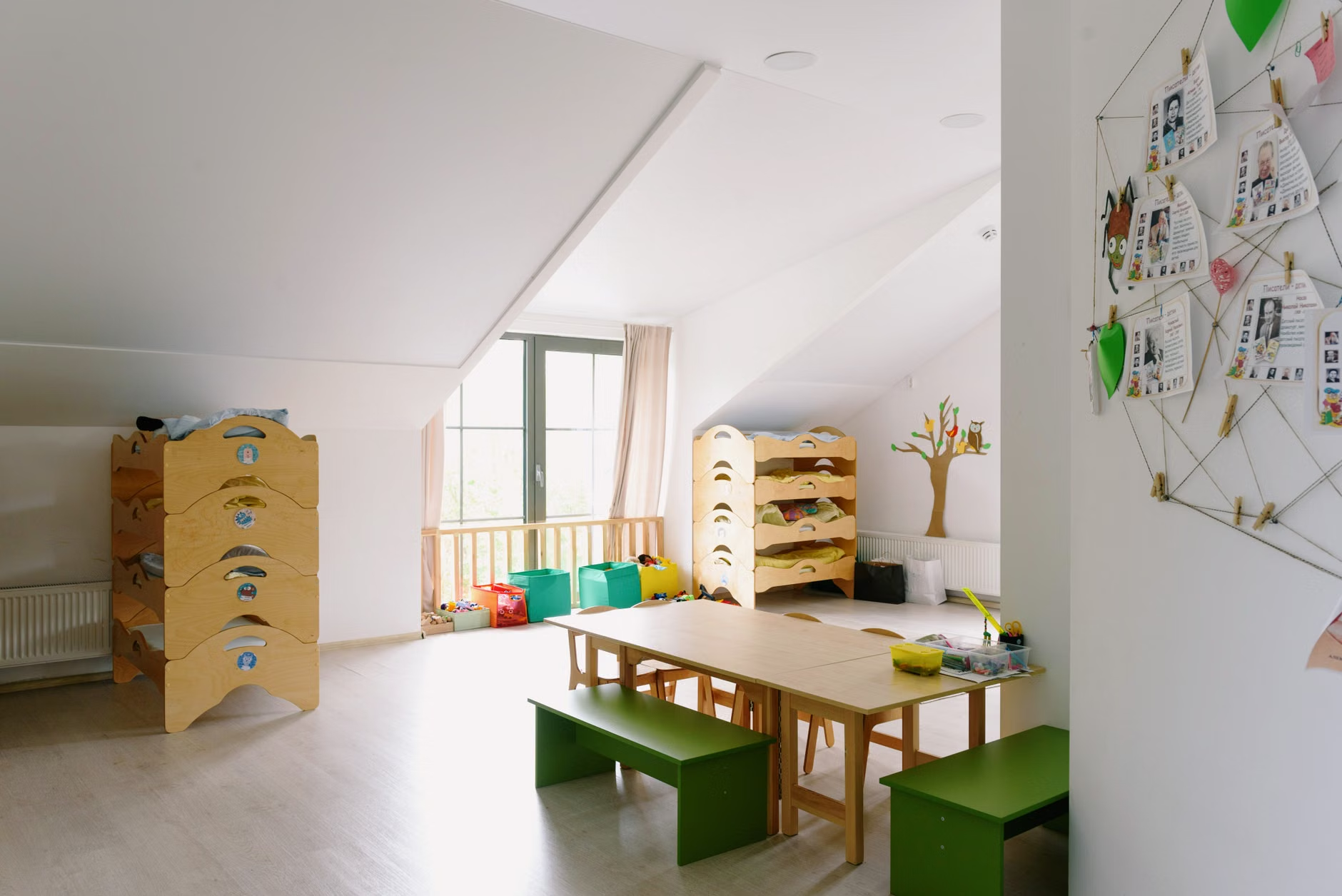
Instead, an attachment-first approach treats the daycare as an extension of the home environment. It involves slow, deliberate steps where the parent remains present for short periods, allowing the child to explore the room while knowing the parent is a “secure base.” When a child feels safe, they become curious. When they are anxious, they become avoidant. Your goal is to foster curiosity.
Why “Sneaking Out” Backfires
Many parents, wanting to avoid the drama of a goodbye, choose to leave while their child is distracted. This is a common mistake. While it might save you five minutes of crying in the morning, it teaches the child that their parent can disappear at any moment without warning. This actually increases separation anxiety because the child becomes hyper-vigilant, constantly checking to see if you are still there.
By saying a clear, firm, and loving goodbye, you are reinforcing the fact that you are reliable. The child learns that “goodbye” is not “gone forever,” but rather a predictable part of their day. This builds trust, which is the cornerstone of attachment.
The Step-by-Step Transition Protocol
Transitioning into a group care setting shouldn’t be a “cold turkey” experience. Most modern daycare centers are willing to work with a phased-in approach if you advocate for it. Here is a recommended timeline for a standard transition period.
| Phase | Duration | Parental Involvement |
|---|---|---|
| Initial Visit | 1-2 Hours | Parent stays the entire time, playing alongside the child. |
| Short Separation | 2-3 Hours | Parent leaves for 30 minutes, then returns; gradually increase duration. |
| Half Day | 4-5 Hours | Child stays through lunch; parent is reachable by phone. |
| Full Integration | Full Day | Child stays the full scheduled hours; established routine. |
This structure allows the child to map the room, meet the teachers, and understand the flow of the day before they are left for a full shift. If you are a working parent, negotiate this with your employer as “short-term leave” or use vacation days to ensure the first week is dedicated to this process. It is an investment in the long-term stability of your child’s emotional health.

Establishing the “Goodbye Ritual”
A ritual is a repetitive action that signals the end of one activity and the beginning of another. It should be short, positive, and predictable. Examples include:
- The High-Five & Kiss: A specific sequence of high-fives followed by a kiss on the hand.
- The “Secret” Token: Giving the child a small item of yours (like a hair tie or a laminated photo) that they can keep in their pocket.
- The “See You Later” Routine: A specific rhyme or phrase you say every single time, such as “I’ll be back after nap time, I love you, have fun.”
The key here is consistency. Do not change the ritual. The comfort comes from the predictability. Even if the child is crying, keep the ritual calm and composed. If you become frantic or overly emotional, the child will mirror that stress. You must be the anchor in their storm.
The pick-up is just as important as the drop-off. When you arrive, avoid the temptation to linger for too long, as this can confuse the child and make the next day’s departure harder. Instead, offer a warm, focused reunion. Spend five minutes truly connecting—eye contact, physical touch, and active listening—before moving to the car or home.
Often, parents are surprised that their child is “cold” or even angry upon pick-up. This is a common phenomenon known as “after-school restraint collapse.” The child has been holding it together all day, and they feel safe enough to let their guard down only when they are back with their primary caregiver. Do not take this rejection personally. It is actually a sign that you are their secure base.

Common Mistakes to Avoid
1. The “Long Goodbye”: Dragging out the departure reinforces the idea that leaving is a dangerous event. Keep it under two minutes.
2. Inconsistency: If you use a ritual one day but forget the next, the child loses their sense of security. Make the ritual part of your permanent morning routine.
3. Projecting Anxiety: Children are masters at reading body language. If you are worried, they will be worried. If you are confident, they are more likely to be confident.
Practical Considerations for the Modern Parent
For parents in their 30s and 40s, the pressure to “get back to it” is immense. You might feel that if your child isn’t perfectly adjusted within three days, you have failed. This is simply not true. Every child has a different temperament. Some children are naturally more cautious (slow-to-warm-up), while others are naturally more adventurous. You are not measuring your parenting skill; you are supporting a biological process.
Consider the “transitional object.” This is an item from home that carries the scent of the parent or the comfort of the familiar. It could be a small blanket, a stuffed animal, or even a piece of clothing you have worn. Many daycare centers allow these, provided they meet safety regulations. Check with your provider, but advocate for your child’s need for this comfort.
Another overlooked variable is the “sensory load.” Daycares are loud, bright, and busy. If your child is sensitive to sound or light, they may struggle more than others. Talk to the teachers about creating a “quiet corner” where your child can retreat if they feel overwhelmed. This is a reasonable accommodation that can drastically improve their day.
When to Seek Further Help
If your child is still showing extreme distress after four to six weeks of consistent, positive transition efforts, it may be worth having a conversation with the daycare staff or a pediatrician. This isn’t necessarily a sign of a problem, but it might indicate that the specific environment isn’t a good match for your child’s personality. Some children thrive in small, home-based centers, while others find the stimulation of a larger facility exciting. Be open to the possibility that the setting matters as much as the strategy.
The Long-Term View
The transition to daycare is a major milestone in your child’s independence. By taking an attachment-first approach, you are not just getting them through the day; you are teaching them how to regulate their emotions and form new relationships. You are showing them that they can experience discomfort and come out on the other side, supported and loved.
Remember, the goal isn’t a child who never cries. The goal is a child who knows that even when they are sad, they are secure. That is the greatest gift you can provide during this transition.
Frequently Asked Questions
Q: How long should the transition period realistically last?
A: Most children need about two to four weeks to feel truly settled. This doesn’t mean they will be crying for four weeks, but that it takes that long for the new routine to become their “new normal.”
Q: What if my child is fine for the first week but starts crying in the second?
A: This is called the “delayed reaction.” The novelty of the new environment has worn off, and the reality of the routine has set in. This is normal. Stay the course with your goodbye ritual and remain consistent.
Q: Should I call the daycare to check on my child during the day?
A: It is better to establish a “check-in” schedule with the teachers. For example, ask them to send one photo or a quick message at a set time. Constant calling can disrupt the flow of the classroom and increase your own anxiety. Trust the process and the professionals you have chosen.
For more information on child development and separation anxiety, you can refer to resources from organizations like the ZERO TO THREE foundation, which provides evidence-based guidance on early childhood emotional growth.
Final piece of advice: Be kind to yourself. You are managing a major life change for both you and your child. It is okay to feel the weight of this transition, but trust that with time, patience, and a focus on security, you will both find your rhythm.