Key Takeaways
- Quiet-tourism isn’t just about silence; it’s a strategic travel choice to visit off-peak, low-stimulation environments that prioritize mental restoration over high-intensity sightseeing.
- Nature reserves are not amusement parks. Success depends on shifting your expectations from “entertainment” to “observation,” which requires specific preparation for both adults and children.
- The “Silence Premium” is real. You will likely spend more on accommodation that offers true isolation because you are paying for the absence of noise and the exclusion of commercial crowds.
The most effective way to recover from the relentless “noise” of modern parenting—the constant notifications, the school runs, and the endless mental to-do lists—is not a beach resort with a kids’ club. It is the deliberate, calculated pursuit of silence in protected nature reserves. This is the core of the “Quiet-Tourism” trend, a movement where the goal isn’t to see more, but to hear and feel more by doing significantly less.
For those of us in our 30s and 40s, this trend represents a necessary pivot. We’ve spent years optimizing our lives for efficiency, and now we are finding that the ultimate luxury is a location where the only schedule is the setting sun. But transitioning from a “tourist” mindset to a “quiet-traveler” mindset is harder than it sounds. It requires more than just booking a cabin in the woods; it requires a complete recalibration of how you approach travel with family.

Why “Doing Nothing” in Nature is the New High-End Travel
In the past, we measured a successful family trip by how many sites we visited or how many activities we checked off our itinerary. Quiet-tourism flips this script. It prioritizes “low-stimulation environments.” Why does this matter? Because for parents dealing with decision fatigue, the mental load of managing a high-activity vacation—navigating crowds, negotiating queues, and managing “boredom” in high-stimulation zones—is often the opposite of a break.
Quiet-tourism is about choosing destinations where the infrastructure supports stillness. We are talking about national parks with strict visitor caps, remote forest lodges, or protected wildlife zones where noise pollution is actively discouraged. It matters because when you remove the external noise, you allow your nervous system to downshift. This is the physiological equivalent of a system reset for your brain.
However, there is a common misconception that quiet-tourism is “cheap” because it involves nature. In reality, the best quiet-tourism experiences often come with a premium. You aren’t paying for marble bathrooms or 24-hour room service; you are paying for the scarcity of the experience—the distance from the nearest road, the lack of Wi-Fi (if you choose), and the exclusivity of a space that doesn’t cater to thousands of visitors a day.
How to Choose a Destination That Actually Delivers Silence
Not all nature reserves are created equal. If you head to a major national park during a public holiday, you will find traffic jams and crowded trails, which is the antithesis of quiet-tourism. To find true stillness, you need to apply a “Filter of Three” before you book anything:
- Accessibility vs. Isolation: Can you drive your car right up to the front door, or is there a walk involved? The harder it is to reach, the fewer casual tourists you will encounter.
- Visitor Management Policies: Does the location use a permit system or a cap on daily visitors? Places like the U.S. National Park Service or similar global bodies often provide data on peak times. Look for locations that actively manage their flow.
- Acoustic Geography: Is the area near a major flight path or highway? Use satellite maps to check the proximity of your lodging to industrial noise sources.
For families, the challenge is finding that sweet spot between “remote enough to be quiet” and “safe enough for children.” You want a place that offers nature-based play—like stream exploration or bird watching—without the pressure of a structured itinerary.

The Practical Reality: Managing Expectations and Kids
If you have children, the idea of “quiet” can seem like a pipe dream. The secret is that quiet-tourism is not about forcing your children to be silent; it is about providing them with an environment where they can be loud without the need for electronic amplification or artificial stimulation. When the environment is engaging—a forest with logs to climb, tide pools to explore, or paths to navigate—children often become naturally quieter and more focused.
Common Mistake: Many parents bring their high-stimulation routines into the wilderness. They bring tablets, portable speakers, and a strict schedule of “fun activities.” This ruins the effect. If you want to experience the benefits of quiet-tourism, you must commit to the “unplugged” rule. Leave the devices in the car or the hotel safe. If you need a camera, use a dedicated one, not your phone, to avoid the temptation of checking emails or social media.
Here is a decision framework for planning your quiet-tourism trip:
| Factor | The “Tourist” Approach | The “Quiet-Traveler” Approach |
|---|---|---|
| Scheduling | Back-to-back activities | One main activity per day |
| Digital Use | Always connected | “Airplane mode” as default |
| Environment | High-traffic hotspots | Low-density protected zones |
| Objective | Collection of photos | Collection of experiences |
The “Quiet-Traveler” approach is more suitable for parents who feel their stress levels are impacting their patience and daily function. It is a form of proactive mental healthcare.
The Hidden Costs and Trade-offs of True Stillness
There is a hidden cost to this trend that nobody talks about: the “withdrawal phase.” When you first arrive in a truly quiet place, your brain, conditioned by constant input, will likely feel restless. You might feel an urge to check your phone or find something “to do.” This is normal. It usually takes about 24 to 48 hours for the mind to settle into the pace of a quiet environment.
Another unexpected trade-off is the lack of convenience. In a quiet, protected reserve, you won’t find a grocery store around the corner. You need to be self-sufficient. This means packing your own high-quality food, medical supplies, and navigation tools. If you are not prepared, your stress levels will spike, which defeats the purpose of the trip. The “luxury” of these locations is the lack of commercial intervention, but that requires you to be your own logistics manager.
Insight: If you are planning a trip for more than three days, ensure your accommodation has a “buffer zone.” This is a space, like a private porch or a specific room, where you can retreat even if the rest of the family is active. Even in quiet-tourism, you need personal space to maintain your own balance.
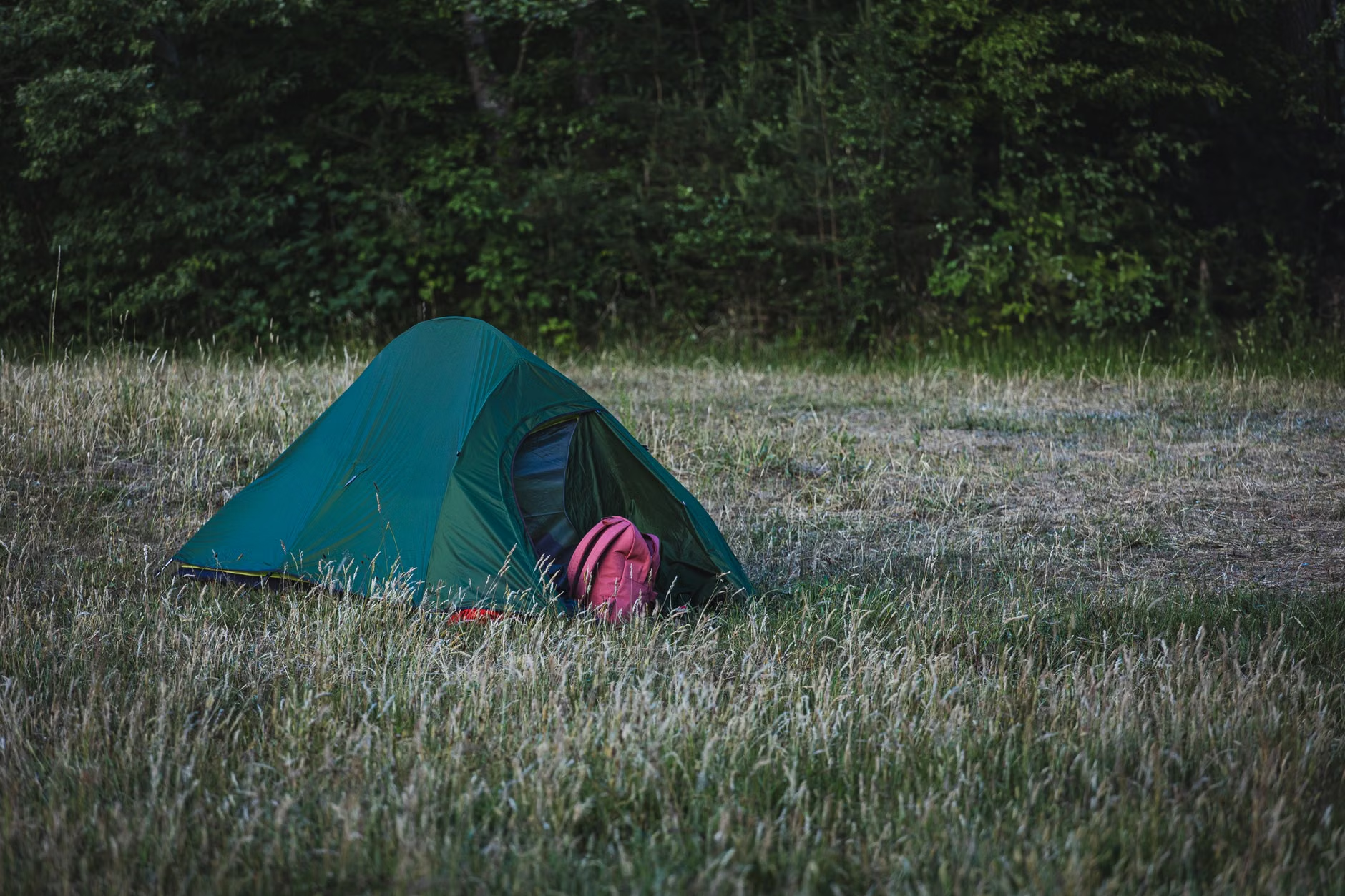
Step-by-Step Guide to Your First Quiet-Tourism Trip
If you are ready to try this, don’t jump into the deep end by booking a week in the wilderness. Start with a “micro-dose” of quiet-tourism.
- The 48-Hour Test: Book a two-night stay in a nearby nature reserve or a quiet rural area within a 3-hour drive. This minimizes the stress of travel.
- Audit the Noise: Check your chosen location’s website for “dark sky” or “quiet zone” designations. These are often excellent indicators of low-noise environments.
- The “No-Device” Pact: Agree with your partner that phones will only be used for emergency navigation. If you need to document the trip, bring a digital camera or a film camera.
- Prepare the “Boredom Kit”: For the kids, bring items that encourage observation—magnifying glasses, sketchbooks, or field guides. These turn “boredom” into “discovery.”
- The Exit Strategy: Plan your return home with a “soft landing.” Do not go straight from the forest to a busy Monday morning at work. Give yourself a half-day of transition at home to maintain the calm you’ve cultivated.
By following these steps, you reduce the risk of the “travel hangover” where you return from a trip feeling more exhausted than when you left. The goal is to return home with a lower baseline of cortisol, not just a full memory card.
Even with the best intentions, things can go sideways. The most common pitfall is the “weather trap.” In many quiet-tourism destinations, nature is unpredictable. If you are stuck in a cabin for two days because of rain, and you haven’t prepared for “indoor stillness,” you will end up with high-energy kids and a lot of frustration. Always have a backup plan that involves low-energy, quiet activities—board games, reading aloud, or simple nature-based crafts.
Another issue is “expectation misalignment.” If your partner or children are expecting an adventure-filled, high-octane vacation, the silence will feel like a punishment to them. Discuss the purpose of the trip before you book. Explain that this is a “recharge” trip, not an “adrenaline” trip. Get buy-in early so the silence becomes a shared goal rather than a source of conflict.
Finally, be aware of the “connectivity illusion.” Even in remote areas, many places now offer high-speed satellite internet. Just because it is available does not mean you have to use it. Make a conscious choice to keep your devices off. The temptation to “just check one thing” is the greatest enemy of the quiet-tourism experience.
Why This Matters for Your Mental Health in Your 30s and 40s
We are currently living through an era of “compulsory stimulation.” We are expected to be constantly accessible and constantly entertained. This is exhausting. Quiet-tourism is a form of resistance. By choosing to visit places where the primary feature is the absence of things, you are reclaiming your right to focus and your right to be bored—which, as it turns out, is where creativity and deep reflection actually happen.
For parents in their 30s and 40s, this is about more than just a vacation; it is about setting a precedent for your family. If your children see that you value silence and that you can find joy in the simple observation of a forest or a stream, you are teaching them a vital skill for their own future mental health. You are showing them that they don’t need a screen to be happy.
Ultimately, the quiet-tourism trend is about quality over quantity. It is about realizing that you don’t need to visit five cities in ten days to have a “successful” family vacation. You just need a place where the air is clean, the world is quiet, and you have the space to actually listen to your own thoughts again.
Frequently Asked Questions
Is quiet-tourism safe for families with young children who need constant activity?
Quiet-tourism is absolutely suitable for families, but it requires a change in strategy. Instead of providing “constant activity” through external sources like theme parks, you provide it through the environment. Nature is inherently stimulating if you give children the tools to explore it—like magnifying glasses, field guides, or simple scavenger hunt lists. The key is to shift from “entertaining” them to “facilitating” their curiosity.
How do I find truly quiet areas that aren’t just crowded tourist traps?
Look for locations that are further from major metropolitan hubs, and prioritize those that require some level of effort to reach, such as a short hike or a drive on secondary roads. Use resources like the Quiet Parks International database to find designated areas where acoustic ecology is protected. Also, always check the “off-season” availability; visiting a popular national park in the shoulder season can provide a completely different, much quieter experience.
What if I find the silence uncomfortable or anxiety-inducing?
That initial discomfort is a sign that your brain is adjusting to the lack of constant input. This is a common phenomenon often called “digital withdrawal.” Instead of fighting it by reaching for your phone, try to lean into the discomfort for 15 minutes. Go for a short walk, focus on your breathing, or simply sit and observe one specific thing in nature, like a tree or a bird. The anxiety usually subsides once your nervous system recognizes that there is no “threat” in the silence, only restoration.
The next time you feel the urge to book a vacation, pause. Ask yourself if you need more stimulation or if you are actually craving the opposite. Sometimes, the most adventurous thing you can do is to go somewhere where absolutely nothing is happening—and let yourself be okay with that.
For further research on protected areas and visitor management, visit the official U.S. National Park Service or your local regional park authority’s website for real-time data on visitor density and park regulations.