- A sensory kit is not just for emergencies; it is a proactive toolkit for maintaining emotional regulation during the unpredictable nature of travel.
- Personalization is paramount—focus on the specific sensory profile (seeking vs. avoiding) of your child rather than buying generic “sensory kits.”
- Preparation involves more than just packing; it includes pre-trip desensitization and clear communication about the itinerary to reduce travel anxiety.
The single most effective way to transform a high-stress family vacation into a manageable, enjoyable experience is to treat sensory regulation as a fundamental part of your packing list, rather than an afterthought. If you have ever felt that familiar spike of adrenaline when a flight delay hits or when the bright, flickering lights of a crowded airport terminal cause a sudden meltdown, you know that the environment often dictates the success of a trip. For neuro-diverse children—and indeed, for many adults—travel is not just a change of scenery; it is a barrage of unmanaged sensory input.
Planning for a trip with a neuro-diverse child often feels like a military operation. You are balancing logistics, time zones, and the unpredictable nature of public spaces. However, the difference between a successful trip and a chaotic one often boils down to how well you can curate a “sensory safety net.” This isn’t about coddling; it’s about providing the necessary scaffolding for your child to navigate a world that wasn’t built with their nervous system in mind.
Decoding the “Why”: Understanding Sensory Needs on the Move
Before we dive into the contents of a kit, we have to address the underlying physiology. Sensory processing is the way our nervous system receives information from the world and turns it into responses. When you are traveling, the variables—noise levels, smells, lighting, physical comfort—are constantly shifting. For a neuro-diverse brain, these shifts can be overwhelming.
Broadly speaking, children fall into two categories: sensory seekers and sensory avoiders. A seeker might need deep pressure or constant movement to stay grounded, while an avoider might be easily triggered by loud noises or bright, flickering lights. Your travel kit must be a reflection of these specific needs. If you pack a kit full of loud, tactile fidgets for a child who is already overstimulated by noise, you are inadvertently adding to the problem.
Consider the “Why” behind the behavior. Is the child struggling because of the vestibular system (the sense of balance and spatial orientation) being thrown off by a moving vehicle? Or is it the proprioceptive system (the sense of body awareness)? By identifying these, you can choose tools that provide the exact type of input required to “reset” the nervous system.
The Essential Components of Your Sensory Toolkit
Building a kit should be a modular process. You want items that are lightweight, durable, and multi-purpose. Below is a breakdown of the essential categories you should consider when assembling your own kit.
1. Auditory Regulation Tools
Airports and airplanes are sensory nightmares. The low-frequency hum of an engine, the sudden announcements, and the chatter of hundreds of people can be a constant drain on a child’s mental energy. Noise-canceling headphones are the gold standard here. However, don’t just opt for the most expensive active noise-canceling pair. Consider passive noise-dampening earmuffs, which are often more comfortable for long periods and don’t require batteries.
2. Tactile and Fidget Tools
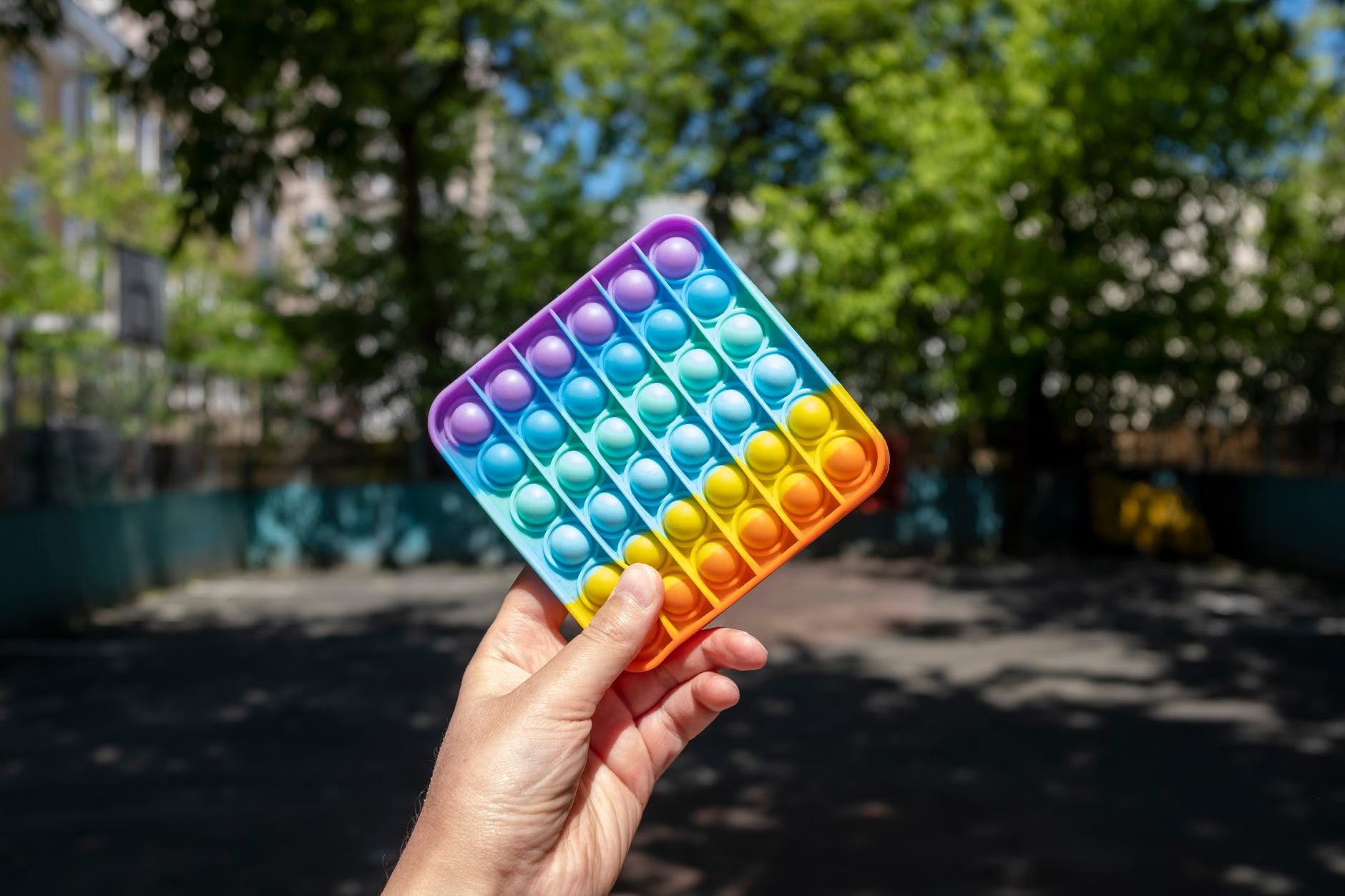
Fidgets are not toys; they are regulation tools. When a child is anxious, their hands often look for something to do. Look for high-quality, quiet fidgets. Avoid anything with loud clicking sounds or bright lights, as these can be distracting to others and potentially overstimulating for the child. Silicone chewable jewelry or textured “tangle” toys are excellent because they provide tactile feedback without creating a scene.
3. Proprioceptive Support
Deep pressure is incredibly grounding. A weighted lap pad is a game-changer for long flights or car rides. If a full weighted blanket is too bulky, look for a weighted stuffed animal or a travel-sized compression vest. These items provide a sense of “container” for the body, which helps the brain feel secure when the environment feels chaotic.
4. Visual and Olfactory Anchors
Sometimes, the world is just too bright. Tinted glasses—specifically those that filter out harsh blue light or fluorescent flickering—can prevent headaches and visual overstimulation. On the olfactory side, a small vial of a calming scent (like lavender or a familiar smell from home) can act as a “safe anchor.” If your child is stressed, the smell of home can provide an immediate sense of psychological safety.
Strategic Packing: Organization is Half the Battle
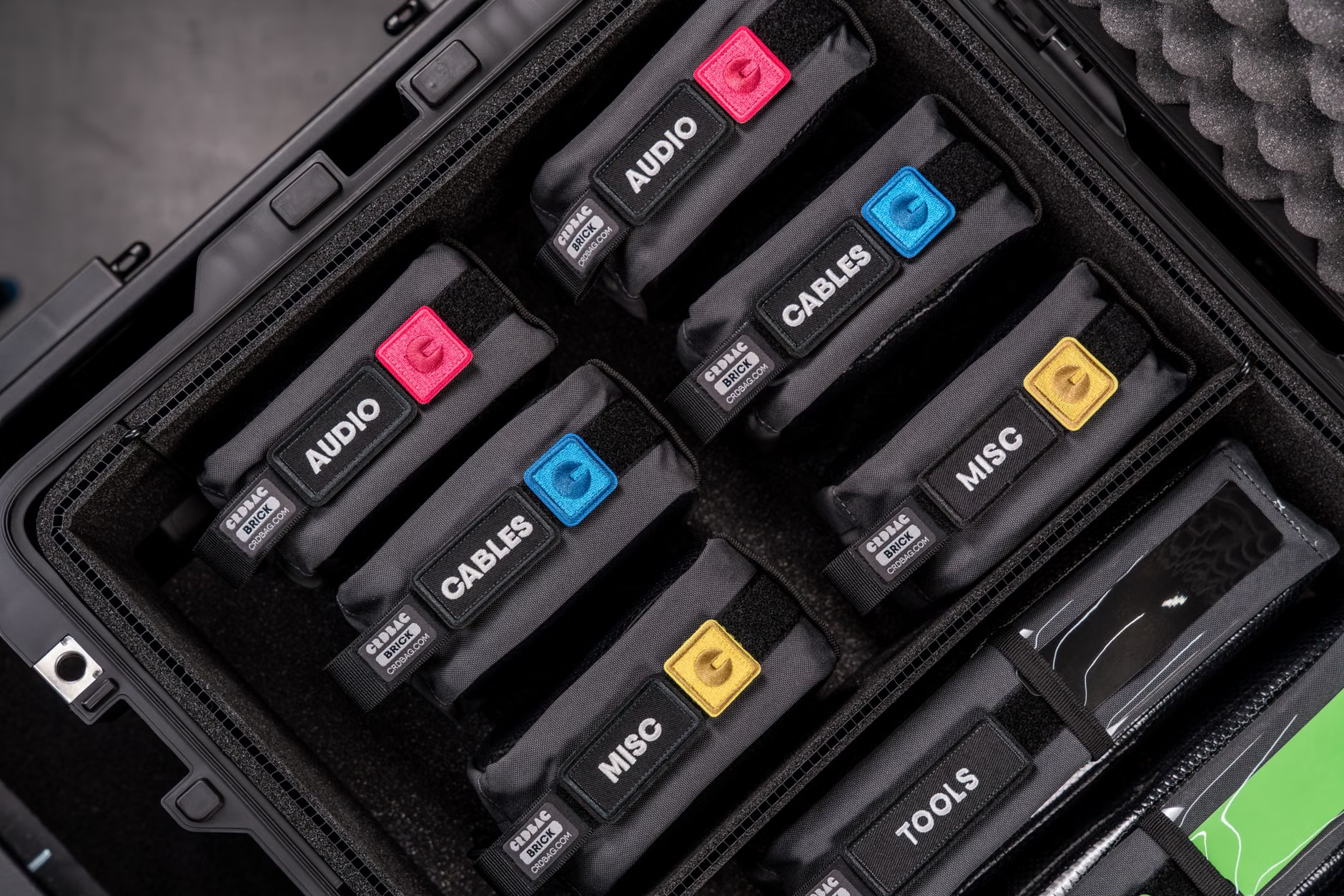
Having the tools is one thing; having them accessible when you need them is another. The biggest mistake parents make is burying these items at the bottom of a carry-on bag. If you are in the middle of a security line and your child is starting to spiral, you cannot afford to dig through a suitcase.
Use a clear, modular packing system. A transparent, zippered pouch that clips onto your main carry-on or the child’s backpack is ideal. This allows for immediate visual access. If the child is old enough, let them be part of the packing process. By letting them choose which fidgets or sensory tools go into the bag, you give them a sense of agency over their own regulation. This “buy-in” is crucial for compliance when they are actually in the middle of a meltdown.
| Category | Item Suggestion | Benefit |
|---|---|---|
| Auditory | Passive Earmuffs | Blocks high-frequency noise without battery reliance. |
| Tactile | Silicone Texture Pads | Provides grounding tactile input without noise. |
| Proprioceptive | Weighted Lap Pad | Deep pressure to calm the nervous system. |
| Visual | Amber-tinted glasses | Reduces harsh glare and blue light stimulation. |
Pre-Trip Desensitization: The “Hidden” Part of the Kit
No kit can replace the power of preparation. A sensory kit is the “reactive” tool, but pre-trip work is the “proactive” tool. Many neuro-diverse children struggle with transitions. The act of leaving home and arriving at a new location is a series of massive transitions.
Use social stories or visual schedules to outline the trip. If you are flying, show them videos of the airport process. Explain the security check—it is often the most stressful part because of the strange rules and sensory intensity. By “pre-loading” the brain with information, you reduce the surprise factor. When the brain knows what to expect, it is far less likely to enter a fight-or-flight state.
Check the airport or destination’s website for sensory-friendly initiatives. Many major international airports now offer “sensory rooms” or quiet zones. Knowing exactly where these are located before you arrive can save you from a frantic search during a moment of crisis.

Common Pitfalls and How to Avoid Them
One common mistake is over-packing. It is tempting to bring every sensory tool you own, just in case. But a cluttered bag is just as stressful as a cluttered room. Stick to the “Goldilocks” approach: bring enough to cover the major bases (noise, touch, pressure), but keep it streamlined. If you bring too many options, you may end up causing “decision fatigue” for your child, which can be just as overstimulating as the travel itself.
Another pitfall is relying on technology as the only solution. Tablets and noise-canceling headphones are fantastic, but what happens when the battery dies? Always have an analog backup. A physical book, a set of drawing materials, or a familiar textured fabric can be the difference between a minor hiccup and a major meltdown when the power runs out.
Finally, avoid the “perfect trip” trap. Even with the best sensory kit in the world, there may be moments where things go wrong. Travel is inherently unpredictable. If a meltdown happens, don’t view it as a failure of your planning. View it as a moment to use the tools you have packed, provide the necessary support, and move forward. Your calm, non-judgmental presence is the most important part of the kit.
One of the hardest parts of traveling with a neuro-diverse child is the social pressure. You may feel like you are being watched by other passengers or that you need to apologize for your child’s behavior. Let’s be clear: you do not owe anyone an explanation for your child’s need for regulation.
Focus on your child’s needs, not the comfort of the strangers around you. If your child needs to wear their noise-canceling headphones for the entire flight, let them. If they need to pace the aisle or sit on the floor to get the proprioceptive input they crave, do what you need to do to keep them regulated. Most people are more understanding than you think, and those who aren’t are not your concern.
When you are in the planning phase, consider the time of day you travel. Red-eye flights might seem like a good idea because the child might sleep, but if they are easily overstimulated by the environment, the disruption to their routine might cause more harm than good. Sometimes, a midday flight when the child is rested and fed is a much better choice than trying to force a schedule that works for adults but fails for the child.
Refining Your Process for Future Trips
Keep a “travel log” of what worked and what didn’t. After each trip, take five minutes to jot down notes. Did the weighted pad help? Did they find the fidgets too distracting? This information is gold for your next adventure. Your kit should evolve as your child grows and their needs change. A kit that worked for a four-year-old will likely need to be completely overhauled by the time they are eight or nine.
Remember that the “sensory kit” is not just a collection of objects; it is a manifestation of your understanding of your child. It is a way of saying, “I see what you need, and I am prepared to help you get it.” That sense of security is often the most powerful tool of all.
Travel is an incredible opportunity for growth and connection. By taking the time to prepare thoughtfully, you are not just managing symptoms; you are creating a framework that allows your family to explore the world with confidence. Start small, stay consistent, and remember that every trip is a learning experience for everyone involved.
Frequently Asked Questions
1. How do I decide which sensory tools are right for my child?
Start by observing your child’s daily sensory preferences. Do they seek out firm hugs or heavy blankets? They likely need proprioceptive input. Do they cover their ears when a vacuum runs? They need auditory protection. Don’t buy a pre-made kit; test individual items at home first to see how your child reacts to them in a low-stress environment before adding them to your travel bag.
2. What if my child refuses to use the tools I pack?
This is common. The key is to introduce the tools during calm times, not just when they are stressed. If you only bring out the noise-canceling headphones when they are already panicking, they may associate the tool with the panic. Make these items part of their daily routine at home so that when you are traveling, the tools feel familiar and comforting rather than like a “correction” tool.
3. How do I handle security checks with sensory items?
Most TSA or international security agents are familiar with sensory tools. If you have any items that look unusual, simply place them in a clear, separate bin. You can also carry a small, informal card explaining that your child has sensory processing needs and that these items are required for their regulation. It is rarely an issue, but being prepared to explain it briefly helps keep your own anxiety levels low.
For further reading on sensory processing and travel support, you may find these resources useful: