The most successful zero-proof dinner party relies on the “principle of abundance”: ensure your non-alcoholic offerings feel like a curated choice rather than a compromise or a secondary thought.
- Prioritize Complexity Over Sugar: Move beyond sodas and juices by using bitters, botanical distillates, and shrubs to mimic the mouthfeel and depth of traditional spirits.
- Manage Cultural Expectations Proactively: Communicate the “zero-proof” theme early in the invitation to avoid awkwardness and allow guests to adjust their expectations.
- The “Glassware Effect”: Serve alcohol-free drinks in the same high-quality crystal or heavy-bottomed glassware you would use for wine or cocktails to signal the same level of occasion.
If you are in your 30s or 40s, you’ve likely noticed a shift in your social circle. Whether it’s due to health goals, early morning parenting responsibilities, or a simple desire to be more present, many of us are drinking less. However, hosting a dinner party when you are the “sober host” can feel daunting, especially when your guest list is multicultural and includes people with varying relationships with alcohol.
The anxiety usually stems from a fear that the evening will feel “less than.” We associate wine pairings and cocktails with a sense of ceremony. The secret is to replace that ceremony, not eliminate it. Here is how you can host a sophisticated, inclusive dinner party that leaves no one missing the booze.
Beyond Soda: Constructing a Sophisticated Zero-Proof Menu
The biggest mistake hosts make is defaulting to sparkling water or sugary fruit juice. In a multicultural setting, where people have diverse palates and dietary habits, these choices often feel childish or uninspired. To create a menu that holds its own, you need to focus on three pillars: acidity, botanical complexity, and mouthfeel.
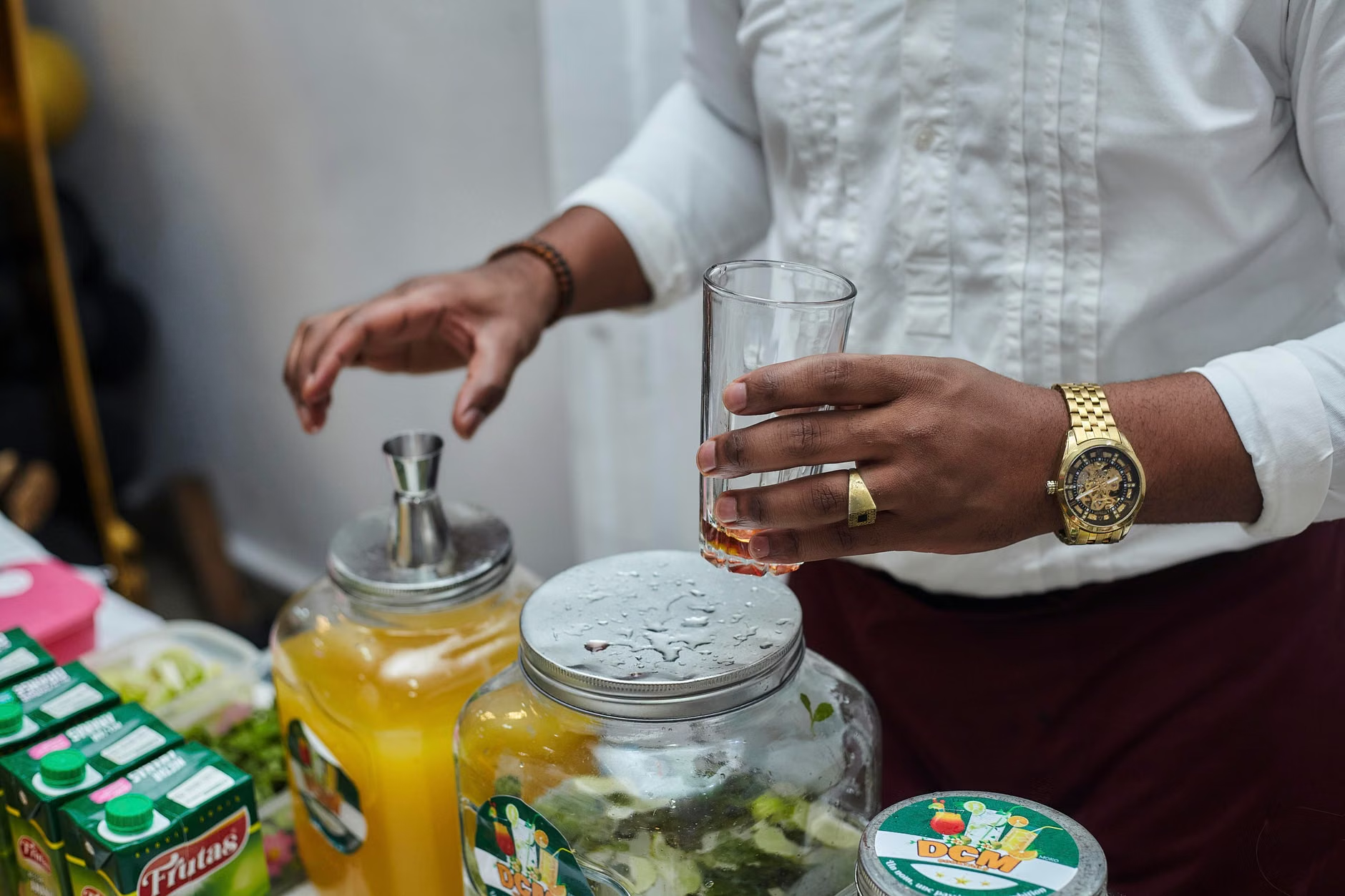
The “Aperitivo” Phase: Start with a drink that has a bitter edge. Bitter flavors signal to the brain that the “drinking” experience has begun. Use non-alcoholic aperitifs (brands like Lyre’s or Seedlip are common globally, but look for local botanical distillates) mixed with a quality tonic or soda water. A classic “Spitz” can be replicated using a non-alcoholic bitter base, a splash of soda, and a twist of orange peel.
The “Main Course” Pairing: This is where it gets tricky. Wine works because of its tannins and acidity. To emulate this, look toward non-alcoholic wines that have undergone vacuum distillation, or create your own “pairings” using fermented teas like Kombucha or Jun. These provide the necessary acidity and depth to cut through rich, fatty dishes like lamb or creamy pasta.
The “Digestif” Close: End the night with something warm or intensely flavored. A house-made shrub (a vinegar-based syrup) mixed with ginger and hot water can provide a spicy, complex finish that aids digestion and feels like a luxury treat.
Managing Cultural Expectations Without Awkwardness
Hosting a multicultural group requires a nuanced approach to communication. In some cultures, alcohol is the central pillar of hospitality; in others, it is strictly forbidden or culturally irrelevant. The goal is to frame your zero-proof decision as a “choice of quality” rather than a “restriction of access.”
The Invitation Strategy: Don’t apologize for the menu. If you frame it as “We are hosting an alcohol-free dinner,” you invite debate. Instead, frame it as: “We’re excited to host you for a special menu featuring artisanal botanical infusions and non-alcoholic pairings.” By focusing on what is there, you shift the focus away from what is missing.
Addressing the “Guest’s Need”: Some guests may still expect alcohol. If your personal values allow, you can offer a “BYOB” option, but this often muddies the atmosphere of a curated zero-proof dinner. A better approach is to offer a “guest-friendly” middle ground: provide a high-end, singular option for those who truly struggle without it, but keep the focus of the event on your carefully crafted mocktails. If you choose to be completely alcohol-free, be prepared to answer questions with confidence: “I’ve curated this menu to pair specifically with these botanical drinks to highlight the flavors of the food.”
Cultural Sensitivity Checklist: Always check for dietary restrictions that might overlap with zero-proof drinks. For example, some non-alcoholic spirits use honey (not vegan) or contain trace amounts of alcohol (less than 0.5%, which may be a concern for some religious observers). Always read the labels.
The Physics of Hosting: Why Glassware and Presentation Matter
Human beings are remarkably susceptible to the “halo effect” of presentation. If you pour a complex, house-made hibiscus and clove infusion into a plastic cup, it will be perceived as “juice.” If you pour that same liquid into a crystal tumbler with a large, clear ice cube and a fresh herb garnish, it is perceived as a “cocktail.”
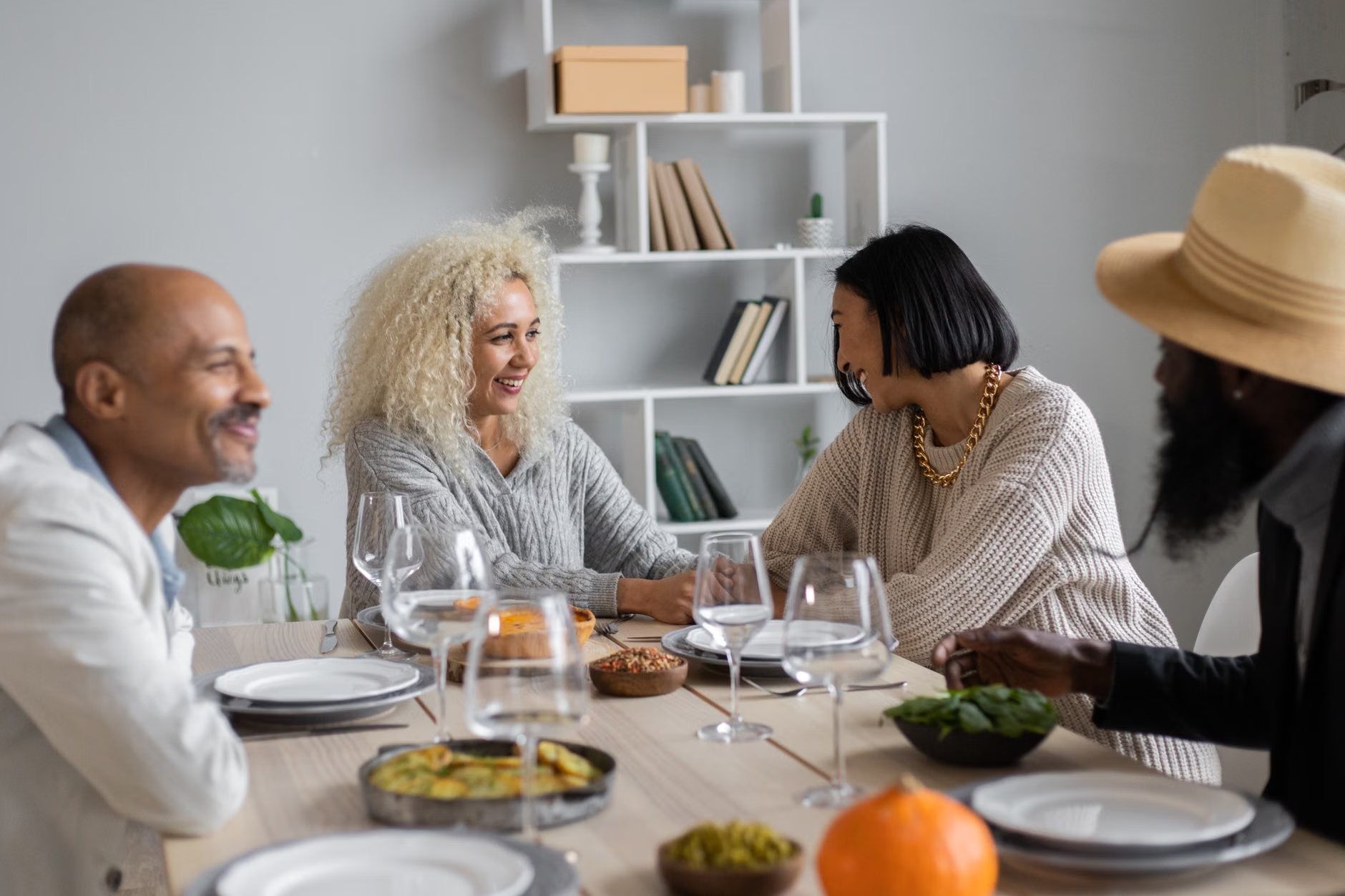
The Glassware Rule: Never serve your drinks in the same glasses you use for everyday water. Use your wine glasses, your coupes, and your highball glasses. The physical act of holding a stemmed glass changes the way we drink and the way we interact with other guests.
Garnishes are Functional, Not Just Aesthetic: A garnish is a sensory bridge. A sprig of rosemary or a slice of star anise isn’t just for show; it adds an aromatic element that hits the nose before the drink hits the tongue. This olfactory stimulation is crucial for mimicking the experience of drinking alcohol, which is largely driven by scent.
Temperature Control: Alcohol-free drinks often lose their appeal faster than alcoholic ones because they lack the “burn” that keeps a drink feeling “alive.” Keep your glassware chilled, use large-format ice (which melts slower), and serve drinks at the appropriate temperature—never lukewarm.
Step-by-Step Execution: The Zero-Proof Workflow
To avoid the stress of being a “bartender” during your own party, you need a workflow that allows you to be present with your guests.
| Phase | Action Item | Goal |
|---|---|---|
| Prep (24h before) | Batch your infusions, syrups, and shrubs. | Reduce active prep time during the party. |
| Setup (1h before) | Set up a “self-serve” station with pre-chilled glasses and ice. | Empower guests to manage their own drinks. |
| Service (During) | Use a “signature pour” for each course. | Create a sense of intentionality and occasion. |
By creating a self-serve station, you remove the pressure from yourself to constantly play “waiter.” Guests in their 30s and 40s generally appreciate the autonomy to mix their own drinks to their preferred strength or sweetness level.
Common Pitfalls and How to Avoid Them
Even with the best intentions, things can go wrong. Here are three common mistakes and how to navigate them:
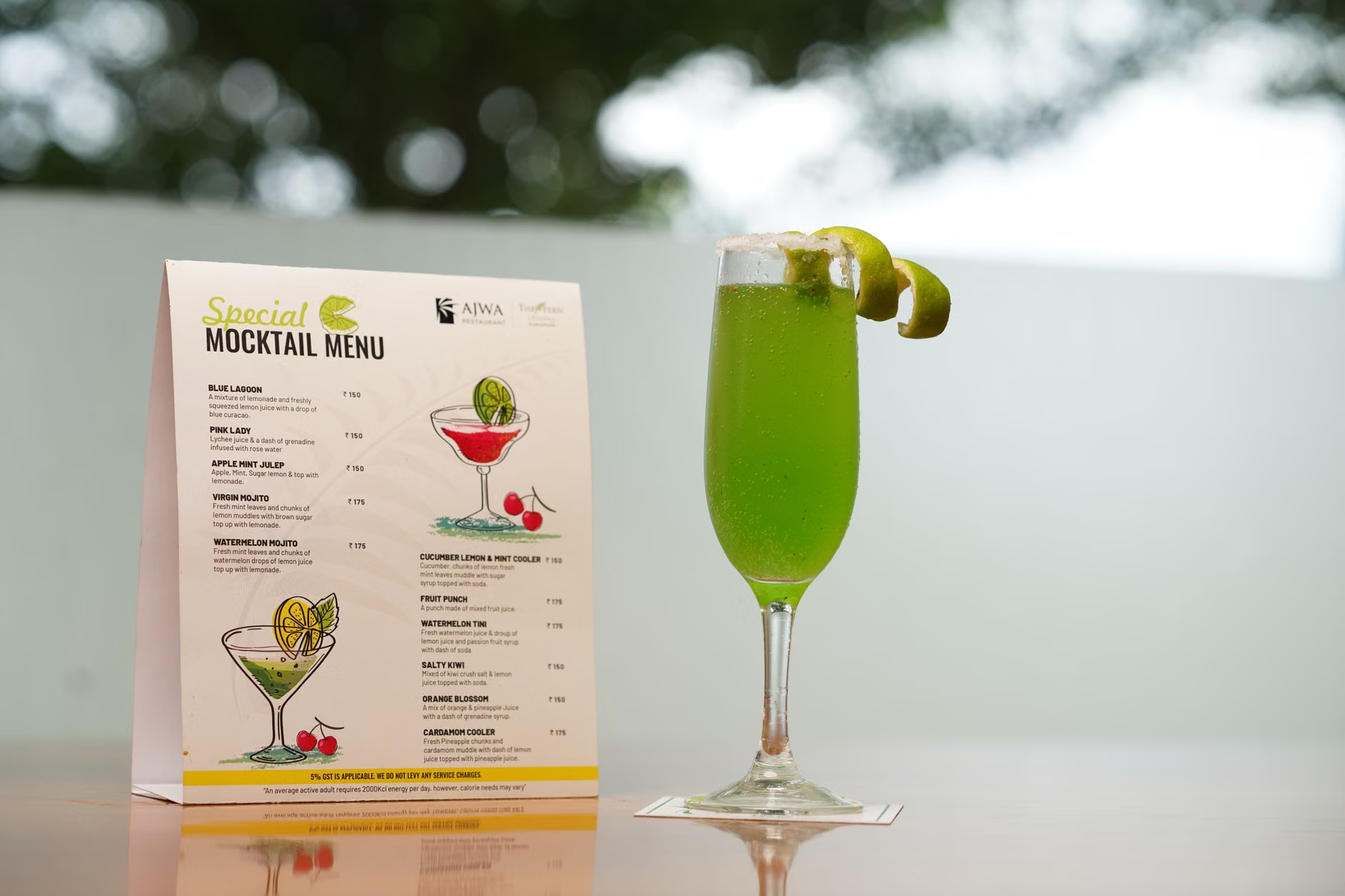
1. The “Sugar Overload”: Many mocktails are just fruit juice masquerading as a cocktail. This leads to a sugar crash, which is the last thing you want at a dinner party. Solution: Always balance your fruit juices with savory elements—think cucumber, celery, fresh herbs, or even a dash of saline solution (salt water) to heighten the flavors.
2. Ignoring the “Sipping Pace”: Without the alcohol, people often drink their beverages much faster. Solution: Ensure you have plenty of volume. If you are serving a “cocktail” course, make sure there is a secondary “water service” that is equally elevated—perhaps infused with mint or cucumber—to keep guests hydrated and pacing themselves.
3. The “Flavor Gap”: Sometimes a drink just lacks “weight.” Solution: Use ingredients that provide mouthfeel. Glycerin, aquafaba (the liquid from a can of chickpeas, which provides a lovely foam), or even a small amount of high-quality olive oil can add a silky texture that mimics the body of an alcoholic spirit.
The Deeper Value of the Zero-Proof Experience
Beyond the food and the drinks, the real value of a zero-proof dinner party is the quality of conversation. In our 30s and 40s, we are often exhausted. A dinner party that doesn’t involve alcohol often leads to deeper, more coherent conversations. You aren’t just “hanging out”; you are actually connecting.
When you remove the social lubricant of alcohol, you are essentially asking your guests to be fully present. This is a gift. It allows for a level of vulnerability and clarity that is rarely found in traditional, alcohol-heavy settings. Your guests may arrive expecting a party, but they will leave feeling refreshed—a rare outcome for a late-night social event.
If you find that some guests are struggling with the lack of alcohol, don’t take it personally. Acknowledge it, offer a high-quality alternative, and keep the energy of the party moving. The strength of your hosting lies in your confidence. If you treat the zero-proof menu as a premium, thoughtful experience, your guests will follow your lead.
As you plan your next gathering, start small. Pick one “signature drink” that reflects the theme of your dinner. Master the balance of that one drink, and build your confidence from there. Remember, the goal is not to prove a point about sobriety, but to host an evening that is memorable, delicious, and inclusive of everyone at the table.
Frequently Asked Questions
Q: Should I tell guests in advance that the party is alcohol-free?
A: Yes, transparency is key. It prevents guests from showing up with a bottle of wine they expect to share, which can create an awkward “where do I put this?” moment. Frame it in the invitation as a “curated alcohol-free menu” to set the right tone.
Q: What if a guest brings alcohol anyway?
A: Don’t panic. If they bring a bottle, graciously accept it and put it aside. You don’t need to serve it, but you don’t need to make a scene either. If they ask, simply explain that you’ve designed a specific menu of non-alcoholic pairings that you’re excited to share with them.
Q: How do I handle the “social buzz” that usually comes with drinking?
A: The social buzz is often just a result of people relaxing. You can replicate this by creating an environment that feels “special.” Good lighting, a thoughtful playlist, and a structured flow to the evening (e.g., an appetizer course, a main, and a dessert) will naturally create a sense of occasion that makes people feel festive without the need for alcohol.
For further inspiration on alcohol-free mixology and hosting, you can explore resources from organizations like Club Soda, which provides comprehensive guides on the mindful drinking movement and hosting inclusive events.