- Value Retention: High-end classic pieces often retain 60-80% of their value, making them superior to fast-fashion “trends” that lose all worth within a season.
- Authenticity is Non-Negotiable: Always prioritize platforms or boutiques that offer a physical, multi-step authentication process rather than relying solely on peer-to-peer marketplaces.
- The “Cost-per-Wear” Metric: Evaluate purchases by dividing the price by the number of times you will realistically wear the item over five years; luxury second-hand often wins this calculation.
The smartest investment in your wardrobe isn’t necessarily something brand new; it is often a high-quality, pre-owned piece that has already survived the initial depreciation curve of the retail market. For those of us balancing professional responsibilities, children, and a desire for a curated personal style, the “second-hand” luxury movement has moved from a niche hobby to a primary strategy for building a functional, long-lasting closet.
When you are in your 30s or 40s, your relationship with “stuff” changes. The thrill of a bargain fades, replaced by the frustration of fast-fashion items that lose their shape or stitching after three cycles in the laundry. We are moving toward a model where we buy less but buy better—and often, “better” is found in the secondary market.
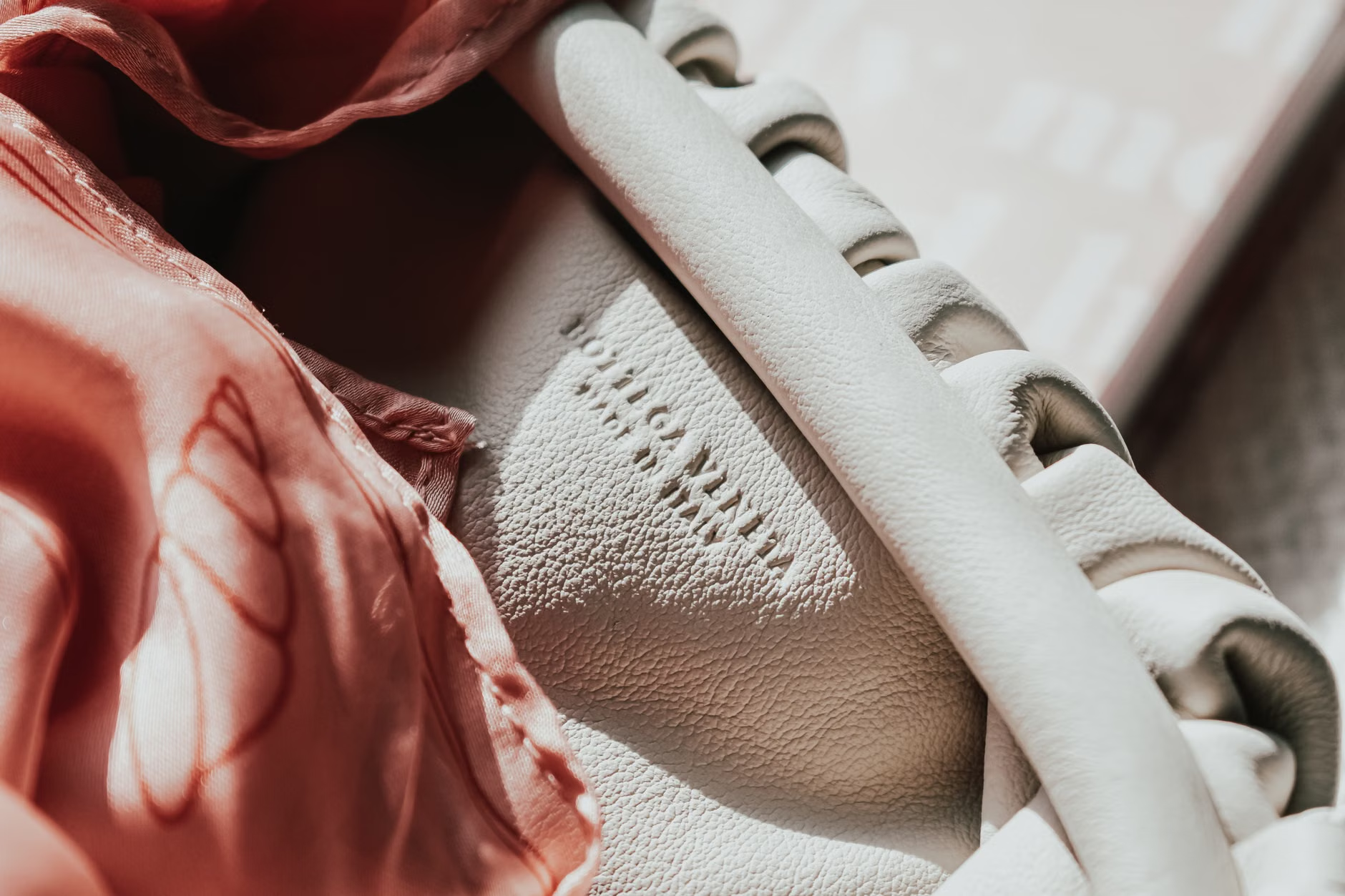
Why the Secondary Market Now Dominates the “Quiet Luxury” Trend
The rise of the “second-hand” movement isn’t just about environmental consciousness, though that is a massive factor. It is about the hunt for quality that is no longer standard in high-street manufacturing. If you look at luxury garments produced 10 or 15 years ago, the weight of the silk, the density of the wool, and the reinforcement of the seams are often superior to current-season equivalents.
For the busy professional, this matters because it impacts your daily routine. A well-constructed blazer bought second-hand will hold its structure through a hectic morning commute, a day of meetings, and a school pickup. Fast fashion, conversely, requires constant maintenance—ironing, steaming, and worrying about fabric pilling. You aren’t just buying a brand; you are buying the assurance of longevity.
Moreover, the secondary market allows you to access “investment-grade” pieces that would otherwise be out of budget. By targeting classic silhouettes—trench coats, structured leather bags, or wool-cashmere blends—you are essentially acquiring assets that hold value. Unlike a seasonal trend piece that looks dated by next year, these items are the “blue chips” of fashion.
The Math of Investment: Understanding Depreciation and Value
Many people hesitate to buy second-hand because they view it as “used.” This is a psychological barrier that costs you money. In reality, retail luxury goods suffer from a “first-owner tax.” The moment you walk out of a flagship store with a new bag, its resale value drops by 20% to 40% immediately.
By purchasing from a reputable boutique or secondary platform, you are letting someone else pay that “first-owner tax.” You step into the item at its stabilized price point. If you take care of it, you can often resell it years later for nearly what you paid—or sometimes even more, if it becomes a vintage classic.
The Cost-Per-Wear (CPW) Framework
To decide if a second-hand purchase is worth it, use the CPW metric. Let’s look at a hypothetical scenario involving a high-end designer leather tote:
| Factor | Retail Purchase | Second-Hand Purchase |
|---|---|---|
| Initial Price | $3,000 | $1,800 |
| Estimated Resale (5 years) | $1,200 | $1,400 |
| Total Net Cost | $1,800 | $400 |
| Estimated Uses (5 years) | 500 | 500 |
| Cost Per Wear | $3.60 | $0.80 |
The table above illustrates that the second-hand option isn’t just cheaper; it is exponentially more efficient. When you view your wardrobe as a financial portfolio, the logic of buying pre-owned becomes undeniable. You are essentially “renting” the utility of the item for a fraction of the cost, with the option to liquidate it later.
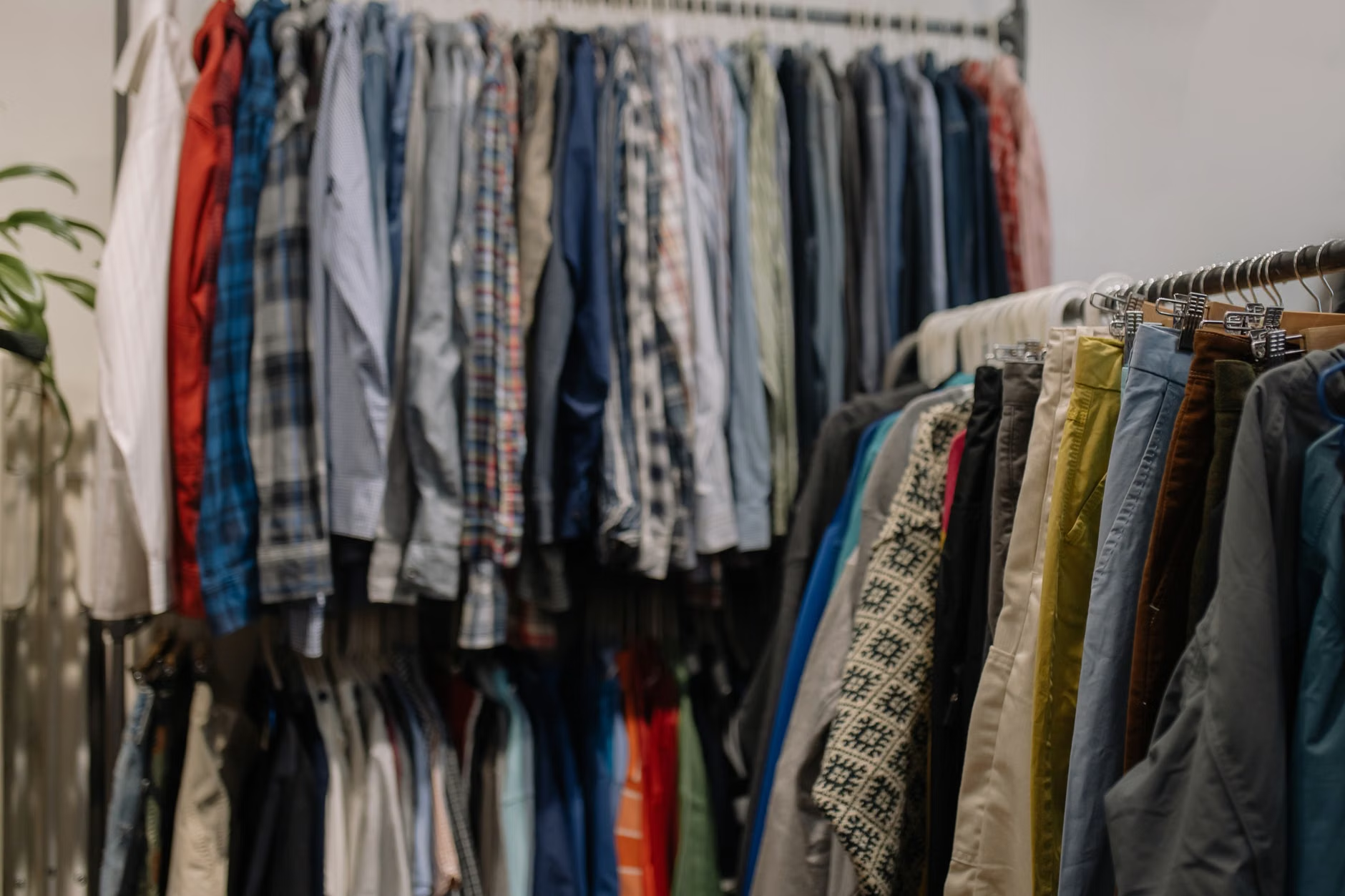
The biggest fear in this market is, understandably, the counterfeit. The market is flooded with “super-fakes”—replicas so good that they can fool an untrained eye. This is why you must change your sourcing strategy. Avoid random social media marketplaces where the seller has no reputation to lose.
Instead, focus on boutiques or platforms that offer guaranteed authentication. Look for platforms that use a combination of AI and human experts to verify items. If a deal looks too good to be true, it almost certainly is. A Chanel bag listed for 10% of its market value is a red flag, not a lucky find.
The “Condition Assessment” Checklist
When you are in a local boutique or browsing online, follow this decision rule for condition:
- Hardware: Are the zippers smooth? Is there significant tarnishing on the metal? Minor scratches are acceptable, but failing mechanics suggest a fake or a neglected item.
- Stitching: Look for consistency. Luxury houses use specific, uniform stitch patterns. If the thread is frayed or uneven, it is a sign of poor craftsmanship.
- Interior Lining: This is where most fakes fail. Check the quality of the fabric and the placement of labels.
- Odor: This is an often-overlooked variable. Does it smell like heavy perfume or cigarette smoke? These are notoriously difficult to remove from high-end materials like leather or wool.
Building a Sustainable Wardrobe in Your 30s and 40s
As we navigate our 30s and 40s, we have less time to curate our look every morning. The solution is a “capsule wardrobe”—a collection of versatile, high-quality pieces that all work together. Second-hand shopping is the most effective way to build this without spending a fortune.
Start by identifying the “gaps” in your closet. Do you need a neutral coat that works for both school runs and office meetings? A high-quality wool-blend coat from a reputable designer, bought second-hand, will serve you for a decade. Avoid the temptation to buy “statement” pieces that you will only wear once. Focus on the foundation: tailored trousers, classic knitwear, and durable leather goods.
Common mistake: Buying a size “because it’s a deal.” If it doesn’t fit you perfectly today, do not buy it. Alterations can be expensive and sometimes impossible on structured luxury garments. Only purchase items that fit your current body and lifestyle.
The Hidden Costs and Trade-offs
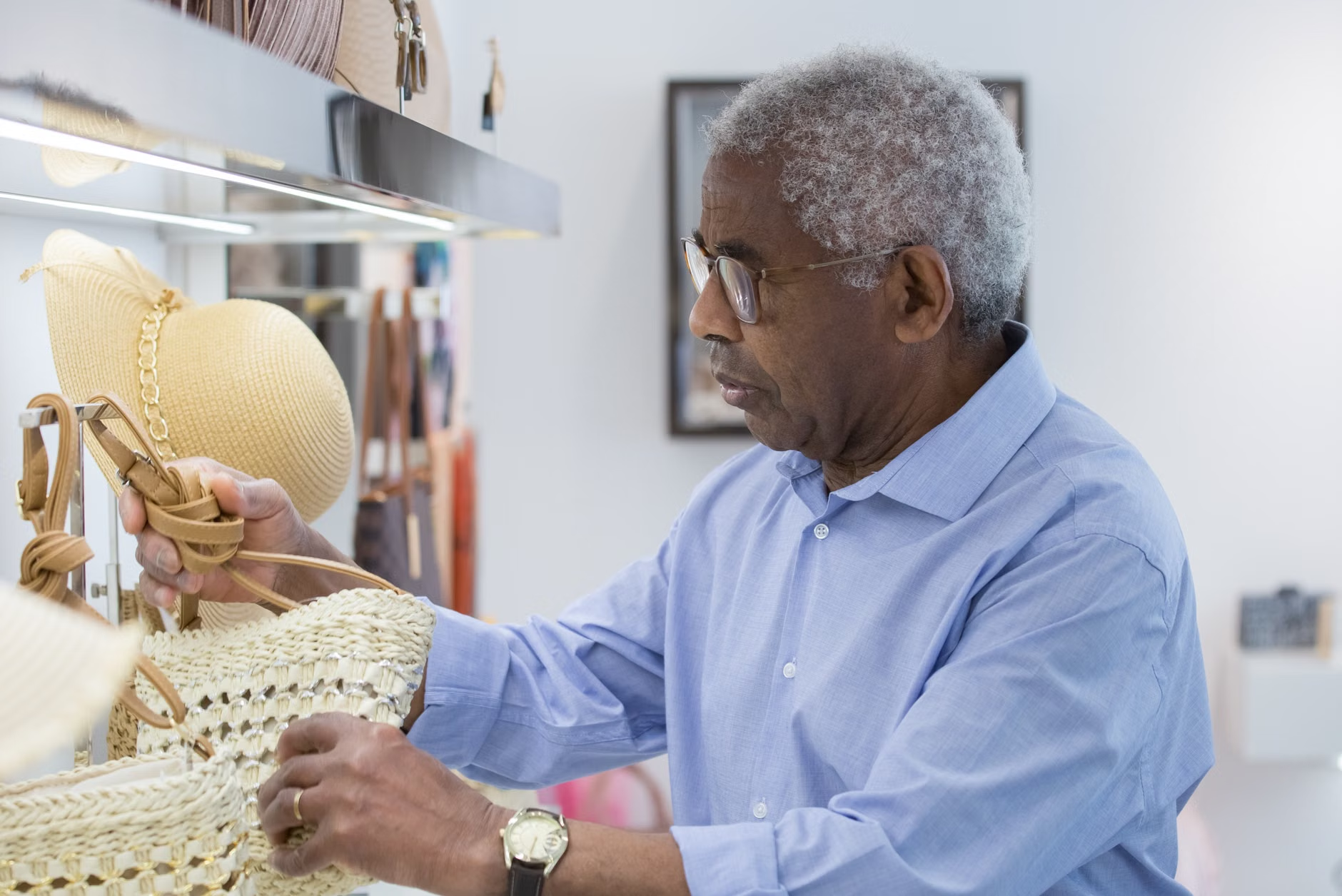
While the financial benefits are clear, we must address the hidden trade-offs. The primary one is time. Unlike walking into a department store and buying a fresh item in your size, second-hand shopping is a search mission. You may have to visit three different boutiques or refresh a page for weeks to find the specific item you want in the condition you require.
If your time is worth more than the savings you generate, then this model might not be for you. However, for many, the “hunt” is part of the appeal. It turns shopping into a hobby rather than a chore. Another trade-off is the lack of a warranty. When you buy from a boutique, you have no recourse if the item breaks two months later. This is why you must prioritize items with a history of durability.
Final Recommendations for Your Next Move
If you are new to this, start small. Do not start by hunting for a rare vintage handbag. Start by looking for high-quality cashmere sweaters or silk scarves in a trusted local consignment shop. These items are easier to authenticate and offer a lower entry price, allowing you to get comfortable with the process.
Your goal should be to shift from a “consumer” to a “curator.” Every piece in your closet should have a purpose and a place. By choosing to purchase second-hand, you are not just saving money; you are participating in a circular economy that values craftsmanship over mass production. It is a more mature, thoughtful way to dress, and it reflects a lifestyle that prioritizes quality, sustainability, and long-term value.
For more information on the authentication standards used by major platforms, you can review the guidelines provided by organizations such as the Rebag Authentication Standard or similar industry leaders that have standardized the verification process for the secondary market.
Frequently Asked Questions
Q: How can I tell if a second-hand luxury item is authentic if I am shopping in a local boutique?
A: Always ask to see the documentation or the “certificate of authenticity” provided by the boutique. Reputable stores often provide their own internal guarantee. If they cannot explain their authentication process (e.g., how they verify stitching, hardware, and serial numbers), walk away.
Q: Is it safe to buy second-hand shoes?
A: Shoes are a “high-wear” item. While you can find lightly used designer heels, avoid buying worn-in sneakers or boots where the sole has been molded to someone else’s foot. The health and comfort of your feet are worth more than the savings.
Q: What is the best way to clean pre-owned luxury items?
A: Never attempt to clean high-end leather or delicate fabrics at home using standard household products. Always take them to a professional leather specialist or a high-end dry cleaner who has experience with luxury labels. The cost of professional care is an essential part of the “maintenance” budget for your investment pieces.
Remember: The most sustainable item in your wardrobe is the one you already own. When you do choose to add to it, choose wisely, verify thoroughly, and enjoy the lasting quality that comes with a well-selected pre-owned piece.