- Prioritize “Flow” over “Fitness”: Coastal cycling for the 30s and 40s demographic is about sustainable movement—aim for 20–30km per day to keep it restorative rather than competitive.
- The 70/30 Gear Rule: Invest 70% of your prep budget into comfort (saddle, ergonomic grips, hydration) and 30% into safety/maintenance tools to prevent mid-ride frustration.
- Strategic Logistics: Choose routes with “bail-out” points near public transport or cafes; never commit to a linear route that lacks an escape plan if fatigue or weather shifts occur.
If your idea of a weekend “adventure” has shifted from high-intensity mountain biking to finding a route that doesn’t leave your lower back screaming, you are exactly where you need to be. The “Slow-Adventure” movement isn’t just a trend; it is a necessary pivot for those of us in our 30s and 40s who are juggling career demands, parenting, and a desire to actually enjoy our time off rather than just ticking off physical training boxes.
Coastal cycling is the quintessential slow-adventure. It provides the rhythm of the ocean, the predictability of flat terrain (usually), and the built-in reward of finding a quiet café or beach at the end of a stretch. But the difference between a rejuvenating weekend and a logistical headache lies in how you approach the planning.
Why “Slow” is the New “Pro” in Coastal Cycling
In our 20s, we might have viewed a 100km ride as a badge of honor. In our 30s and 40s, the priority shifts to recovery, enjoyment, and the ability to function on Monday morning. Slow-adventure cycling focuses on the “micro-tour”—a weekend trip that prioritizes the sensory experience over the odometer.
Why does this matter? Because when you remove the pressure of speed or distance, you regain the ability to notice the environment. You stop for the local bakery, you take the photo of the tide pool, and you actually talk to your riding partner. This isn’t just “leisure”; it is a cognitive reset. Research from the Journal of Environmental Psychology consistently shows that “soft fascination”—the kind of attention given to natural scenery—is significantly better at restoring cognitive resources than high-intensity exercise.
To put this into practice, you need to change your measurement of success. Instead of asking, “How fast can I cover this stretch?” ask, “How many points of interest can I link together?” A 25km ride with three stops for food or scenery is vastly superior to a 60km ride where you are too exhausted to look at the view.
Building Your “Bail-Out” Strategy
The most common mistake people make when planning a coastal weekend is assuming that a route will go exactly as planned. Weather changes, wind resistance on the coast can be brutal, and sometimes, you just hit a wall. If you are cycling with family or after a long work week, a rigid itinerary is your enemy.
A “bail-out” strategy is your safety net. Before you leave, map out your route using a tool like Komoot or Strava, but specifically look for these three markers:
- Public Transit Intersections: Identify train stations or bus stops that allow bicycles. If you get tired, or if the kids have had enough, being able to hop on a local train is the difference between a fun day and a disaster.
- The “Mid-Point” Café: Never plan a ride longer than 15km without a planned stop. This isn’t just for food; it’s for psychological pacing. Having a destination keeps morale high.
- Topography Check: Coastal doesn’t always mean flat. Use terrain maps to check for “headland climbs.” A 50-meter elevation gain might not sound like much, but with a loaded bike and a 20km/h headwind, it can feel like a mountain.
If you are traveling with children, the “bail-out” strategy is even more critical. Kids don’t care about your mileage goals. They care about whether they are tired or hungry. Always plan for the “slowest rider” pace, which is usually 10–12km/h on a path. If you plan for 15km, you will never be disappointed.
The Gear Hierarchy: Comfort Over Performance
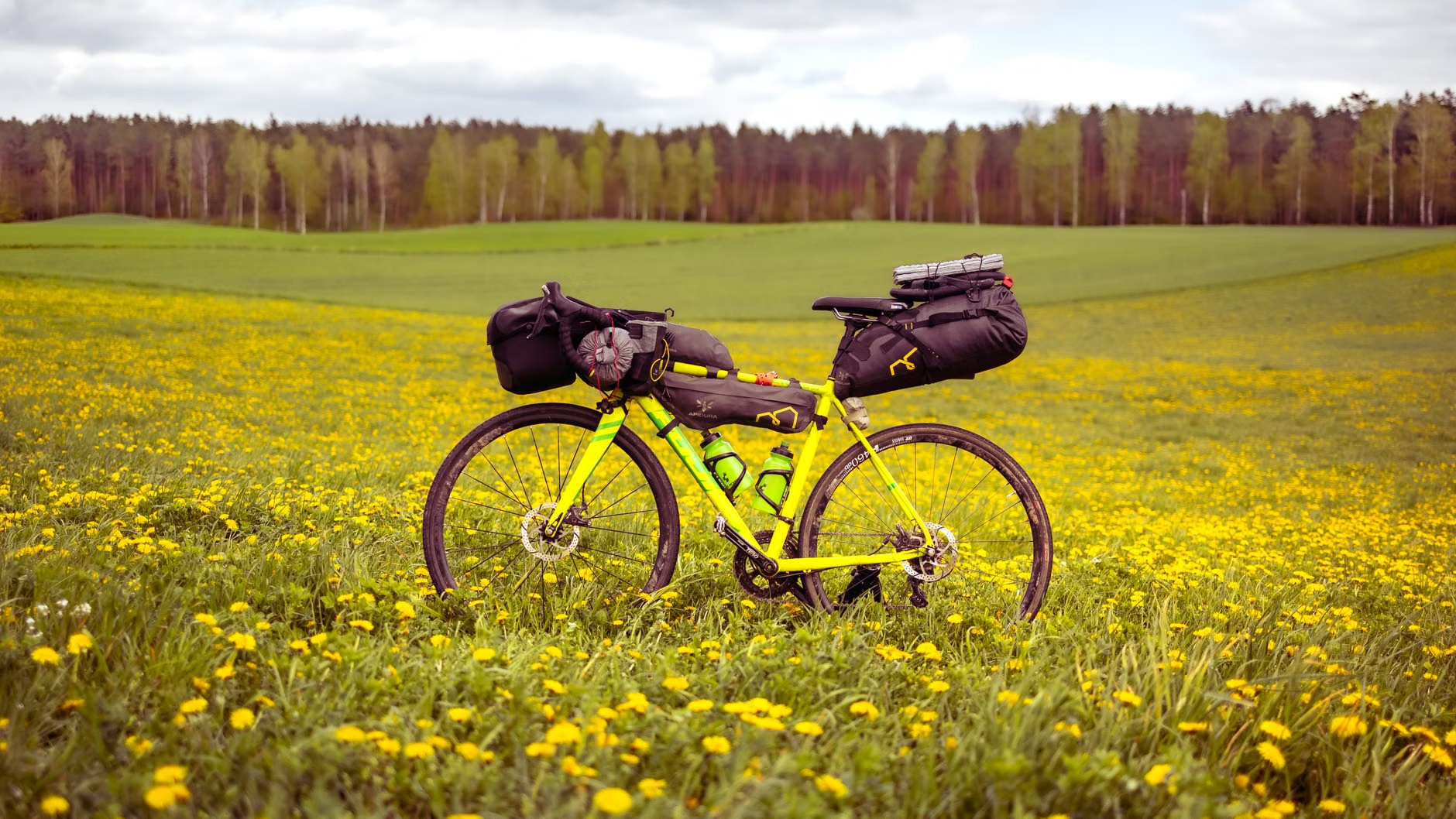
You don’t need a carbon-fiber, top-tier road bike to enjoy the coast. In fact, those bikes are often less comfortable for slow-adventure touring because they force you into an aggressive posture that puts strain on your neck and wrists. For the 30s-40s demographic, the “Hybrid” or “Gravel” bike is king.
| Component | Why it Matters | The “Slow-Adventure” Upgrade |
|---|---|---|
| Saddle | Long-term comfort | Look for gel-padded or ergonomic cut-outs. |
| Grips/Tape | Nerve health | Ergonomic wing-shaped grips prevent wrist numbness. |
| Tires | Stability | Wider tires (32mm+) offer better grip on sandy paths. |
| Storage | Weight distribution | Use panniers instead of a backpack to save your back. |
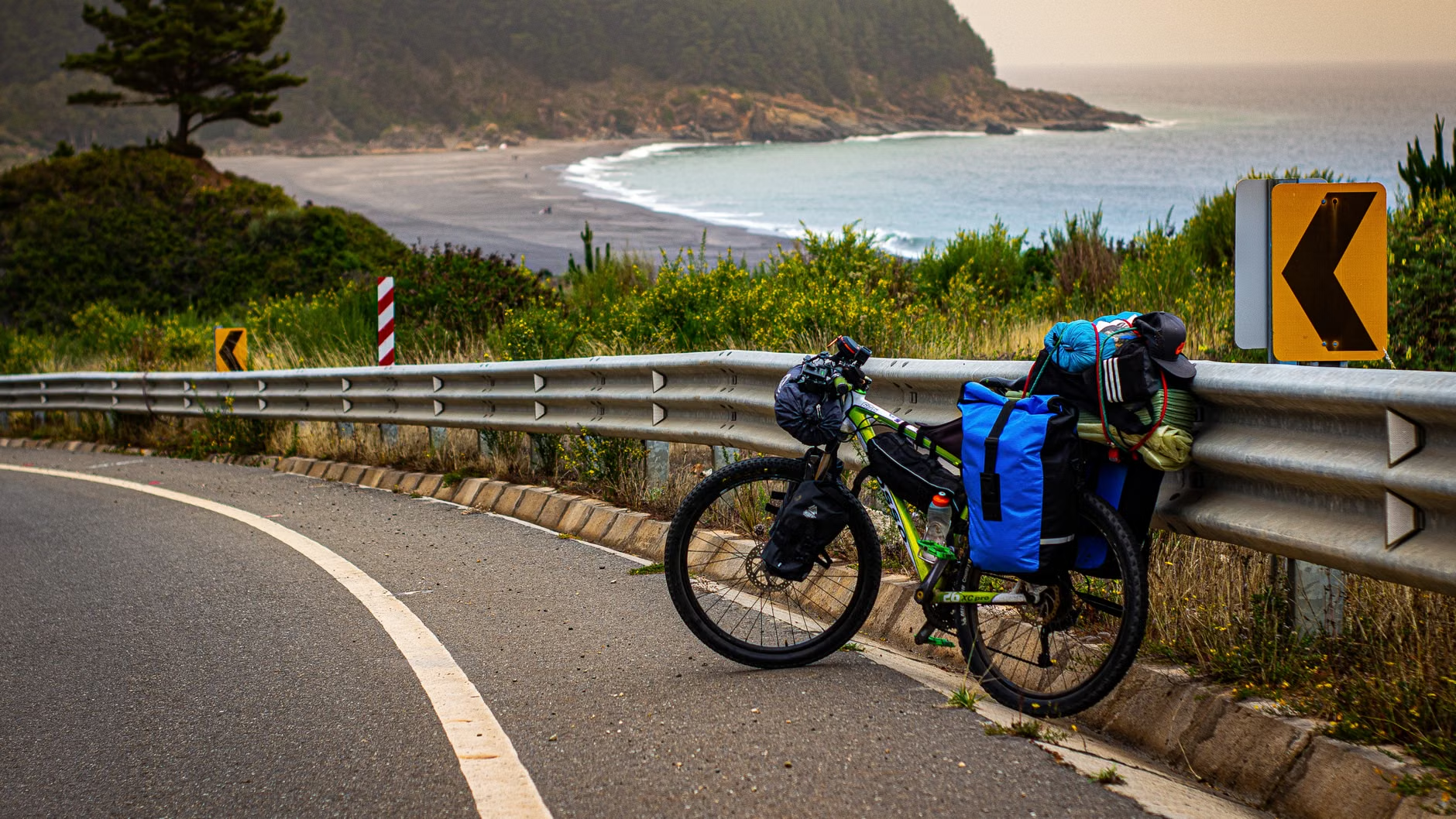
The key insight here is weight distribution. Even for a weekend, many people fall into the trap of wearing a heavy backpack. This is a common source of fatigue. Move that weight to the bike. A simple rear rack and a single pannier bag will change your entire experience. Your back will stay cool, and your center of gravity will be lower, making the bike feel much more stable on uneven coastal paths.
Mastering the Coastal Wind: A Practical Guide
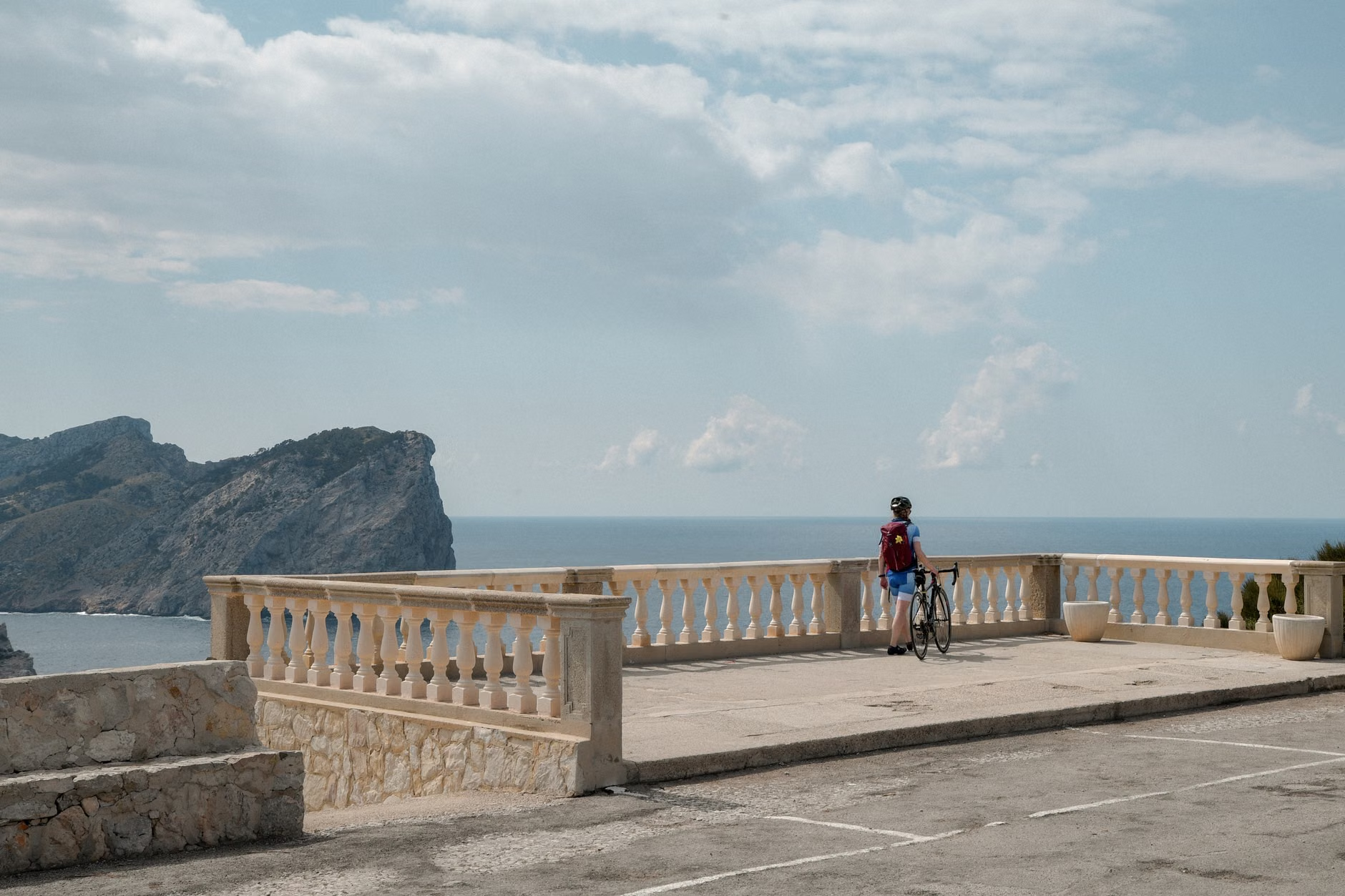
If you have ever cycled by the ocean, you know the wind is not just a nuisance—it is a force of nature. Coastal winds often follow a predictable pattern: they are usually stronger in the afternoon. This is why the best “slow-adventure” strategy is to front-load your ride.
Start early. If you want to cover 30km, aim to finish by 1:00 PM. By doing this, you avoid the strongest midday winds, you get the best light for photography, and you arrive at your lunch spot before the weekend crowds descend. If you are riding an “out-and-back” route, always check the wind direction. If the wind is blowing from the North, ride North first. It is much better to have a tailwind on the way back when your energy levels are naturally dipping.
Another overlooked variable is the tide schedule. Many beautiful coastal paths are actually low-tide shortcuts. If you arrive at high tide, you might find your path submerged or unrideable. Check your local maritime authority’s tide charts before you set out. It takes two minutes and can save you a 5km detour through heavy traffic.
Mental Prep: The Art of the “Un-Itinerary”
As professionals in our 30s and 40s, we are used to optimizing every minute of our lives. We have calendars, project management apps, and tight schedules. The most difficult part of a slow-adventure is actually switching off that “optimization mode.”
When you are on the bike, give yourself permission to be inefficient. If you see a side path that looks interesting, take it—even if it adds 2km. If you find a spot that is perfect for a coffee, stay for an hour. The goal is not to reach the destination; the goal is to be present in the journey.
This is where the “30% wit” comes in. If you find yourself getting stressed because you are behind schedule, remember: you aren’t a delivery rider. You are a tourist of your own life. The only deadline is sunset. If you miss a sight? That’s just an excuse to come back another time.
Maintenance Basics for the Weekend Warrior
You don’t need to be a bike mechanic, but you do need to be “self-sufficient enough.” The worst-case scenario on a coastal ride is a flat tire three kilometers from the nearest town. It’s not dangerous, but it is incredibly annoying and ruins the “slow” vibe.
Before you leave, perform the “ABC” check:
- Air: Check your tire pressure. Most tires have the recommended PSI printed on the sidewall. A soft tire is a magnet for thorns and debris.
- Brakes: Ensure your brake pads aren’t worn down to the metal. Coastal salt air can corrode cables faster than you’d expect; a quick squeeze check is essential.
- Chain: A little bit of lube goes a long way. If your chain is squeaking, it’s not just annoying—it’s wasting your energy and wearing out your components.
Carry a small “emergency kit” in your pannier. It should include a multi-tool (with a chain breaker if you’re ambitious), a spare tube, tire levers, and a mini-pump. You can find excellent video tutorials on how to change a flat tire on platforms like YouTube; watching one 10-minute video before your trip will give you more confidence than carrying a whole bike shop worth of tools you don’t know how to use.
The Hidden Costs of Coastal Cycling
One aspect rarely discussed is the impact of salt air on gear. If you are doing this regularly, you need to be aware of the “salt tax.” Salt is corrosive. If you leave your bike in the garage after a coastal ride without a quick wash, you will find rust on your chain and derailleur within a few weeks. Always give your bike a quick rinse with fresh water after a weekend at the coast. It’s a five-minute task that will save you hundreds of dollars in repair costs over the long term.
Another cost to consider is hydration and nutrition. Coastal paths are often “food deserts.” You might ride for 20km without seeing anything more than a vending machine. Always carry 20% more water than you think you need. A good rule of thumb is 500ml per hour of riding. If you are riding in the heat, increase that. Don’t rely on finding a shop open on a Sunday afternoon in a small coastal town; those small businesses often have unpredictable hours.
Final Next Steps for Your Weekend
To turn this guide into action, start by picking a 20km route that you can do in under three hours. Look for a path that has at least one train station or bus stop halfway through. Don’t worry about the gear you don’t have—focus on making your current bike as comfortable as possible for a two-hour window.
The beauty of the slow-adventure is its scalability. You can start with a Saturday morning ride and slowly build it into a full weekend trip with an overnight stay. The primary goal is to maintain the balance between physical activity and mental restoration. You are building a habit that keeps you moving, keeps you outdoors, and—most importantly—keeps you sane.
If you’re looking for official resources to help plan your routes, check out Cycling UK or your local national trail association websites. They provide excellent, vetted route maps that include elevation data and accessibility information.
Frequently Asked Questions
Q: Should I buy an e-bike for these weekend trips?
A: If you are riding in hilly coastal areas or with children, an e-bike is a game-changer. It flattens the hills and allows you to travel further without arriving at your destination completely exhausted. However, for flat coastal paths, a regular hybrid bike is often lighter and easier to transport on trains or car racks.
Q: How do I handle cycling with young children on coastal paths?
A: The most important rule is to stick to dedicated, car-free cycle paths. Look for “National Cycle Network” routes. Avoid any road-based cycling unless it’s a very quiet local lane. Use a trailer or a “tag-along” bike if the kids aren’t confident riders, and always plan for 30-minute play stops every 5km.
Q: What is the best time of year for coastal cycling?
A: The “shoulder seasons” (late spring and early autumn) are generally superior to summer. You avoid the peak tourist traffic, the temperatures are more manageable for sustained physical activity, and the coastal paths are significantly less crowded. If you must ride in summer, start at sunrise to beat the heat and the crowds.
Disclaimer: This article is for informational purposes only. Always check local traffic laws and trail regulations before setting off. Ensure your equipment is in good working order and prioritize safety at all times.