- Energy-buffer pricing, or Time-of-Use (TOU) billing, charges you less for electricity when demand is low, allowing you to save money by shifting heavy appliance usage to off-peak hours.
- Automation is the bridge between complex utility pricing and your busy schedule; you don’t need to manually monitor rates if your smart appliances can “wait” for the cheapest window.
- Focus your automation efforts on “high-wattage” appliances—specifically HVAC systems, electric water heaters, and laundry machines—to see the most significant impact on your monthly utility statement.
If you have ever looked at your electricity bill and wondered why it feels like you are paying a premium just for doing a load of laundry on a Tuesday evening, you are not alone. Utility companies are increasingly shifting toward a model called Time-of-Use (TOU) or “energy-buffer” pricing. In simple terms, electricity is treated like a commodity: when everyone is home, cooking, and watching TV, the cost per kilowatt-hour (kWh) spikes. When the city is asleep, the cost drops.
For parents balancing a career, school runs, and household management, manually tracking these fluctuating rates is impossible. You have enough on your plate without needing to become a day trader for your dishwasher. The good news is that modern smart home technology was practically built to solve this exact problem. By moving from manual operation to automated “energy-buffering,” you can let your appliances do the waiting for you.
Understanding the Mechanics of Energy-Buffer Pricing
To master your utility bill, you first need to understand that the grid is a living, breathing entity. During the late afternoon and early evening—often called “peak hours”—the demand for electricity is at its highest. Power plants must ramp up production, sometimes turning to more expensive, less efficient sources to keep up. This cost is passed directly to you.
Energy-buffer pricing is the utility company’s way of asking you to help them balance the load. They offer lower rates during “off-peak” hours (usually late at night or early morning) to incentivize you to move your high-energy tasks to those times. If you can “buffer” your energy consumption—meaning you delay high-energy tasks until the price is low—you are essentially getting a discount on every chore you perform.
Think of it like a grocery store sale. You wouldn’t buy your entire month’s worth of food at a convenience store at 2:00 AM if you could wait for a sale at the supermarket. Energy-buffer pricing turns your home into that supermarket, provided you have the right tools to manage the timing.
The Hierarchy of Energy Consumption
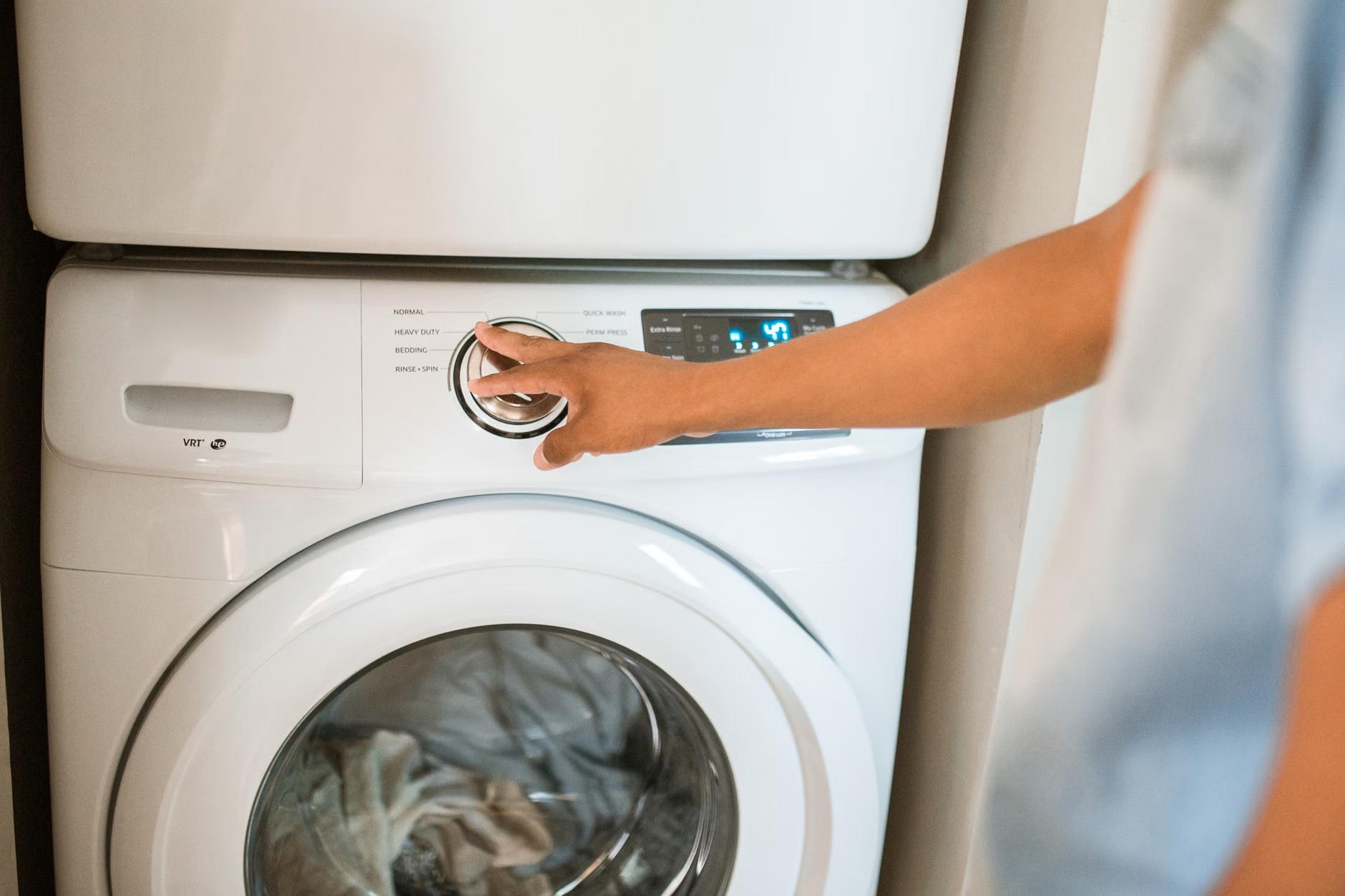
Not all appliances are created equal when it comes to your bill. If you want to see a real difference, stop worrying about your LED light bulbs or your phone charger. You need to focus on the “Big Three”: heating/cooling systems, laundry machines, and water heaters. These devices generate the vast majority of your energy consumption.
| Appliance Type | Energy Impact | Automation Strategy |
|---|---|---|
| HVAC (Heating/Cooling) | Very High | Pre-cool/pre-heat before peak hours |
| Electric Water Heater | High | Smart timer/controller |
| Laundry (Washer/Dryer) | Moderate/High | Delay start for off-peak windows |
| Dishwasher | Moderate | Eco-mode with delay |
The HVAC system is the biggest culprit. In many regions, the difference between peak and off-peak rates can be as high as 300%. By using a smart thermostat to “pre-cool” your house by two degrees before the peak window begins, you allow the system to coast through the expensive hours with minimal usage. This is the essence of energy-buffering: using energy when it is cheap to store “comfort” for when it is expensive.
Setting Up Your Automated Buffer System
You do not need a degree in electrical engineering to set this up. Most modern smart appliances—or even “dumb” ones connected to a smart plug—can be programmed to follow a schedule. The key is aligning that schedule with your local utility’s specific rate tiers.
Step 1: Identify your rate plan. Log into your utility provider’s website. They will have a rate card that clearly defines “Peak,” “Off-Peak,” and sometimes “Shoulder” (mid-price) hours. Write these down. They are your new operational windows.
Step 2: Audit your heavy hitters. Check your appliances for “Delay Start” or “Smart Grid” features. Many newer dishwashers and washing machines have a physical button that lets you delay the start by 3, 6, or 9 hours. If your machine lacks this, a heavy-duty smart plug—one rated for high wattage—can act as a gatekeeper, cutting power or simply timing the start of the cycle.
Step 3: Establish the “Off-Peak Routine.” For a family, this usually means setting the dishwasher to run at 11:00 PM and the laundry to finish just before you wake up. This ensures that the heavy energy draw occurs while the rest of the neighborhood is asleep and the rates are at their lowest.
Common Pitfalls and How to Avoid Them
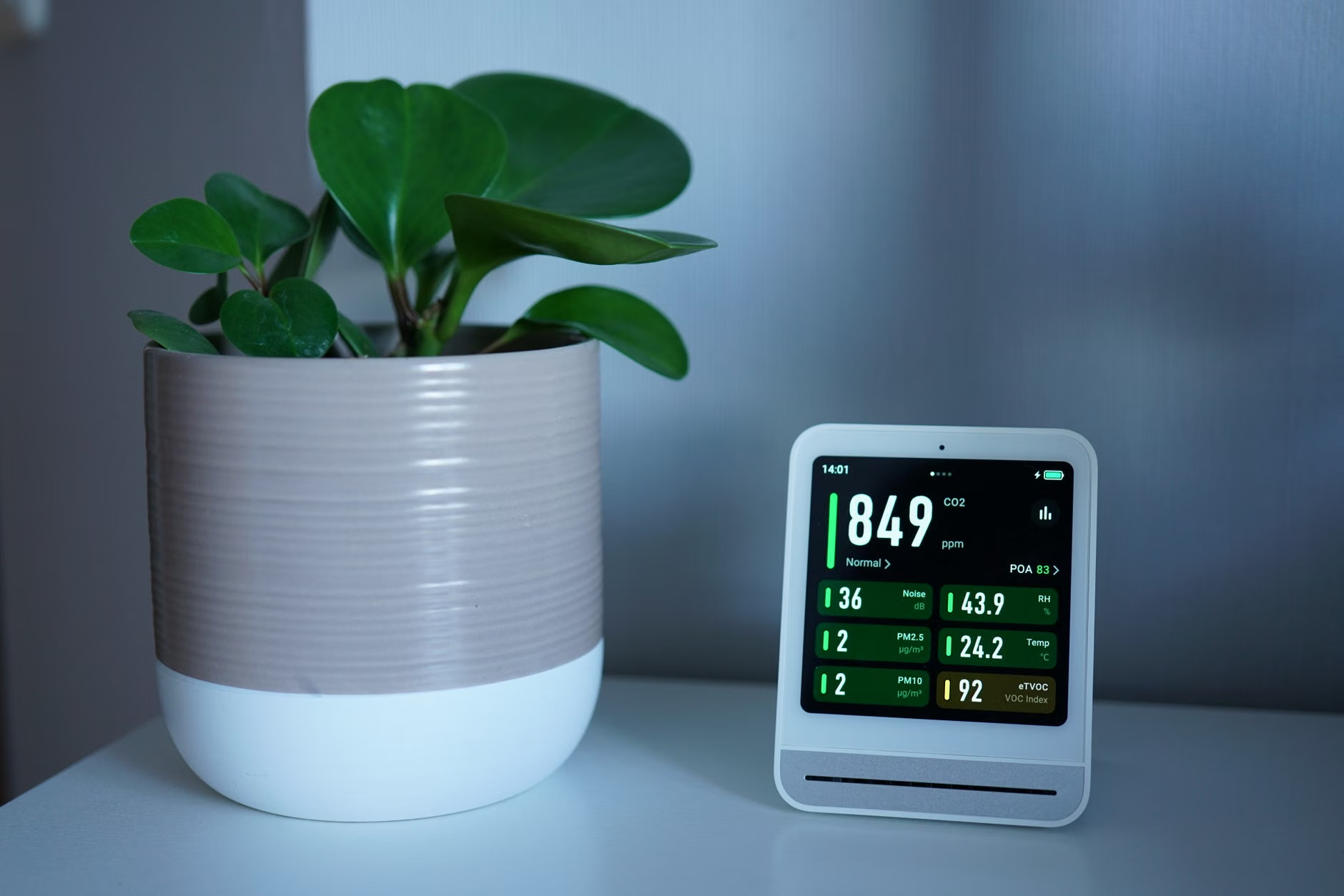
The most common mistake people make when trying to automate their energy usage is ignoring the “human factor.” For instance, if you set your dishwasher to run at 2:00 AM, but your kitchen is adjacent to your bedroom, you might find that the noise disrupts your sleep. Automation is useless if it makes your home life stressful.
Another pitfall is “Efficiency Paradox.” Sometimes, people get so obsessed with saving pennies that they buy expensive smart appliances that will never pay for themselves through energy savings alone. Always calculate the ROI. If a new smart washing machine costs $1,500 more than a standard one, and you only save $50 a year on your bill, it will take 30 years to break even. Focus on smart plugs and smart thermostats first; these offer the highest return on investment.
Furthermore, be wary of “always-on” phantom loads. Even when your devices are “waiting” for the off-peak window, they are still pulling a small amount of electricity. If you are using smart plugs, ensure they are high-quality models that don’t consume excessive power themselves. It sounds trivial, but in a home with twenty smart plugs, the standby power can actually negate some of your savings.
The Role of Smart Thermostats in Thermal Buffering
Since heating and cooling account for nearly half of the average home’s energy bill, thermal buffering is the most potent tool in your arsenal. The concept is straightforward: your home is a physical buffer. If you insulate it well, it holds temperature effectively.
By using a smart thermostat like those from Ecobee or Nest, you can program “temperature shifts.” If your peak rate starts at 4:00 PM, you can set your thermostat to drop the temperature to 70°F (21°C) at 3:30 PM, then switch to a more conservative 76°F (24°C) during the peak window. The house will slowly warm up, but because you “loaded” it with cool air during the cheap-rate window, you avoid the expensive mid-afternoon cooling spikes.
This does require a bit of experimentation. You need to learn how quickly your home loses or gains heat. On a very hot day, you might need to start the buffer earlier. Use the data provided by your thermostat’s app to track your usage patterns. Most of these apps now offer “energy reports” that show you exactly how many hours you ran the AC during peak vs. off-peak times. Use this data to refine your schedule every month.
Advanced Integration: The Future of Home Energy
If you are a tech-savvy parent, you might want to look into home automation platforms like Home Assistant. Unlike the proprietary apps that come with your appliances, Home Assistant allows you to create complex “If-This-Then-That” scenarios that pull real-time data from your utility company’s API (if available) or from crowd-sourced energy grid trackers.
For example, you could set up a routine where your electric vehicle charger only kicks in if the grid frequency is stable and the price is below a certain threshold. This is the next level of energy-buffering: moving from a static schedule (e.g., “always run at 11:00 PM”) to a dynamic one (e.g., “run whenever the price drops below $0.10/kWh”).
While this requires more setup time, the long-term savings are significant. For most families, however, starting with simple scheduled timers is more than enough to see a 10-15% reduction in monthly utility costs. Don’t feel pressured to build a complex server rack just to save a few dollars—start with what you can manage reliably.
Addressing the Sustainability Angle
Beyond the personal financial benefits, energy-buffering is a critical component of a greener grid. When you shift your usage to off-peak hours, you are essentially helping the utility company avoid firing up “peaker plants”—often the oldest, dirtiest, and most carbon-intensive power plants in the fleet. These plants are usually only turned on when demand is near capacity.
By shifting your laundry to the middle of the night, you are not just saving money; you are actively reducing your household’s carbon footprint. It is a rare win-win scenario where the action that is best for your wallet is also the action that is best for the environment. For parents, this is a great conversation to have with children—explaining that our home “chooses” when to work based on when the grid is cleanest and most efficient.
Final Action Plan for Your Household
You don’t need to change your lifestyle overnight. Start by observing your current habits for one billing cycle. Look at your bill: does it show a graph of your usage? Does it highlight peak hours? Once you have that baseline, pick one appliance to “buffer” first. The dishwasher is usually the easiest because it is rarely needed in a hurry.
Once you have conquered the dishwasher, move to the thermostat. These two changes alone will likely account for the majority of your potential savings. Keep a simple log for two months: compare the “before” and “after” bills. You will likely find that the initial effort of setting up the automation pays for itself within the first few months through lower monthly statements.
Remember that the goal is to make your home work for you, not the other way around. If you find yourself constantly overriding your schedules, it means your automation is too aggressive. Dial it back. The perfect energy-buffer strategy is the one you can stick to consistently without feeling like you are constantly battling your home’s settings.
For further reading on how energy markets work in your specific region, check the official resources from your national energy regulator. In the US, the Department of Energy’s Energy Saver guide provides excellent context on how to optimize home systems. If you are in the UK, Ofgem’s consumer advice portal offers similar guidance on understanding tariff structures.
Frequently Asked Questions
1. Will shifting my appliance usage really make a noticeable difference in my bill?
Yes, especially if you are on a Time-of-Use (TOU) plan. In many regions, the price difference between peak and off-peak can be significant. By shifting your three most energy-intensive appliances—HVAC, water heater, and laundry—you can typically see savings of 10% to 20% on your monthly bill without sacrificing convenience.
2. Are smart plugs safe to use with high-wattage appliances like space heaters or dryers?
You must be very careful here. Never plug a high-wattage appliance like a space heater or a clothes dryer into a standard smart plug designed for lamps or small electronics. Always check the amperage and wattage rating on the smart plug and ensure it is rated for heavy-duty appliances. If in doubt, consult the manufacturer’s manual or use a dedicated smart-circuit controller installed by an electrician.
3. What if I need to run an appliance during peak hours for an emergency?
Automation is a tool, not a prison. Most smart apps and appliances have an “override” or “start now” button. If you have an urgent load of laundry or need to adjust your home temperature, simply press the button on the device or in the app. The automation will resume its scheduled behavior for the next cycle. You never lose control of your home.