Hosting a gathering in your 30s or 40s often feels like a balancing act between maintaining a fun social life and managing the realities of early mornings, parenting duties, and health-conscious choices. The most effective way to ensure every guest feels included—regardless of their cultural background, religious beliefs, or personal choice to avoid alcohol—is to adopt a “zero-proof” hosting strategy that prioritizes flavor and presentation over the presence of ethanol.
- Design for inclusion, not substitution: Treat your zero-proof menu with the same culinary respect as your food menu; avoid overly sugary “mocktails” in favor of complex, botanical-forward profiles.
- Cultural sensitivity is a standard: Always provide clear, non-alcoholic options that are distinct and premium, as many guests from various cultural backgrounds may abstain from alcohol for religious or health reasons without making a public announcement.
- The “Glassware Rule”: Using high-quality, specialized glassware for non-alcoholic drinks elevates the experience, signaling that the host has put as much thought into the drink as they have into the conversation.
We’ve all been there: you’re at a dinner party, and while everyone else is handed a glass of wine or a craft beer, you’re offered a choice between tap water or a generic, overly sweet soda. It’s not just a minor inconvenience; it’s a social signal that the non-drinker is an afterthought. In a multicultural network, this is particularly important to avoid. Whether your guests are avoiding alcohol for dietary reasons, religious observances (such as during Ramadan or for those who strictly avoid intoxicants), or simply because they have a 6:00 AM school run the next day, a thoughtful host makes sure no one feels like they are missing out on the “vibe.”
The Psychology of the Zero-Proof Experience
Why do we drink? Often, it’s not just for the alcohol; it’s for the ritual. We like holding a glass, the clinking of ice, the complex aroma of a well-balanced drink, and the communal act of “cheers-ing.” When you remove the alcohol, you must preserve the ritual. If you simply hand someone a glass of plain juice, you have stripped away the social ceremony of the drink. To host effectively in your 30s and 40s, you need to replicate the sophistication of a bar environment within your home.
This means moving away from “mocktails” that are essentially fruit punch and moving toward “zero-proof cocktails.” These utilize ingredients like non-alcoholic spirits (distilled botanicals), shrubs (vinegar-based syrups), verjus (the juice of unripened grapes), and high-quality bitters. These ingredients provide the “bite” and complexity that the palate expects from an adult beverage. When you provide a drink with depth, you aren’t just hydrating your guests; you are providing them with an experience that allows them to participate fully in the social flow of the evening.
In a diverse friendship group, the reasons for not drinking are varied. Some guests may not drink for religious reasons, meaning even trace amounts of alcohol (like in some cooking wines or kombuchas) could be a concern. Others might be “sober-curious” or simply training for a marathon. Your goal as a host is to create a menu that is safe and enjoyable for everyone without requiring an interrogation of your guests’ personal lives.
A simple way to manage this is the “Labeling and Transparency” rule. When you serve a sophisticated zero-proof drink, always mention the ingredients if asked. For example, if you are using a non-alcoholic spirit, keep the bottle visible so guests can check the ingredients for themselves. This removes the anxiety of “Is there alcohol in this?” and shows that you are a considerate host who respects their boundaries.
| Category | What to Avoid | What to Serve |
|---|---|---|
| The “Standard” Drink | Generic soda or tap water | Sparkling water with a twist of yuzu or fresh lime |
| The “Sophisticated” Sip | Overly sweet juice blends | Non-alcoholic spirit with tonic and a botanical garnish |
| The “Cozy” Option | Caffeinated energy drinks | Warm spiced tea or a house-made ginger shrub |
Step-by-Step: Building Your Zero-Proof Bar
You don’t need a massive budget to start a zero-proof bar. In fact, you likely already have the staples. Start by curating a “flavor shelf.” This shelf should contain elements that provide acidity, bitterness, and body.
1. The Acid: Stock high-quality verjus or apple cider vinegar-based shrubs. These provide the structure that citrus usually brings to a cocktail. They add a sophisticated “tang” that makes a drink feel grown-up.
2. The Bitterness: Keep a few bottles of non-alcoholic bitters or aromatic bitters (check labels for alcohol content if serving to those who strictly abstain, as some bitters are high-proof). Alternatively, use strong brewed teas like Lapsang Souchong for a smoky, complex base.
3. The Body: Use premium tonic waters, club sodas, or even coconut water. These provide the mouthfeel that prevents a drink from feeling like “flavored water.”
4. The Garnish: This is the secret weapon. A drink in a nice glass with a fresh sprig of rosemary, a dehydrated orange wheel, or a star anise looks exactly like a craft cocktail. Presentation is 50% of the perceived quality of a drink. By putting effort into the visual aspect, you signal that the guest is valued, regardless of what is in their glass.
Common Mistakes and How to Avoid Them
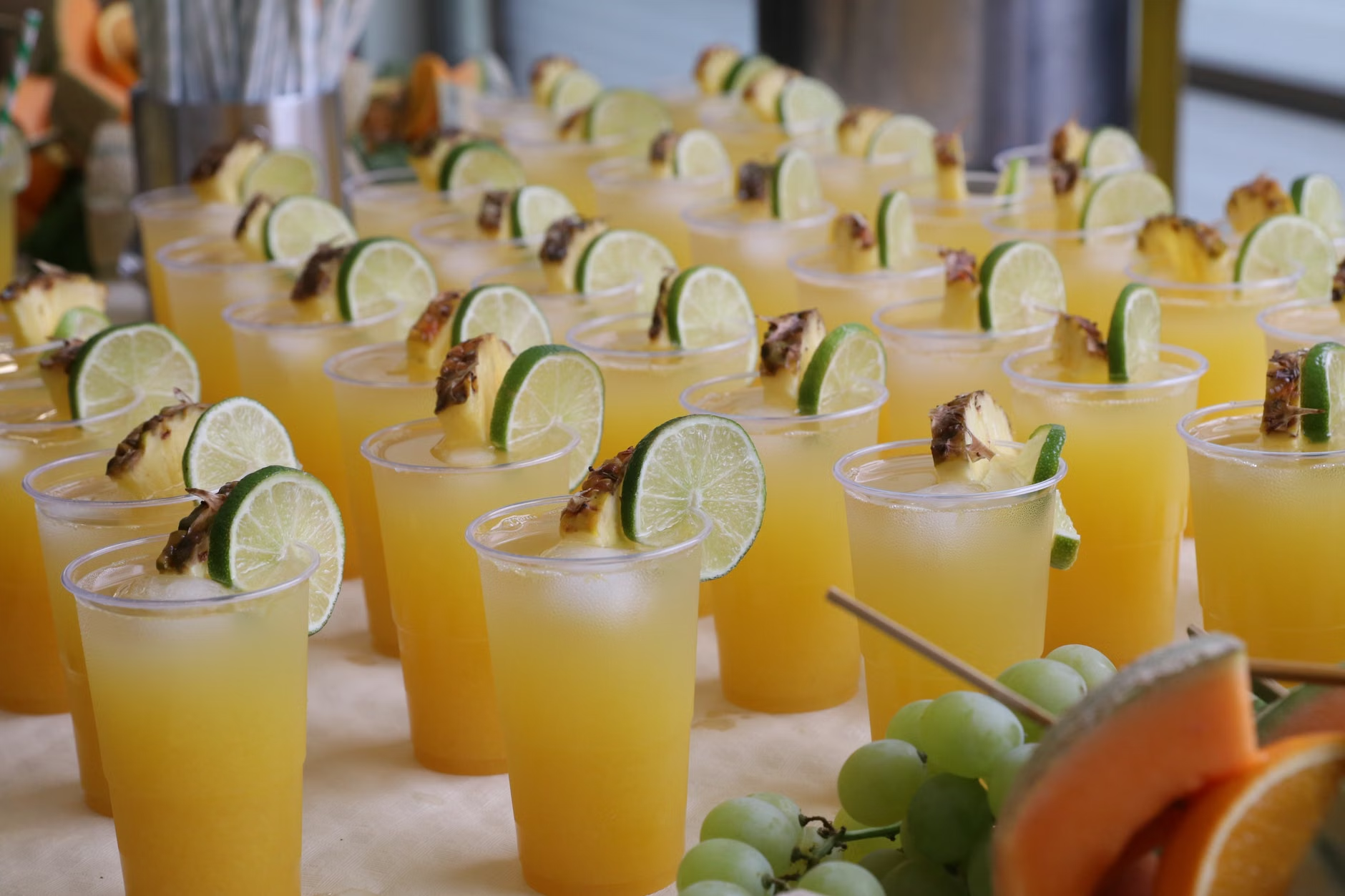
The most common mistake is the “Sugar Trap.” Many people assume that if a drink isn’t alcoholic, it should be sweet. This is why so many mocktails are cloying and unbalanced. Avoid using syrups as your primary ingredient. Instead, focus on savory and bitter notes. A cucumber-mint smash with a splash of sea salt is far more refreshing and “adult” than a pineapple-heavy fruit blend.
Another mistake is failing to offer a variety. If you only offer one non-alcoholic option, you are essentially treating it as a “substitute.” If you offer a menu of two or three options—perhaps one sparkling, one savory, and one warm—you are offering a “choice.” In your 30s, choice is the ultimate luxury. It allows your guests to feel in control of their evening.
Finally, avoid the “Apology Tour.” Do not apologize for not having alcohol. Do not make a big show of saying, “I’m sorry, I didn’t have any wine tonight, is this okay?” This makes your guest feel like they are a burden. Instead, present your zero-proof menu with the same confidence as you would a wine list. “I’ve been experimenting with these botanical blends—would you like to try the ginger-lemongrass infusion or the sparkling rosemary tonic?” This frames the experience as a curated highlight of the evening rather than a compromise.
Managing the Social Dynamics
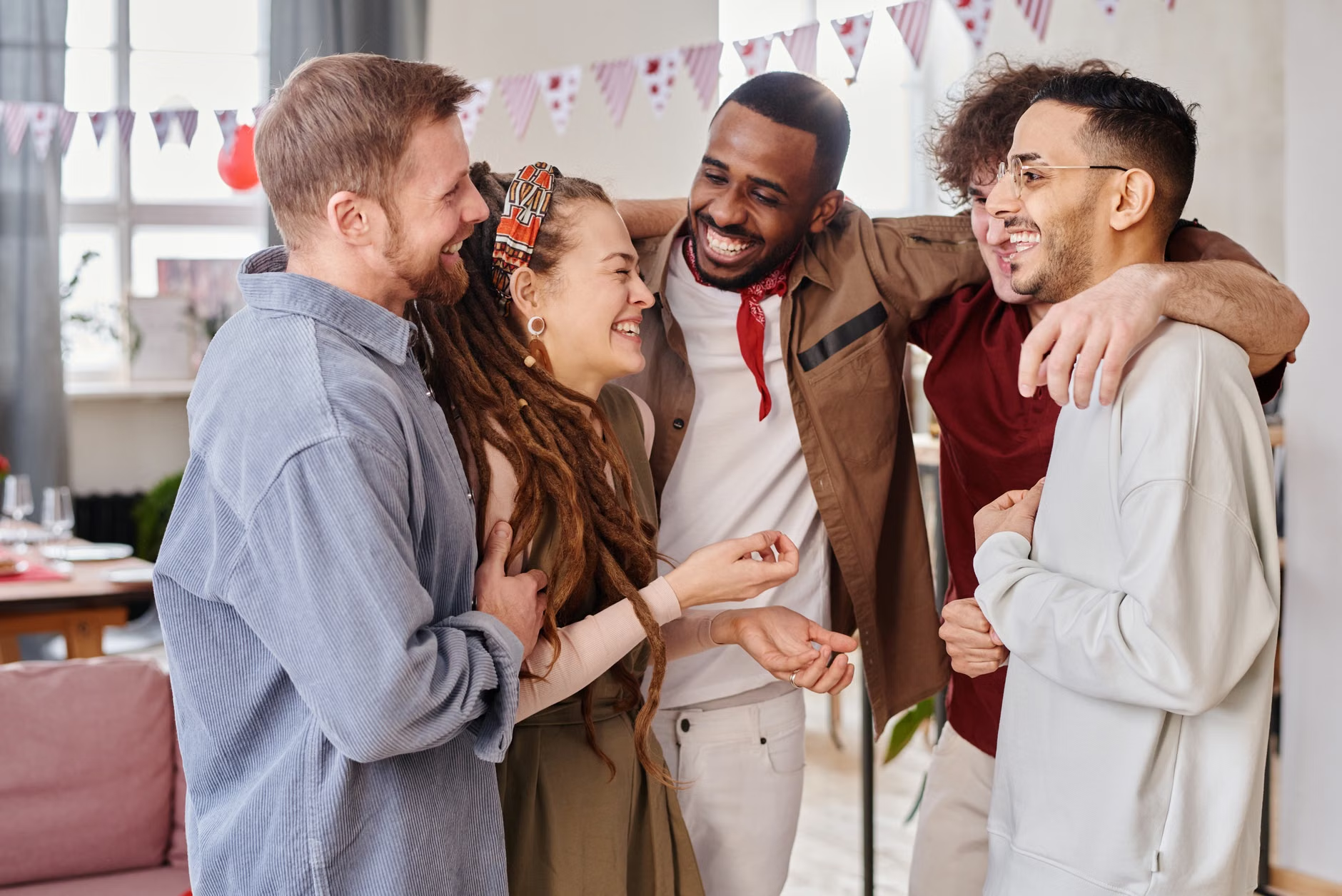
When hosting a mixed group of drinkers and non-drinkers, the goal is to normalize the non-alcoholic choice. If you, as the host, join in on the zero-proof drinks for at least part of the evening, it levels the playing field. It removes the “observer vs. participant” dynamic that can sometimes occur when one person is the only one not drinking.
If you are hosting a larger event, consider a “self-serve” station. This is a game-changer for large groups. By setting up a dedicated space with different mixers, fresh herbs, and nice glassware, you allow guests to craft their own drinks. This is inclusive and interactive. It also means you aren’t stuck behind the kitchen island playing bartender for the entire duration of your own party.
Remember that the “vibe” of a party is determined by the quality of conversation and the warmth of the host, not the ABV (alcohol by volume) of the beverages. When people feel safe, respected, and well-cared for, they stay longer and engage deeper. Your role is to facilitate that comfort.
The Hidden Costs and Benefits of Zero-Proof Hosting
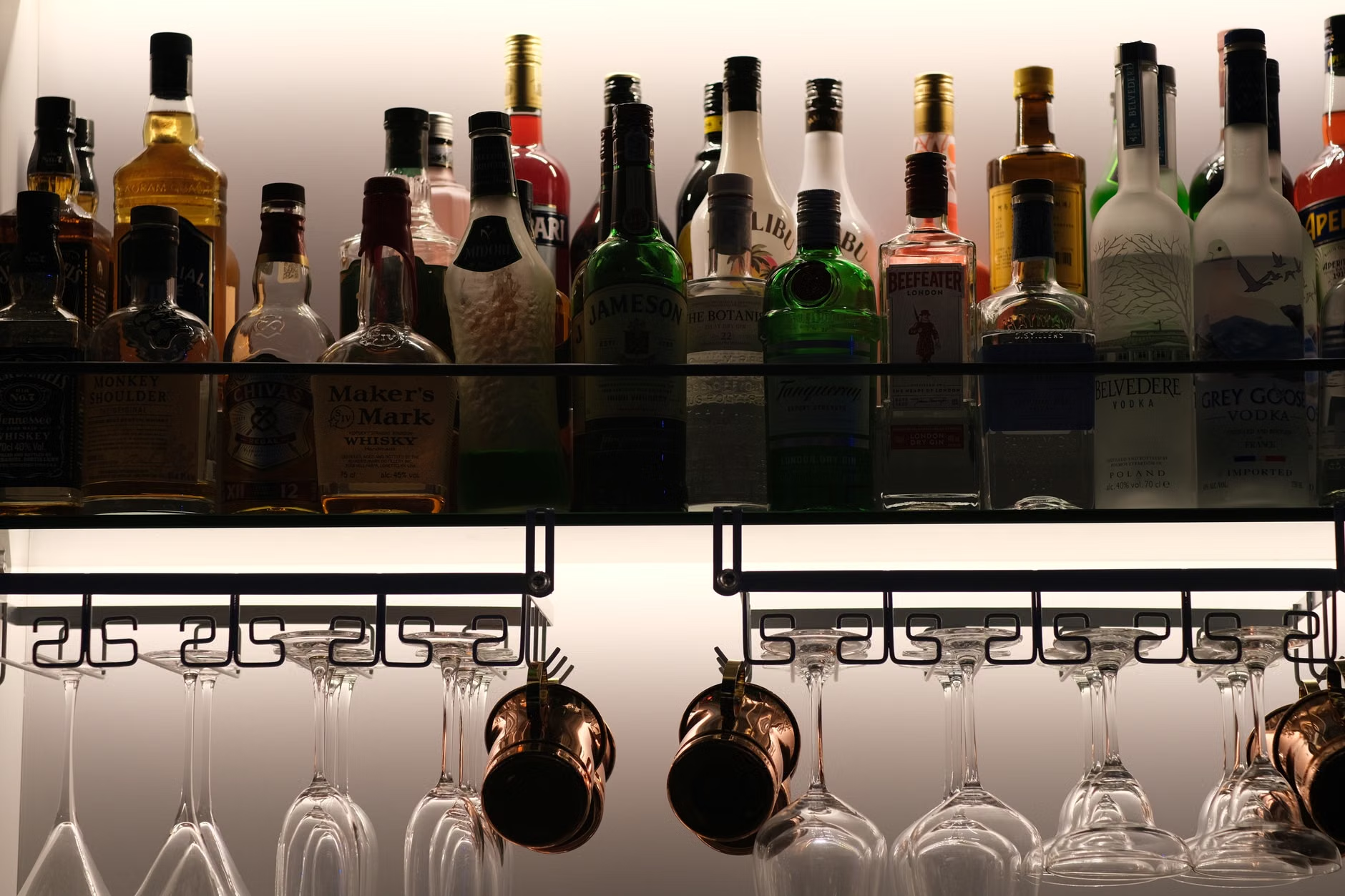
There is a misconception that non-alcoholic spirits are “cheaper” because they aren’t alcohol. In reality, high-quality, steam-distilled non-alcoholic spirits can be just as expensive as mid-range alcohol. However, look at the value proposition: you are buying a product that has a longer shelf life (once opened, they often last longer than open wine) and can be used to create dozens of unique drinks. Unlike a bottle of wine that is finished in a night, a bottle of botanical spirit is an investment in your hosting repertoire.
Furthermore, consider the “next morning” benefit. When your friends leave your house feeling refreshed and clear-headed, they are more likely to look forward to the next invitation. In our 30s and 40s, we are all increasingly aware of the “hangover cost”—the loss of a Saturday morning to a headache or fatigue. By providing a delicious, zero-proof environment, you are effectively gifting your guests their Sunday morning back. That is a form of hospitality that people remember.
If you are worried about the initial cost of building a zero-proof bar, start slow. You don’t need a full range of products. Start with one good non-alcoholic spirit, a selection of high-quality tonics, and a few fresh garnishes. You will find that this is enough to elevate your hosting game significantly.
Putting It Into Practice: A Sample Menu
If you’re planning a dinner party, try this three-tiered menu approach to ensure every guest is satisfied:
- The Aperitif: A “Spritz” style drink using a non-alcoholic bitter aperitif, sparkling water, and a slice of grapefruit. It’s bitter, bubbly, and sets the mood for the meal.
- The Main Event: Serve a drink that complements the food. If you are serving something rich, a “shrub” made with blackberry and ginger provides the acidity needed to cut through the fat.
- The Digestif: Something warm and comforting. A house-made chai or a decaf espresso with a hint of cinnamon is a perfect way to wind down the evening.
This structure mirrors the traditional wine-pairing experience but keeps the focus squarely on flavor and enjoyment. It demonstrates that you haven’t just “removed the alcohol”—you have built a cohesive, thoughtful menu around the non-alcoholic experience.
Final Thoughts on Modern Hosting
Hosting is, at its core, an act of empathy. It’s the ability to look at your guests and anticipate their needs before they even voice them. By embracing zero-proof options, you are acknowledging that the modern social landscape is changing. People are more health-conscious, more aware of their limits, and more diverse in their needs than ever before. Being a “cool” host isn’t about having the most expensive wine cellar; it’s about being the person who makes everyone feel like they belong at the table.
Start small, be intentional with your ingredients, and don’t be afraid to experiment. You’ll find that as you get better at this, your parties become more inclusive, more memorable, and—most importantly—more fun for everyone involved. Whether your guests are drinking or not, they’ll remember the care you took to ensure they were part of the group.
For further reading on the rising trend of non-alcoholic beverages, you can check resources like the Drinkaware site for general health context, or explore mixology blogs dedicated to the growing non-alcoholic spirits industry to find specific brands that suit your palate.
Frequently Asked Questions
1. Does using non-alcoholic spirits mean I have to spend a lot of money?
Not necessarily. While premium non-alcoholic spirits can be pricey, they are an investment for your home bar. You can also achieve a fantastic zero-proof experience using basic pantry staples like quality vinegars (for shrubs), fresh herbs, spices, and high-end tonics, which are very affordable.
2. What if my guests ask why I’m serving non-alcoholic drinks?
Keep your answer simple and positive. “I wanted to try out some new botanical recipes that everyone can enjoy” is perfectly sufficient. You don’t need to justify your choices or discuss your guests’ habits. Focus on the flavor and the craft of the drinks you’ve prepared.
3. How can I ensure my non-alcoholic drinks don’t taste like “juice for kids”?
The secret is avoiding excess sugar. Focus on ingredients that provide bitterness, acidity, and earthiness—such as citrus peels, fresh ginger, rosemary, thyme, sea salt, and high-quality tonic water. Using sophisticated glassware and clear, large ice cubes also helps signal to the palate that this is an adult beverage.
Disclaimer: This guide is for informational purposes only. Always check labels on ingredients, especially for guests with specific health conditions or strict religious dietary requirements, as some non-alcoholic products may contain trace amounts of alcohol or allergens.