The most effective way to break the cycle of urban parenting burnout isn’t a high-intensity theme park vacation, but a slow-paced, immersive stay at a working farm.
- Sensory Regulation: Unlike the over-stimulation of urban environments, farms provide “soft fascination” environments that help toddlers self-regulate and reduce cortisol levels in adults.
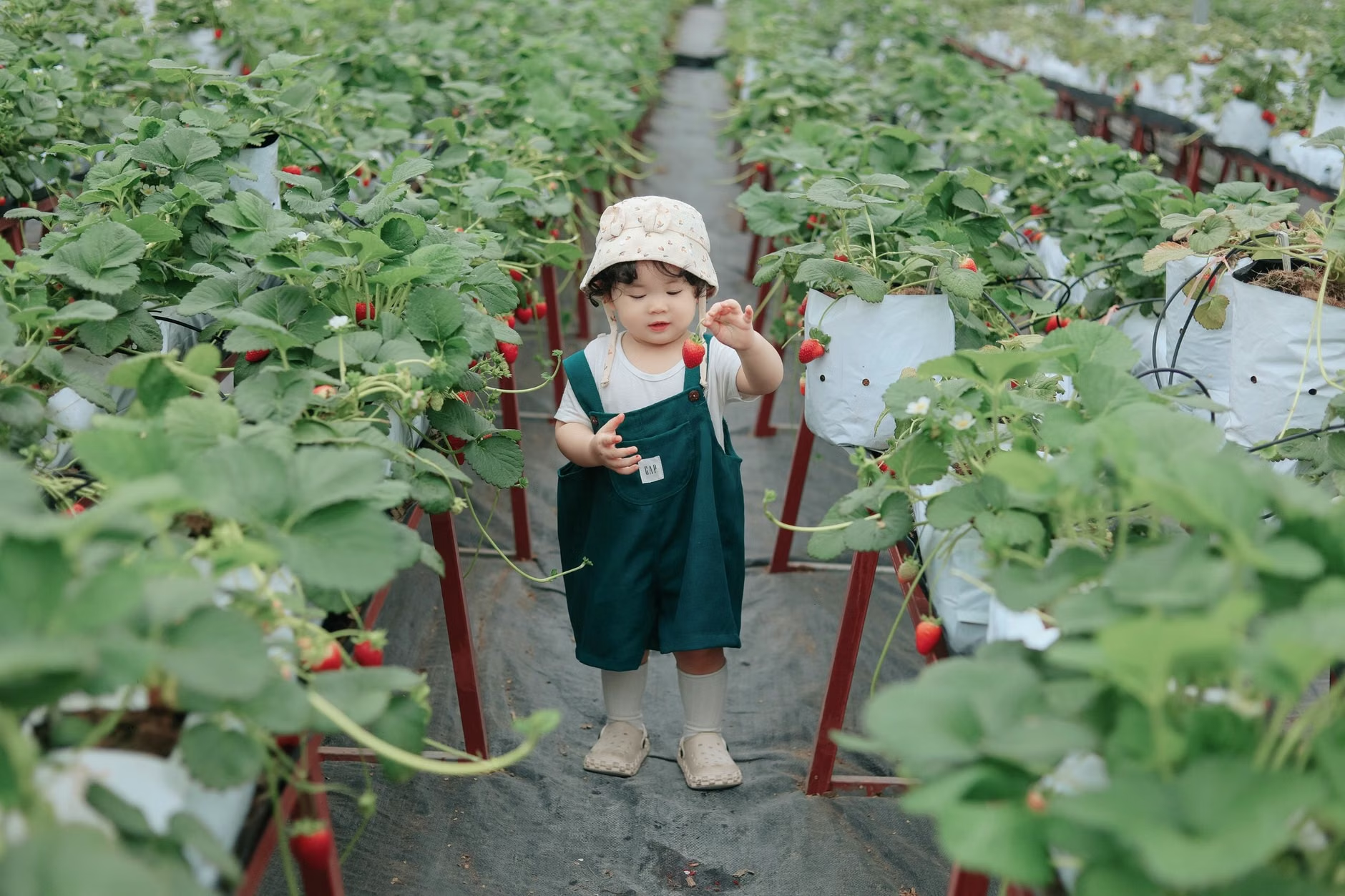
- Practical Education: Farm-stays shift a child’s understanding of food from “supermarket shelf” to “soil to table,” fostering better eating habits and curiosity without formal lessons.
- The “Labor-Leisure” Trade-off: Agritourism is not a resort; your success depends on choosing between “passive” farms (stay-only) and “active” farms (participatory), depending on your energy levels.
Why the “Resort Trap” is Failing Your Family
If you have spent your 30s and 40s balancing high-pressure careers with the relentless logistics of toddlerhood, you know the “vacation trap.” You book a luxury resort, pack half the nursery, and spend your trip managing nap schedules, navigating crowded pools, and dealing with sensory-overloaded meltdowns. You return home needing a vacation from your vacation.
Agritourism—specifically the farm-stay model—is the antithesis of the frantic resort experience. It is built on the concept of slow living. While the term sounds like a lifestyle magazine buzzword, it is actually a psychological necessity for families living in high-density, high-speed urban environments. The constant input of traffic noise, digital screens, and the rigid ticking of the city clock keeps the nervous systems of both children and adults in a state of low-grade “fight or flight.”
A farm-stay provides a structural reset. The environment is predictable but engaging. Instead of the flashing lights of an arcade, a toddler is presented with the rhythmic, repetitive tasks of farm life: feeding chickens, watering a vegetable patch, or simply walking a dirt path. This is what environmental psychologists call “soft fascination”—a state where the mind is engaged enough to be calm but not so stimulated that it becomes exhausted.
Defining the “Active” vs. “Passive” Farm Experience
Before you book, you must identify the “participation level” of the farm. Many parents make the mistake of booking a working dairy farm expecting a peaceful retreat, only to be woken up at 4:30 AM by the sound of heavy machinery. Conversely, some parents book a “passive” farm stay expecting high-octane entertainment for their kids, only to find themselves bored by the lack of structure.
| Feature | Passive (Glamping-Style) | Active (Working Farm) |
|---|---|---|
| Primary Focus | Relaxation & Aesthetics | Education & Participation |
| Toddler Engagement | Self-directed play | Guided chores/Animal feeding |
| Noise/Activity Level | Low (Quiet, nature-focused) | Moderate (Machinery, animals) |
| Best For | Parents needing deep rest | Curious, energetic toddlers |
Decision Rule: If your goal is to recover from professional burnout, prioritize the “Passive” model. These are usually converted farmhouses or boutique glamping setups where the “farm” element is aesthetic or limited to a small petting area. If your goal is to break your child’s screen addiction or teach them about food origins, choose the “Active” model. You will be expected to participate, but the trade-off is a deeply educational experience that will stick with your child long after you return home.
The Hidden Logistics of Farm-Stay Parenting
The biggest mistake parents make is underestimating the “dirt factor.” Urban parenting is often sanitized. We are used to sidewalks, parks with rubberized floors, and indoor climate control. A farm is, by definition, an outdoor, un-sanitized environment. This is good for the immune system, but it is a logistical headache if you aren’t prepared.
First, consider the “Mud-to-Bed” policy. Many farm stays do not have high-capacity laundry facilities. If you arrive with one pair of shoes for your toddler, you will be spending your evening scrubbing mud in a bathroom sink. Pack at least two pairs of durable, waterproof boots and three times the amount of outdoor clothing you think you need. Assume everything will get stained, and you will have a much better time.
Second, address the Food Logistics. Most farm-stays are self-catering. While the promise of “fresh farm eggs” is romantic, you do not want to be hunting for a grocery store at 6:00 PM with a hungry, cranky toddler. Before booking, check the distance to the nearest grocery store. If it is more than 20 minutes away, treat your arrival like a camping trip: pack a “base kit” of non-perishables (pasta, sauces, snacks, coffee) so that your first night is spent relaxing, not navigating rural roads.

Why “Soil-to-Table” Matters for Toddler Development
Psychologists note that children in their formative years (ages 2-5) are in a prime stage for “schemas”—patterns of thought that allow them to understand the world. When a child only sees food in plastic packaging, their schema for “food” is “something I buy at the store.”
When they pull a carrot from the dirt, they see the roots, the soil, and the effort required to make it edible. This is a profound cognitive shift. It creates a connection between effort and reward. It is not uncommon for parents to report that after a week on a farm, their “picky eater” toddler is suddenly willing to try vegetables they previously rejected. The barrier to entry isn’t the taste; it’s the lack of ownership. By participating in the harvest, they take ownership of the food.
Practical Tip: Ask the hosts if you can participate in a “harvest-to-meal” activity. Even if it’s just picking herbs for dinner, involving your toddler in the preparation cycle turns a mundane meal into a project. It keeps them occupied, gives them a sense of accomplishment, and significantly reduces the “I’m bored” cycle that leads to screen time.
Managing the Risks: What People Forget
While the romanticism of farm life is high, there are objective risks to consider. Farms are industrial spaces. They have heavy equipment, electric fences, and large animals. Unlike a hotel, there are no “child-proofed” corners.
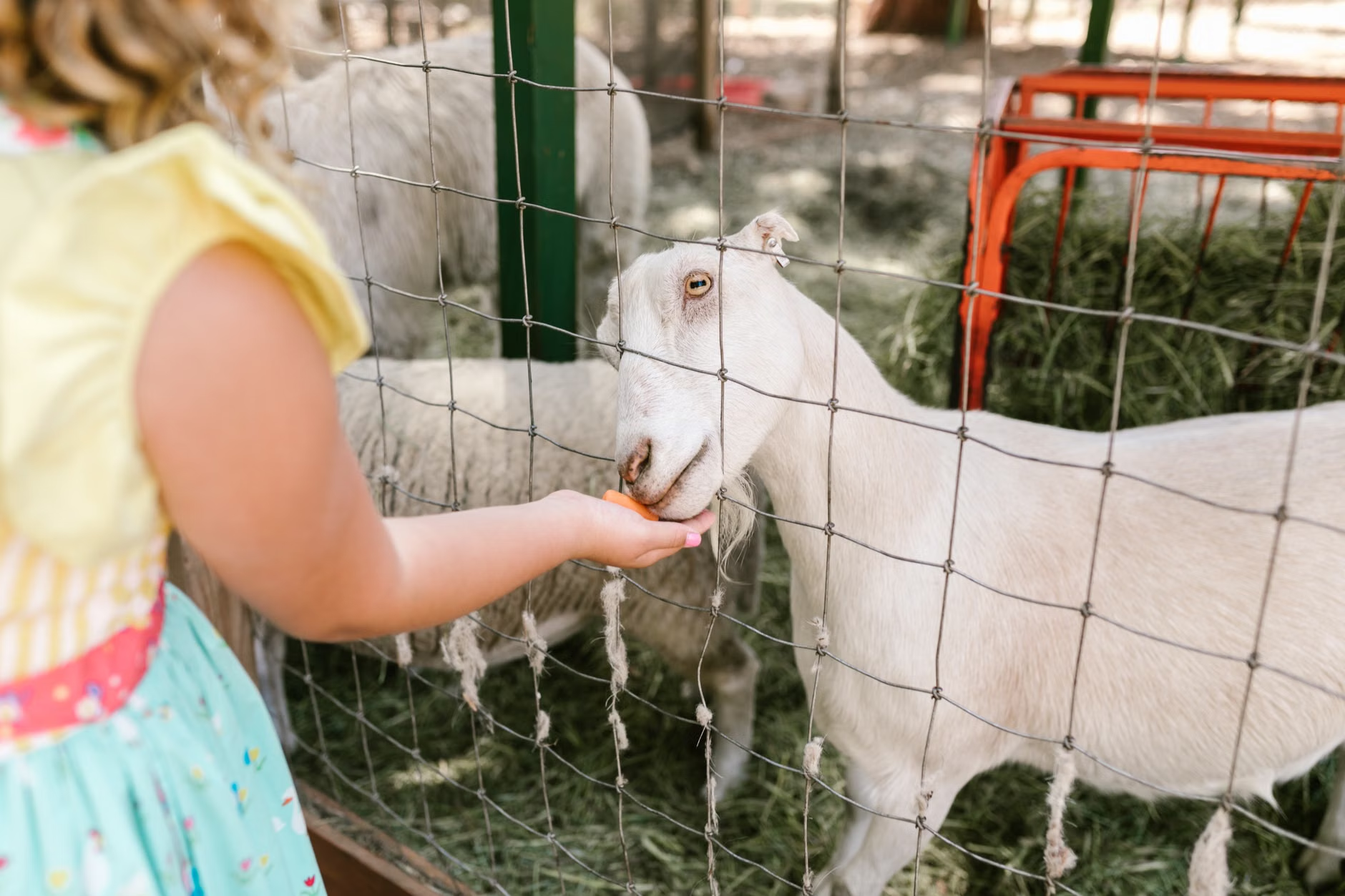
1. Safety First: Always do a “perimeter check” with the host upon arrival. Identify where the electric fences are and confirm if any animals are restricted to specific zones. Never assume a “friendly” sheep is safe for a toddler to pet without supervision. Animals can be unpredictable, especially if they are protective of their young.
2. The Connectivity Trade-off: Many rural farms have poor cellular reception and limited Wi-Fi. If you are a parent who needs to check emails or handle “just-in-case” work tasks, verify the signal strength before booking. If you find yourself in a dead zone, have a plan for physical entertainment—books, drawing pads, and non-electronic toys are essential. Do not rely on streaming services to keep the peace.
3. The Allergy Factor: Rural environments are high-pollen zones. If your child has seasonal allergies, speak to your pediatrician about managing symptoms before you leave. A farm-stay is not the place to realize your child is allergic to hay or specific dander.
How to Select the Right Farm-Stay for Your Family
Don’t just search for “farm stay” on generic booking platforms. These sites often prioritize hotels that have a small garden, which isn’t the true agritourism experience. Instead, look for platforms that specialize in rural and farm-based tourism. In Europe, platforms like Agriturismo.it are the gold standard for Italy. In the US, FarmStayUSA provides verified listings of working farms.
When evaluating a listing, look for these three indicators of a quality experience:
- Transparent Activity Schedules: Does the listing clearly state what the family can do? If it says “farm experience,” ask for a breakdown. Is it a tour? Is it a chore?
- Host Engagement: Read reviews specifically regarding the host. Are they welcoming to children? Some farms prefer “adults-only” and tolerate children; others thrive on the family dynamic.
- The “Plan B” Environment: Is there a covered area for play if it rains? Farming is weather-dependent, and if you are stuck inside a small cabin for two days, you will regret not checking for indoor amenities.
The Shift in Parenting Perspective
The true value of agritourism for the 30-something parent isn’t just the “cute photos” of your child with a goat. It is the opportunity to practice co-regulation. When you are in the city, you are constantly managing your child’s environment to fit the city’s rules: “Don’t touch that,” “Stay on the sidewalk,” “Be quiet.”
On a farm, you can shift from “Manager” to “Guide.” You aren’t managing the environment; you are exploring it together. This shift in role reduces the adversarial nature of parenting. Instead of “I am telling you to stop,” it becomes “Look at that, what do you think it is?” This change in tone is often the biggest contributor to the “reset” that parents feel after a successful farm-stay.
Ultimately, a farm-stay is a commitment to a different set of values for a few days. It requires more physical effort, a higher tolerance for mess, and a willingness to step away from the digital grid. But for the urban parent drowning in the noise of modern life, it offers something that no all-inclusive resort can: a return to the basics of human connection and nature.
Frequently Asked Questions
Is a farm-stay suitable for a toddler who is afraid of animals?
Yes, but you must be proactive. Choose a “passive” farm-stay where the animals are kept in designated areas rather than free-roaming. Use the trip as a chance to observe animals from a safe distance. Often, seeing other children interacting safely with animals helps alleviate the fear, but never force the interaction. The goal is exposure, not pressure.
How do I handle the lack of child-proofing at a farm-stay?
Accept that you cannot child-proof a farm. Instead, adopt a “supervision-first” strategy. Bring a portable playpen or a pop-up travel crib if your toddler is still in a nap phase, as this creates a “safe zone” inside the accommodation. For outdoor time, rely on constant proximity. If you need a break, look for farm-stays that offer fenced-in garden areas, which are increasingly common in family-oriented agritourism.
What if the weather is terrible during our stay?
This is the “hidden risk” of agritourism. Always look for farms that are part of a larger network or have an indoor “activity barn” or common room. If the farm is purely outdoors, ensure your booking has a flexible cancellation policy or check if the local region has indoor alternatives like museums or indoor play centers. However, the best advice is to pack high-quality rain gear for everyone—farming is a mud-friendly activity, and with the right equipment, rainy days can be some of the most memorable.
Resources for further planning: