- Visual Control is Primary: Reducing visual noise by using closed storage and neutral color palettes can increase focus time by up to 30% for those with sensory processing sensitivities.
- Acoustic Management Matters: Layering soft materials like rugs or acoustic panels is more effective than expensive soundproofing for managing mid-frequency household distractions.
- Dynamic Lighting is a Tool, Not Just Decoration: Using tunable LED bulbs to shift from cool white (for morning focus) to warm amber (for evening wind-down) helps regulate circadian rhythms and cognitive alertness.
If you have ever found yourself staring at a wall for ten minutes because the humming of the refrigerator was just loud enough to shatter your concentration, you aren’t alone. For many adults—whether neuro-divergent or simply highly sensitive to their environment—the standard “open-concept” home office is a recipe for burnout. The goal of a sensory sanctuary isn’t to create a sterile, white-walled box. It is to create a space that filters out the “background static” of life so your brain can actually engage with the task at hand.

Why Your Brain Needs a Sensory Filter
Neuro-diversity in the workplace is no longer a niche conversation. Whether we are talking about ADHD, autism, or simply the sensory overload that comes with modern, high-stimulation environments, our brains are constantly processing input. Most home studies are designed for aesthetics, not cognitive load. When your desk is cluttered, the lights are flickering at a frequency your eyes can detect, and the ambient noise of a busy household is bleeding through the walls, your prefrontal cortex is working double-time just to filter those inputs out.
This is called “sensory gating.” If your brain is busy filtering the hum of the AC or the visual distraction of a messy bookshelf, it has fewer resources available for deep work. By intentionally designing a “sensory sanctuary,” you are offloading that work to the room itself. You aren’t just decorating; you are creating an external processor for your environment.
Managing Visual Noise: The First Step to Focus
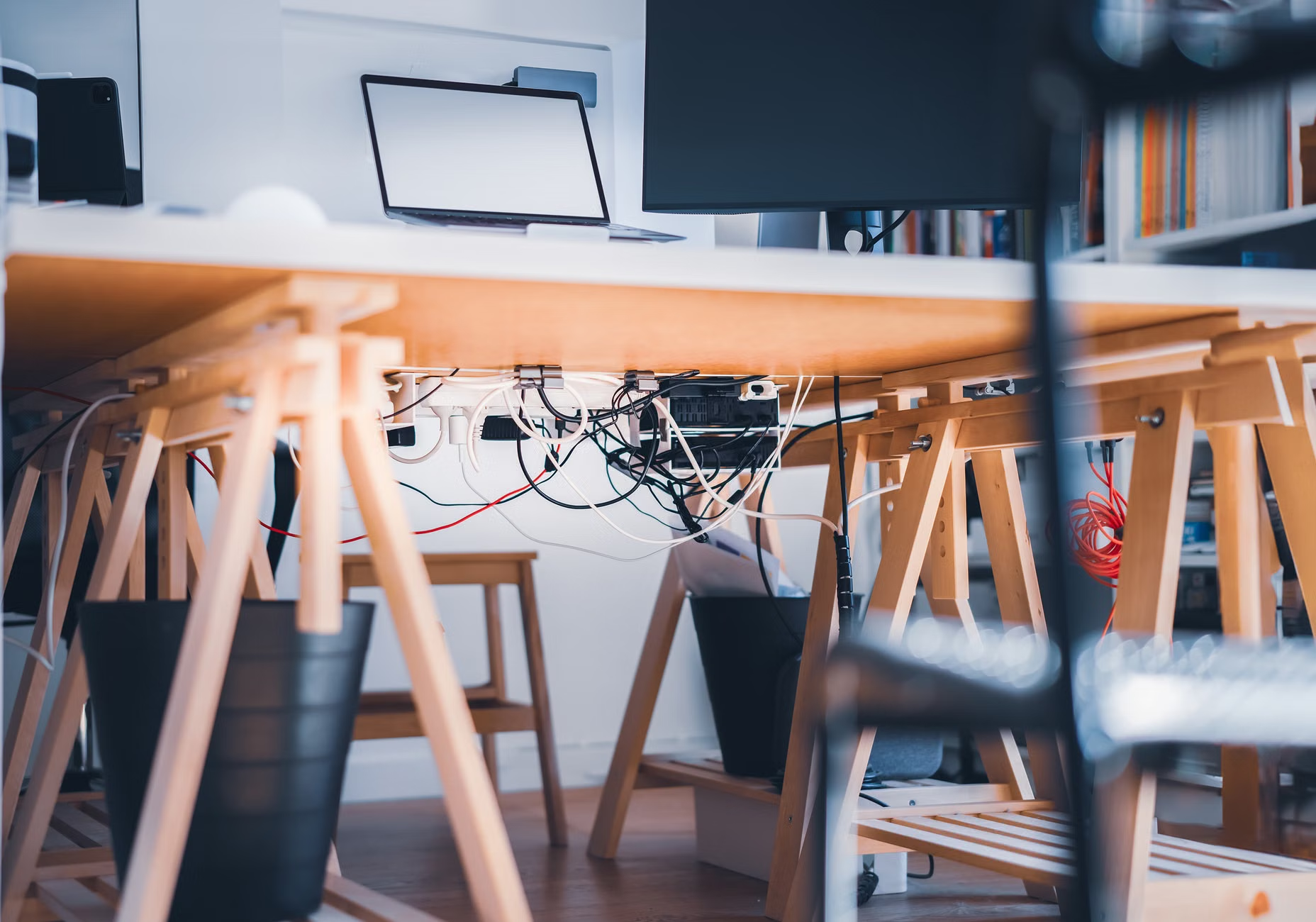
Visual clutter is the silent productivity killer. It is not just about having a tidy desk; it is about the amount of information your eyes are forced to process at any given moment. A shelf filled with books, knick-knacks, and loose papers creates a constant stream of “to-do” reminders and visual stimuli that keeps the brain in a state of low-level alertness.
The Strategy: Aim for “visual silence.” This doesn’t mean you have to live in a minimalist void. It means using storage that hides the contents. If you have open shelves, use matching fabric boxes or bins to contain the chaos. If you have a wall of books, consider turning them spine-in or using a curtain to mask the shelf during work hours.
A/B Comparison: Visual Environments
| Feature | High-Stimulus Setup | Sensory-Friendly Setup |
|---|---|---|
| Storage | Open shelving with varied objects | Closed cabinetry or uniform lidded boxes |
| Color Palette | High-contrast, bold patterns | Low-contrast, cool or neutral tones |
| Desk Surface | Paper piles, multiple gadgets | Clear surface with only essential tools |
For most people, the “Sensory-Friendly” approach yields a measurable increase in task completion speed. Why? Because the brain doesn’t have to re-orient itself every time you look up from your screen. You are effectively reducing the “switching cost” of your attention.
Acoustic Architecture: Beyond Noise-Canceling Headphones
Headphones are a great band-aid, but they are not a permanent solution. Wearing noise-canceling headphones for 8 hours a day can lead to ear fatigue and physical discomfort. Instead, you need to treat the room itself. Sound travels in waves, and those waves bounce off hard surfaces—walls, hardwood floors, glass desks—creating a “reverb” that makes even quiet sounds feel jarring.
The Fix: Soften the room. The goal is to increase the “sound absorption coefficient” of your space. You don’t need professional studio foam. A thick rug with a felt pad underneath is one of the most effective ways to kill floor-level noise. Heavy curtains don’t just block light; they block high-frequency sound waves that bounce off windows. If you have a large, empty wall, a canvas print with acoustic foam tucked behind it acts as both art and a sound dampener.
The Lighting Spectrum: Why Kelvin Matters
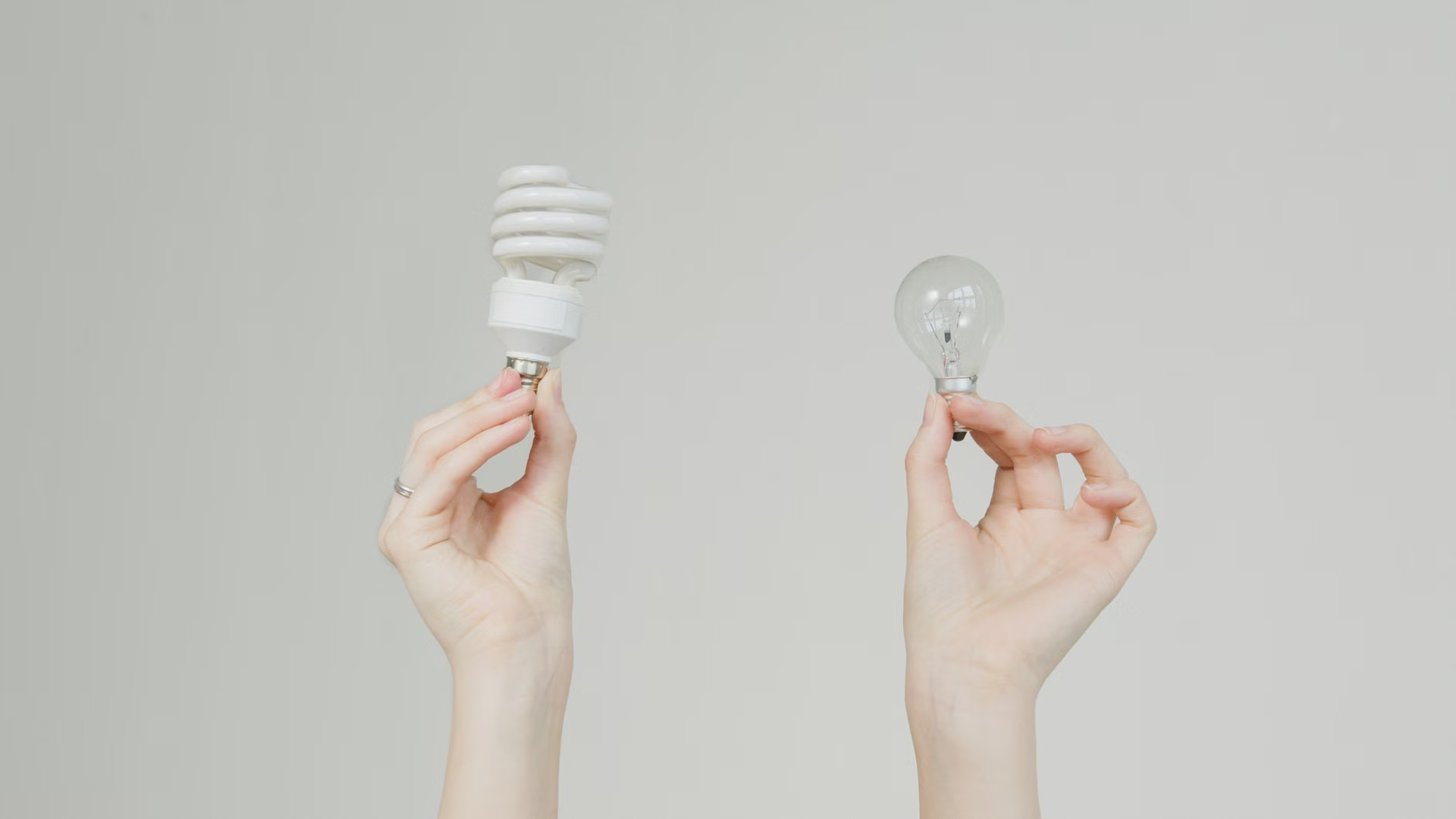
Most home offices rely on a single, harsh overhead light. This is a common mistake. Light is not just about brightness; it is about color temperature, measured in Kelvin (K). High Kelvin (5000K+) mimics daylight and is great for morning tasks that require high alertness. Lower Kelvin (2700K-3000K) is warmer, closer to a sunset, and is essential for the late afternoon when you need to wind down or do creative work without triggering the “alert” response in your brain.
Actionable Rule: Use a layered lighting approach. Never rely on one light source.
- Task Lighting: A dedicated desk lamp with a high Color Rendering Index (CRI). CRI measures how accurately a light source reveals colors. Aim for 90+ CRI to reduce eye strain.
- Ambient Lighting: Indirect lighting, such as a floor lamp pointed at the wall, prevents the “spotlight effect” that can cause fatigue.
- The “Switch”: If you work in the same room you live in, the change in lighting is a vital psychological trigger. Switching from bright, cool task lighting to soft, warm ambient light at 5:00 PM signals to your brain that the workday is over.
Tactile Comfort and Proprioceptive Input
Sometimes, the brain needs more input, not less. This is where “proprioceptive input”—the sensation of pressure on the body—comes in. If you find yourself fidgeting, rocking, or feeling “unsettled” while working, you might be under-stimulated. This is common in neuro-diverse individuals who need a steady stream of sensory feedback to maintain focus.
What it looks like in real life:
- Weighted Lap Pads: A heavy pad on your thighs can provide a grounding sensation that mimics the feeling of a hug, reducing anxiety.
- Footrests: A stable surface for your feet allows you to press down, engaging your muscles and providing the sensory input your brain craves.
- Textural Variety: A small, textured object like a smooth stone or a piece of felt on your desk gives your hands something to do during long meetings, preventing the urge to reach for your phone.
Common Mistakes and How to Avoid Them
The most common error is “over-optimizing.” People often spend thousands on ergonomic chairs and high-end soundproofing, only to find they still can’t focus. This is usually because they ignored the “hidden costs” of their environment. For example, a chair that is ergonomically perfect but made of a fabric that feels “scratchy” or “wrong” will be a constant source of sensory irritation. Always prioritize your personal sensory preferences over industry-standard “ergonomic” features.
Another mistake is failing to account for “sensory drift.” What works on a Monday morning might feel overwhelming by Thursday afternoon. Your sensory needs are dynamic. Your sanctuary should be modular. Keep a “sensory toolkit” nearby: a pair of earplugs for when the house is too loud, a pair of blue-light-blocking glasses for when the screen glare is too much, and a blanket for when you need to ground yourself.
Practical Implementation: A Step-by-Step Guide
Don’t try to renovate your entire office in a weekend. Sensory design is an iterative process. Start here:
- The 24-Hour Audit: For one day, note every time you feel distracted or physically uncomfortable. Is it the light? The noise? The visual clutter? The temperature? Identifying the specific “offender” is the first step.
- De-clutter by Category: Spend one hour clearing your desk surface. If you don’t use an item daily, move it to a closed drawer.
- Adjust the Lighting: Swap your overhead bulb for a “smart” bulb that allows you to change the color temperature. It is a low-cost, high-impact change.
- Acoustic Softening: Add a rug or a heavy throw blanket to the room. See if it changes the “echo” of the space.
The Hidden Variable: Air Quality and Temperature
We often forget that our sensory environment includes the air we breathe. Stale, carbon-dioxide-rich air is a major contributor to “afternoon brain fog.” If your study is small and poorly ventilated, your CO2 levels can rise quickly, leading to lethargy. Ensure you have a way to circulate fresh air, whether that is a small desk fan or simply opening a window every 90 minutes. Similarly, keep your room slightly cooler than the rest of the house. Studies suggest that 20-22°C (68-72°F) is the “sweet spot” for cognitive performance; any higher, and your body spends energy trying to cool itself down rather than focusing on the screen.
Conclusion: Your Sanctuary as an Evolving Tool
Designing a sensory sanctuary is not about achieving a “perfect” room; it is about creating a space that respects your brain’s unique way of processing the world. By taking control of the lighting, the acoustics, and the visual inputs, you are not just making your office look better—you are removing the obstacles that stand between you and your best work. Start small, observe how you feel after each change, and don’t be afraid to adjust as your needs shift. Your productivity is not a constant; it is a reflection of the environment you create for yourself.
Frequently Asked Questions
Does a sensory-friendly room have to be boring or minimalist?
Absolutely not. The goal is “sensory balance,” not minimalism. You can have bright colors, art, and personal items; the key is to ensure they are organized and don’t create visual clutter. If you love color, use a cohesive palette rather than a chaotic mix of patterns, and keep your “active” work area clear of distractions.
Are acoustic panels worth the investment for a home office?
If you live in a noisy household, they can be a game-changer. However, they are most effective for reducing echo (reverb) rather than blocking sound from outside. If you are trying to block sound from other rooms, focus on the gaps under your door (using a door sweep) and adding mass to the room with heavy curtains or furniture before buying expensive acoustic panels.
How do I know if I am over-stimulated or under-stimulated?
If you feel anxious, irritable, or have the urge to “escape” the room, you are likely over-stimulated (too much light, noise, or clutter). If you feel sleepy, restless, or find yourself constantly seeking distractions like your phone or snacks, you may be under-stimulated and need more sensory input, such as a weighted lap pad, background white noise, or a change in lighting.
For further reading on sensory processing and workspace design, you can visit the National Autistic Society’s guide on environmental adjustments.