- “Eco-friendly” and “natural” are often unregulated marketing terms; always check the specific ingredient list rather than the front-of-pack claims.
- Look for third-party certifications like the EU Ecolabel, EPA Safer Choice, or ECOCERT, which require verified compliance with environmental standards.
- The most sustainable cleaning choice is often reducing the number of specialized products you own, as concentrated, multi-purpose cleaners significantly lower plastic waste and chemical exposure.
If you have spent any time in the cleaning aisle of your local supermarket lately, you have likely noticed a sea of green packaging, leaves, and phrases like “earth-conscious,” “plant-powered,” or “non-toxic.” It feels great to pick up a bottle that promises a clean home without harming the planet, especially when you have kids or pets crawling on the floors. However, the reality is that many of these claims are examples of greenwashing—a marketing tactic where companies spend more time and money on branding themselves as “green” than on actually minimizing their environmental footprint.
For those of us in our 30s and 40s, juggling the demands of work, family, and household management, it is easy to default to the path of least resistance. We want to make responsible choices, but we don’t have the time to earn a degree in chemistry or environmental science just to buy a bottle of surface cleaner. The good news is that you don’t have to. Understanding the regulatory landscape and learning to spot the “red flags” on a label can help you cut through the noise and make truly informed decisions.
Why “Green” Marketing Often Misleads the Busy Consumer
Greenwashing is not just about a company lying; it is about them using vague, unverifiable language to influence your purchasing decision. When a company labels a product as “all-natural,” they are using a term that, in many jurisdictions, has no strict legal definition. Arsenic and mercury are “natural,” yet you wouldn’t want them in your kitchen cleaner. This creates a false sense of security.
The core issue is the “Sin of Vagueness.” This occurs when a brand uses terms that are so broad that they are effectively meaningless. If a product claims to be “eco-friendly,” ask yourself: In what way? Is the packaging recycled? Is the formula biodegradable? Does the company offset its carbon emissions? If the label doesn’t specify, the claim is likely just marketing fluff.
For a parent, this is particularly frustrating. We are often looking for products that are “hypoallergenic” or “pet-safe.” While these labels can be helpful, they can also be used to distract you from other chemicals in the bottle that might be less desirable. The goal of the manufacturer is to make you feel good about the purchase so you don’t dig deeper into the actual ingredient list.
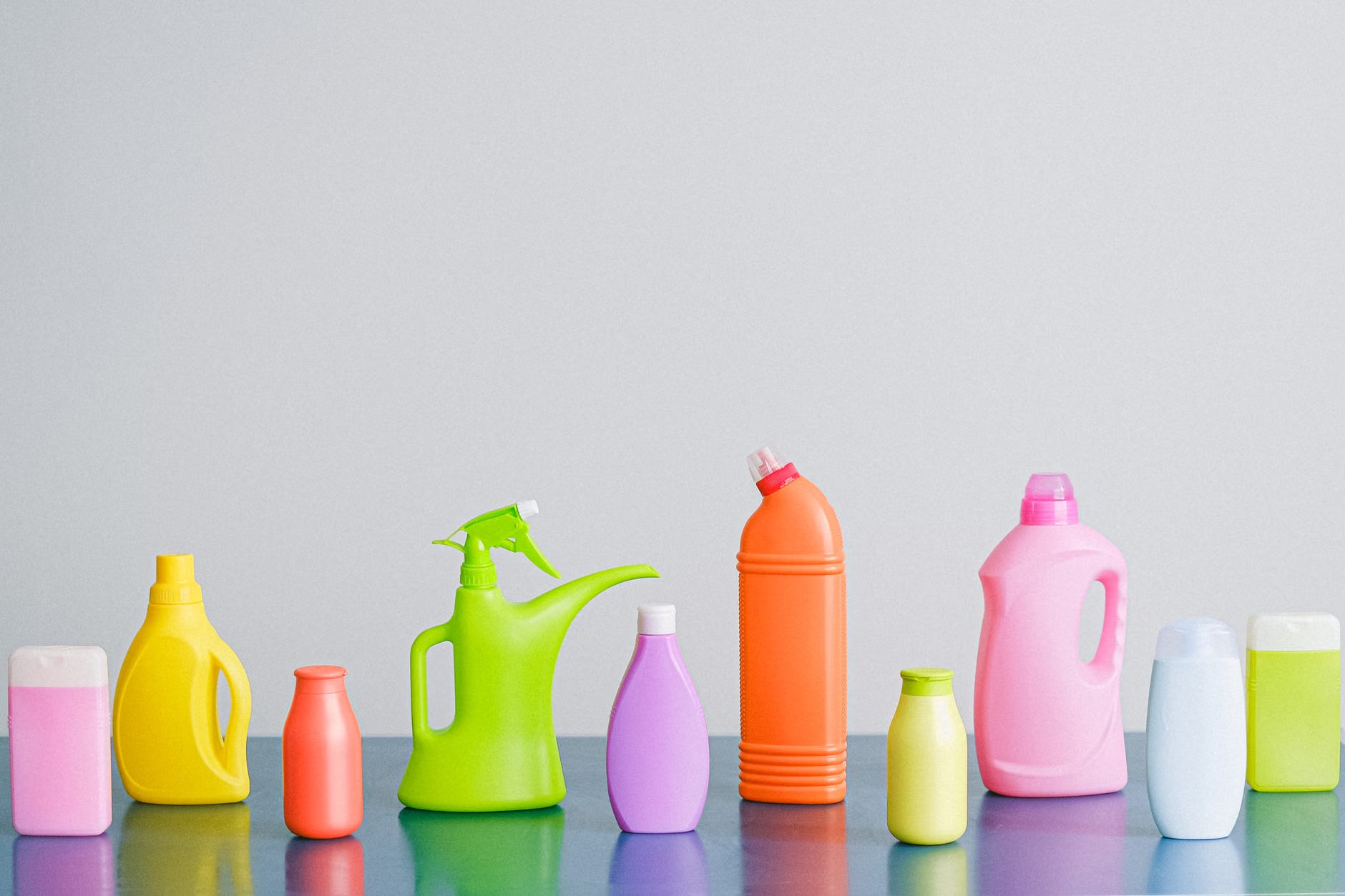
How to Decode the Labels Like a Pro
Instead of looking at the front of the bottle, move straight to the back. This is where the truth lives. Even if you aren’t a chemist, there are specific things you should look for to separate the green from the greenwashed.
1. Look for Independent Certifications
Marketing claims are self-reported. Certifications, however, are verified by third parties. When a product undergoes a rigorous audit to earn a label, it means they have met specific, transparent criteria. Some of the most reliable global standards include:
| Certification | What it guarantees |
|---|---|
| EPA Safer Choice (USA) | Ingredients have been screened for human health and environmental safety. |
| EU Ecolabel | Strict criteria across the entire product lifecycle, from raw material extraction to disposal. |
| ECOCERT | Focuses on natural and organic ingredients and sustainable production processes. |
If you don’t see a logo from a recognized third party, be skeptical. A “leaf” icon designed by the company’s own marketing department is not a certification; it is just a graphic element intended to trigger a positive emotional response.
2. The “Ingredient Transparency” Test
True eco-friendly brands are proud of their ingredients. They will often provide a full list on their website, even if the law doesn’t strictly require it in their region. If a product label says “contains proprietary surfactants” or “proprietary fragrance blend,” it is a major red flag. “Fragrance” is a catch-all term that can hide hundreds of synthetic chemicals, some of which are known allergens or hormone disruptors.
If you see a product that refuses to disclose what is in its “fragrance” or “cleaning agents,” you have to ask: What are they hiding? A truly green company will be transparent about their ingredients, explaining why they chose each one and where it is sourced.
The Hidden Costs of “Eco-Marketing”
Beyond the ingredients, we need to consider the lifecycle of the product. Many people fall into the trap of buying “green” products that are shipped in single-use plastic bottles. This is a classic case of “The Lesser of Two Evils” fallacy. Just because a cleaner is non-toxic does not mean its packaging is sustainable.
Consider the carbon footprint of your cleaning routine. Are you buying water? Most standard cleaning products are 90% water. When you buy a pre-mixed bottle, you are paying for the water, the heavy plastic bottle, and the carbon emissions required to ship that weight across the country. A more sustainable, and often cheaper, approach is to buy concentrates or tablets that you mix with your own tap water at home.
This is a practical shift that saves space in your cabinets, reduces plastic waste by up to 90%, and significantly lowers the shipping impact. When you see a “green” product in a bulky, single-use plastic container, it is worth comparing it to a concentrated alternative. The concentrate is almost always the more environmentally sound choice, regardless of the marketing on the label.

Common Mistakes We Make in the Cleaning Aisle
Even with the best intentions, it is easy to make mistakes. Let’s look at the most common pitfalls and how to avoid them.
Mistake 1: The “Natural” Fallacy
Many consumers assume that “natural” equals “safe.” However, essential oils, which are often used in natural cleaners for their scent, can be potent allergens. For someone with sensitive skin or a child with asthma, a strong “natural” scent can be just as irritating as a synthetic one. Always prioritize “fragrance-free” over “naturally scented” if you or your family members have sensitivities.
Mistake 2: Over-Cleaning
We are culturally conditioned to believe that every surface needs a specialized cleaner. We have a spray for the glass, a spray for the counters, a spray for the bathroom, and a spray for the floors. This is largely a marketing construct to increase volume sales. In reality, most surfaces in your home can be cleaned with a simple, mild, pH-neutral solution. By reducing the number of products you use, you reduce the chemical load in your home and minimize the risk of accidental exposure.
Mistake 3: Ignoring Disposal Instructions
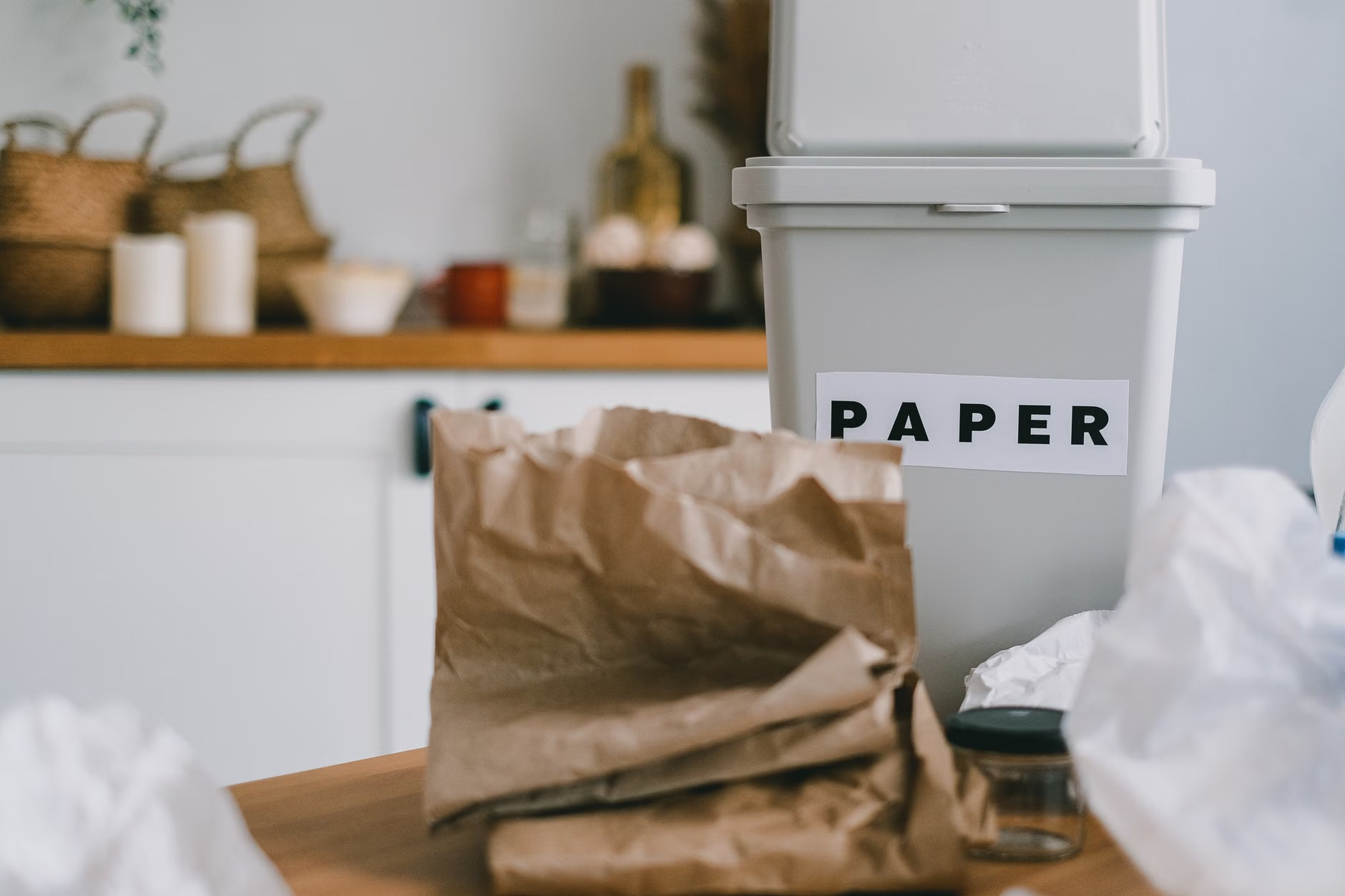
What happens when you are finished with the product? If the bottle isn’t recyclable in your local area, or if it contains ingredients that shouldn’t go down the drain in high concentrations, the “green” nature of the product is negated at the end of its life. Check your local council or municipal website to see what materials are actually accepted in your recycling bin. Don’t assume that because a bottle has a “recycling symbol” on it, it is actually recyclable where you live.
Building a Sustainable Cleaning Strategy
If you want to move toward a more sustainable and honest cleaning routine, you don’t need to overhaul everything at once. Start by evaluating what you already have. Here is a step-by-step approach to cleaning up your cleaning routine:
- Finish what you have: The most sustainable product is the one you already own. Don’t throw away half-used bottles of conventional cleaner just to replace them with “green” ones. That creates unnecessary waste.
- Audit your inventory: Once a bottle is empty, look at the ingredients. If it was full of harsh chemicals, look for a safer, third-party certified alternative.
- Switch to concentrates: Look for brands that offer refillable systems. This is the single most effective way to reduce the plastic and carbon footprint of your cleaning routine.
- Simplify: Can you replace three specialized cleaners with one effective multi-purpose cleaner? Often, a simple mixture of white vinegar and water (for non-stone surfaces) or a mild plant-based soap is enough for 90% of your cleaning needs.
Remember that the goal is progress, not perfection. If you have a particularly tough stain that requires a stronger chemical cleaner, using it occasionally is not a failure of your environmental principles. It is about the cumulative impact of your daily choices.
The Role of Regulation: What You Need to Know
Regulators are finally catching up. In the European Union, the “Green Claims Directive” is moving toward banning vague environmental claims like “eco-friendly” or “carbon neutral” unless they can be backed by verified, standardized evidence. The UK’s Competition and Markets Authority (CMA) has also been cracking down on misleading green claims through their “Green Claims Code.”
In the United States, the Federal Trade Commission (FTC) provides the “Green Guides,” which are designed to help marketers avoid making misleading environmental claims. While these are not legally binding in the same way as a statute, they are used by the FTC to bring enforcement actions against companies that engage in deceptive advertising.
What does this mean for you? It means the landscape is slowly getting clearer. Companies are being forced to be more specific. However, until these regulations are fully enforced globally, the burden of verification still sits with the consumer. Use the official government resources provided below to understand the standards in your region.
Final Thoughts on Making Smarter Choices
Navigating the cleaning aisle shouldn’t feel like a detective mission, but until manufacturers are held to a higher standard of transparency, it remains a necessary skill. By prioritizing third-party certifications, looking past the front-of-pack marketing, and embracing the simplicity of concentrates, you can effectively protect your home environment and the planet simultaneously.
Don’t let the marketing noise overwhelm you. Focus on the ingredients that matter to your family’s health and the reduction of waste in your daily life. Every small shift, from choosing a concentrated cleaner to properly recycling your empty bottles, contributes to a more sustainable household. Stay curious, keep reading those labels, and remember that you have more power as a consumer than the marketing departments would like you to believe.
Frequently Asked Questions
Is “all-natural” always better than “synthetic”?
Not necessarily. “Natural” does not guarantee safety. Some synthetic ingredients are engineered to be safer, more stable, and more effective than their natural counterparts. The most important factor is the toxicity profile of the specific ingredient, whether it is derived from a plant or a lab. Focus on independent safety certifications rather than the origin of the ingredient.
Are DIY cleaners (like vinegar and baking soda) actually effective?
They are effective for light cleaning and maintenance, but they are not disinfectants. If you are cleaning up after a pet accident or dealing with raw meat in the kitchen, you need an EPA-registered disinfectant to kill bacteria and viruses. Vinegar and baking soda are excellent for general surfaces, but they shouldn’t replace a proper disinfectant when sanitation is required.
Why do some “green” products still have a strong smell?
Even “natural” cleaners often contain essential oils or botanical extracts to provide a scent that consumers associate with cleanliness. If you are sensitive to smells, look for “fragrance-free” or “unscented” versions of these products. Being “green” does not mean a product is automatically hypoallergenic or safe for those with fragrance sensitivities.
Disclaimer: This article is for informational purposes and does not constitute medical or professional environmental advice. Always consult the product label for usage instructions and safety warnings specific to your household needs.