- The 2-Hour Rule: Limit active walking tours to a maximum of two hours before scheduling a “stationary” break, as toddlers hit sensory and physical fatigue quickly in high-stimulation historic centers.
- Cobblestone Geometry: Prioritize routes that avoid excessive stairs or uneven terrain by checking local “accessibility maps” (often designed for wheelchairs), which are the gold standard for stroller-friendly paths.
- The ‘Scout’ Strategy: Instead of long-form guided tours, use a ‘Scout’ approach—pick two points of interest within walking distance and treat the path between them as the primary activity rather than the destination itself.
If you have ever tried to navigate the ancient, narrow, and aggressively cobblestoned streets of a European capital with a toddler in a stroller, you know the specific brand of exhaustion that sets in around hour three. We often dream of leisurely strolling through history, gelato in hand, while our little ones marvel at the architecture. The reality is usually a mix of “my legs hurt,” “I’m hungry,” and a toddler attempting to touch every uneven stone in a medieval alleyway.
The secret to surviving these trips isn’t about lowering your expectations; it’s about changing the mechanics of how you move. By shifting from a “destination-based” itinerary to a “rhythm-based” itinerary, you can actually enjoy the city without the usual travel-induced meltdowns.
Why the ‘Standard’ Walking Tour Fails Toddlers
Most commercial walking tours are designed for the endurance of an average adult. They last between 90 and 180 minutes, move at a brisk pace, and focus on dense information. For a child under the age of four, this is a recipe for disaster. Their spatial awareness is limited, their physical stamina is tethered to their nap schedule, and their capacity for “architectural appreciation” is effectively zero.
When you force a toddler into an adult-tempo tour, you aren’t just dealing with a tired child; you are dealing with a sensory overload event. Historic cities are loud, crowded, and full of uneven surfaces that require intense concentration for a toddler to navigate on foot. When they are in a stroller, they are at the height of exhaust pipes and crowded knees, which adds another layer of stress.
The shift you need to make is simple: Stop treating the city as a checklist of monuments and start treating it as a series of “engagement zones.” An engagement zone is any space where a toddler can be safely released from the stroller or carrier to interact with the environment for 15 to 20 minutes.
The 2-Hour Rule: Managing Physical and Sensory Load
The “2-Hour Rule” is the most effective constraint you can place on your day. Research into child development and travel fatigue suggests that after about 120 minutes of navigating public spaces, the cumulative effect of noise, movement, and lack of agency leads to a significant drop in emotional regulation. By capping your active walking tour at two hours, you create a buffer for the inevitable.
How do you implement this? Divide your day into segments. If you are exploring a city like Rome or Prague, divide the morning into two distinct segments. The first segment, from 10:00 AM to 12:00 PM, is your “active” window. This is when the toddler is most refreshed. The second segment, from 1:00 PM to 3:00 PM, should be a “stationary” window—a long lunch, a visit to a park, or a museum with plenty of floor space.
Common Mistake: Trying to “push through” the fatigue to reach the museum at the end of the street. If your child is flagging, the museum will be a miserable experience for everyone involved. Abandoning the plan to sit in a quiet cafe for thirty minutes is not a failure; it is a tactical retreat that saves the rest of your day.
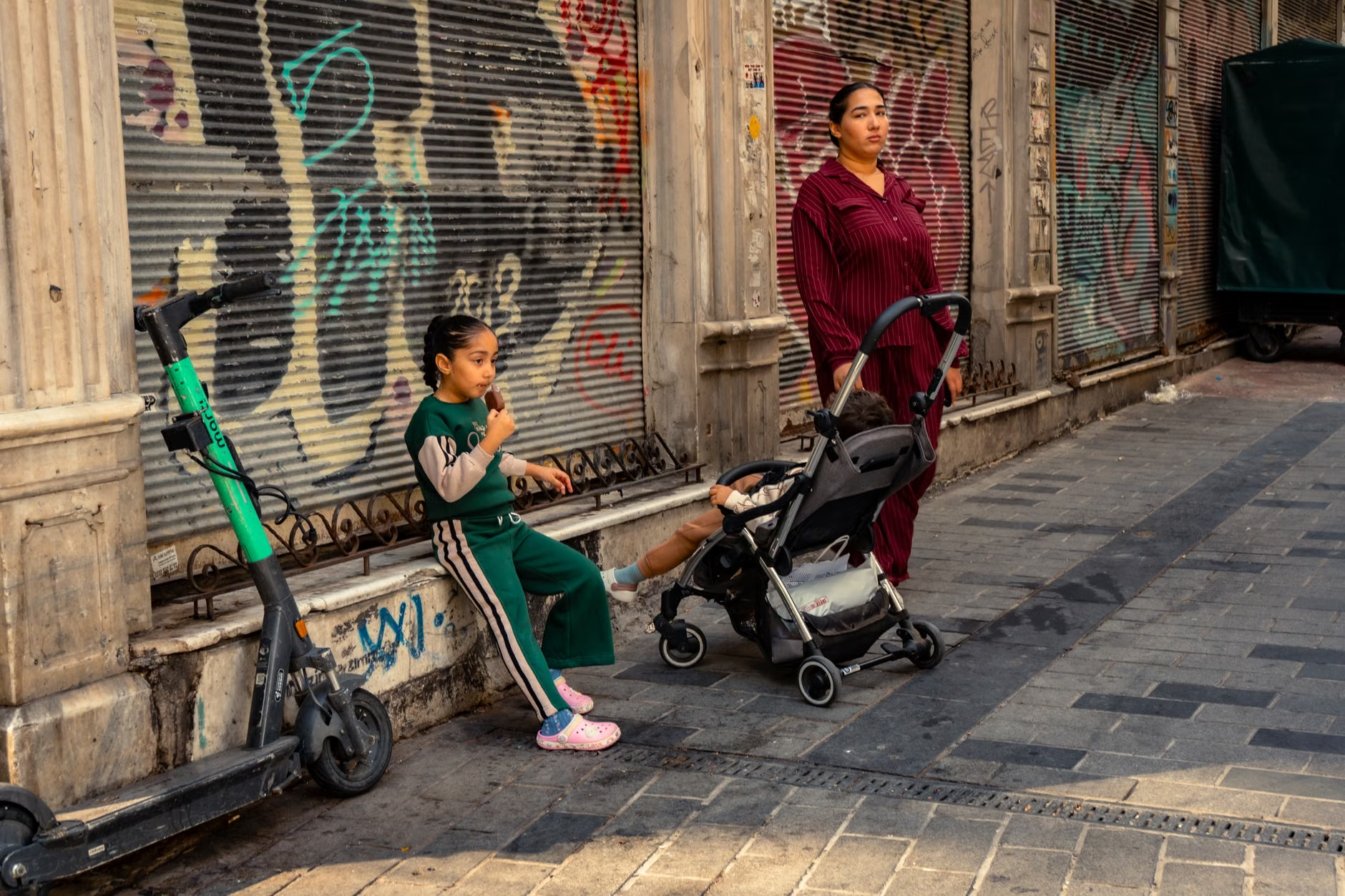
Historic cities are notoriously unfriendly to wheeled transport. Cobblestones are not just a design feature; they are an obstacle course. If you are traveling with a stroller, the quality of your wheels matters more than the brand of the stroller. You need larger, air-filled, or high-density rubber tires to absorb the vibration that travels through the frame and into the seat.
If you don’t have an “all-terrain” travel stroller, you are better off using a soft-structured carrier for the most difficult sections. Many historic city centers provide accessibility maps on their official municipal websites. These are often intended for wheelchair users, but they are the absolute best resource for parents with strollers. They highlight routes that avoid stairs, steep inclines, and the most treacherous cobblestone paths.
| Feature | Stroller Strategy | Carrier Strategy |
|---|---|---|
| Cobblestones | Requires large, rubber-tire wheels; high risk of vibration. | Best for uneven terrain; allows for hands-free navigation. |
| Stairs | Requires two-person lift or finding ramp detours. | Easy navigation; requires core strength from the parent. |
| Rest Periods | Child can nap in the stroller. | Child must be removed for a nap. |
| Max Duration | Unlimited, provided the surface is smooth. | Limited by parent’s back/shoulder fatigue (usually 60-90 mins). |
The table above illustrates the trade-off. If you are going to be in a city with heavy medieval architecture, the carrier is often the superior choice for the “active” portion of your walk, even if it limits how long you can go without a break.
The ‘Scout’ Strategy: Redefining the Destination
When you are in your 30s or 40s, you likely feel the pressure to “see” the highlights. But with a toddler, the highlight isn’t the cathedral; the highlight is the fountain in the square or the bird they saw on the way there. Use the “Scout” approach: Pick two points on a map that are no more than 400 meters apart. Spend 45 minutes getting from point A to point B.
Why this works: You are removing the urgency. When you aren’t rushing, you can stop to let your child inspect a stone wall or watch a street musician. This turns the walking tour into a shared experience rather than a forced march. If you make it to the destination, great. If you don’t, you’ve still spent an hour engaged with the city’s atmosphere.
Practical Tip: Use a “scavenger hunt” list. Before you leave the hotel, write down three things to find: a red door, a statue of a dog, and a street sign with a specific color. This gives the toddler a sense of agency and focus, which significantly reduces the likelihood of them wandering off or demanding to be carried.

Essential Gear for the Mobile Family
The gear you pack is the difference between a smooth transition and a crisis. In a historic city, you don’t have the luxury of returning to your car or hotel easily. Everything you need must be on your person or in your stroller.
1. The ‘Emergency’ Snack Kit: Never rely on finding a shop open exactly when the hunger hits. In many European cities, shops close for lunch or on Sundays. Keep a high-protein, low-sugar snack kit (think dried fruit, nuts, or oat bars) that doesn’t melt in the sun.
2. Portable ‘Seat’ Solutions: If you are in a crowded plaza, finding a bench is impossible. A small, lightweight, foldable travel blanket or a compact folding stool can turn any curb or patch of grass into a comfortable resting spot.
3. The Hydration Strategy: Many historic cities have public fountains (like the nasoni in Rome). Carry an empty, collapsible water bottle. It saves weight and ensures you can fill up with cold, potable water whenever you pass a fountain.

Common Mistakes to Avoid
The most common mistake is the “Over-Scheduling Trap.” You might think, “Well, the museum is only ten minutes from the park, so we can do both.” You are forgetting the “transition time.” Every transition—getting the child out of the stroller, into the building, through security, and into the exhibit—takes, on average, 15 to 20 minutes of non-walking time. Multiply this by three stops, and you have lost an hour of your day just to logistics.
Decision Rule: Never schedule more than two “major” stops in a single day. A major stop is defined as anything that requires a ticket or an indoor duration of more than 30 minutes. If you have two major stops, the rest of your day must be “unstructured walking.”
Another mistake is ignoring the local “siesta” or rest patterns. In many Mediterranean and Southern European cities, shops and some smaller museums close between 1:30 PM and 4:30 PM. If you plan your big walking tour during this window, you will find yourself in a ghost town. While this can be peaceful, it also means no access to restrooms or cafes. Always check the local opening hours for the specific neighborhood you are visiting.
Adapting to Cultural Contexts
It is important to acknowledge that “toddler-friendly” means different things in different countries. In Scandinavia, for example, you will find universal stroller access, large elevators in public buildings, and widespread availability of baby changing facilities. In older, more compact cities in Italy or Greece, infrastructure is often centuries old and was never designed for modern accessibility.
If you are traveling to a location with limited infrastructure, lean into the “local” pace. Don’t try to force your Western, high-efficiency scheduling on a city that operates on a different rhythm. If you find yourself frustrated, take a step back and look at how the locals handle it. You will rarely see a local parent rushing a toddler through a historic site. They are usually sitting, talking, and letting the child move at their own pace.
The Hidden Cost of ‘Doing It All’
There is a hidden cost to the “see everything” mentality: the loss of the “serendipity” factor. When you are rushing to hit your next target on the map, you miss the small, magical moments—the local baker handing your child a small piece of bread, the hidden courtyard with the blooming flowers, or the quiet street where you can hear the city’s true pulse. These are the memories you will actually keep, not the fact that you saw the third cathedral on your list.
If you find that your child is having a great time in a random park, stay there. The cathedral will still be there tomorrow, or in ten years. Your child’s curiosity, however, is a fleeting thing. Prioritize the engagement over the checklist.
Finalizing Your Plan
Before you step out the door, take five minutes to do a “Constraint Check.” Ask yourself these three questions:
- Is the path stroller-friendly? (Check the municipal accessibility map).
- Do we have enough snacks and water for two hours of movement?
- What is our “retreat” option? (Where is the nearest park or quiet cafe if the toddler hits a wall?)
If you have the answers to these, you are ready. The goal of a walking tour with a toddler isn’t to cover the most ground; it’s to make the ground you do cover memorable and stress-free. By limiting your scope, preparing for the terrain, and embracing the “Scout” strategy, you can turn a potentially chaotic day into one of the highlights of your family trip. Remember, the city isn’t going anywhere—but your toddler’s patience is. Use it wisely, and you’ll find that you actually see more by doing less.
Frequently Asked Questions
Q: Should I bring a stroller or a carrier for a 2-year-old in a historic city?
A: It depends on the city’s terrain. If you are visiting a city with extensive cobblestones and narrow staircases (like parts of Rome or Dubrovnik), a high-quality soft-structured carrier is often more efficient. If you are visiting a city with wider, flatter pedestrian areas, a lightweight, easy-to-fold stroller is better for your own back, provided it has larger wheels to handle minor bumps.
Q: How do I handle bathroom breaks during a walking tour?
A: This is the #1 logistical hurdle. Before starting your walk, download a public restroom app or identify “safe” stops like major department stores, museums, or hotel lobbies that are generally more accessible. In many European cities, public toilets are rare, so plan your “stationary” breaks around cafes where you can use the facilities after purchasing a coffee or snack.
Q: What if my toddler refuses to walk and refuses to be in the stroller?
A: This is a classic “agency” meltdown. When this happens, stop immediately. Do not try to negotiate while walking. Find a safe, quiet spot and offer a “reset”—a snack, a drink of water, or simply sitting on the ground for five minutes. Often, the toddler just needs to feel like they have some control over the situation. Giving them a choice, like “Do you want to walk to that blue door or the red door?”, can often break the cycle of defiance.
For further information on navigating cities with families, you can check official resources such as the Lonely Planet guide to traveling with toddlers or your specific destination’s municipal tourism portal for accessibility maps.