Community fridges are not just about surplus food; they are decentralized, hyper-local infrastructure that provides 24/7 food security for your neighbors while actively reducing household waste.
- Accessibility: Community fridges operate on a “take what you need, leave what you can” model, removing the stigma and bureaucratic barriers often associated with formal food banks.
- Safety Standards: Participation requires strict adherence to food safety guidelines, such as labeling expiration dates and avoiding high-risk items like raw meat or open containers.
- Systemic Impact: While they don’t replace systemic social safety nets, they provide a vital bridge for families facing temporary financial strain or sudden food insecurity.
We have all been there: you bought a bag of spinach for a recipe, used half, and now the rest is wilting in the crisper drawer. Or perhaps you’re clearing out the pantry before a move and realize you have six unopened boxes of pasta you won’t get to. Usually, the guilt sets in, followed by the trash can. But what if that food could be someone’s dinner tonight? This is where the community fridge movement steps in—a low-barrier, high-impact way to keep food in stomachs and out of landfills.
Understanding the Mechanics of a Community Fridge
At its core, a community fridge is a public refrigerator and pantry station, usually located in a sheltered outdoor space, managed by local volunteers. Unlike a traditional food bank that requires registration, income verification, or specific operating hours, these fridges are typically accessible 24/7. They function on a mutual aid basis, meaning the community—individuals, local cafes, and small grocers—collectively stocks and maintains them.
Why does this matter in your 30s and 40s? Life is expensive. Between rising grocery costs, mortgage payments, or the sudden, unpredictable expenses that come with parenting, food security can feel precarious even for middle-income families. A community fridge isn’t just for the unhoused; it’s a neighborhood resource that normalizes the idea that everyone, at some point, might need a little extra support.
The Difference Between Food Banks and Community Fridges
It is important to distinguish between these two systems. Food banks are often institutional, requiring formal intake processes. They are essential for long-term, large-scale food distribution. Community fridges, however, are agile. They are designed for “micro-needs”—the gallon of milk you forgot to buy, the extra produce from your garden, or the meal you cooked too much of.
| Feature | Food Bank | Community Fridge |
|---|---|---|
| Access | Restricted hours/registration | 24/7, anonymous |
| Inventory | Shelf-stable/bulk | Fresh produce/perishables |
| Operation | Staffed/Professional | Volunteer-led/Mutual aid |
If you are looking to support your community, the fridge is your immediate, low-commitment entry point. If you find yourself in need, there is no paperwork to fill out, no questions to answer, and no shame in participating.
Safety First: How to Participate Responsibly
The most common criticism of the community fridge movement is the question of food safety. How do we know the food is safe? The reality is that these fridges operate on a “community trust” model. However, trust must be backed by clear, actionable safety rules. If you are donating, you are responsible for the quality of what you provide.
The “Donation Hierarchy” for Busy Families
When you are rushing to clear out your fridge on a Sunday night, it’s easy to dump everything in. Don’t do this. Follow these three rules to ensure your contribution is actually helpful and safe:
- Keep it sealed: Never donate items that have been opened. If you have a half-empty jar of pasta sauce, it stays in your fridge. If you have a sealed, store-bought jar, it’s great for the community fridge.
- Label everything: If you are donating cooked items (like a batch of soup), include a note with the date it was prepared and a list of ingredients. This is crucial for those with allergies.
- Know what to avoid: Avoid raw meat, raw fish, and unpasteurized dairy. These carry a high risk of foodborne illness if temperatures fluctuate. Stick to produce, bread, sealed pantry goods, and pasteurized dairy.
Common Mistake: Many people think that because they put their food in the fridge, it will last forever. Remember, these units are often outdoors. If a heatwave hits or the power flickers, the fridge’s temperature can rise. Always check the fridge’s internal thermometer (if provided) or look for signs of spoilage before taking anything.
The Hidden Benefits: Beyond Just Food
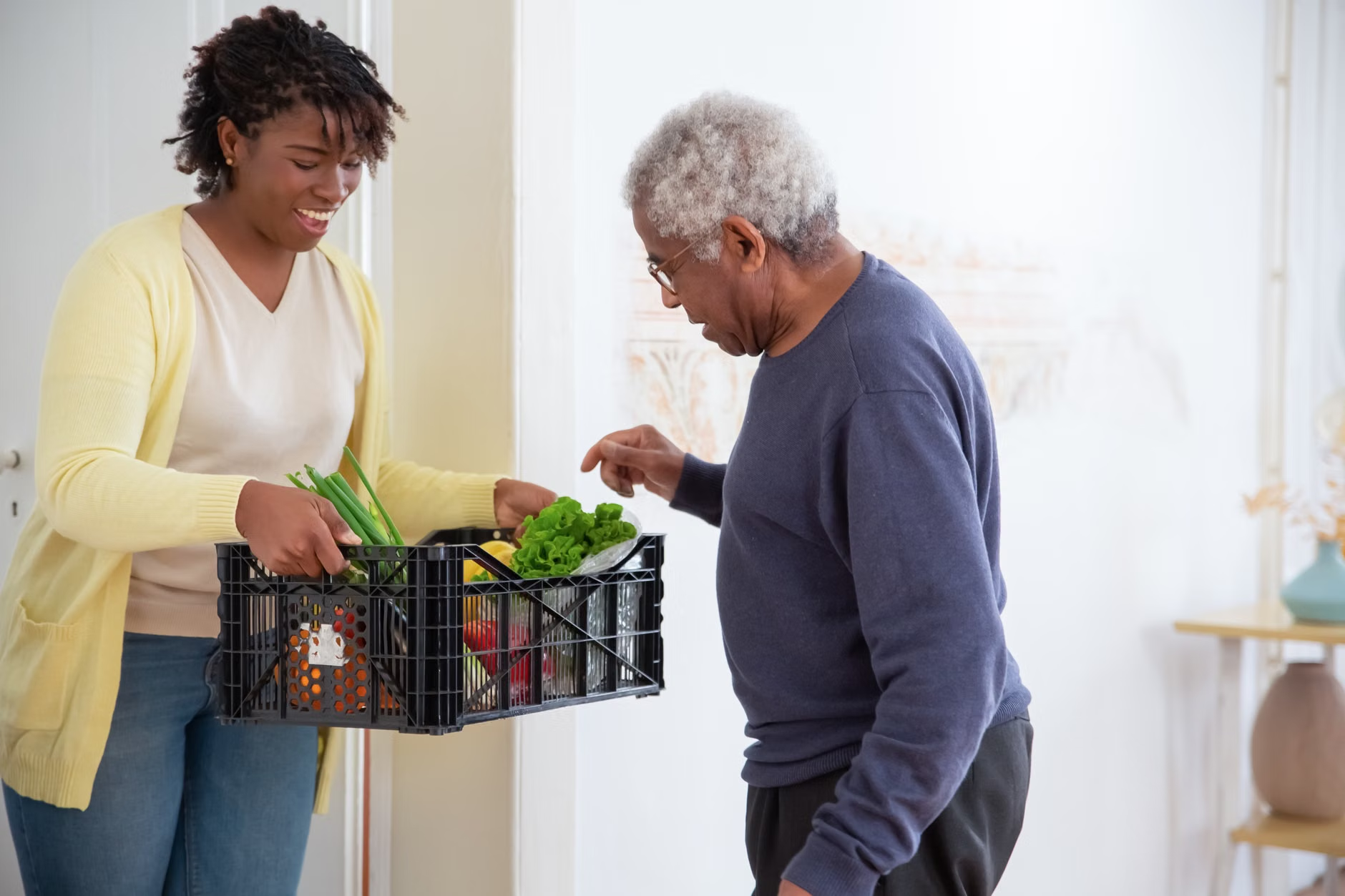
While the primary goal is food security, the secondary effects of community fridges are arguably just as important. They create “third spaces”—neutral ground where people from different walks of life interact. When you go to drop off groceries, you might strike up a conversation with a neighbor you’ve never met. This builds social cohesion.
For parents, this is a teachable moment. Bringing your children along to donate extra produce is a tangible way to talk about food waste, privilege, and community responsibility. It moves these concepts from abstract lessons to concrete actions. It shows children that we don’t just throw away what we don’t need; we share it with those who might.
Managing the “Unexpected” in Your Neighborhood
What if you want to start a fridge in your own area? It is not as simple as plugging an old fridge into an outlet. You need a host site—a local business, community center, or church that is willing to provide electricity and, ideally, some level of oversight. You will also need a team of volunteers to rotate cleaning duties and monitor the fridge for expired items.
Decision Criteria: Before you launch a project, ask yourself these three questions:
- Is there a willing host? You cannot place a fridge on public property without permits. A private business with a supportive owner is the gold standard.
- Do you have a cleaning schedule? A dirty fridge is a hazard. You need a roster of volunteers to sanitize the interior at least once every 48 hours.
- Is there a local need? Does your neighborhood have existing food insecurity issues, or is there a lack of access to fresh produce? Don’t start one just for the sake of it; identify the gap first.
Even with good intentions, community fridges face real-world friction. Weather is a major factor. If you live in a region with harsh winters or extreme summer heat, the fridge must be insulated and protected. Some communities use custom-built wooden sheds to house the fridge, which helps regulate temperature and provides a space for dry goods (the “pantry” portion).
Another challenge is the “dumping” issue. Sometimes, people treat the fridge as a trash can for old, rotten food. This is why a local volunteer group is non-negotiable. They act as the “fridge guardians,” removing spoiled items and keeping the space organized. If you notice a fridge in your area is consistently messy, don’t just walk away—reach out to the organizers (usually listed on their Instagram or Facebook page) and offer to help with a cleanup shift.
Comparison: When to Use a Fridge vs. a Food Bank
Choosing the right resource depends on your specific situation. Use the following guide to help you decide where to go:
| Your Need | Best Choice | Why? |
|---|---|---|
| Need a full week of groceries | Food Bank/Pantry | Better inventory management for long-term needs. |
| Missing a specific ingredient | Community Fridge | Immediate, quick, and low-pressure access. |
| Emergency, late-night need | Community Fridge | Usually accessible 24/7. |
The key takeaway here is that these systems are complementary. A healthy neighborhood food ecosystem utilizes both. Food banks handle the heavy lifting, while community fridges handle the daily, immediate gaps.

A Sustainable Approach to Local Food Security
The community fridge movement is ultimately a reflection of how we value our neighbors. It’s a quiet, persistent reminder that we are responsible for one another. For families in their 30s and 40s, who are often caught in the “sandwich generation” (caring for children and aging parents), this movement offers a way to contribute to the greater good without needing to dedicate hours of time or significant financial resources.
If you have never visited one, take a moment this weekend to find your local fridge. You don’t have to donate anything on your first trip. Just observe how it works. See what people are dropping off, see what people are taking, and read the posted guidelines. Understanding the infrastructure is the first step toward becoming an active participant.
Final Recommendation: Start small. If you find yourself with extra produce from your garden or an unopened box of cereal that you know you won’t eat, wash it, check the label, and drop it off. It’s a simple act of neighborly kindness that ripple-effects into a more resilient community.
For more information on how to find or start a community fridge, you can visit resources like Freedge.org, which provides a global map and a toolkit for setting up your own station.
Frequently Asked Questions
Is it safe to eat food from a community fridge?
Most community fridges are monitored by local volunteers who check for spoilage and cleanliness regularly. However, you should always inspect items yourself: check for intact seals, reasonable expiration dates, and proper storage. If an item looks questionable or the fridge seems poorly maintained, it is best to skip it.
Can I donate cooked meals?
Generally, yes, but with strict conditions. Most fridges require that cooked meals be professionally prepared or, if made at home, clearly labeled with the date of preparation and a complete list of ingredients to ensure those with allergies remain safe. Avoid donating items that have been sitting out at room temperature for more than two hours.
What if I see someone misusing the fridge?
If you notice someone leaving trash or taking an excessive amount of food, it can be frustrating. However, these spaces are built on trust and the assumption of need. Avoid confrontation. Instead, report the issue to the fridge’s organizing group (usually via their social media page) so they can address the maintenance or clarify the community rules.
Note: This article is intended for informational purposes and does not constitute professional advice on public health or food safety regulations. Always consult your local health department’s guidelines regarding food sharing in your specific jurisdiction.