The most critical rule for off-grid family safety is establishing a “dual-redundancy” communication plan before you leave home, because once you lose cellular service, your smartphone becomes a glorified camera rather than a lifeline.
Three Key Takeaways for Off-Grid Parents:
- Digital is not reliable: Never rely solely on GPS or mobile apps; always carry physical topographical maps and a compass, and know how to use them.
- The “Check-in” Protocol: Establish a fixed time window for external check-ins via satellite messenger, providing a “dead-man’s switch” notification if you fail to report.
- Environmental Awareness: Off-grid safety is 80% preparation and 20% reaction; identify your nearest medical facility and helicopter evacuation point before unloading your car.
There is a specific kind of silence that hits you when you drive deep into the woods. It’s refreshing, sure, but for any parent in their 30s or 40s who is used to the constant ping of emails and the safety net of 5G, that silence can quickly turn into anxiety. You aren’t just managing your own safety; you’re responsible for small humans who have a knack for finding the one patch of poison ivy or the only loose floorboard in a hundred-year-old cabin.
The reality of off-grid living—even for a weekend—is that you are stepping outside the standard emergency response grid. You are the first responder. This doesn’t mean you need to be a survivalist expert, but it does mean you need a protocol that replaces the convenience of “calling for help” with the confidence of “being prepared.”
Establishing Your Communication Redundancy
In the modern world, we treat connectivity as a utility like water or electricity. When you move off-grid, you have to treat it as a luxury that can vanish at any moment. Most people assume that if their phone shows “No Service,” they can still dial emergency numbers. While some phones attempt to roam on other networks for 911/112 calls, this is highly unreliable in remote wilderness areas.
The Protocol: You need a satellite-based communication device. Devices like the Garmin inReach or Zoleo allow you to send SMS messages via satellite. They aren’t just for emergencies; they are for “we are safe” check-ins that keep family members at home from panicking if you are an hour late coming back from a hike.
Common Mistake: Relying on a “rugged” smartphone. Even the most expensive, waterproof phone is useless without a signal. Furthermore, in cold weather, battery life plummets. Your satellite device should be kept separate, fully charged, and preferably attached to your person or the primary adult’s pack.
Action Step: Set a “Check-in Cadence.” If you are staying for three days, agree with a relative back home that you will send a “Status OK” message at 9:00 AM and 7:00 PM every day. If they don’t receive that message by 9:30 AM or 7:30 PM, they have your GPS coordinates and a clear instruction set on what to do next.
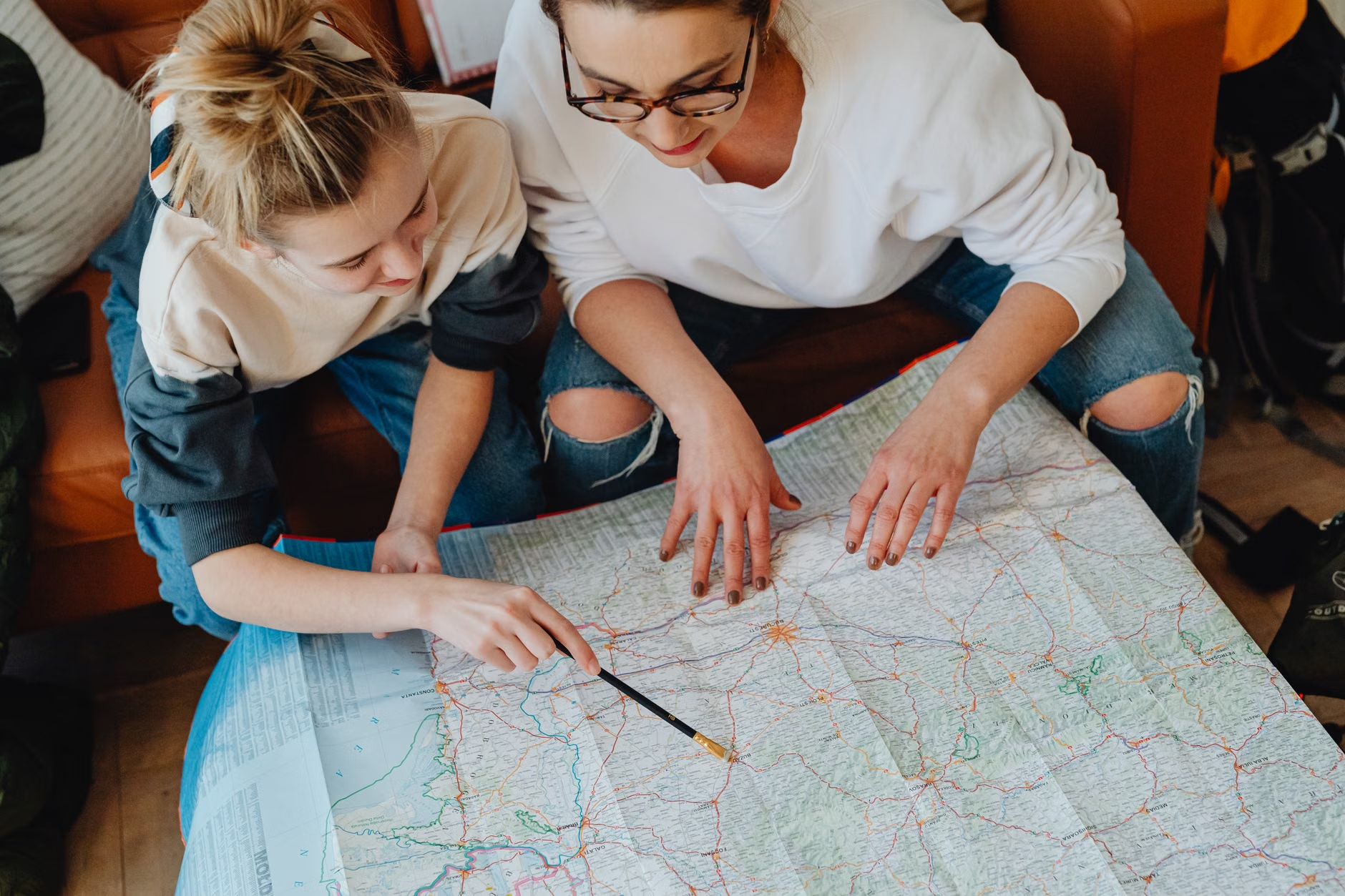
We have become dangerously dependent on Google Maps. The problem is that navigation apps often cache data, but they lack the granular detail of terrain, elevation change, and seasonal hazards. A road that looks “passable” on a screen might be a mud pit after two days of rain.
What it looks like in real life: You arrive at the cabin and realize the trail to the nearest town is washed out. If you only had a digital map, you might be guessing. If you have a physical topographic map, you can see the contours and realize that taking the ridge path is safer than the valley floor.
Decision Rule: Never enter an area where you don’t have a paper map covering a 10-mile radius around your cabin. If you are hiking with children, your “safe zone” is significantly smaller than yours. A five-mile hike for an adult is a grueling, potentially dangerous journey for a six-year-old in poor weather.
| Tool | Primary Use | Limitation |
|---|---|---|
| Smartphone GPS | Casual navigation | Battery/Signal reliance |
| Satellite Messenger | Emergency/Check-ins | Requires subscription |
| Paper Topo Map | Total reliability | Requires skill to read |
Medical Preparedness: Beyond the Basic Band-Aid
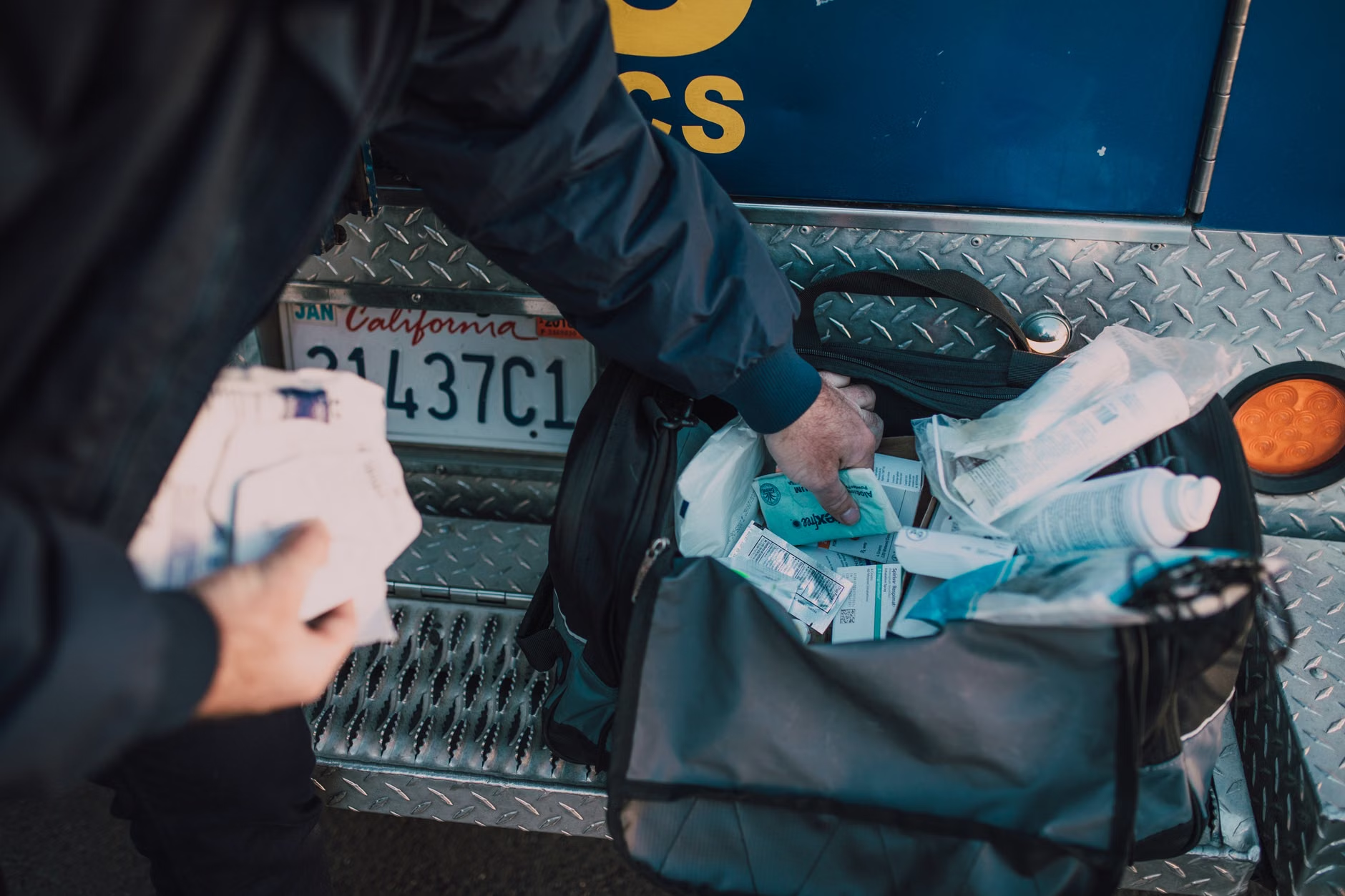
Most commercial first-aid kits are designed for minor scrapes or kitchen accidents. They are not designed for a “wilderness extraction” scenario. When you are off-grid, a simple twisted ankle can become a major emergency if you cannot walk back to your car.
The “Golden Hour” Mindset: In urban settings, an ambulance is usually 10–15 minutes away. In the wilderness, that time frame can be four to six hours. Your kit needs to account for stabilization, not just treatment.
Essential Additions to Your Kit:
- Trauma Shears: To cut clothing away from an injury without moving the limb.
- Israeli Bandage / Pressure Dressing: For serious bleeding that a standard gauze pad won’t stop.
- SAM Splint: A flexible, moldable splint that is lightweight and can immobilize almost any bone.
- Antihistamines and Epi-Pen: Even if no one has a known allergy, a first-time reaction to a bee sting in the woods is a life-threatening event.
Pro-Tip: Take a weekend Wilderness First Aid (WFA) course. It is not just about medical skills; it’s about “triage.” It teaches you how to stay calm and assess who needs help first, which is the most important skill for a parent under stress.
Managing Environmental Hazards
Safety in an off-grid cabin is often about managing the “invisible” risks. In your 30s and 40s, you’re likely balancing the need for adventure with the reality of having dependents. You need to perform a “Safety Sweep” the moment you arrive.
The 15-Minute Sweep:
- Water Source: Is the water potable? If it’s from a well or stream, do you have a secondary filtration system (like a Sawyer Squeeze or LifeStraw) in case the pump fails? Never trust the “natural” water source without testing or boiling.
- Heating Hazards: If the cabin uses a wood stove, where is the fire extinguisher? Is there carbon monoxide (CO) detection? Modern cabins usually have them, but older ones rarely do. Bring a portable, battery-operated CO detector.
- Wildlife Buffer: Are you in bear or mountain lion country? Teach the kids the “no food in the room” rule immediately. Store all food in airtight containers or your vehicle.
Common Misconception: “The cabin is closed, it’s safe.” Older cabins can have structural issues like rotting decks, unstable railings, or chimneys that vent poorly. Do not assume the structure is as sound as your home in the suburbs.
The Psychology of Staying Calm
The biggest risk to a family in the wilderness is not a bear or a storm; it is panic. When a child gets hurt or you get lost, your body hits a “fight or flight” response. If you, as the parent, start to panic, the children will mirror that energy, leading to irrational decisions like running away or separating.
The “STOP” Rule: Teach this to your kids (and yourself).
S – Stop. Don’t move.
T – Think. What is the immediate danger?
O – Observe. Where are we? What resources do we have?
P – Plan. What is our next move?
This simple acronym prevents the most common error: “Panic-walking.” People who are lost often start walking quickly, which leads to further disorientation and exhaustion. If you are lost, your best bet is almost always to stay put, especially if you have a communication device.
The Hidden Costs of Off-Grid Safety
We often talk about the “cost” of gear, but the real cost is time and cognitive load. You are choosing to be in a position where you are responsible for your own safety. This means you need to dedicate time to research.
The Variable of Seasonality: A cabin that is perfectly safe in July can be a death trap in October. Sudden temperature drops in mountain regions can cause hypothermia even if the daytime temperature seems mild. Always pack 20% more clothing and food than you think you need. This is the “Safety Margin.”
Researching the Local Authority: Before you leave, identify the local Search and Rescue (SAR) contact. You don’t call them for a scraped knee, but you need to know which jurisdiction you are in. Is it a National Park? State Forest? Private land? The response capability varies drastically between these.
Final Recommendations for the Off-Grid Parent
Off-grid travel is an incredible way to bond with your family and reset your mental health. The risks are real, but they are manageable through preparation. Do not let the “what ifs” stop you from going, but do let them dictate how you pack and how you plan.
Your Checklist for Departure:
- Communication: Satellite messenger tested and charged.
- Navigation: Physical maps purchased and marked with your cabin and key landmarks.
- Medical: A trauma-capable first aid kit that you have personally reviewed (don’t just buy a pre-made one and leave it sealed).
- Information: The local SAR number saved on your phone AND written on a piece of paper in your wallet.
- The “Check-in” Pact: A clear, agreed-upon schedule for reporting in with someone at home.
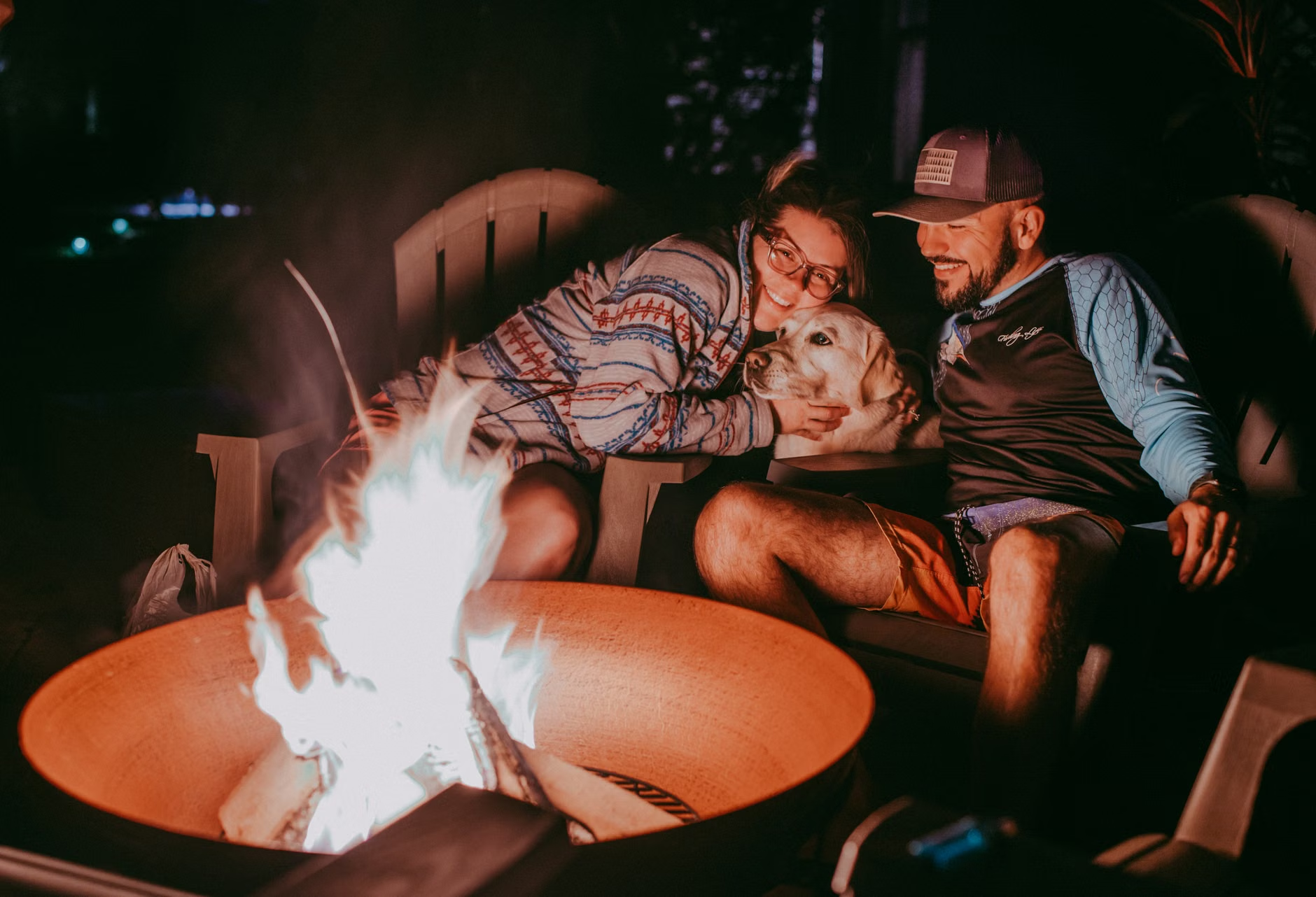
The goal is to move from a state of “uncertainty” to a state of “contained risk.” Once you have your protocols in place, you can stop worrying about the “what ifs” and start focusing on the fire, the stars, and the time with your family. That is the true value of going off-grid.
Frequently Asked Questions
1. Do I really need a satellite messenger, or is my phone enough?
In most remote cabin environments, your phone will be useless. Satellite messengers like the Garmin inReach or Zoleo are not just for emergencies; they are your only way to send a simple “we’re okay” text. If you travel off-grid more than once a year, the device cost and subscription fee are a small price for the peace of mind they provide.
2. What is the most common medical emergency in off-grid cabins?
Surprisingly, it is not “wilderness trauma” but rather minor infections and dehydration. Because you are away from your usual routine, people often forget to drink water and ignore small cuts. A simple blister or a small cut can become infected quickly in a dirty environment. Keep your first aid kit stocked with antiseptic, high-quality bandages, and plenty of electrolyte packets.
3. How do I explain “off-grid” safety to young children?
Don’t use scary language. Frame it as a “game of preparation.” Show them the map and let them help you “spot” the cabin location. Teach them the “STOP” rule as a fun secret code. If they view the safety measures as part of the adventure rather than a restriction, they are much more likely to follow them without complaining.
For further information on wilderness safety and preparing for remote travel, you can consult the official resources provided by The National Park Service (NPS) Hiking Safety Guide or the Wilderness Society’s guidelines on responsible recreation.