Upcycling textiles for your home office isn’t just about reducing waste; it is a design choice that adds unique texture, improves acoustics, and creates a more human-centered workspace that helps you stay focused during a busy work-from-home week. By choosing repurposed materials over mass-produced plastic or synthetic office decor, you are investing in a healthier environment for yourself and your family while participating in a growing global shift toward circular interior design.
Key Takeaways
- Acoustic Benefits: Upcycled textile panels, such as those made from compressed fabric scraps or felt, outperform standard hard-surface office decor in reducing echo and background noise during video calls.
- The Durability Trade-off: While upcycled items offer high character, always check the structural integrity of structural pieces like chairs; prioritize “upcycled upholstery” over “upcycled load-bearing furniture” if you lack restoration expertise.
- Strategic Sourcing: Use platforms like Etsy’s “Upcycled” category or local textile recycling centers to find materials that are certified as post-consumer waste, ensuring your aesthetic choices align with genuine environmental impact.
Why Your Home Office Needs a Textile Upgrade
If you are like most parents balancing a career from a spare bedroom or a quiet corner of the living room, you know the struggle of the “sterile office.” Many home offices are filled with white walls, plastic organizational trays, and synthetic carpets. While these are functional, they often lack the warmth required to sustain long hours of creative or analytical work. Enter the upcycled-textile trend.
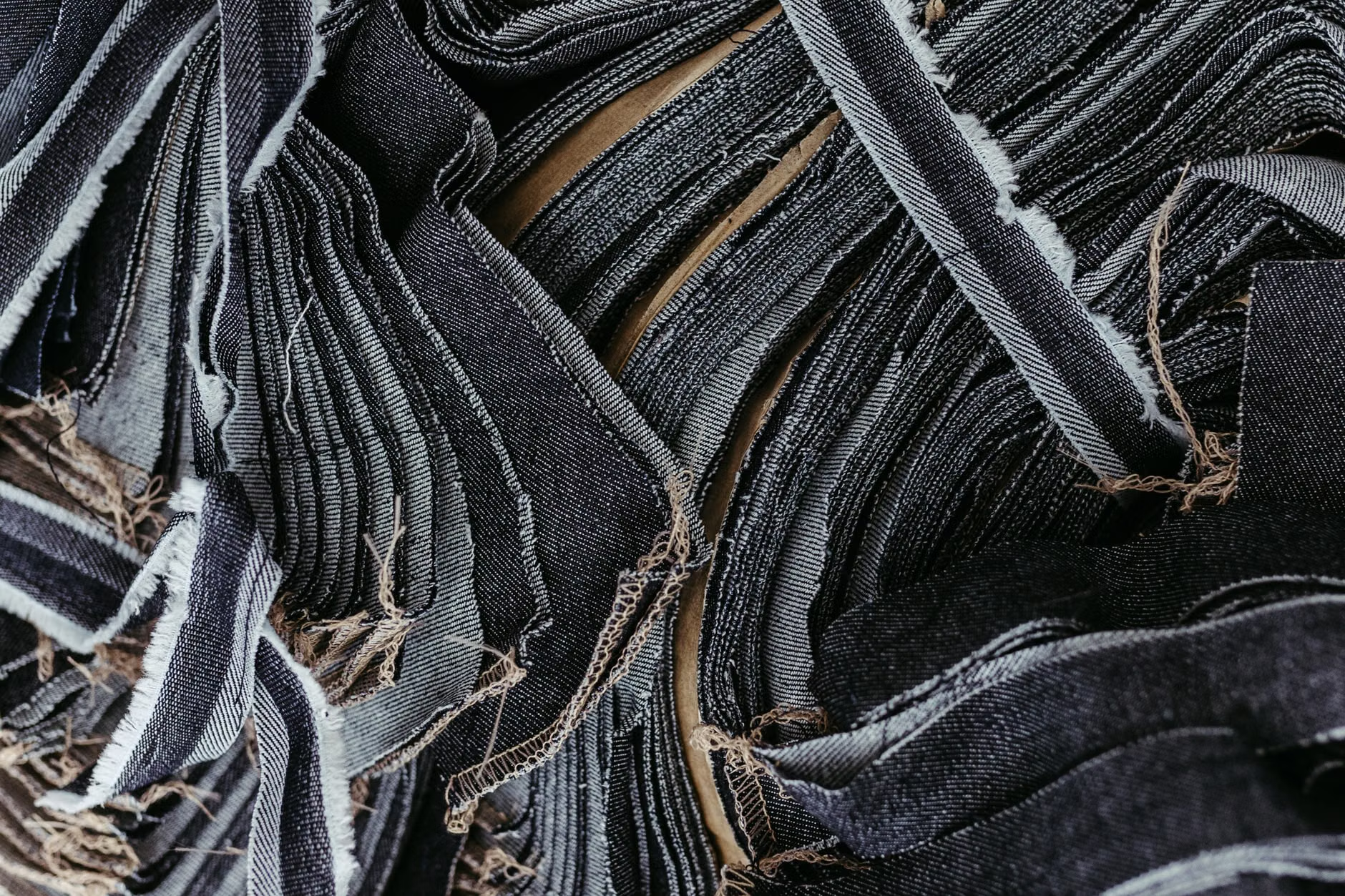
Upcycling is the process of taking waste material or unwanted products and transforming them into something new and often better than the original. In the context of your office, this means using discarded denim, industrial felt scraps, or vintage upholstery to create items that serve a specific purpose. It isn’t about just “making do” with old clothes; it is about reclaiming high-quality materials that have already stood the test of time, giving them a second life as desk accessories, sound dampeners, or ergonomic support.
For a parent in their 30s or 40s, the benefits are two-fold. First, it introduces a personal, tactile element to your work environment. Second, it serves as a subtle teaching tool. When your children see you repurposing items rather than buying new ones, it normalizes the concept of a circular economy—the idea that resources shouldn’t just be used and discarded, but kept in use for as long as possible.
The Science of Sound and Texture in Productivity
One of the most overlooked aspects of a home office is acoustics. If you are constantly on Zoom or Teams calls, you have likely noticed that hard surfaces—desks, hardwood floors, and empty walls—create a “bouncing” effect that makes your voice sound hollow or harsh. This is known as reverberation. Textiles, particularly dense, upcycled ones, are excellent at absorbing these sound waves.
By installing wall hangings made from layered fabric scraps or placing a thick, upcycled-rag rug under your desk, you are effectively creating a “sound-softened” zone. This doesn’t just make you sound better on calls; it reduces the cognitive load on your brain. Studies in environmental psychology suggest that our brains work harder to process sound in noisy or echo-prone environments, even if we don’t consciously realize it. By lowering the ambient noise levels in your office through textile absorption, you reduce mental fatigue by the end of the day.
When selecting textiles for acoustic purposes, look for density. A thin piece of silk won’t do much, but a heavy denim wall hanging or a thick, felted wool panel made from recycled sweaters will significantly dampen sound. If you are feeling ambitious, you can create your own acoustic panels by wrapping wooden frames in thick, upcycled fabrics. This is a project that can be completed over a weekend and offers a professional aesthetic that rivals expensive acoustic foam.
Choosing the Right Upcycled Materials
Not all fabrics are created equal when it comes to office utility. Some materials, like thin cotton, may look beautiful but will stain easily or lose their shape under the stress of daily use. When you are curating your space, consider the “Life-Cycle Suitability” of the material.
| Material Type | Best Use | Durability | Maintenance |
|---|---|---|---|
| Upcycled Denim | Desk organizers, chair covers, wall pockets | High | Low (machine washable) |
| Repurposed Felt | Acoustic panels, desk mats | Medium | Medium (vacuum only) |
| Vintage Wool | Throw cushions, seat pads | High | Low (spot clean only) |
| Canvas Scraps | Cable organizers, storage bins | High | Low (wipe clean) |
As the table shows, denim is a “workhorse” textile. Its tight weave makes it resistant to the wear and tear of a desk environment. If you are looking to make your first upcycled project, a denim desk mat or a hanging organizer for your cables is a great starting point. Wool, on the other hand, is excellent for comfort—if you have a wooden office chair that feels like a torture device after three hours, a cushion made from a repurposed wool coat can make a massive difference in your physical comfort.

Common Mistakes to Avoid When Upcycling
The most common mistake people make when diving into the upcycled-textile trend is prioritizing aesthetics over structural integrity. It is easy to find a beautiful, vintage fabric and decide to use it as a cover for an office chair, only to realize six months later that the fabric is prone to pilling or that it lacks the fire-retardant properties required for office furniture.
Always check the material composition. If you are buying “upcycled” items from a seller, ask if they have been treated or if they are naturally fire-resistant. Wool, for instance, is naturally flame-retardant, making it a safer choice than synthetic blends. Furthermore, avoid using fabrics that are “dry-clean only” for items that will get heavy daily use. Your office is a workspace, not a museum; it needs to be practical enough to handle a spilled cup of coffee or the occasional dust-up.
Another pitfall is “clutter-cycling.” Just because an item is upcycled does not mean it is a good addition to your desk. If your desk is already crowded, adding a bulky upcycled fabric organizer might actually decrease your productivity by taking up valuable real estate. Before you add any piece to your desk, ask yourself: Does this solve a problem (like storage, sound, or comfort), or is it just taking up space? If it doesn’t serve a clear function, rethink its placement or purpose.
How to Start Your Upcycled Workspace Transformation
You don’t need to overhaul your entire office in one go. In fact, the most sustainable way to build an office is to do it incrementally. Start by identifying one specific “pain point” in your current setup. Is it the noise? The lack of storage? The uncomfortable chair? Once you have identified the problem, look for a textile-based solution.
If you are crafty, you can source materials from local thrift stores or your own closet. Look for high-quality natural fibers—denim, wool, heavy linen, and canvas. Avoid synthetic blends that are fraying or thin, as these will not stand up to the rigors of an office environment. If you aren’t the DIY type, look for independent artisans on platforms like Etsy who specialize in upcycled goods. Many of these makers are happy to provide custom pieces that fit your exact desk dimensions.
Step-by-step for a DIY project:
- Measure twice, cut once: Whether you are making a desk mat or a wall panel, precision is key. Use a measuring tape and mark your lines clearly with tailor’s chalk.
- Clean and Prep: Always wash and sanitize reclaimed fabrics before bringing them into your office. This removes dust and allergens that could affect your air quality.
- Reinforce: If you are making something that needs to hold weight (like a hanging organizer), use a double layer of fabric or add a stiffening agent like fusible interfacing.
- Finish the Edges: Frayed edges can look “boho” for a week, but they will eventually become a nuisance. Use a simple hem or a bias tape to give your project a professional, finished look.
The Broader Impact of Your Office Choices
When you choose to incorporate upcycled textiles into your office, you are making a choice that ripples outward. The textile industry is one of the largest contributors to global landfill waste. By keeping these materials in circulation, you are reducing the demand for virgin materials, which saves water, energy, and reduces chemical runoff from textile production.
For your children, this is a tangible lesson in responsibility. We often talk to our kids about “recycling,” but that usually ends at the blue bin. By showing them that their parent’s office desk mat was once a pair of jeans, you are teaching them about the value of materials. You are demonstrating that “new” isn’t always “better,” and that creative problem-solving is a skill that applies to everything from office design to environmental stewardship.
This mindset also encourages you to be more intentional with your other purchases. Once you start looking at your office through the lens of circularity, you might start looking at your kitchen, your living room, and your wardrobe the same way. It is a slow, steady change in behavior that prioritizes longevity and quality over the temporary convenience of “fast” products.
Ensuring Longevity in Your Upcycled Decor
To keep your upcycled office looking professional, maintenance is essential. Unlike mass-produced plastic items that you can just wipe down, textiles require a bit more attention. For desk mats, consider a light spray of fabric protector to repel liquid spills. For wall panels, a simple vacuum attachment once a month will keep them free of dust and looking fresh.
If you notice a piece of upcycled decor is beginning to look worn, don’t be afraid to repair it. The beauty of textile-based decor is that it is inherently repairable. A loose thread can be trimmed, a small tear can be mended with a bit of embroidery, and a faded color can be revitalized with natural dyes. This process of “mending” is a core part of the upcycled philosophy—it treats the object as a long-term partner in your work rather than a disposable tool.
When you do eventually decide to replace an item, try to ensure it is recyclable at the end of its life. If you have built an acoustic panel using natural fibers and wood, it can be easily disassembled and composted or recycled. Avoid using heavy glues or mixed-material laminates that make an object impossible to take apart later. Design for disassembly is the final step in the upcycling journey.
Final Thoughts on Building Your Sustainable Workspace
Building an upcycled-textile office is a journey of discovery. It requires a bit more effort than ordering a generic desk set from a big-box retailer, but the rewards—a space that is uniquely yours, a better acoustic environment, and the satisfaction of living more sustainably—are well worth it. You don’t need to be an interior designer or a master tailor to make this work. You just need a bit of curiosity and a willingness to see the potential in the objects around you.
Start small. Replace your plastic mouse pad with a felted wool one, or hang a piece of salvaged fabric on the wall behind your monitor to help with your video call audio. As you see the benefits, you will likely find yourself drawn to other ways of bringing sustainable design into your daily life. It is not about reaching perfection; it is about making better choices, one piece of fabric at a time.
For more information on the environmental impact of textile waste, you can visit the EPA’s official data on textile waste, which provides a sobering look at why this shift toward upcycling is so vital for our collective future.
Frequently Asked Questions
1. Will upcycled fabric hold allergens or dust in my office?
Yes, fabrics can trap dust, which is why it is critical to properly clean and sanitize any reclaimed material before bringing it into your home. A thorough wash with a gentle detergent, followed by a high-heat dry (if the fabric allows) or a steam cleaning, will remove most allergens. If you have severe allergies, stick to tighter-weave fabrics like heavy cotton or denim rather than loose-weave wool or knits.
2. Is upcycled textile decor fire-safe for a home office?
Standard household textiles are generally not treated with fire retardants. If you are concerned about safety, especially if you have many electrical devices and cables, focus on natural fibers like wool, which has a higher ignition temperature and is naturally flame-resistant. Avoid using highly flammable synthetic materials like cheap polyester or acrylic blends if they are going to be near heat sources or power strips.
3. How do I know if the “upcycled” product I’m buying is legitimate?
Look for transparency in the product description. A legitimate upcycled item should clearly state what it was made from (e.g., “made from reclaimed vintage denim jeans”). If a product is labeled “upcycled” but the seller cannot tell you the source material or how it was reclaimed, it may be “greenwashing.” Always check for seller reviews and, when in doubt, ask questions about the materials used.