The most effective way to reclaim square footage in your high-density apartment isn’t by throwing away your clothes—it’s by stopping the cycle of buying specialized tools you only use twice a year. The “Library of Things” (LoT) model is rapidly becoming the gold standard in modern urban design, allowing residents to access everything from high-end power drills and sewing machines to camping gear and kitchen appliances without the burden of ownership.
- Financial ROI: Households can save an average of $500–$1,200 annually by borrowing infrequently used items rather than purchasing them.
- Space Optimization: Accessing a communal library frees up an average of 15–25 square feet of storage space in a typical urban apartment.
- Operational Reality: Successful LoTs rely on digital inventory management and a resident-led maintenance culture to remain sustainable over time.
If you live in a city, you know the “storage tax.” You pay thousands of dollars per square meter for your apartment, yet half of your hall closet is occupied by a carpet cleaner you used once in 2022 and a camping tent that smells like last summer’s rain. It’s a classic urban frustration: you have the money to buy the tool, but you don’t have the space to store it, and you certainly don’t have the time to maintain it.
This is where the Library of Things shifts from a “nice-to-have” amenity to a fundamental pillar of high-density living. It isn’t just about sharing; it’s about shifting the philosophy of home ownership from possession to access.
What Actually Happens in a Library of Things?
At its core, a Library of Things works exactly like a public library, but instead of books, you’re checking out utility items. In a high-density residential development, this usually manifests as a dedicated, climate-controlled room managed by the building’s property management team or a third-party service provider.
The process is designed for the busy 30-to-40-something demographic. You open an app, search for the item (say, a pressure washer), see if it’s available, and reserve it. When you arrive at the library—which is often just a secure room in your building’s basement or lobby—you use a digital key or a QR code to unlock the item. Some advanced systems even include sensors that track usage and battery levels, ensuring the next person doesn’t get a dead tool.
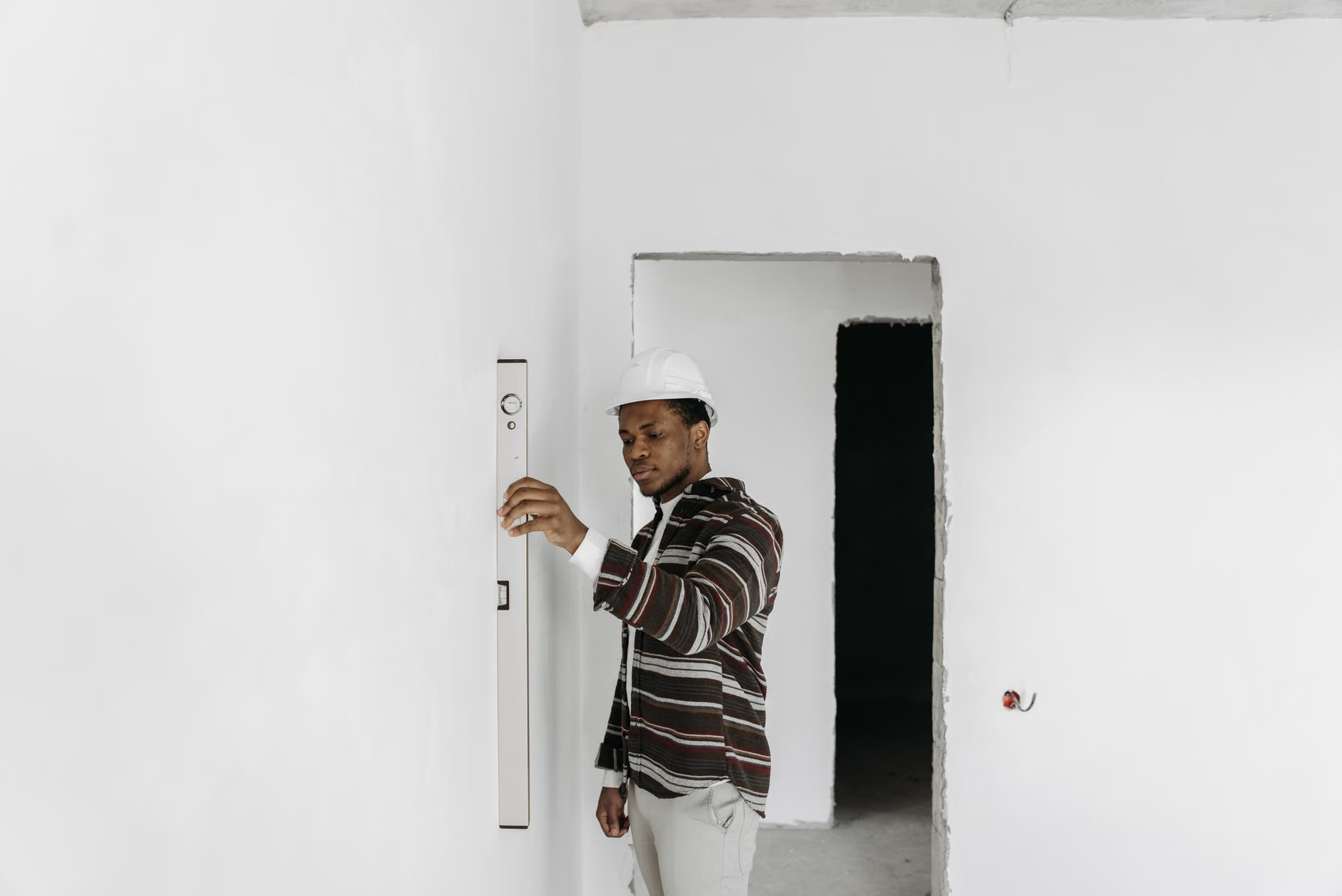
Why does this matter? Because ownership is actually quite expensive when you factor in the “hidden costs.” If you buy a $200 pressure washer, you aren’t just paying $200. You are paying for the storage space (pro-rated by your rent/mortgage), the maintenance, the batteries, and the eventual disposal fee. When you borrow it, you pay a nominal fee (or it’s included in your HOA/maintenance fee), and you return it to someone else’s shelf.
Let’s look at a realistic scenario for a family of three living in a two-bedroom apartment in a major metropolitan area. Your “to-do” list for the year likely includes: deep cleaning carpets, hanging gallery walls, minor plumbing fixes, a weekend camping trip, and hosting a large dinner party.
| Item | Average Cost | Storage Footprint | Benefit of Borrowing |
|---|---|---|---|
| Carpet Cleaner | $150 | 2 sq. ft. | Eliminates bulky storage |
| Power Drill Set | $120 | 1 sq. ft. | Instant access to high-quality gear |
| Large Tent | $300 | 3 sq. ft. | No mold/storage issues |
| Total | $570 | 6 sq. ft. | Major space recovery |
The table above highlights the obvious financial savings, but the real benefit is the reduction of “mental clutter.” When you own things, you have to manage them. You have to check if the drill battery is charged, you have to make sure the tent is dry before folding it, and you have to worry about where to put them when you move. In a library system, the “lifecycle management” of the item is offloaded to the building management or a professional service.
What Does Success Look Like in Practice?
A functional Library of Things isn’t just a pile of stuff in a room. It requires a specific set of operational standards to be useful for residents. If you are looking at an apartment building that boasts this amenity, keep an eye out for these three indicators of a high-quality system:
1. Digital Inventory Tracking
If you have to visit the front desk to ask, “Do we have a ladder?”, the system will fail. A successful LoT uses a dedicated web portal or app where you can see live availability, booking windows, and item condition. If the building doesn’t have an app or a digital log, the items will likely be broken or missing when you need them.
2. Tiered Inventory Selection
The best libraries focus on “high-impact, low-frequency” items. This includes:
- Tools: Drills, levels, stud finders, orbital sanders.
- Cleaning: Carpet cleaners, steam mops, window cleaning kits.
- Lifestyle: Projectors, camping tents, folding tables for parties, high-end blenders or stand mixers.
Avoid buildings that try to stock low-cost, high-wear items like basic screwdrivers. Those are cheap enough that everyone should own them, and they go missing too easily.

3. Maintenance Protocols
The “broken tool” problem is the biggest hurdle. A good building management team will have a scheduled maintenance routine—perhaps once a month—where items are tested, batteries are charged, and parts are replaced. Ask the property manager: “Who is responsible for the upkeep of the shared items?” If they don’t have a clear answer, the library will be a graveyard of broken equipment within six months.
Common Misconceptions and Hidden Trade-offs
One common mistake residents make is assuming that a Library of Things is a “free” service. It is never free. It is either bundled into your rent, or there is a small per-use fee. When evaluating a building, look for the trade-off. Is the monthly HOA/maintenance fee higher because of this amenity? If it is, do the math. If you save $300 a year on tools but pay $50 a month extra in fees, you are losing money. However, if you value the floor space in your apartment at $500 per square foot, reclaiming 10 square feet of storage space is worth $5,000 in “real estate value.” That is the math that actually matters.
Another overlooked variable is the “availability gap.” If your building has 200 units but only one carpet cleaner, you will likely never be able to book it on the weekend you actually want to clean. Check the ratio of items to units. A healthy ratio for high-demand items like cleaning equipment is roughly 1:50.

How to Advocate for (or Build) a Library of Things
If you already live in a high-density development that lacks this, it doesn’t mean you’re out of luck. You can often start a “micro-library” with your neighbors. Start with a private group chat or a bulletin board in the mailroom. Create a simple Google Sheet where neighbors can list items they are willing to lend. This builds community and tests the demand. If the list grows to 50+ items, you have a strong case to present to the building management to turn a vacant storage unit into a formal, insured LoT.
When presenting this to management, focus on the “liability and organization” argument. Tell them: “By formalizing this, we can track inventory, reduce the amount of junk left in common areas, and create a value-add amenity that makes this building more attractive to potential renters.”
The Future of Urban Consumption
We are moving toward a model where our living spaces are designed for living, not for storage. The Library of Things is a symptom of a larger shift—we are realizing that the “American Dream” of owning every tool required for home maintenance is actually a burden that ties us down. In high-density urban environments, the smartest residents are the ones who outsource the ownership of “stuff” so they can invest their capital and their square footage into experiences and comfort.
Next time you find yourself staring at a tool you haven’t touched in a year, don’t just think about where to hide it. Think about whether you need to own it. The transition to a shared model is often the first step toward a lighter, more flexible, and more efficient urban life.
Frequently Asked Questions
What if I break an item while borrowing it?
Most professional building-managed Libraries of Things operate under a simple usage agreement. Usually, normal wear and tear is covered by the building’s maintenance budget. However, if an item is damaged due to negligence, the resident is typically held responsible for the repair or replacement cost. Always check the liability waiver in your building’s specific policy before your first checkout.
Is it hygienic to borrow items like carpet cleaners or kitchen appliances?
Hygiene is a valid concern. Professional-grade libraries should provide cleaning checklists and, in some cases, sanitizing supplies for the user to wipe down the equipment after use. For high-touch items like kitchen appliances, many buildings require that items be returned “ready for immediate use,” and the staff performs a spot-check upon return. If the library appears unkempt, it’s a red flag that management isn’t prioritizing the service.
How do I know if an item is safe to use?
Modern LoT systems often include a “pre-flight” check in their app. Before you check out a power tool, the app may ask you to confirm that the cord is intact or the safety guard is in place. If you find a tool in disrepair, there should be an “Report Issue” button in the app that immediately removes the item from inventory until it can be inspected by staff. Never use equipment that shows signs of frayed wires or compromised safety features.
For further reading on the sharing economy and urban sustainability, you can look into the Shareable resource hub, which provides extensive guides on building community-based sharing systems.