Parental burnout is not a personal failure or a lack of “grit”; it is a clinical state of exhaustion caused by a chronic imbalance between parenting demands and the resources available to meet them. For dual-income households, this risk is significantly higher because the “second shift” at home often lacks the recovery time required to offset professional stress. If you feel emotionally distanced from your children or like a ghost of your former self, you are likely crossing the line from standard fatigue into burnout territory.
Key Takeaways:
- Burnout is distinct from stress: While stress is about “too much” (over-engagement), burnout is about “not enough” (disengagement, emptiness, and emotional detachment).
- The PBA (Parental Burnout Assessment) is the gold standard: Screening focuses on four pillars: exhaustion, contrast with previous self, loss of pleasure, and emotional distancing.
- Dual-income couples face “Decision Fatigue”: The constant context-switching between professional roles and parental duties depletes the prefrontal cortex faster than single-focus roles.
We’ve all had those Tuesdays. The kind where the coffee doesn’t kick in, the toddler decides that pants are “the enemy,” and you have a quarterly review at 9:00 AM. In the 30s and 40s age bracket, we are often told this is just “the grind.” We are told to lean in, optimize our schedules, and maybe try a meditation app. But what happens when the exhaustion doesn’t go away after a weekend of sleep? What happens when looking at your kids feels less like a joy and more like a heavy administrative task?
This isn’t just “being tired.” It’s something deeper. In clinical circles, it’s known as Parental Burnout. For dual-income couples, the risk is compounded by a phenomenon called “spillover,” where work stress and home stress feed into each other in a feedback loop that feels impossible to escape. Let’s look at how to screen for this, why it happens, and what the actual exit ramp looks like.
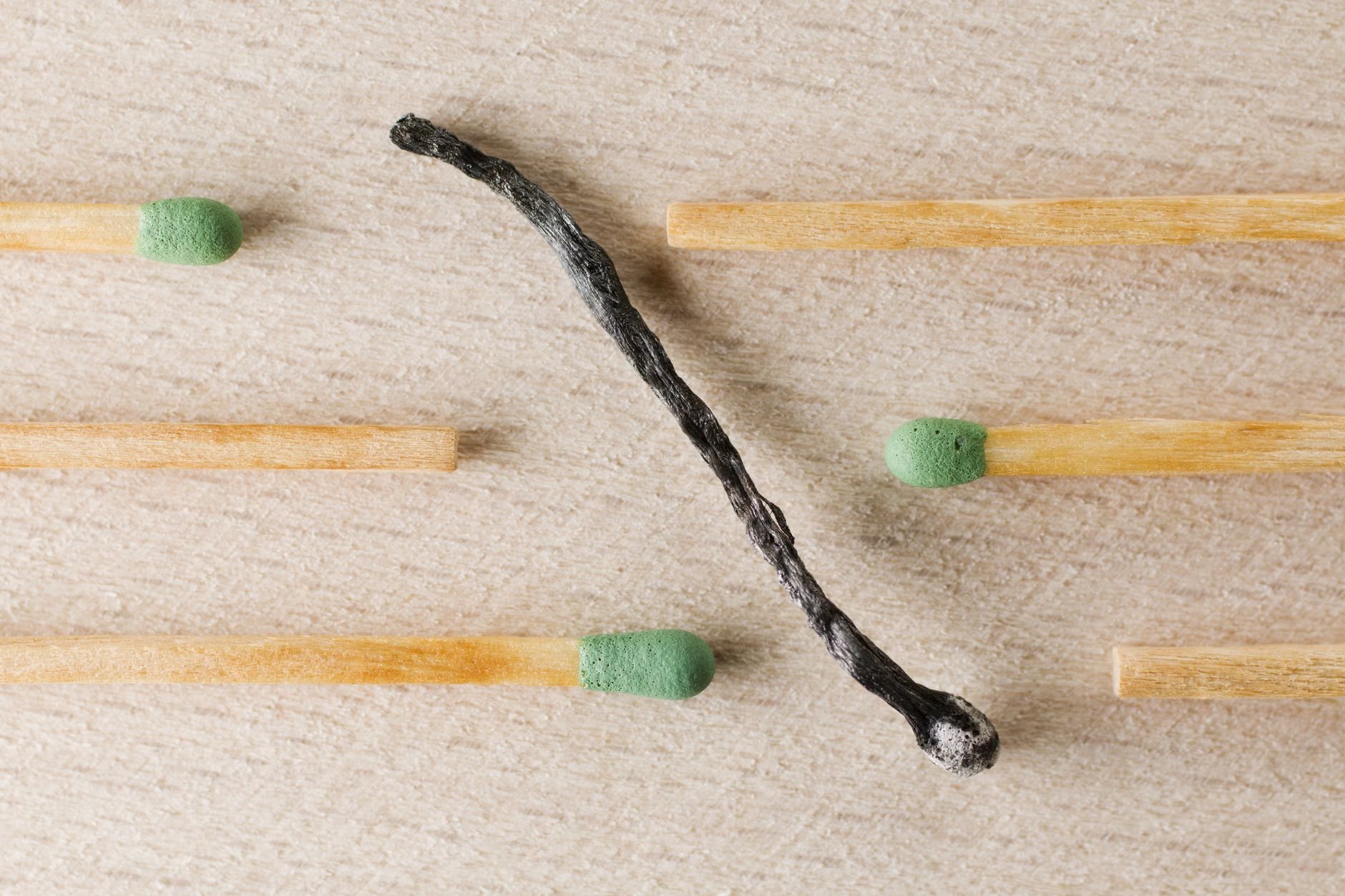
The Four Pillars of Parental Burnout: How to Know if You’re “In It”
Researchers at the University of Louvain, specifically Isabelle Roskam and Moïra Mikolajczak, have spent years defining what makes parental burnout different from job burnout or general depression. They developed the Parental Burnout Assessment (PBA), which identifies four specific dimensions. If you find yourself nodding along to all four, it’s time to stop calling it “tiredness.”
1. Exhaustion in the Parental Role
This isn’t just physical sleepiness. It is a profound sense of being “done.” You feel that you have nothing left to give to your children. Even the thought of playing a five-minute game of “The Floor is Lava” feels as taxing as running a marathon. In dual-income homes, this often manifests as “Post-Work Collapse,” where the transition from office to home feels like hitting a brick wall.
2. Contrast with the Previous Parental Self
This is the “Who have I become?” phase. You remember being a parent who enjoyed reading bedtime stories or planning weekend outings. Now, you find yourself snapping at small things or feeling indifferent. This contrast is a key diagnostic marker. If you’ve always been a bit short-tempered, that’s a personality trait. If you used to be patient but now feel like a different, harsher person, that’s burnout.
3. Loss of Pleasure in Parenting
Activities that used to be rewarding—watching them learn a new skill, cuddling on the couch—now feel like chores. You are going through the motions. You are checking boxes: Fed? Yes. Bathed? Yes. Bed? Yes. But the emotional “juice” is gone. You are effectively a domestic administrator rather than a parent.
4. Emotional Distancing from Children
This is the most painful stage. To survive the exhaustion, your brain creates a “buffer.” You might find yourself scrolling on your phone while they talk to you, not because the phone is interesting, but because you literally cannot handle the emotional input of your child. You are physically present but emotionally a thousand miles away.
| Feature | Standard Parenting Stress | Parental Burnout |
|---|---|---|
| Duration | Temporary; resolves after a good night’s sleep or a weekend off. | Chronic; persists despite rest or vacations. |
| Emotional Connection | Remains intact; you still enjoy your kids even if they’re annoying. | Diminished; you feel distant or “numb” toward your children. |
| Self-Image | “I’m having a hard day.” | “I am a bad parent; I’m not who I used to be.” |
| Functioning | You struggle but stay engaged. | You function on “autopilot” to survive. |
The Dual-Income Trap: Why 30s and 40s Are the Peak Risk Years
Why is this hitting dual-income couples so hard right now? It’s not just that we’re working more; it’s that the cognitive load has shifted. In previous generations, there was often a clearer division of labor. Today, in many international urban centers, both parents are expected to be “high-performing” at work and “intensive” at home.
Decision Fatigue is the silent killer here. From 9:00 to 5:00, you are making high-stakes decisions at work. By 6:00 PM, your brain’s “decision budget” is bankrupt. When a child asks, “What’s for dinner?” or “Where are my soccer cleats?”, it triggers a stress response because your brain literally has no more processing power left. This is why dual-income parents often feel “rage-y” over minor inconveniences.
Furthermore, the “Ideal Worker” vs. “Ideal Parent” paradox creates a constant state of guilt. If you’re at work, you feel you’re failing at home. If you’re at home, you’re worried about the Slack messages you’re missing. This chronic “guilt-cycling” prevents the nervous system from ever entering a state of rest and digest (parasympathetic activation).

The Physiology of the Burned-Out Parent
Burnout isn’t just in your head; it’s in your cortisol levels. Research has shown that parents suffering from burnout have higher levels of diurnal cortisol—the stress hormone. Normally, cortisol should spike in the morning to wake you up and drop at night to let you sleep. In burned-out parents, this rhythm is often flattened or remains elevated, leading to “tired but wired” syndrome.
This physiological state leads to Brain Fog. The prefrontal cortex, responsible for executive function and emotional regulation, starts to go offline. This is why you might forget a school spirit day or lose your keys for the third time in a week. Your brain is essentially in “power-save mode,” cutting off non-essential high-level functions to keep the basic systems running.
Important Note: If you are experiencing physical symptoms like heart palpitations, chronic headaches, or digestive issues alongside these emotional signs, your body is moving from “stress” to “distress.” This is a signal that you need to consult a healthcare provider to rule out thyroid issues or clinical depression, which can mimic burnout.
A Practical Screening Checklist: The “Red Zone” Questions
If you’re wondering where you stand, ask yourself these five questions. Be honest—nobody is watching. Answer with “Rarely,” “Sometimes,” or “Daily.”
- Question 1: Do I feel physically and emotionally drained by my role as a parent by the end of the day?
- Question 2: Do I feel like I am just “going through the motions” with my children without any real feeling?
- Question 3: Do I find myself losing my temper or feeling irritable over things that wouldn’t have bothered me two years ago?
- Question 4: Do I fantasize about being somewhere else—anywhere else—away from my family responsibilities?
- Question 5: Do I feel like I have nothing left to give to my partner or my work after dealing with the kids?
If you answered “Daily” to three or more of these, you are likely in the high-risk zone for parental burnout. This is the point where “self-care” (like a bubble bath) is no longer enough. You need a structural intervention.
How to Recover: Moving from Survival to Stability
Recovery from burnout isn’t about doing more; it’s about doing less. For dual-income couples, this requires a radical honest conversation about the “invisible load.”
1. The “Minimum Viable Parenting” Strategy
In the tech world, an MVP is the simplest version of a product that still works. Apply this to your home. If you are burned out, now is not the time for homemade organic snacks or elaborate birthday parties. Lower the bar intentionally. Frozen pizza for dinner is a valid medical intervention for burnout. If the kids are safe, fed, and loved, you are winning. Everything else is optional.
2. The “Off-Duty” Protocol
Dual-income couples often fall into the trap of “co-parenting” everything simultaneously. This means both parents are 50% stressed 100% of the time. Instead, try “Total Handover.” From 6:00 PM to 7:00 PM, Parent A is 100% responsible, and Parent B is off-duty—meaning they leave the house, put on noise-canceling headphones, or go to another room. No “Hey, where are the wipes?” allowed. This gives the brain a chance to actually exit the stress state.
3. Audit the “Shoulds”
We carry a lot of cultural baggage about what a “good” parent looks like in 2024. Many of these are “shoulds” that don’t actually benefit the child. Does your child need a perfectly organized playroom, or do they need a parent who isn’t crying in the bathroom? Choose the latter. Identify three “shoulds” this week and delete them from your schedule.
4. Professional Help and the “Village”
If you are at the point of emotional distancing, talking to a therapist who specializes in parental burnout is essential. They can help you navigate the shame that often accompanies these feelings. Additionally, look at your “village.” If you don’t have family nearby (common for international readers), you must buy your village. This might mean a cleaning service once a month or a high-schooler to play with the kids for two hours while you nap. It is an investment in your health, not a luxury.

Common Mistakes to Avoid During Recovery
When we realize we’re burned out, our first instinct is often to try to “fix” it with more activity. This is a mistake. Here is what not to do:
- Don’t start a new “wellness” regime: Adding a 5:00 AM gym habit when you’re already exhausted will just accelerate the crash. Sleep is more important than cardio right now.
- Don’t compare your “behind-the-scenes” to someone else’s “highlight reel”: Social media is a major contributor to the “contrast with previous self” pillar. If Instagram makes you feel like a failure, delete the app for a month.
- Don’t wait for a “break”: A one-week vacation will not fix six months of burnout. You will just be tired in a different location. You need small, daily structural changes, not a one-off escape.
The Long-Term Outlook: Preventing a Relapse
Once you start to feel the fog lifting, the temptation is to jump right back into the “hustle.” Resist this. Parental burnout is often a recurring condition if the underlying environment doesn’t change. For dual-income households, this often means re-evaluating career trajectories or setting harder boundaries with employers.
Work-life integration is a better goal than work-life balance. It means accepting that some days work will take 80% of your energy, and on those days, parenting gets the remaining 20%—and that is okay. The goal is to avoid the 100/100 split that leads to the 0/0 crash.
Remember: Your children do not need a perfect parent. They need a regulated parent. A parent who is present, even if the house is a mess, is infinitely more valuable than a parent who has checked every box but has no soul left to share.
If you are reading this and feeling a sense of relief that someone finally “gets it,” take that as your first screening result. You aren’t a bad parent. You’re just a human being whose resources have been outpaced by your demands. It’s time to rebalance the scales.
Official Resources for Further Reading:
- The International Investigation of Parental Burnout (IIPB) – Research and validated scales.
- American Psychological Association: Parental Burnout in the Age of Pandemics
- WHO: Burn-out an “occupational phenomenon” (ICD-11)
Frequently Asked Questions
Q1: Can parental burnout lead to clinical depression?
Yes. While they are different conditions, chronic burnout is a significant risk factor for developing Major Depressive Disorder. Burnout is usually context-specific (related to parenting), whereas depression is pervasive across all areas of life. If you start losing interest in everything, not just parenting, seek professional help immediately.
Q2: Is parental burnout more common in mothers or fathers?
Research generally shows higher rates in mothers, often due to the “mental load” and societal expectations. However, the gap is closing in dual-income households where fathers are increasingly involved. The impact of burnout is equally severe regardless of gender, often manifesting as withdrawal in fathers and irritability in mothers.
Q3: How long does it take to recover from full-blown burnout?
There is no “quick fix.” Depending on the severity, recovery can take anywhere from a few months to a year of consistent structural changes. It requires moving out of the “emergency” physiological state and rebuilding emotional reserves. Consistency in boundaries is more important than the intensity of recovery efforts.
Final Thought: If you feel like you’re drowning, stop trying to swim faster. Reach for a life jacket—whether that’s a therapist, a supportive partner, or simply the permission to be an “imperfect” parent for a while. You’ve got this, but you don’t have to do it all at once.