The most effective way for a family to achieve genuine language fluency while traveling is not through expensive international schools, but by embedding yourselves into a local household for a minimum of four weeks. While it sounds like a logistical nightmare, a well-planned “language-immersion homestay” in Central America—specifically in regions like Antigua (Guatemala) or San José (Costa Rica)—offers a transformative educational experience that far outweighs the convenience of a hotel or a standard Airbnb rental.
- Language ROI: Four weeks of total immersion in a homestay provides more practical conversational progress than six months of once-a-week private tutoring at home.
- Hidden Costs: Beyond the daily homestay fee, budget for private tutors (often $8–$15/hour) and extracurricular activities to keep children engaged outside of formal study hours.
- The “Fit” Factor: The success of your trip depends 80% on the alignment of your family’s daily routine with the host family’s lifestyle; prioritize matching your expectations regarding diet, noise levels, and social interaction before booking.
If you are in your 30s or 40s, you likely understand that “traveling” with children is rarely about relaxation. It is a complex exercise in project management. You are balancing the desire for your children to become global citizens with the necessity of maintaining their school curriculum, social stability, and nutritional needs. Central America is a top-tier destination for this, not just because of the proximity to North American time zones, but because of the deep-rooted cultural tradition of hospitality that makes the “homestay” model thrive.
Understanding the Mechanics of a Language-Immersion Homestay
What exactly is a homestay in this context? It is not merely renting a room. It is a contractual agreement where you live with a local family, usually including two or three meals a day, with the explicit goal of practicing the local language—primarily Spanish. Unlike a rental apartment, a homestay provides a built-in support system. Your host family becomes your local guide, your crisis manager, and your primary conversation partner.
Why does this matter for your family? Most children (and adults) struggle with “language anxiety.” You learn vocabulary in a classroom, but you freeze when it comes time to order food or ask for directions. In a homestay, you are forced to navigate the mundane—”Where is the towel?” “What time is dinner?” “Can we go to the park?”—in your target language. This is where the brain shifts from “studying” to “living” the language.
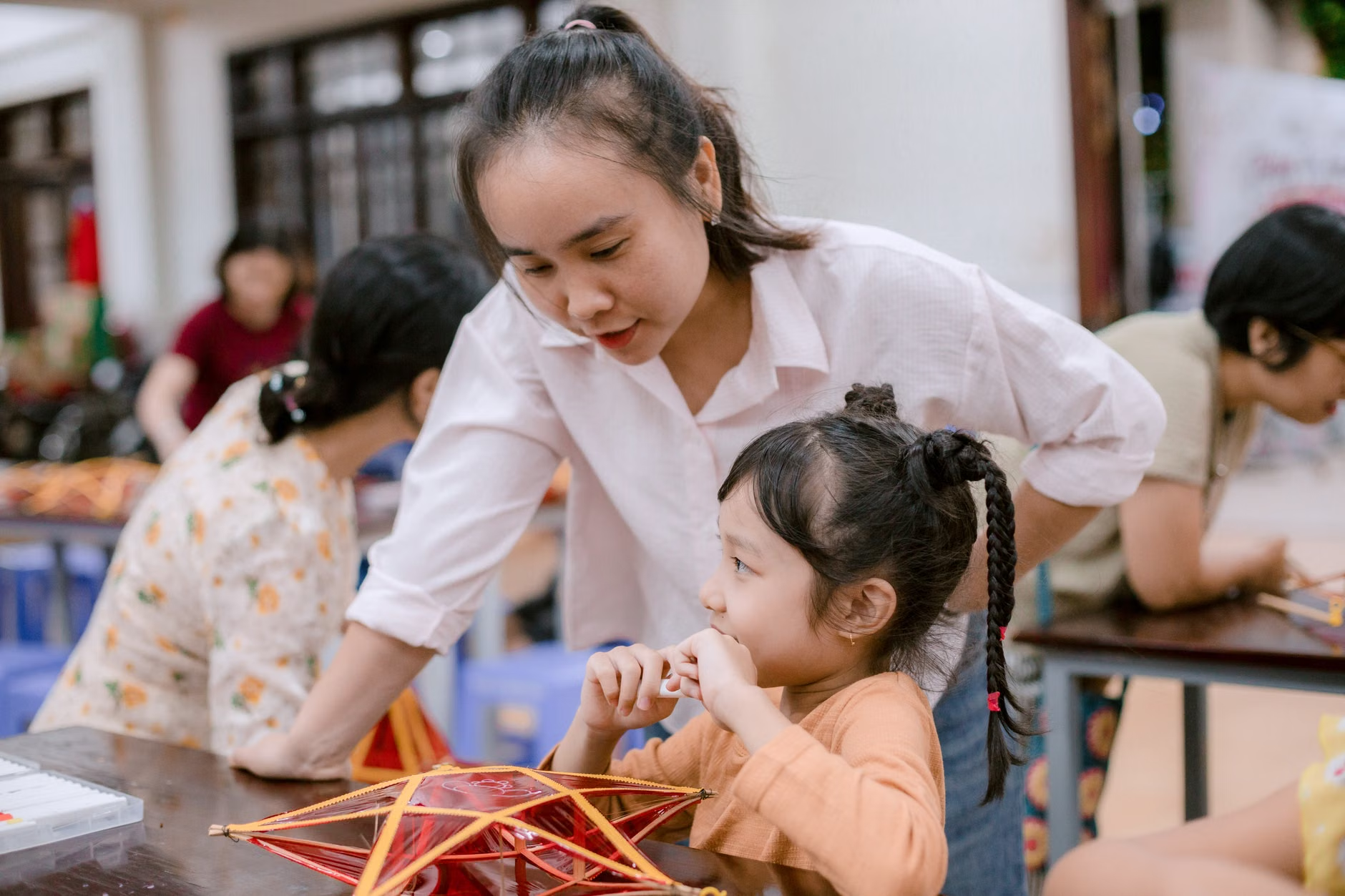
In practice, a typical day looks like this: You wake up to a home-cooked breakfast, head to a local language school for 3–4 hours of intensive lessons, return for a family-style lunch, and spend the afternoon engaging in local activities. By the end of the week, the cumulative effect of these interactions is significantly higher than any digital app or online course can offer.
Evaluating Your Destination: Guatemala vs. Costa Rica
Not all Central American countries are created equal when it comes to language immersion. For families, the choice usually comes down to the specific goals of your trip. Are you looking for historical immersion, or are you looking for adventure-based learning?
| Feature | Antigua, Guatemala | San José/Central Valley, Costa Rica |
|---|---|---|
| Language Accent | Clear, slower, widely considered the best for learners. | Polite and soft, but can be influenced by local slang. |
| Cost | Highly affordable; excellent value for families. | Moderate to high; costs align more with U.S. standards. |
| Infrastructure | Colonial charm with some rustic limitations. | Modern, robust, and familiar to Western travelers. |
If your priority is pure linguistic progression, Guatemala is the clear winner. The prevalence of dedicated Spanish schools that cater to families means you can find programs where you and your children are placed in classes that match your exact proficiency levels. Conversely, if you are concerned about medical infrastructure and prefer a destination that feels like a “soft landing,” Costa Rica is the more pragmatic choice. The trade-off is that Costa Rica’s international influence can sometimes make it easier to slip back into English, which is the enemy of total immersion.
The Hidden Variables: Why Most Families Fail to Plan Properly
The most common mistake families make is assuming the homestay provider will handle everything. They won’t. You need to be the architect of your own experience. Before you book, you must address the “lifestyle mismatch” factor. If you are a family that values quiet evenings and early bedtimes, you cannot be placed in a home with a large, loud, extended family that hosts parties on Friday nights. You must explicitly ask about the composition of the household.
Another overlooked variable is the dietary requirement. In Central America, the diet is heavy on corn, beans, and rice. If your children have specific sensory issues or dietary restrictions (gluten-free, dairy-free), you must vet the host family’s ability to accommodate this *before* you arrive. Do not assume they understand the medical severity of an allergy; you must verify that they have dealt with such requirements in the past.
Finally, consider the “third-party mediator.” Always book through an established language school or a reputable agency that has a physical office in the town. If a problem arises—and it will—you need a neutral party to facilitate a move or a conversation. Never book a “private” homestay directly from a social media post without a vetting process; the safety and comfort of your family are not worth the savings of a middleman’s commission.
Step-by-Step Implementation: From Planning to Arrival
If you have decided this is the right path for your family, follow these steps to ensure a smooth transition:
- Define the “Immersion Ratio”: Determine how many hours a day you want to be “in-language.” For younger children, 2 hours of formal instruction plus 3 hours of supervised play is the upper limit. For parents, 4–5 hours of intensive study is feasible.
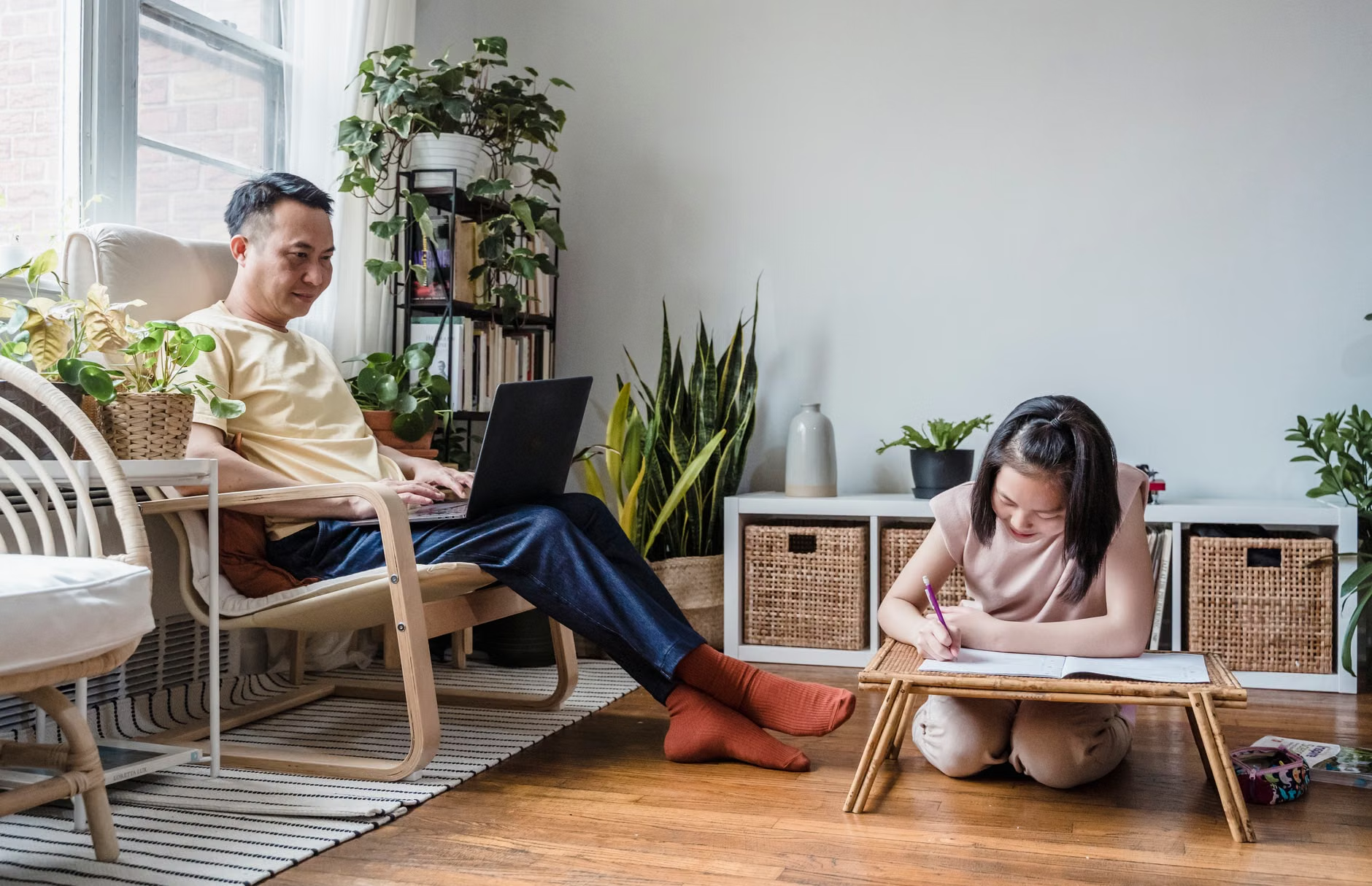
- The Vetting Questionnaire: Do not just ask “Do you have Wi-Fi?” Ask: “Is the Wi-Fi stable enough for a Zoom call?” “Are there other students in the house?” “How many bathrooms are shared?” “Is the house located on a quiet street?”
- Pre-Trip Prep: Start your children on a basic Spanish app (like Duolingo or Babbel) three months before you leave. The goal isn’t fluency; it’s familiarity. Knowing the difference between “comer” (to eat) and “beber” (to drink) will save you from a lot of initial frustration.
- The Buffer Week: Do not start your lessons on the day you arrive. Give your family 48 hours to adjust to the altitude, the climate, and the food. If you arrive exhausted and jump into a 9:00 AM class, you will burn out by Wednesday.
Managing the Emotional Load: The Reality of Being a “Guest”
Living in someone else’s home is psychologically demanding. You are essentially a guest in a space that has its own rules, rhythms, and cultural boundaries. For parents, this is the hardest part. You are used to being the “authority” in your own home. In a homestay, you must yield to the host’s way of doing things—from how they wash dishes to how they discipline their own children.
This is where the 30% “light wit” becomes a survival skill. You will eventually face a situation where you accidentally offend a local custom or fail to follow an unspoken rule. Laugh it off. If you approach this as a learning opportunity rather than a failure, your children will mirror that behavior. If you treat every minor inconvenience as a crisis, your children will feel the stress of the environment and resist the immersion process.
Remember that you are not just teaching your children a language; you are teaching them cultural empathy. When they see that their host mother spends hours every day preparing fresh meals from scratch, they begin to understand the value of time and labor in a way that is impossible to explain in a lecture at home. This is the “hidden curriculum” of the homestay experience.
Financial Planning: Beyond the Homestay Fee
While the cost of a homestay is often cited as an “all-inclusive” price (typically ranging from $600 to $1,200 per person per month depending on the country and services included), the actual cost of the trip is usually 2.5x that amount. You must account for:
- Private Tutors: If the school’s group classes are too slow for your child, you will need to pay for 1-on-1 sessions.
- Extracurriculars: Local dance classes, soccer clubs, or weekend excursions to ruins or beaches are the primary way to integrate into the community.
- The “Escape” Budget: You will need to budget for the occasional “comfort meal” or a weekend in a hotel with a pool. Even the most ardent language learners need a break from the intensity of constant social interaction.
Decision Rule: If your total budget for a four-week trip is less than $4,000 for a family of three, you are likely setting yourself up for a stressful experience. Increase your budget or shorten your stay. A two-week high-quality experience is infinitely better than a four-week experience where you are constantly worried about money and cannot participate in local life.
Addressing Common Concerns
Many parents worry about the safety of their children in a foreign home. This is a valid concern. However, in Central America, the culture is deeply family-centric. Host families are often vetted by local schools that have operated for decades. Their reputation is their livelihood. When choosing a host, ask the school for a “family profile.” A good school will provide you with a summary of the family’s background, their occupations, and why they enjoy hosting students. This humanizes the experience and builds trust before you even set foot in the country.
Another concern is the educational gap. Will your child fall behind in their home-country curriculum? Yes, they will. If you are worried about standardized testing and grades, this trip is not for you. This experience is designed for parents who value competency over curriculum. If you need to keep up with schoolwork, do it in the early mornings before the “real world” wakes up. Do not try to replicate your home school environment during the day.
Final Thoughts for the Intentional Parent
The decision to undertake a language-immersion homestay is an investment in your family’s future that yields dividends in confidence, adaptability, and cultural awareness. It is not a vacation. It is an intentional, often challenging, educational project that requires patience and humility from every member of the family.
If you are looking for a way to break the cycle of routine and provide your children with a perspective that cannot be found in a textbook, this is the gold standard. Start small, be realistic about your family’s capacity for discomfort, and prioritize the human connections over the linguistic test scores. The language will come, but the memories of a shared life in a foreign land will last a lifetime.
Frequently Asked Questions
Q: How do I know if my children are “old enough” for a homestay?
A: Generally, children aged 7 and older thrive in this environment. Children younger than 7 can participate, but they require a significantly higher level of parental supervision, which will limit your own ability to study and engage. If your children are under 7, focus on “play-based” immersion rather than formal school-based immersion.
Q: What if we absolutely do not get along with our host family?
A: This is why you must book through an established, physical school. If the chemistry is poor, contact the school’s program director immediately. They have a roster of families and can usually facilitate a move within 24–48 hours. Do not suffer in silence; it ruins the immersion experience for everyone.
Q: Is it safe to drink the water and eat the food in a homestay?
A: In major towns like Antigua or San José, host families are well-versed in the needs of international students. They typically use filtered water for cooking. However, always confirm this during your initial vetting. If you have a sensitive stomach, bring travel-safe probiotics and stick to cooked foods for the first week until your microbiome adjusts to the local diet.
For further reading on travel safety and regional logistics, visit the U.S. Department of State International Travel Information portal or the official tourism boards of Guatemala and Costa Rica for up-to-date entry requirements and health advisories.