Key Takeaways
- Mandatory Sorting: By January 1, 2027, all EU member states must have separate collection systems for textile waste, effectively ending the era of throwing clothes in general trash.
- The Cost Shift: Through Extended Producer Responsibility (EPR) schemes, fashion brands will pay for the end-of-life management of their products, likely shifting costs toward higher-quality, durable garments.
- Digital Passports: New regulations will require garments to carry “Digital Product Passports” (DPPs), allowing you to trace a piece of clothing’s origin, material composition, and repairability.
If you have spent any time recently staring at a pile of worn-out leggings or a box of “maybe someday” kids’ clothes, you aren’t alone. The sheer volume of textile waste generated by the average household is staggering, and for a long time, the solution has felt like a guessing game: Is this recyclable? Does a charity shop actually want this, or will it end up in a landfill in another country? By 2027, the rules of the game are changing—not just for brands, but for how you manage your own wardrobe.
The European Union’s Waste Framework Directive, specifically the amendment requiring mandatory separate collection of textiles, is the catalyst for this shift. While this sounds like a policy wonk’s dream, it is actually a massive practical change for every parent and professional trying to clear out a closet. We are moving from a “take-make-waste” model to a circular economy, where the goal is to keep materials in use for as long as possible. Here is what this looks like for your life, your wallet, and your home.
Why 2027 Is the Turning Point for Your Wardrobe
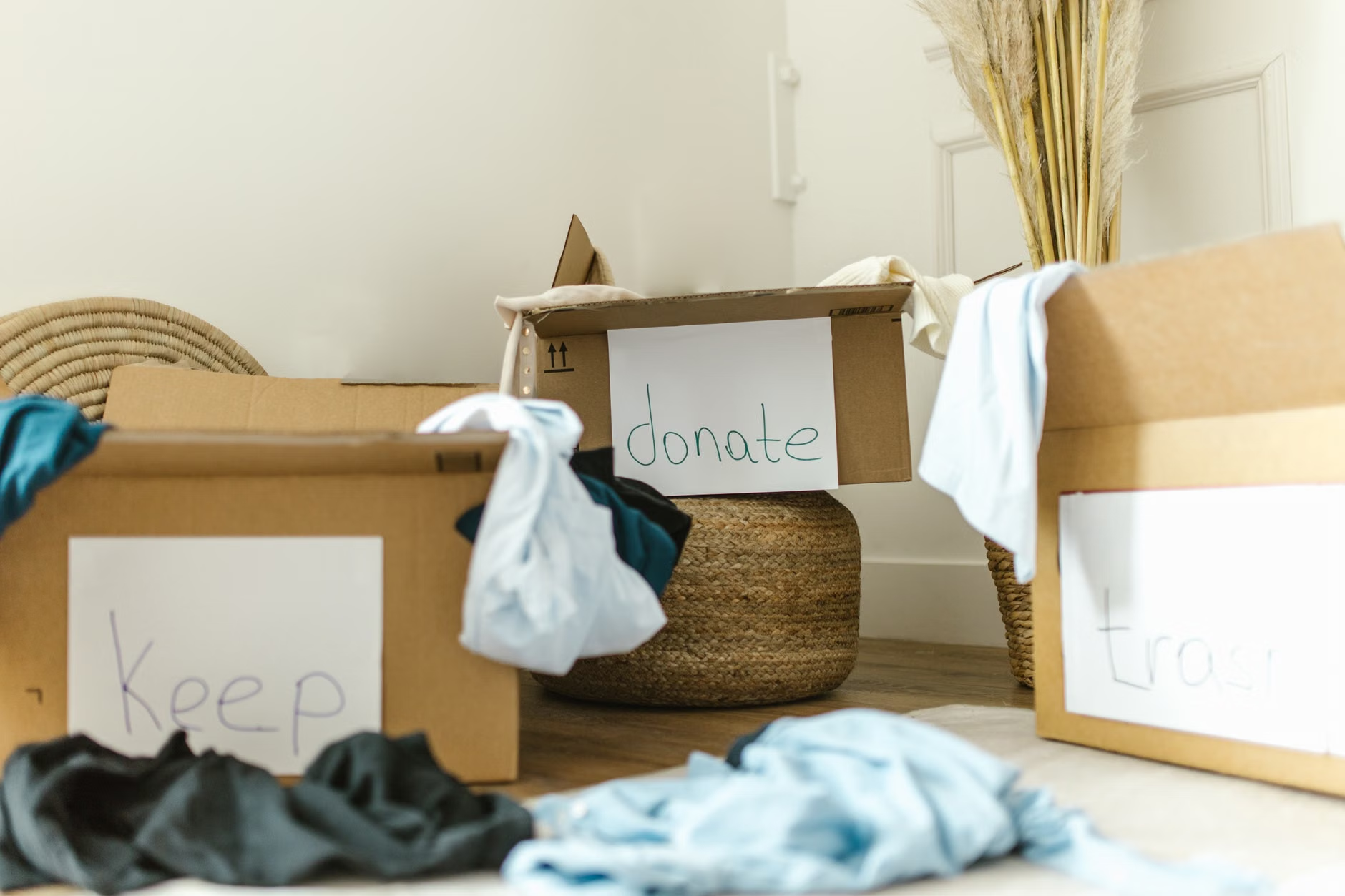
Up until now, textile waste has been the “invisible” problem of the fashion industry. Unlike glass or paper, which have had robust recycling streams for decades, clothing has largely been treated as general waste. In many countries, the vast majority of textiles end up in incinerators or landfills. The 2027 mandate forces municipalities to provide, at minimum, a separate collection point for textiles. This isn’t just about convenience; it’s about infrastructure.
For a parent in their 30s or 40s, this means the “bag of old clothes” you’ve been keeping in the garage is about to have a clear, mandated disposal path. Instead of hoping that a donation bin isn’t actually a front for a textile exporter, you will have access to municipal systems designed to divert these materials into recycling or high-quality reuse streams. The “why” here is simple: we are running out of space, and the environmental cost of producing virgin polyester and cotton is no longer sustainable.
However, this transition isn’t just about throwing things away differently. It’s about the economic pressure being applied to manufacturers. Under Extended Producer Responsibility (EPR), the companies making the clothes are now financially responsible for the waste they create. If a brand produces cheap, non-recyclable “fast fashion,” they will pay higher fees to the recycling systems. If they produce durable, circular-friendly items, their costs decrease. This will inevitably change the price tags and the quality of the clothes hitting the shelves in the next few years.
The Rise of the Digital Product Passport
One of the most practical innovations coming our way is the Digital Product Passport (DPP). Imagine walking into a store, scanning a QR code on a label, and seeing exactly where the cotton was grown, what chemicals were used in the dye, and most importantly, how easy the item is to repair. This is the cornerstone of the EU’s strategy to empower consumers.
For the busy parent, this is a game-changer for decision-making. You will no longer have to guess if a pair of school trousers will survive more than one wash or if a jacket can be easily repaired. The DPP will provide a “repairability score” or at least the technical data needed for a tailor to fix a broken zipper. It’s a shift from buying based on aesthetics alone to buying based on the “total cost of ownership.”
What does this mean for your daily routine? It means that when you are shopping, you have a concrete metric to compare items. If Brand A offers a shirt with a full digital history and repair instructions, and Brand B offers a cheaper alternative with no information, the “hidden cost” of Brand B becomes obvious. You are paying for the lack of durability.
As these laws take hold, your relationship with your belongings needs to evolve. We often think of “recycling” as the end-all solution, but the hierarchy of the circular economy is clear: Reduce, Repair, Reuse, and only then, Recycle. Here is how you can prepare your household for the 2027 landscape.
| Strategy | The Old Way | The Circular Way |
|---|---|---|
| Purchasing | Buying based on trend/price. | Buying based on durability/DPP data. |
| Maintenance | Discarding when a button pops. | Repairing using provided digital guides. |
| End-of-Life | Throwing in general bin. | Using dedicated textile recycling streams. |
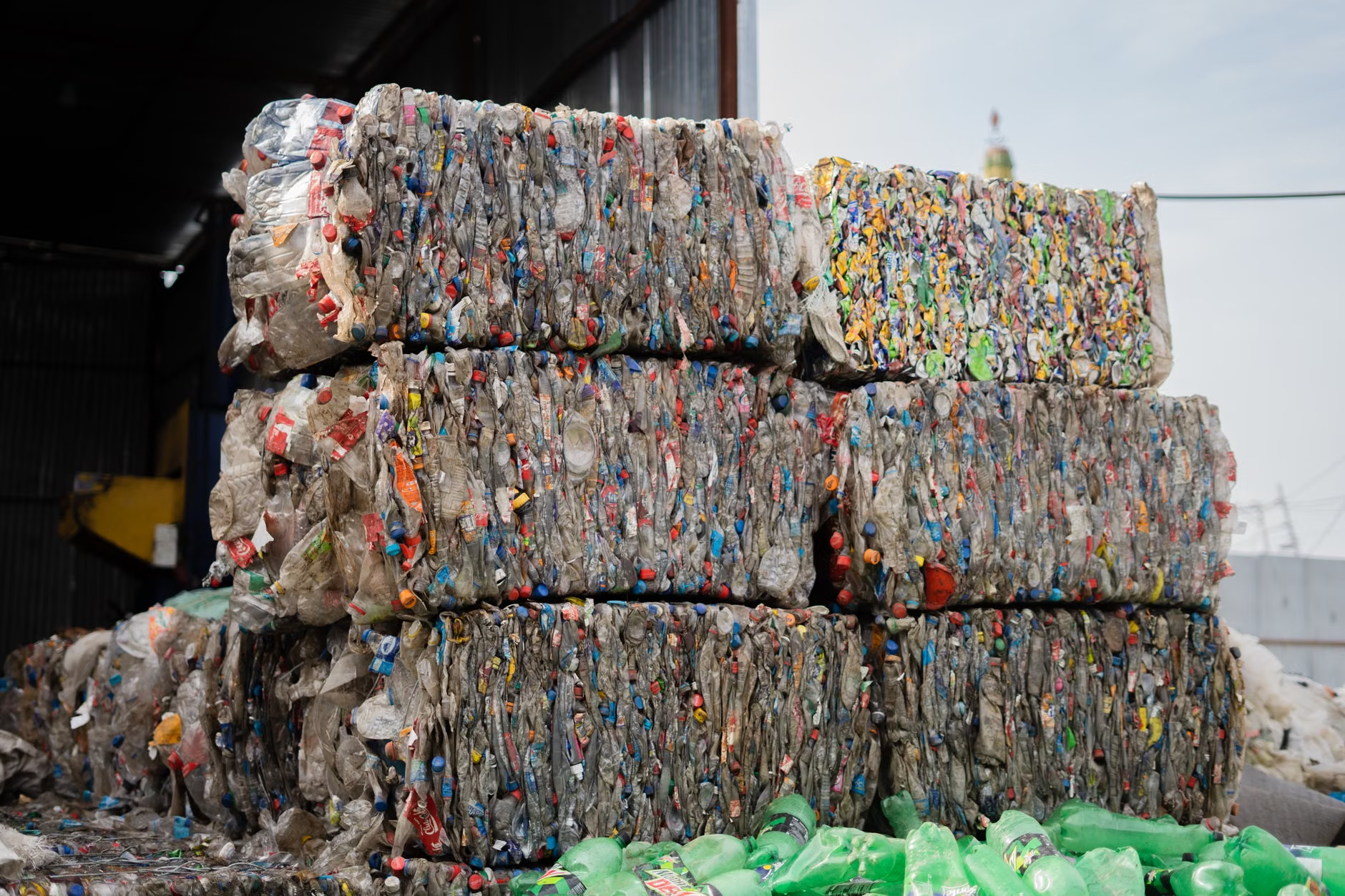
The table above highlights the shift in mindset. Many of us fall into the trap of thinking that because we “donate” our clothes, they are being recycled. In reality, a massive percentage of donated clothing is exported to countries that cannot handle the volume, leading to environmental disasters. The 2027 mandate aims to keep textiles within the region of origin, creating a localized circular loop. Your best move is to focus on items that are designed for longevity, even if the upfront cost is slightly higher.
Common Mistakes to Avoid Before 2027
As we approach these regulations, there are a few common pitfalls that can undermine your efforts to live more sustainably. The first is “wish-cycling.” This is the habit of putting non-recyclable items into the recycling bin, hoping that the system will magically handle them. In the context of textiles, this often ruins the entire batch, as contaminated or non-recyclable materials (like heavily blended fabrics) can clog the machines.
Another mistake is over-relying on “sustainable” marketing tags without looking for the underlying data. As the law tightens, brands will be forced to provide proof of their claims. If a brand says “eco-friendly” but provides no evidence or digital passport, treat it with caution. The 2027 mandates are designed to strip away the “greenwashing” that has dominated the industry for years.
Finally, do not wait for the government to solve the problem for you. Start auditing your closet now. Look at the labels—are they made of natural fibers, or are they complex, non-recyclable blends? Understanding your current wardrobe is the first step toward making smarter, more circular choices when you do need to buy something new.

Beyond the Regulations: The Future of Your Closet
The transition to a circular economy isn’t just about rules; it’s about the cultural shift in how we value our things. For those of us raising children, this is an opportunity to teach the next generation that clothing has a lifecycle. It’s not just an object that appears in a store and disappears into a bin. It has a footprint, a material history, and a potential for a second life.
When you look at the 2027 mandates, don’t view them as just another set of bureaucratic hurdles. See them as the necessary structure to support a more responsible way of living. We are moving toward a world where your clothes will be easier to repair, easier to track, and easier to repurpose. The burden is shifting from the individual consumer to the producer, which is exactly where it belongs.
Your action plan for the next three years is straightforward: prioritize quality over quantity, learn the basics of garment repair, and keep an eye on the labels. As the infrastructure for textile recycling rolls out, make sure you are utilizing the proper channels rather than the general waste bin. It’s a small, consistent change that, when multiplied by millions of households, creates the foundation for a truly circular future.
Frequently Asked Questions
What happens to the clothes I currently donate?
Currently, donated clothes go to a mix of charity shops and industrial recyclers. However, a significant portion ends up in textile waste markets abroad. The 2027 mandate aims to create a more transparent, localized system where textiles are sorted and processed closer to home, prioritizing mechanical or chemical recycling over exportation.
Will the price of clothing increase significantly?
Because brands will be forced to pay for the end-of-life management of their products (EPR), there may be a shift in pricing. However, this is expected to incentivize brands to produce higher-quality, more durable goods that are easier to recycle. You may find that while the initial price of a garment is slightly higher, the cost-per-wear decreases because the item lasts longer.
How do I know if a piece of clothing is “circular”?
Look for garments made from mono-materials (e.g., 100% cotton or 100% polyester rather than blends), as these are much easier to recycle. In the coming years, keep an eye out for Digital Product Passports (DPPs) on labels, which will provide verifiable data on the garment’s material composition and its circularity score.
For further reading on the European Union’s strategy for sustainable and circular textiles, you can visit the official European Commission’s Textile Policy page.
The road to 2027 might seem like a long one, but the changes starting now will fundamentally improve how we manage our homes. By staying informed and making conscious choices today, you are not only preparing for the future but actively participating in a more sustainable path forward.