- Cognitive Offloading: Analog hobbies provide a “closed-loop” activity that prevents the multitasking anxiety inherent in digital devices.
- Low-Friction Entry: You don’t need expensive gear; the most effective decompression hobbies for busy parents are those that require less than two minutes of setup.
- The 90-Minute Rule: Research suggests that engaging in a tactile, non-digital task 90 minutes before sleep significantly improves sleep quality by reducing blue light exposure and cortisol spikes.
The most effective way to recover your mental bandwidth after a day of parenting and professional demands is to physically remove the “infinite scroll” possibility from your immediate environment. If you are in your 30s or 40s, your evening is likely the only window where you have a modicum of autonomy. Yet, we often spend this time in a state of “continuous partial attention”—scrolling through news, checking work emails, or mindlessly watching streaming services that don’t actually leave us feeling rested.
The “analog revival” isn’t about being a hipster or rejecting technology. It is a strategic move to reclaim your cognitive resources. When you engage with physical objects—paper, wood, thread, or vinyl—you are forcing your brain to switch from the high-speed, interrupt-driven processing of digital interfaces to a singular, tactile focus. This is the definition of decompression: moving from a state of scattered input to a state of singular, manageable output.
Why Digital Decompression Often Fails
The primary reason most attempts at “unplugging” fail for parents is that we view it as a deprivation rather than a replacement. We tell ourselves to “stop looking at the phone,” which leaves a void. Without a specific, low-friction action to fill that gap, the brain naturally drifts back to the path of least resistance: the screen.
Furthermore, digital activities are designed to be “open-ended.” A show has a “next episode” countdown; a social media feed has no bottom. This creates a psychological state where your brain never receives a signal that the day is “done.” In contrast, analog hobbies are inherently “closed-loop.” A jigsaw puzzle has a final piece. A sketch is finished when the page is full. A book chapter ends. When you complete a task, your brain gets the chemical reward of closure, which is vital for transitioning into a restful state.
For those of us managing households, the “hidden cost” of digital relaxation is the cognitive load of switching contexts. Every time you check a notification while trying to relax, you are performing a “context switch.” Research in organizational psychology suggests that context switching can reduce productivity and increase cortisol levels. By choosing an analog hobby, you are essentially “locking” your attention to one channel, allowing your executive function to power down.
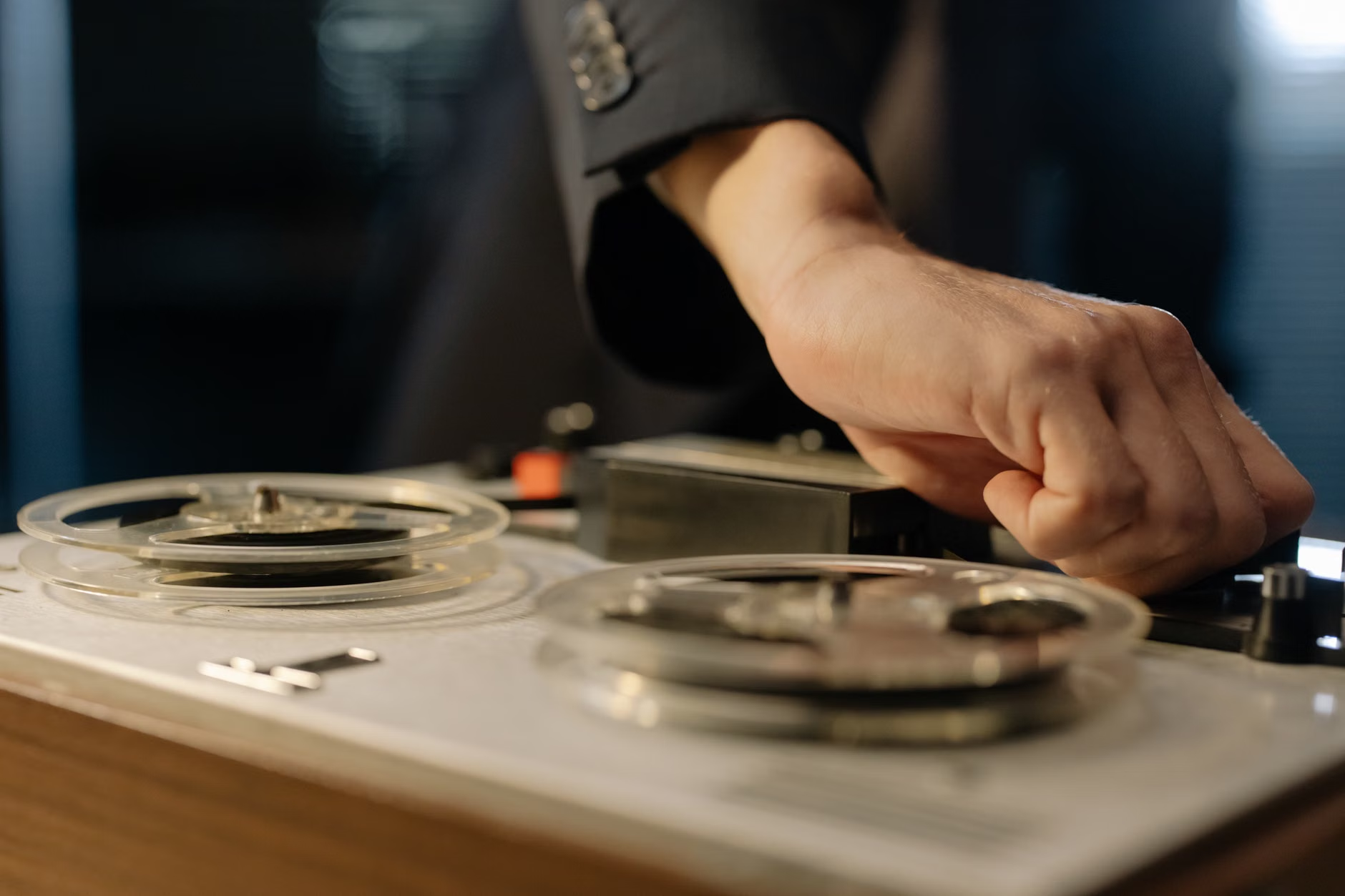
The Hierarchy of Analog Hobbies: Choosing Based on Your Energy Level
Not all hobbies are created equal. When you are exhausted after a day of managing children or high-stakes work, you need a hobby that matches your remaining energy. Trying to take up something too complex—like learning a difficult instrument—can actually increase stress rather than lower it.
| Energy Level | Recommended Hobby | Why it works |
|---|---|---|
| Low (Exhausted) | Vinyl/Music Listening | Passive, sensory, requires minimal physical movement. |
| Medium (Tired but alert) | Jigsaw Puzzles | Engages spatial reasoning without demanding complex decision-making. |
| High (Restless/Need focus) | Sketching or Analog Journaling | Requires active creation; serves as a “brain dump.” |
The “Decision Rule” here is simple: if you find yourself staring at a screen because you are too tired to think, choose the Low energy category. If you find yourself pacing or feeling anxious, choose the High energy category. Do not force yourself to “be productive” during your downtime. The goal is decompression, not optimization.
Creating a Low-Friction Analog Environment
The biggest mistake people make when starting an analog hobby is storing their materials in a closet or a drawer. If you have to spend five minutes “setting up” your workspace, you are already inviting procrastination. You need to create a “frictionless environment.”
1. The “Stationary Station”
If you choose sketching or journaling, keep your notebook, pens, and pencils on a dedicated tray or a specific spot on the table where they are always visible. If you have to hunt for a pen, the digital device in your pocket will win every time. Think of this as “pre-loading” your evening routine.
2. The “Physical Barrier” Strategy
There is a significant difference between a digital reader and a physical book. When you hold a physical book, the weight and the texture provide tactile feedback that helps your brain acknowledge the progress. If you are struggling to move away from your phone, place your phone in another room and put your book directly on top of your pillow. This is a deliberate “nudge”—you are creating a physical barrier to the digital temptation.
3. Managing the “Hidden Costs” of Analog
Analog hobbies aren’t free, but they are often cheaper than the hidden costs of digital burnout (which include poor sleep, impulsive online shopping, and increased anxiety). However, be careful of “gear acquisition syndrome.” You do not need the most expensive fountain pen or the largest collection of records to enjoy the hobby. Start with the basics. A simple Moleskine or Leuchtturm1917 notebook and a reliable ballpoint pen are sufficient. If you enjoy the process after 30 days, then upgrade your equipment.

Why Jigsaw Puzzles and Tactile Tasks Outperform Digital Games
You might wonder why a jigsaw puzzle is better than a game on your phone. Both require focus, right? The difference lies in the sensory feedback loop. When you place a puzzle piece, you hear the click, you feel the texture, and you see the physical progress spread across the table. This is grounded in reality.
Digital games are designed with “variable reward schedules”—the same psychological mechanism used in slot machines. They are designed to keep you playing longer than you intended. A puzzle, conversely, is a static challenge. It doesn’t “push” notifications at you. It doesn’t try to keep you engaged through artificial urgency. This allows your nervous system to down-regulate, moving from a sympathetic (fight-or-flight) state to a parasympathetic (rest-and-digest) state.
If you are a parent, this is particularly important. Your kids are likely seeing you on your phone constantly throughout the day. When they see you engaged in a physical, analog task—whether it’s gardening, drawing, or fixing something—it models a different relationship with focus and attention. It shows them that “doing nothing” (or doing something for yourself) doesn’t have to involve a screen.
The “Analog Evening” Implementation Framework
To successfully integrate this into your life, follow this three-step framework for the next seven days:
- The 30-Minute Threshold: Do not try to replace your entire evening. Start with just 30 minutes. If you usually scroll from 9:00 PM to 10:30 PM, set an alarm for 9:00 PM. That is your “Analog Transition” time.
- The Phone Quarantine: At 9:00 PM, place your phone in a charger located in a different room. This is non-negotiable. If you need it for an alarm, buy a cheap, battery-operated alarm clock for $10. The goal is to remove the “temptation proximity.”
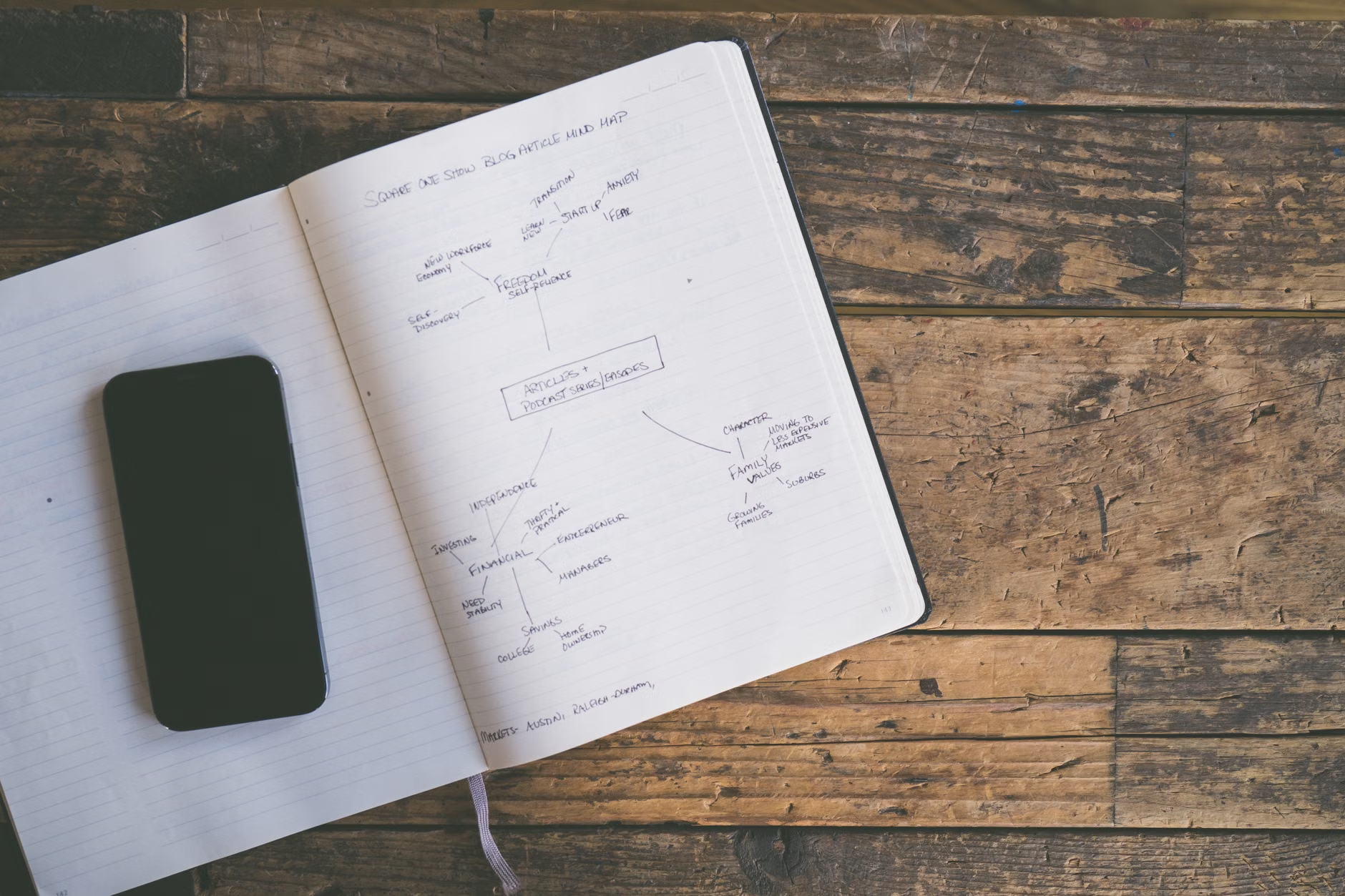
- The “Open-Loop” Shutdown: Before you start your analog hobby, write down any lingering thoughts or to-dos on a piece of paper. This is a cognitive technique called “offloading.” By putting these thoughts on paper, you tell your brain it is safe to stop processing them for the night.
Common Misconceptions About Analog Hobbies
There is a pervasive myth that analog hobbies are “unproductive.” In our current culture, we feel a constant pressure to be “doing something” that contributes to our goals. If we aren’t learning a language or working on a side hustle, we feel guilty. This is a trap.
Decompression is not “wasted time.” It is a form of maintenance. Just as you need to charge your phone, you need to allow your brain to enter a “default mode network”—a state where your mind wanders and processes information in the background. When you are constantly consuming digital content, you are actively suppressing this necessary cognitive function. By engaging in a low-stakes analog hobby, you are creating the space for your brain to consolidate memories, process emotions, and solve problems you didn’t even realize you were carrying.
Another misconception is that you need “talent” to do these things. You don’t need to be an artist to sketch. You don’t need to be a musician to listen to records. The goal is the process, not the product. If your sketch looks messy, that is perfectly fine. The benefit was in the act of focusing on the lines and the paper, not in creating a masterpiece for social media.
When to Pivot: Recognizing When a Hobby Isn’t Working
If you find that your chosen hobby is causing you more stress—perhaps you are frustrated that you aren’t “good” at it, or you feel pressured to complete a 2,000-piece puzzle in one week—you are essentially turning your hobby into another “job.”
The litmus test for a good decompression hobby is simple: Do you feel a sense of relief when you start, or do you feel a sense of obligation? If it feels like an obligation, change the hobby. Maybe puzzles aren’t for you, and you’d prefer something more kinetic, like wood carving or simple mending of clothes. The activity itself matters less than the feeling of detachment from the digital world.
Also, consider the social aspect. Some people decompress best in silence, while others enjoy doing these tasks alongside a partner. If you have a partner, try doing an analog activity together in the same room. You don’t even have to talk. Just being in the same space, both disconnected from devices, can foster a sense of shared calm that is rare in modern parenting.
Final Thoughts on Sustaining the Habit
The transition to an analog evening is not a one-time event; it is a habit that requires constant guarding. You will have days where you fall back into the habit of scrolling. Do not treat this as a failure. The goal is not to be a perfect “analog human,” but to be conscious of your choices.
Start small, be consistent with the “Phone Quarantine,” and prioritize your own mental peace. Your evening is the foundation for your next day. By reclaiming it from the digital noise, you aren’t just finding a hobby—you are giving yourself the gift of a quieter, more intentional life. Start tonight by simply placing your phone in another room and opening a book. The silence that follows is exactly what you’ve been looking for.
Frequently Asked Questions
1. I have children who require me to be “on call” via phone. How can I practice digital detox?
This is a valid concern for parents. If you need to be reachable for emergencies, use the “Do Not Disturb” or “Focus” modes on your smartphone. Configure them to allow calls only from specific contacts (e.g., your child’s school, your partner, or a babysitter). This way, you can leave the phone in another room or on a side table without being tethered to constant notifications. You are reachable for emergencies, but blocked from the “infinite scroll.”
2. How do I know if I’m spending too much money on these analog hobbies?
The best analog hobbies are those that use inexpensive materials. If you find yourself spending more than 5% of your entertainment budget on gear, you are likely chasing the “novelty” of shopping rather than the “relaxation” of the hobby. Stick to the “Rule of Three”: if you haven’t used a piece of equipment three times in the last month, stop buying new items until you do. Focus on the consumption of the activity, not the consumption of the goods.
3. I find it hard to sit still for 30 minutes. What should I do?
If you are used to the high stimulation of a screen, 30 minutes of silence will feel like an eternity. Start with 10 minutes. Use a kitchen timer—not your phone—to track it. During those 10 minutes, you don’t even have to do a “hobby.” Just sit, listen to music, or fold laundry. The goal is to build your “boredom tolerance.” Over time, you will find that you can easily extend this to 30 or 60 minutes as your brain learns to appreciate the lack of external stimulation.
Sources for further reading and research:
- American Psychological Association: Stress and Health – Understanding the impact of constant digital connectivity on cortisol levels.
- Sleep Foundation: Light and Sleep – Detailed explanation of how blue light and screen interaction disrupt melatonin production.
- National Institutes of Health: The impact of screen time on cognitive function – Scientific breakdown of how digital multitasking affects executive function.