The most important rule of successful family stargazing is that you do not actually need an expensive telescope to have a life-changing experience; you simply need to get away from artificial light and manage your expectations regarding the weather.
Three Keys to a Successful Stargazing Trip
- Darkness is relative: Choose locations certified by the International Dark-Sky Association (IDA) to ensure you are actually escaping light pollution, rather than just driving to a “dark” spot on a map.
- The Red-Light Rule: Always use red-light flashlights or headlamps to preserve your night vision; white light will ruin your ability to see faint stars for at least 20 minutes after exposure.
- Atmospheric Luck: Check the “Bortle Scale” and cloud cover forecasts (like Clear Dark Sky) 24 hours before you leave, as even the darkest park is useless under a heavy cloud layer.
If you are in your 30s or 40s, you likely remember a time before every suburban street was illuminated by harsh, high-intensity LED streetlights. Today, finding a patch of sky where the Milky Way is visible to the naked eye feels like discovering a hidden treasure. For families, this is more than just a trip; it is an educational experience that puts the vastness of the universe into perspective for children who are otherwise tethered to glowing screens.
But let’s be honest: taking kids out into the middle of nowhere in the middle of the night can be a logistical nightmare. If you don’t plan for the cold, the boredom, or the darkness, you will end up in a car with crying children and a headache. Here is how to approach the “Dark-Sky circuit” like a pro.
Understanding Why “Dark-Sky” Certification Actually Matters
You might think, “Why can’t I just drive 30 minutes outside of town?” The problem is skyglow. Even if you are far from a city center, the ambient light reflecting off the atmosphere from dozens of miles away creates a “dome” of orange-grey haze. This haze washes out the dimmer stars, leaving you with only the brightest planets or the moon.
The International Dark-Sky Association (IDA) grants certifications to parks and communities that have implemented strict lighting policies. When a park is a “Gold-tier” International Dark-Sky Park, it means they have gone to great lengths to ensure their own infrastructure doesn’t leak light upward. This translates to a significantly higher number of visible stars—often the difference between seeing 50 stars and seeing 5,000.
The Decision Rule: If you are traveling with children under 10, prioritize “Dark-Sky Communities” over “Dark-Sky Parks.” Communities often have amenities like nearby hotels, restaurants, and paved paths, whereas Parks are often rugged wilderness zones. You want the stars, but you also want a bathroom within walking distance.
Essential Gear: Why Less Is More
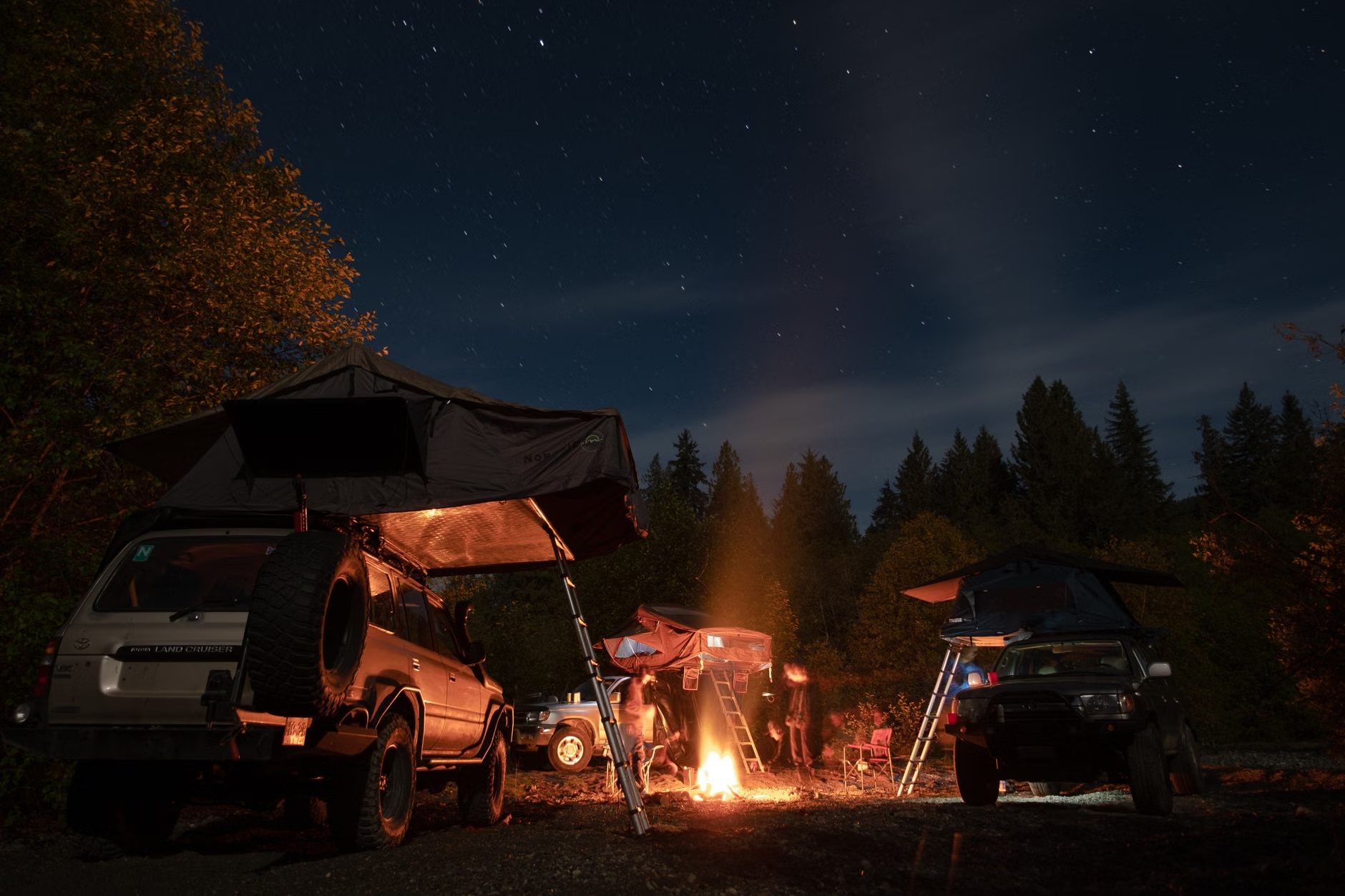
The biggest mistake first-timers make is buying an expensive telescope before they know how to navigate the night sky. Telescopes have a narrow field of view, which makes them frustrating for children who don’t know where to look. They are heavy, finicky, and prone to breaking during transit.
Instead, invest in a pair of high-quality 8×42 binoculars. They are perfect for children to hold, they offer a wide field of view, and they reveal craters on the moon and star clusters that are invisible to the naked eye. If you absolutely must have a telescope, rent one from a local astronomy club or the park itself if they offer a rental program.
| Item | Why You Need It | Pro Tip |
|---|---|---|
| Red-Light Headlamp | Preserves night vision. | Put a layer of red electrical tape over a white light if you don’t have a red mode. |
| Binoculars (8×42) | Better than a telescope for beginners. | Use a neck strap to prevent accidental drops. |
| Folding Reclining Chairs | Prevents neck strain. | Look for chairs that lean back at least 45 degrees. |
The Reality of “Dark-Sky” Weather: How to Avoid a Washout
Stargazing is arguably the most weather-dependent hobby in existence. You can have the perfect location, the best gear, and an enthusiastic family, but if it’s cloudy, you’re just sitting in the dark with bugs. Many parents forget that the best time to stargaze is often during the “New Moon” phase.
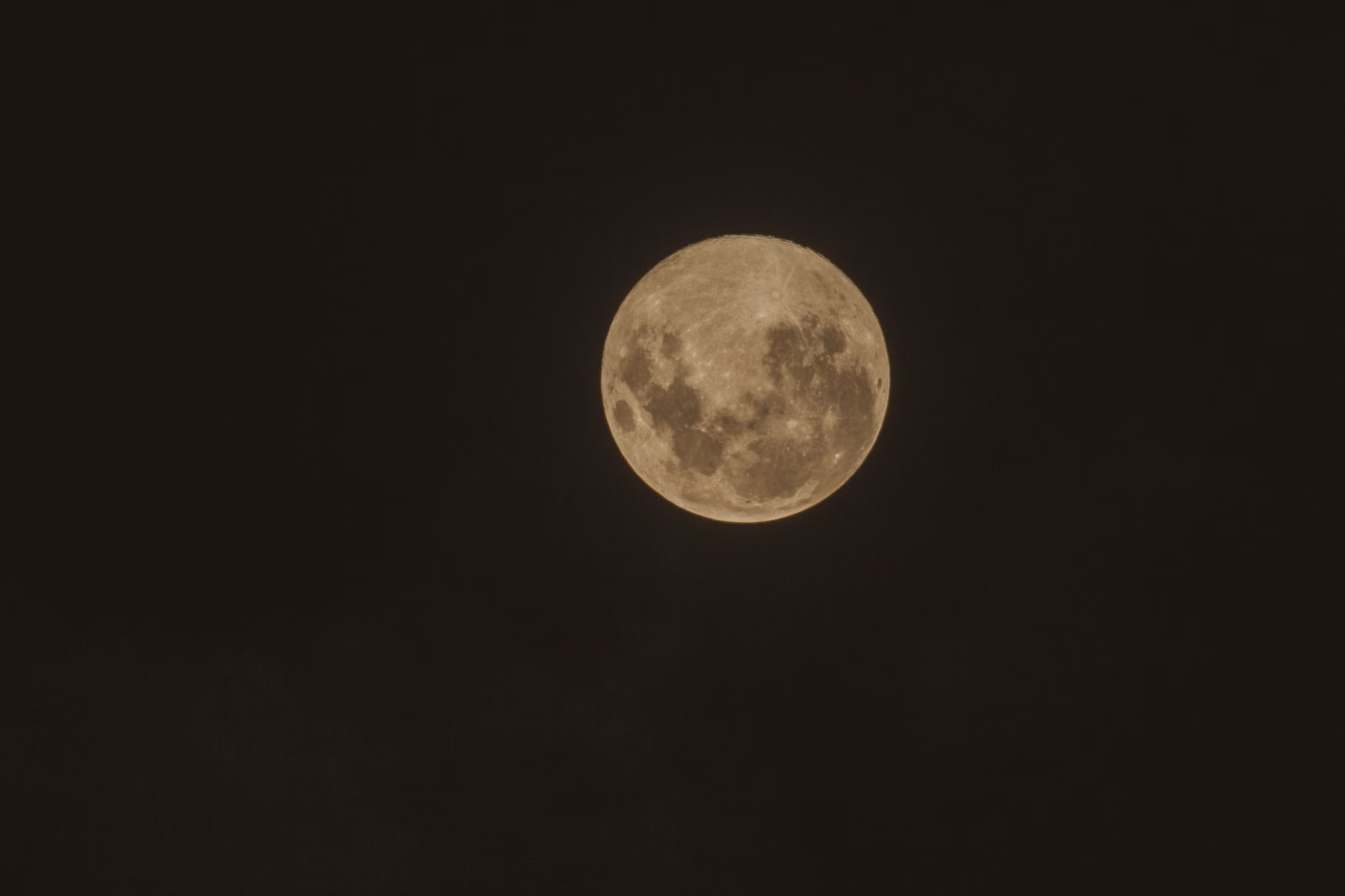
The moon is beautiful, but it is effectively a massive, natural light-pollution machine. If the moon is 90% full, it will drown out the Milky Way and the fainter constellations. You want to plan your trip during the week surrounding the New Moon. Use a lunar calendar to identify these dates months in advance.
The Planning Step-by-Step:
- Check the IDA International Dark-Sky Park list to find a location within a 3-4 hour drive.
- Consult a Clear Dark Sky chart for that specific location. It provides a grid showing cloud cover, transparency, and “seeing” (atmospheric stability) hour by hour.
- If the “Cloud Cover” row has anything more than 20% coverage, reconsider your trip or have a “Plan B” (like a night hike or campfire).
Managing Expectations: It Is Not a Planetarium Show
Children—and many adults—expect the sky to look like the long-exposure photos they see on Instagram, where the Milky Way is a vibrant, neon-purple streak across the sky. Real life is different. To the naked eye, the Milky Way looks like a faint, wispy cloud or a smudge of smoke. It takes time for the human eye to adjust to the dark.
It can take up to 30 minutes for your eyes to achieve “dark adaptation.” If you look at your phone screen for even a second, the process resets. This is why the red-light rule is critical. If your child gets bored, use a simple star map app that has a “Night Mode” (which turns the screen red) to help them identify constellations like Orion or the Big Dipper. Gamify the process: “Can you find the W-shape of Cassiopeia?”
The Hidden Costs and Logistics
Beyond the cost of gas and lodging, there are “hidden” costs to these trips. You will likely be in remote areas where cell service is non-existent. Download offline maps (Google Maps allows you to download areas for offline use) and ensure you have a physical backup of your route. Never assume you can rely on a GPS signal in the middle of a national forest or desert.
Temperature drops are another factor. Even in the middle of summer, temperatures in high-altitude or desert Dark-Sky parks can plummet 20 to 30 degrees once the sun goes down. A common mistake is leaving the winter gear at home. Pack layers, including thermal socks and hats. If your child is shivering, they will not care about the rings of Saturn.
Why This Matters for Your Family Dynamic
In our 30s and 40s, we are constantly “on”—managing calendars, work emails, and household logistics. Stargazing forces a pause. It is a shared activity that requires silence and patience, two things in short supply in the modern household. It teaches children that not everything is instant, and that some of the most beautiful things in the world require effort to witness.
If you don’t succeed on your first trip, don’t write it off. Maybe you went on a night with high humidity, or maybe the kids were just overtired. Treat it as a recurring seasonal ritual rather than a one-off vacation. As your children grow, their capacity to sit still and appreciate the scale of the cosmos will evolve, and they will eventually be the ones pointing out the constellations to you.
Frequently Asked Questions
Is it safe to go to these parks at night with a family?
Generally, yes. Most IDA-certified parks are well-managed and safe. However, always check the park’s official website for “night visitation” rules. Some parks require a special permit for after-hours access. Stick to established campgrounds or designated viewing areas rather than wandering into the backcountry.
Do I need a telescope to see the planets?
You can see the five “naked-eye” planets (Mercury, Venus, Mars, Jupiter, and Saturn) without any equipment. They appear as bright, non-twinkling “stars.” A telescope helps you see details like the rings of Saturn or the moons of Jupiter, but it is not required for a fun, introductory experience.
What if my children are too young to stay up late?
Don’t force it. Many of the best stargazing moments happen just after civil twilight. You don’t need to stay up until 2:00 AM. Even an hour of looking at the sky before bedtime is a valuable experience. If they fall asleep, let them sleep—you can enjoy the quiet, and they can wake up to the memory of having been there.
Final Takeaway: Start small. Find a local park, pack a thermos of hot cocoa, bring your red-light headlamps, and focus on one or two constellations. The goal isn’t to become an expert astronomer; it’s to step away from the artificial glow of our daily lives and look up together. Check the International Dark-Sky Association website to find the closest certified location to you and start planning your next clear-night window.