- Visual over Verbal: Toddlers process visual information faster than verbal instructions; using icons reduces cognitive load and resistance.
- The Micro-Chore Rule: A task should take less than 90 seconds and require only one step to be considered a “micro-chore.”
- Ownership through Autonomy: When toddlers can “check off” a task independently using a physical cue, they transition from passive helpers to active participants.
If your morning routine feels more like a hostage negotiation, you aren’t alone. Most parents in their 30s and 40s are trying to balance high-pressure careers with the sudden realization that their toddler has a completely different agenda—usually involving not putting on shoes or refusing to move a single toy into a bin. The frustration isn’t usually about the chore itself; it’s about the mental friction of constantly asking, reminding, and eventually pleading.
The “Micro-Chore” method isn’t about turning your two-year-old into a housekeeper. It is a communication strategy. By shifting from verbal commands to visual cues, you remove yourself as the “boss” and make the “task” the objective reality. When a child sees a picture of a sock on a basket, the instruction is constant, neutral, and impossible to argue with. Here is how to implement this system to reclaim your morning sanity.
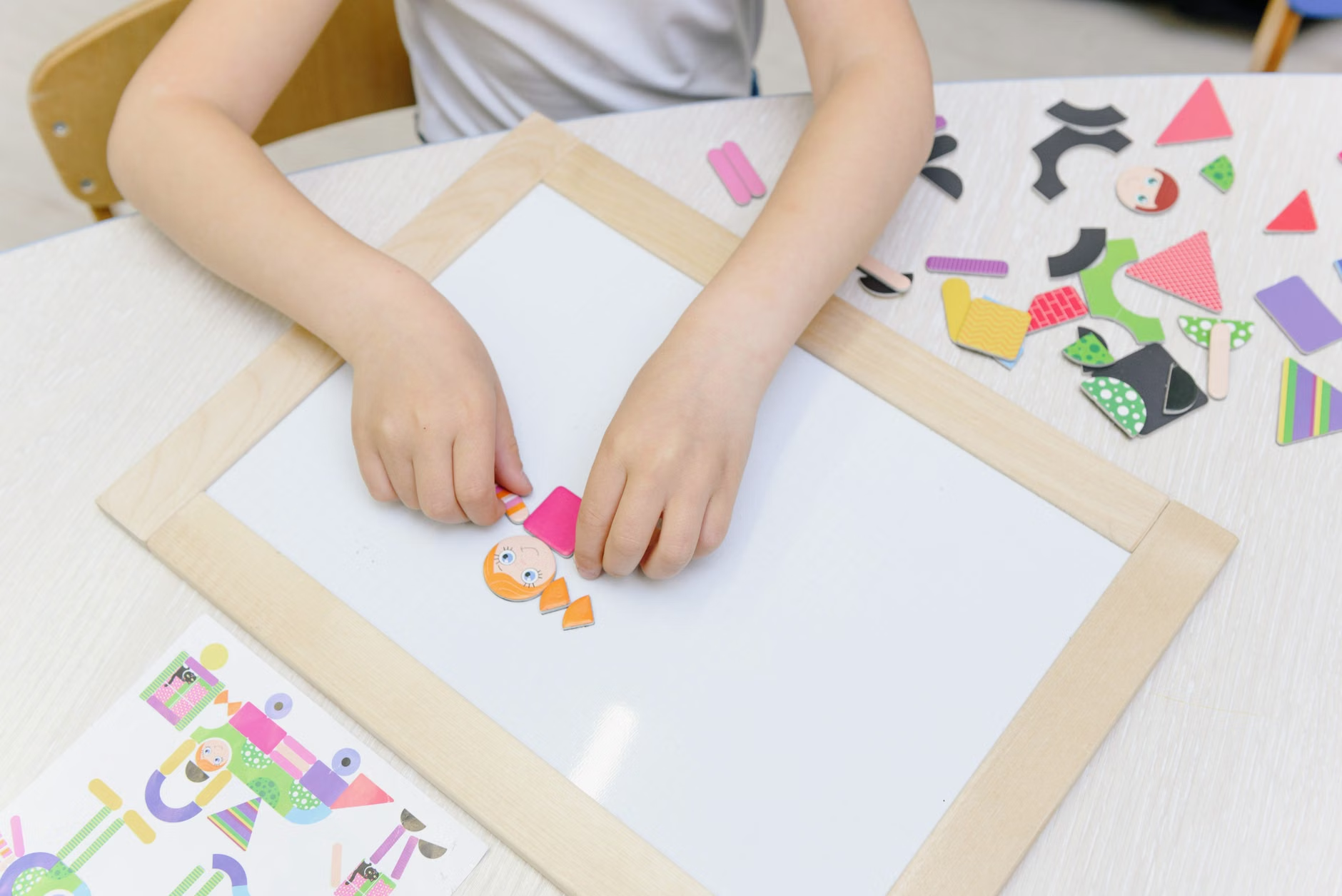
Why Your Toddler Ignores Your Instructions (And Why Pictures Work)
Developmentally, a toddler’s brain is in a state of constant transition. When you shout “Go put your blocks away!” from across the room, you are asking the child to perform a complex sequence: stop current activity, process the verbal command, remember the location of the blocks, remember the location of the bin, and execute the physical move. For a child under four, this is a massive cognitive load. If they are tired, hungry, or hyper-focused on play, the request is often filtered out as background noise.
Visual cues work because they are permanent. Unlike your voice, which fades the second you stop speaking, a visual cue (a photo, an icon, or a color-coded card) remains present. It serves as an external memory aid. This is the same principle used in adult productivity systems like Kanban boards or checklist-based workflows. By applying this to a toddler, you are simply scaffolding their executive function until they develop the internal discipline to manage tasks on their own.
Common mistakes parents make include over-complicating the task list. If your chart has ten items, your toddler will feel overwhelmed before they start. A successful micro-chore system is limited to three items at most. Anything more, and you are no longer teaching responsibility; you are creating a secondary chore for yourself: managing the chart.
Defining a “Micro-Chore”: The 90-Second Rule
The secret to success is the scope of the task. If a task takes more than 90 seconds, it is not a micro-chore. It is a project. A toddler cannot sustain focus on a project, which leads to the “unfinished business” syndrome where you end up doing the work anyway. A micro-chore must be a single, discrete action.
Consider the following comparison of task definition:
| Task Type | Example | Why it fails/succeeds |
|---|---|---|
| Macro-Chore | “Clean your room.” | Too vague; child is paralyzed by the scale of the mess. |
| Micro-Chore | “Put the blue car in the bin.” | Clear, achievable, instant gratification. |
When you break tasks down this way, you are teaching the child the concept of completion. This builds the dopamine loop associated with “finishing” something. If they feel successful, they are much more likely to repeat the behavior. If they feel like they are constantly failing to meet an ambiguous standard (“Clean up!”), they will eventually stop trying altogether.
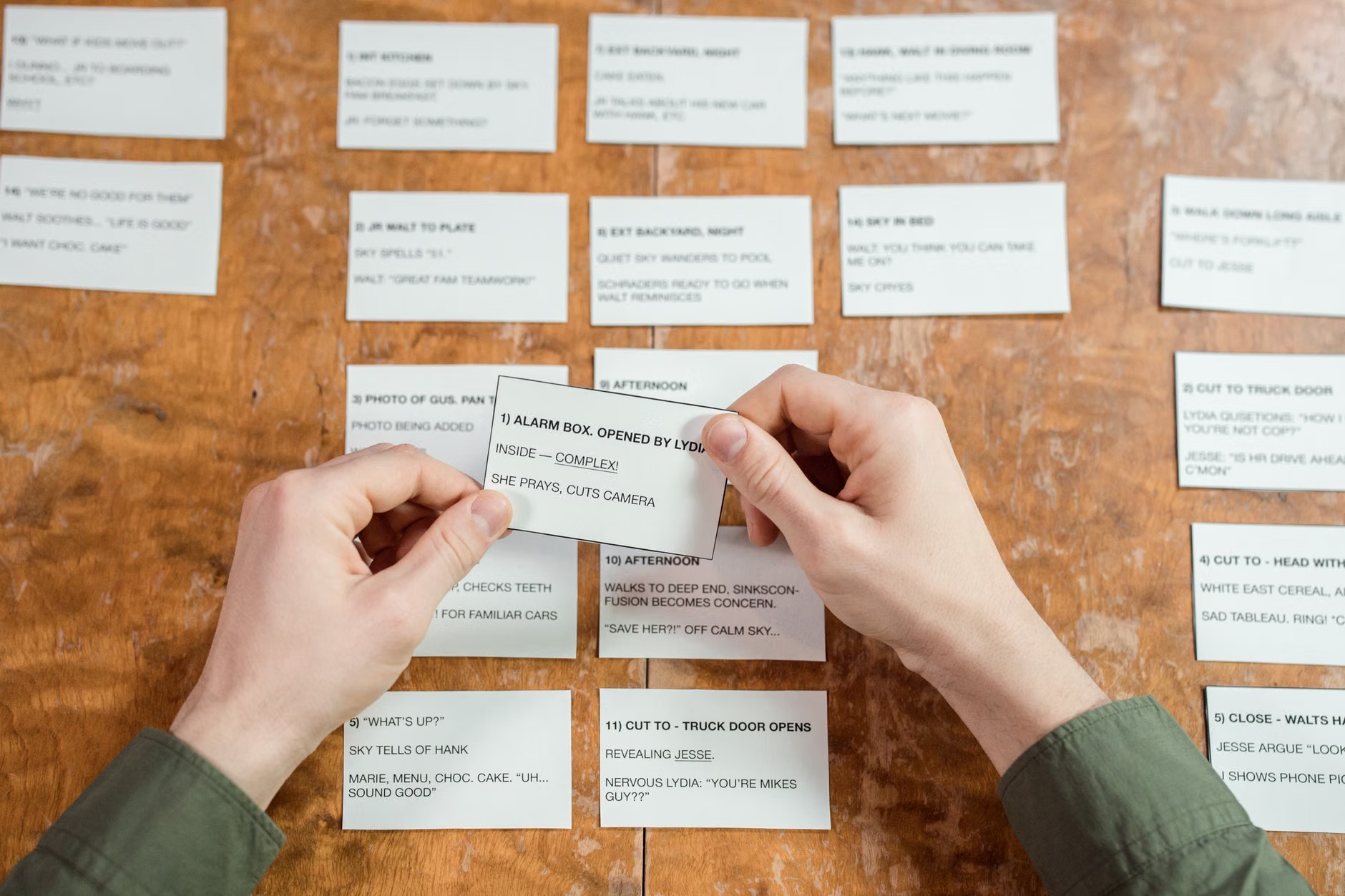
Implementing the Visual System: A Step-by-Step Guide
To begin, you don’t need fancy store-bought kits. In fact, DIY solutions often work better because they use images that are familiar to your child. Start by taking photos of their actual toys or the actual locations where things belong. A photo of their specific toy bin is far more effective than a generic icon of a “toy box.”
Step 1: The Audit
Walk through your daily pain points. Is it the morning shoe struggle? The pre-bedtime book pile? Choose exactly one area of the day to focus on first. Do not try to fix the entire day at once. If the morning is the most stressful time, start there. Identify three micro-chores that, if completed, would make the morning 20% smoother.
Step 2: The Capture
Use your smartphone to snap photos of the task in action. If the task is “put your shoes in the basket,” take a picture of the shoes inside the basket. Print these photos out. You can laminate them with clear packing tape if you want them to be durable. Attach a piece of Velcro or a magnet to the back of the card and a corresponding piece to the wall or a dedicated board.
Step 3: The “Done” Zone
The most important part of this system is the “Done” zone. This is a physical space where the chore cards go once the task is completed. You can use a small basket labeled “Finished” or a second column on your chart. When the child moves the “shoe” card to the “Finished” basket, they have physically completed the cycle. This tactile interaction is essential for toddlers who are still developing their sense of agency.
Managing the “Resistance Phase”
You will encounter resistance. This is not a sign that the system is failing; it is a sign that your child is testing the new boundaries. When they refuse to do a task, do not engage in a debate. Point to the visual cue. Say, “The picture says it’s time to put the shoes away.” By externalizing the authority to the card, you remove the personal conflict. You are no longer the “mean parent” asking them to work; you are simply the assistant helping them follow the plan.
Common mistakes at this stage include over-praising or over-correcting. If you clap and cheer excessively, you turn the chore into a performance. If you fix their work immediately, you rob them of the sense of competence. Aim for a neutral, validating tone: “You put the shoes in the basket. Now the basket is full.” This reinforces the natural logic of the task rather than the emotional validation of the parent.

The Hidden Benefit: Building Executive Function
There is a deeper, long-term benefit to this process that goes beyond just having a cleaner house. By engaging in micro-chores, children are building what psychologists call “executive function.” This is the set of mental skills that includes working memory, flexible thinking, and self-control. When a child learns to look at a visual cue, recall the task, execute the physical action, and then verify the completion, they are exercising the exact neural pathways they will need for school, project management, and life in their 30s and 40s.
It is important to remember that these skills are not innate. They are developed through repetition. Don’t worry if your child has an “off” day. The consistency of the visual system is what matters most. If the cards are there every day, the expectation becomes normalized. It shifts from being a “chore” to being a “rhythm.”
Advanced Adjustments for Different Ages
As your child grows, the system should evolve. For a three-year-old, you might use photos. For a five-year-old, you can move to simple line drawings or even words. You can also introduce the concept of “time-based” cues using a visual timer (like a sand timer or a digital countdown). This helps the child understand that tasks exist within a temporal framework, not just a spatial one.
If you have multiple children, consider color-coding their tasks. A green border on the cards could indicate tasks for one child, and a blue border for the other. This prevents the “That’s not my job!” argument and helps foster a sense of individual ownership over their specific space in the home. Keep the system fluid; if a task becomes too easy or no longer relevant, rotate it out for a new one.
Decision Criteria: When to Pivot
How do you know if the system is actually working? Monitor the level of verbal intervention required. If you find yourself having to point to the chart as much as you used to have to give verbal commands, the system needs a refresh. This usually happens when the tasks have become too boring or the child has simply outgrown the visual appeal of the specific icons.
Another indicator is the “voluntary completion” test. Do you ever see your child moving a card to the “Finished” zone without you asking? If yes, you have successfully internalized the routine. This is the goal. Your ultimate objective is to make yourself redundant in the process. Once the child has built the habit, the visual cues can gradually fade away, replaced by the internal rhythm of their daily life.
Final Takeaways for the Busy Parent
The Micro-Chore method is about lowering the temperature in your home. By delegating the authority to a visual cue, you stop being the antagonist in your child’s day and start being their partner in routine. Focus on three tasks, keep them under 90 seconds, and prioritize the “Done” zone to seal the sense of completion.
Don’t look for perfection. Some days, the shoes will end up in the hallway despite the chart. That’s fine. The value is not in the pristine state of your home, but in the slow, steady development of your child’s ability to manage their own environment. Keep it simple, keep it visual, and keep the focus on the task rather than the struggle.
Frequently Asked Questions
Q: What should I do if my toddler ignores the visual chart entirely?
A: It likely means the tasks are too complex or the chart is placed somewhere they can’t easily interact with. Ensure the chart is at their eye level and that the tasks are truly “micro” (under 90 seconds). If they still ignore it, involve them in the “reset” of the chart—let them pick the photos to put on it so they feel a sense of ownership.
Q: Is it okay to use a reward system (like stickers) with this method?
A: While stickers can provide an initial boost of motivation, try to move toward “natural rewards” as quickly as possible. The natural reward is the feeling of completing the task and the praise of “Look, the shoes are in the basket!” External rewards like candy or excessive prizes can sometimes undermine the intrinsic satisfaction of doing a job well.
Q: How many times a day should I update the visual cues?
A: Ideally, once a day or once per “transition” (e.g., morning routine vs. bedtime routine). Don’t make the chart a living document that changes every hour; toddlers need the stability of a predictable, static routine to feel secure. Reset the chart at the same time each day so it becomes part of the rhythm.
For further reading on child development and executive function, you may find the resources provided by the Center on the Developing Child at Harvard University particularly insightful regarding how these early habits form the foundation for later life skills.