Three Key Takeaways
- Regenerative gardening is possible in rentals by using container systems and “no-dig” methods that leave the property exactly as you found it.
- Focus on soil health first: Even in pots, using high-quality compost and organic mulches creates a self-sustaining ecosystem that mimics nature.
- Strategic plant selection—specifically native species—is the fastest way to invite local pollinators and increase biodiversity without needing a large plot.
You don’t need a deed to the land or a massive backyard to participate in the regenerative gardening movement. For many of us in our 30s and 40s—juggling the demands of work, kids, and the often-restrictive rules of rental agreements—the idea of “regenerative” gardening can feel like a pipe dream reserved for rural homesteaders. But the reality is that regenerative gardening is not about scale; it is about the philosophy of giving back to the earth rather than just taking from it.
In a rental property, you are often limited by “no-dig” rules, security deposit concerns, and the need for portability. The good news? These constraints actually force a more efficient, high-impact style of gardening that is perfect for the modern suburban renter.
What Exactly is Regenerative Gardening for Renters?
At its core, regenerative gardening is an agricultural philosophy that prioritizes soil health, biodiversity, and water retention. In a traditional garden, you might add synthetic fertilizers to force plants to grow. In a regenerative system, you feed the soil—the microbes, fungi, and worms—and let the soil feed the plant.
For a renter, this means moving away from the “in-ground” mindset. If you can’t dig up the lawn, you build upwards. By using containers, raised beds on legs, and vertical systems, you create a “closed-loop” system where you manage the nutrients, the water, and the life cycle within your own controlled environment. It is a way to reduce your household waste, grow your own food, and provide a sanctuary for local insects, all while keeping your security deposit safe.

The Strategy: Why Soil Health Matters More Than Sunlight
Many novice gardeners obsess over sunlight and water, but the secret to a successful regenerative garden is the soil microbiome. If you are using standard bags of potting mix from the hardware store, you are essentially providing a sterile, inert medium. To make it regenerative, you must “charge” that soil.
The “Living Soil” Rule: Never leave soil bare. In nature, the earth is always covered by leaves, grass, or other vegetation. Bare soil is vulnerable to erosion, nutrient leaching, and heat stress. In your containers, use a layer of organic mulch—straw, wood chips, or even dried leaves—to protect the top layer. This mimics the forest floor, keeps moisture in, and provides a home for beneficial microorganisms.
The Comparison: Sterile vs. Regenerative Containers
| Feature | Standard Container Gardening | Regenerative Container Gardening |
|---|---|---|
| Soil Base | Synthetic potting mix | High-quality compost + organic matter |
| Fertilization | Chemical liquid feed | Compost tea, worm castings, organic mulch |
| Soil Surface | Exposed, dries out quickly | Mulched, retains moisture and microbial life |
| Plant Choice | Seasonal ornamentals | Native plants + perennial food crops |
As shown in the table, the shift to regenerative methods requires a bit more upfront effort in sourcing materials, but it results in a system that requires significantly less water and intervention over time. Once the ecosystem in your pot is established, it becomes self-regulating.
Step-by-Step: Setting Up Your Rental-Friendly Oasis
If you are starting from scratch, don’t try to fill your entire patio at once. Start with a “micro-plot.” Focus on three key areas: waste reduction, water management, and plant diversity.
1. Implementing a Closed-Loop Waste System
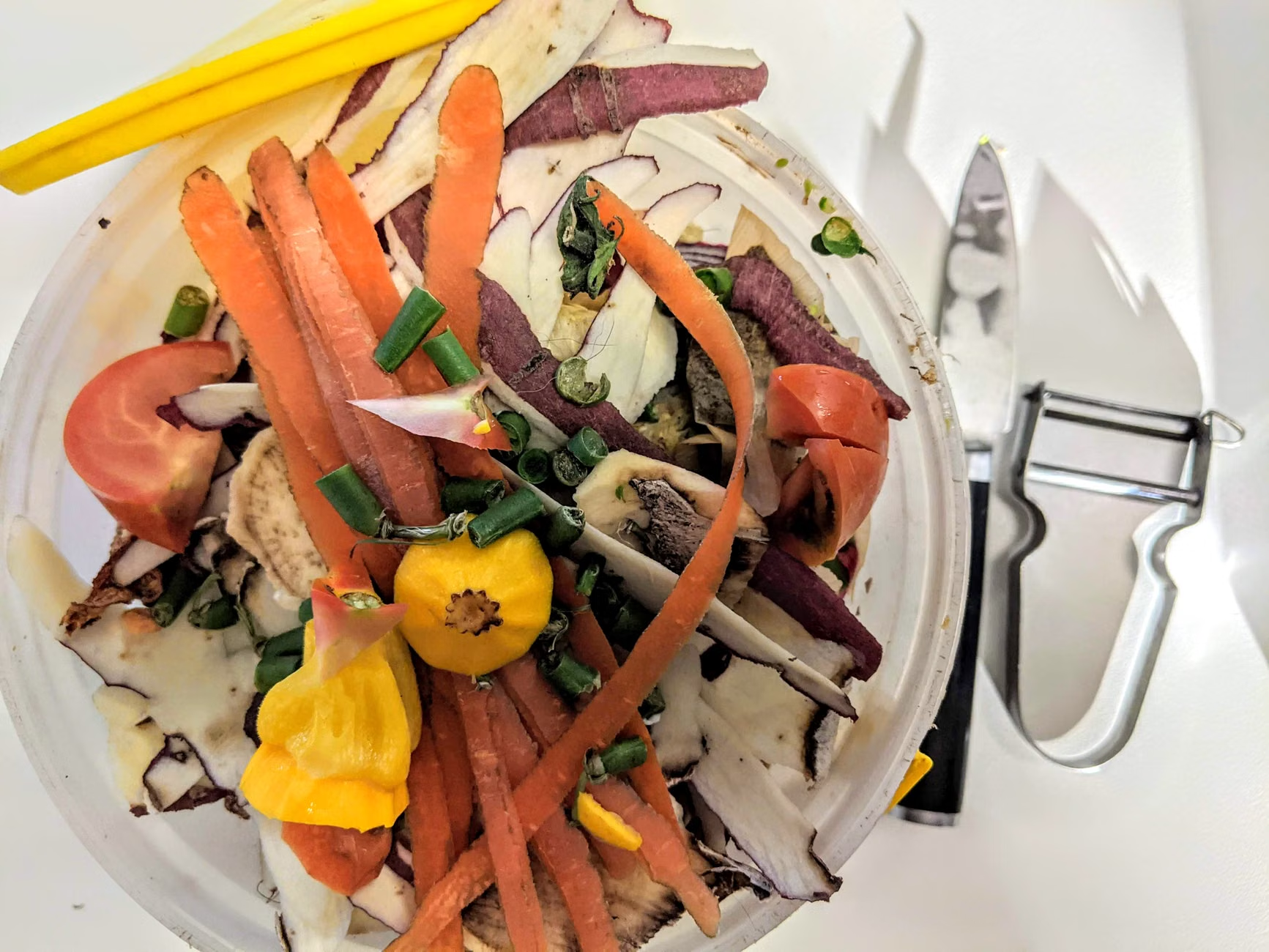
You cannot have a regenerative garden without compost. If you are in an apartment or a townhouse with a small patio, a worm bin (vermicomposting) is your best friend. It is compact, odorless, and produces the “black gold” (worm castings) that will fuel your plants. Unlike traditional compost piles that require space and heat, worm bins can sit in a corner of your patio or even under a sink.
Common Mistake: Adding too much citrus or onion waste to the worm bin. Stick to coffee grounds, vegetable scraps, and crushed eggshells. This keeps the pH balanced and the worms happy.
2. Choosing the Right Containers
Avoid plastic if possible. While convenient, plastic breaks down over time and can leach chemicals into your soil. Look for fabric pots (often called “smart pots”). They are breathable, which prevents root circling—a major problem where roots get trapped in a tight ball—and they are incredibly lightweight for when you eventually move out. They also naturally “air prune” roots, which forces the plant to develop a more robust, healthy root system.
3. The Power of Native Plants
In a regenerative garden, your goal is to support the local environment. Even if you are in a suburban environment, native plants serve as a vital “pit stop” for local pollinators like bees and butterflies. Because native plants are already adapted to your local climate and soil conditions, they require far less water and maintenance than exotic varieties. They are the ultimate low-effort, high-impact gardening choice.
The Hidden Costs and Trade-offs
While the benefits are clear, we need to be realistic about the trade-offs. The most significant is weight. If you are gardening on a balcony, you must check the weight restrictions of your structure. Wet soil is heavy. A large, water-soaked wooden planter can easily exceed the load-bearing capacity of a small balcony. Always use lightweight potting blends (incorporating perlite or coconut coir) and ensure your containers have proper drainage so they don’t hold excess water.
Another overlooked variable is pest management. Because you aren’t using harsh pesticides (which kill the beneficial insects along with the pests), you will inevitably see some leaf damage. In a regenerative system, this is a sign that your garden is part of a real food chain. If you see a few holes in your kale leaves, it means you’ve successfully invited biodiversity into your space. If the damage becomes extreme, focus on companion planting—planting marigolds or aromatic herbs like basil next to your vegetables to naturally deter pests.
Managing Your Garden Through Life’s Demands
For those of us in our 30s and 40s, the biggest barrier to gardening is time. The “regenerative” approach actually helps here. Because you are building a resilient ecosystem, the garden is less prone to sudden collapse. A well-mulched, healthy container garden can survive a missed watering much better than a standard, exposed plastic pot.
To keep this manageable, use self-watering containers or drip irrigation systems that hook up to an outdoor tap. You can buy simple, battery-operated timers that automate your watering schedule, ensuring your plants get consistent moisture even when you are busy with work or kids’ activities.
Why This Matters Now
The suburban landscape is often a desert of manicured, chemically treated lawns that offer nothing to the local ecosystem. By choosing to garden regeneratively as a renter, you are adding a patch of life to that desert. You are teaching your children where food comes from, showing them the life cycle of a worm, and demonstrating that you don’t need a massive estate to make a positive impact on the planet.
This isn’t about perfection. It is about small, consistent actions. Maybe this year, you start with one worm bin and two fabric pots. Next year, you add a vertical trellis. The goal is to build a practice that fits your life, not a chore that adds to your stress.
Actionable Checklist for Your First Month
- Audit your space: Check sunlight patterns for 3 days to see where you get the most light.
- Source your materials: Buy or build a small worm bin and source high-quality organic compost.
- Select your plants: Choose 3 native flowering species and 2 easy-to-grow vegetables (like kale or cherry tomatoes).
- Set up watering: Install a simple timer or plan your manual watering routine.
Frequently Asked Questions
1. Will a worm bin smell or attract pests in a small apartment?
A properly maintained worm bin is completely odorless—it should smell like fresh, damp earth. If it smells like rotting food, it is likely too wet or you are overfeeding it. Adding more shredded cardboard or paper will absorb excess moisture and eliminate odors.
2. Can I really grow enough food in containers to make a difference?
You likely won’t become fully self-sufficient, but you can certainly supplement your diet with fresh herbs, leafy greens, and tomatoes. The real value is in the quality of the produce—homegrown, organic, and harvested at the peak of ripeness—which is vastly superior to store-bought options.
3. How do I move my garden if I have to relocate?
This is the beauty of container gardening. By using fabric pots, you can simply empty the soil into your new garden (or gift it to a neighbor) and fold the pots down to the size of a t-shirt. Your plants, if small enough, can travel with you, or you can propagate cuttings from your favorite plants to start fresh in your next home.
Final Thoughts
Regenerative gardening is a journey, not a destination. It is about observing how your plants interact with the environment and making small adjustments to support that relationship. As you move through your 30s and 40s, treat your garden as a place of respite—a small, living project that rewards you for your care, teaches you patience, and brings a little bit of the wild into your suburban life. Start small, keep it simple, and enjoy the process of watching your tiny patch of the world thrive.
For more information on native plants in your specific region, check out local resources like the National Wildlife Federation’s Native Plant Finder or your country’s specific agricultural extension services, which provide excellent guides on local soil health and pollinator-friendly species.