Key Takeaways
- Consistency over intensity: A 15-minute daily reading habit in a target language is significantly more effective for early language acquisition than sporadic, long-duration weekend sessions.
- Focus on input quality: Prioritize books that use natural, conversational language rather than overly academic or simplified vocabulary, as children learn best through context-heavy, engaging narratives.
- Leverage the ‘One Parent, One Language’ (OPOL) or ‘Minority Language at Home’ (MLAH) frameworks: Choose a strategy that fits your family dynamic and stick to it to provide the necessary linguistic structure for your child.
The most effective way to foster multilingualism in early childhood is not through expensive apps or formal tutoring, but through the consistent, low-pressure integration of a “multilingual library” into your home environment. By surrounding your child with high-quality literature in your target languages, you provide the necessary “comprehensible input” required for them to naturally internalize grammar, vocabulary, and cultural context.
If you are a parent in your 30s or 40s, you are likely balancing a career, household management, and the desire to give your children a linguistic head start. The challenge isn’t just buying books; it’s making sure those books are actually read. Here is how to curate a library that works for your life, not against it.
Why Your Home Library Strategy Needs to Shift from Quantity to Access
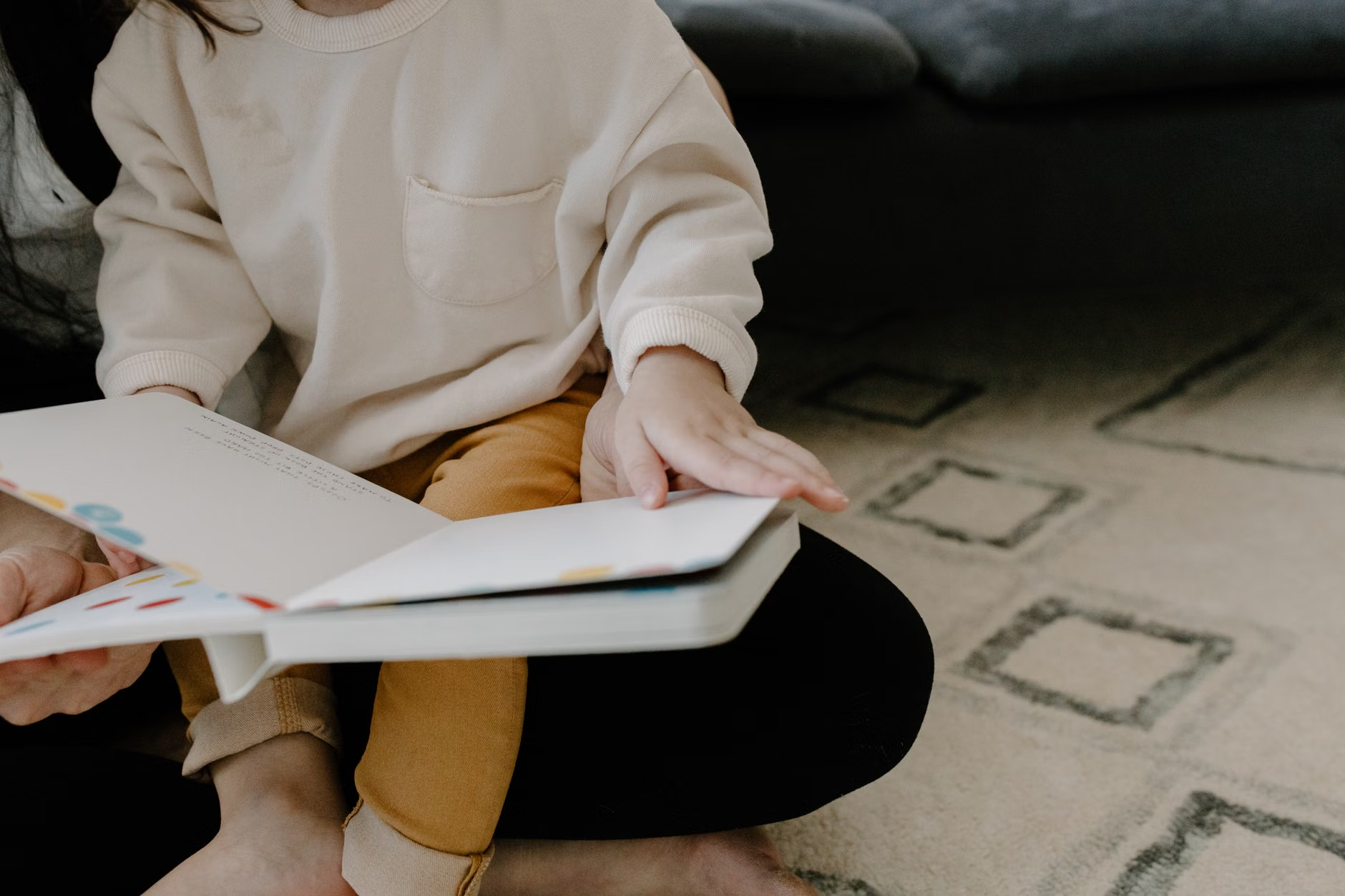
Many parents fall into the trap of buying dozens of books that end up gathering dust on a high shelf. In the context of early literacy, access is everything. If a child cannot reach the book or see the cover, they are unlikely to initiate the reading process independently. For early readers, the physical environment must act as a “nudge” toward language interaction.
The “Rotation” Rule: To keep interest high, rotate your library every two to four weeks. Keep only 10–15 books out at a time, displaying them cover-out on low shelves or baskets. This prevents “decision fatigue” for the child and keeps the material feeling fresh. When you rotate, bring out books that align with their current interests—if they are obsessed with dinosaurs, make sure the next batch of books (in all target languages) features prehistoric creatures.
The Hidden Cost of Passive Exposure: Simply having a book in the room is not enough. Research suggests that “dialogic reading”—where the parent and child interact with the book through questions, predictions, and discussions—is the gold standard for language acquisition. If you only read the text on the page, you are missing the opportunity to build the child’s active vocabulary. Use the illustrations as a bridge. If the book is in a target language you are less confident in, use the pictures to describe the action in your own words, then point to the text to reinforce the written form.
Choosing the Right Books for Different Developmental Stages
Not all books are created equal when it comes to language learning. As your child grows, their needs shift from sensory input to narrative comprehension. Selecting the right book for the right age is the difference between a child who loves reading and one who views it as a chore.
| Age Range | Focus Area | Book Type |
|---|---|---|
| 0–2 years | Sound recognition & basic nouns | Board books, high-contrast, touch-and-feel |
| 3–5 years | Sentence structure & storytelling | Picture books with repetitive phrases |
| 6+ years | Reading independence & complex themes | Early chapter books, graphic novels |
For parents, the mistake often lies in buying books that are too text-heavy. If a child cannot understand the story, they will tune out. For early readers, the visual context must carry the narrative. If you are buying books in a language that is not the primary language of your community, look for books that are “culturally grounded.” This means the story should reflect the customs, food, and daily life of the language you are teaching, which helps the child associate the language with a specific identity and experience.
Implementing the “Minority Language at Home” (MLAH) Framework
The most successful multilingual families often follow the MLAH framework. This means that even if the world outside (school, playground, grocery store) operates in a dominant language, the home remains a sanctuary for the target language(s). Your library is the anchor for this strategy.
Step-by-Step Implementation:
- Audit your current collection: Identify which languages are underrepresented. If you have 50 books in English and only 5 in your target language, the imbalance is too great to sustain interest. Aim for a 50/50 split if possible.
- Source local and international: Don’t rely solely on Amazon or major retailers. Use local library inter-library loan systems, which often have access to international titles. Explore digital platforms like Epic! or language-specific digital libraries for children.
- Create “Language Zones”: If you are teaching two languages, try to keep the books for each language in separate, clearly marked baskets. This helps the child mentally categorize the languages as distinct systems rather than a “jumbled” mix.
A common mistake is forcing the child to read only in the target language. This can lead to resentment. Instead, frame the library as an “exploration area.” If the child wants to read an English book, let them, but follow up with a book in the target language that covers a similar theme. If they read a book about space in English, pull out a space-themed book in your target language immediately after. This creates a bridge between their current interest and the target language.

The Role of Audiobooks and Multimedia in Early Literacy
We often think of reading as a purely visual activity, but for young children, audio input is just as critical. If you are not a native speaker of the target language, or if you find your own pronunciation to be a point of insecurity, audiobooks are your best friend. They provide native-level intonation, rhythm, and pacing.
The “Listen-Along” Technique: Use a dedicated audio player or a simple Bluetooth speaker. Play the audio version of a book while your child follows along with the physical pages. This is highly effective for vocabulary retention. It allows the child to see the word, hear it correctly, and understand its context simultaneously.
Managing Screen Time vs. Audio Time: While many parents are wary of screens, audio-only content (like podcasts or audiobooks) is a fantastic way to supplement your library. It encourages the child to build their own internal imagery—a skill that is often stunted by visual-heavy screen time. For parents in their 30s and 40s, this is also a practical “hack” for car rides or quiet times when you need a moment to yourself but still want to keep the language exposure going.
Common Pitfalls: What to Avoid When Building Your Library
Building a multilingual library is a marathon, not a sprint. The biggest pitfall is “Language Guilt.” Many parents feel they aren’t doing enough if they miss a day or if their child prefers the dominant language. Remember that the goal is long-term exposure, not immediate fluency. If you push too hard, you risk creating a negative association with the target language.
Avoid the “Translation Trap”: Do not translate the book word-for-word as you read. This disrupts the flow of the story and makes the child wait for the “real” meaning. Instead, read the story in the target language, and if the child is confused, explain the core concepts in the target language using simpler vocabulary or gestures. Only use the dominant language as a last resort if the child is truly distressed or missing a fundamental concept.
Beware of “Over-Correction”: If your child makes a mistake in grammar or vocabulary, do not stop the story to correct them. Instead, repeat the sentence back to them correctly in your next turn of dialogue. For example, if they say “The dog runned,” you might say, “Yes, the dog ran fast, didn’t he?” This provides the correct model without discouraging the child’s confidence.
Actionable Steps for the Busy Parent
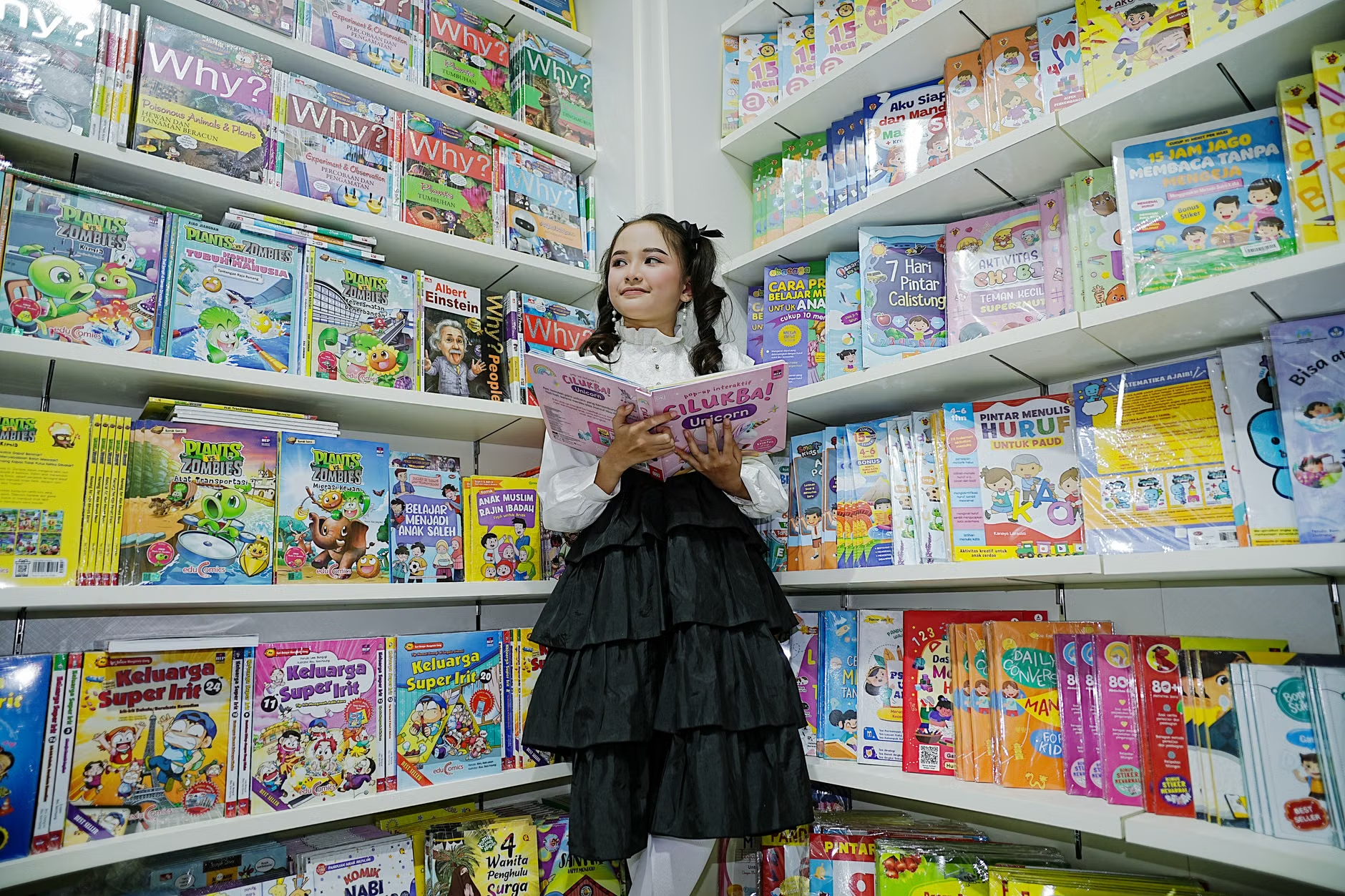
If you feel overwhelmed by the task of building a library, start small. You don’t need a massive collection to see results. Follow these three steps to begin your journey this week:
- The 15-Minute Rule: Commit to 15 minutes of reading in your target language every single day. Make it a non-negotiable part of your bedtime or morning routine. Consistency is the primary driver of language acquisition.
- Curate, Don’t Collect: Go through your existing books and remove the ones that are damaged, too difficult, or simply uninteresting to your child. Replace them with three new titles in your target language that focus on high-engagement topics like animals, vehicles, or emotions.
- Make it Social: If possible, find one other family in your area who is interested in the same language. Swap books. This not only expands your library for free but also provides your child with a social context for the language, which is essential for long-term motivation.
Ultimately, the “multilingual library” is not just about books; it is about signaling to your child that this language is a living, breathing part of your family’s life. When they see you reading, when they see the books displayed prominently, and when they hear the language used with joy and consistency, they will naturally follow your lead. Keep the process light, keep the books accessible, and trust that the cumulative effect of these small interactions will build a foundation for a lifetime of bilingualism.
Frequently Asked Questions
1. What if my child refuses to read books in the target language?
This is common, especially as children reach school age and the dominant language becomes more “prestigious” or “cool” in their social circles. Do not force it. Instead, pivot to media they actually enjoy. If they love superheroes, find comic books or graphic novels in the target language. If they love cooking, find a simple recipe book in that language. The goal is to keep the language associated with fun and personal interest, not academic work.
2. How do I know if a book is at the right level for my child?
Use the “Five-Finger Rule.” Open the book to a random page and have your child read it. Every time they encounter a word they don’t know, have them hold up a finger. If they have all five fingers up before they finish the page, the book is likely too difficult. If they have zero fingers up, it might be too easy. Aim for 1–3 fingers for the “Goldilocks” level of challenge.
3. Should I focus on reading or speaking first?
In early childhood, these skills develop in parallel. Reading supports speaking by providing vocabulary and structural models, while speaking supports reading by building the phonological awareness needed to decode text. Do not choose one over the other. Integrate them by reading together, talking about the pictures, and encouraging your child to “retell” the story in their own words after you finish.
For further resources on early literacy and multilingual development, visit the American Speech-Language-Hearing Association (ASHA) for evidence-based insights on bilingualism in children.