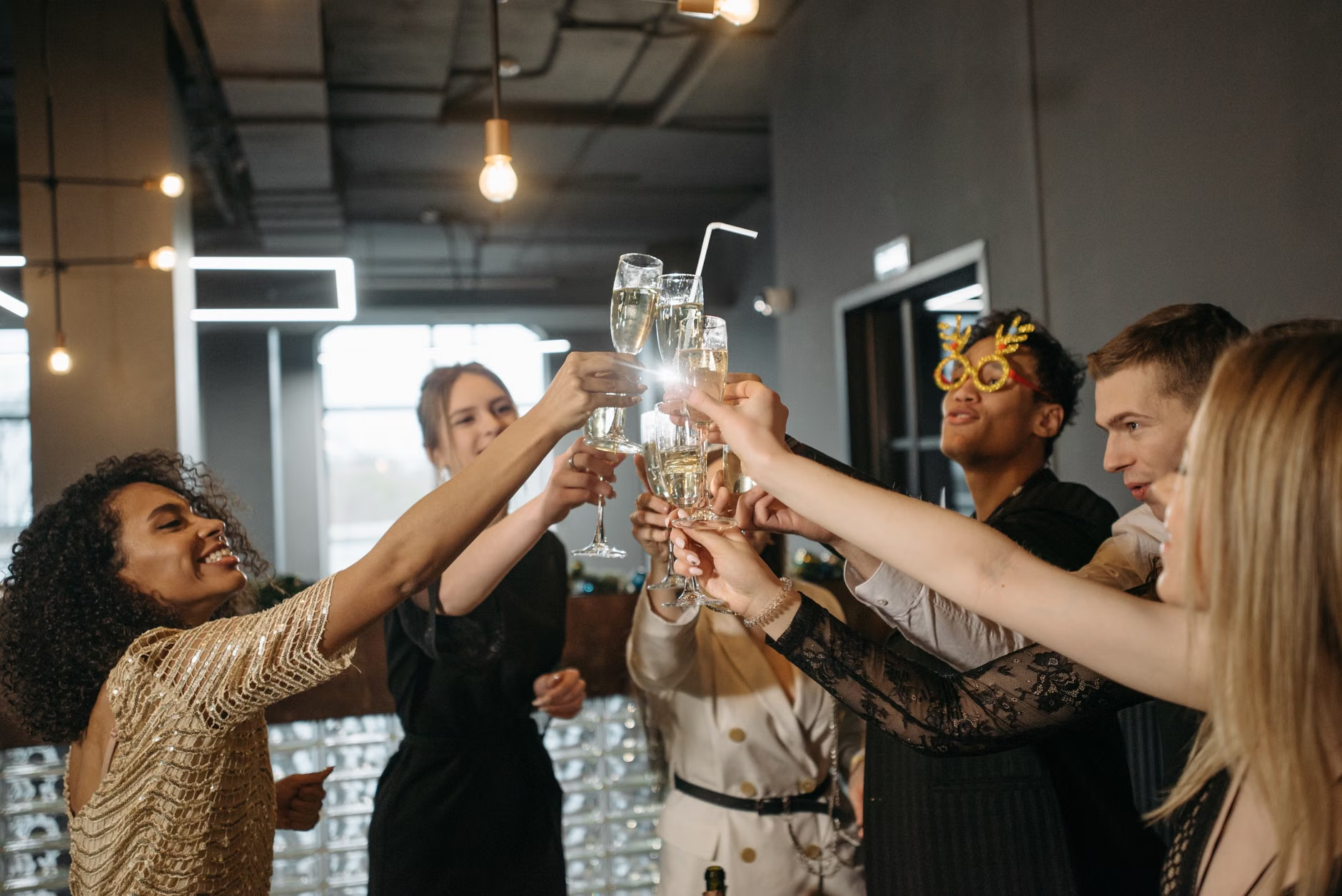
The days when a “successful” corporate event was defined by an open bar and a hazy morning-after are rapidly fading, replaced by a sophisticated, inclusive, and health-conscious culture of “zero-proof” professional socialising.
- Inclusivity as Policy: Offering high-quality non-alcoholic options is no longer an afterthought; it is a baseline expectation for diverse, modern corporate environments.
- Networking Evolution: The “networking over drinks” model is shifting toward activity-based or daytime social events, which often lead to higher-quality conversations and better professional outcomes.
- Personal Strategy: You do not need to explain your drink choice. Maintaining a neutral, confident approach to zero-proof options allows you to focus on the networking goals rather than the beverage in your hand.
Why Corporate Culture is Moving Away From the “Happy Hour” Default
If you are in your 30s or 40s, you have likely noticed a shift in how your company handles team building. The traditional “Friday happy hour” is often being replaced or supplemented by coffee mornings, lunch-and-learns, or non-alcoholic activity events. This isn’t just a trend; it is a fundamental shift in how organizations prioritize employee wellness, productivity, and inclusivity.
For those of us balancing the demands of a high-pressure career with the realities of parenting, the “after-work drink” has always been a point of friction. It’s not just about avoiding a hangover; it’s about the fact that a 7:00 PM event often conflicts with school pickups, bedtime routines, or simply the need to recharge for the next day. When the primary social currency of a company is alcohol, you are essentially creating a tiered system: those who can stay and drink, and those who have “other commitments.”
Research into the “sober curious” movement suggests that this demographic shift is largely driven by younger professionals (Gen Z and younger Millennials) who prioritize mental health and physical fitness. For those of us in mid-career, this shift is a welcome relief. It removes the pressure to participate in a culture that often felt more like an endurance test than a professional networking opportunity.
The Economics of the Zero-Proof Experience
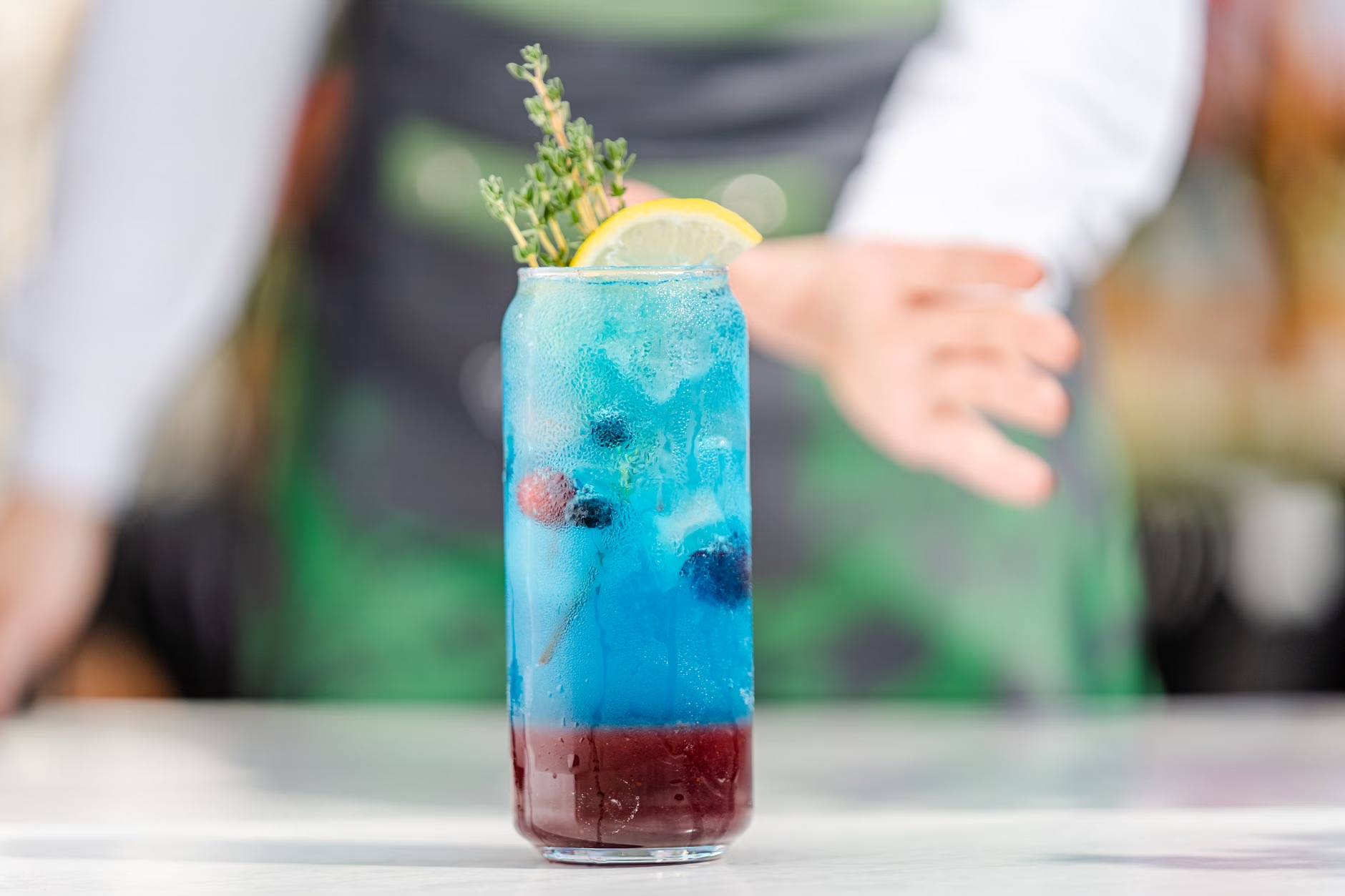
The “zero-proof” label is distinct from “non-alcoholic” in the same way a craft cocktail is distinct from a basic soda. We are seeing a massive explosion in the market for premium non-alcoholic spirits, botanical infusions, and dealcoholized wines. This matters for corporate events because it changes the optics of not drinking.
In the past, asking for a sparkling water at a networking event felt like a signal—either you were driving, you were pregnant, or you were “not fun.” Today, when you order a complex, garnished, zero-proof cocktail, you are simply ordering a drink. It fits the social environment perfectly, allowing you to hold a glass and participate in the ritual of social lubrication without the physiological downsides of ethanol.
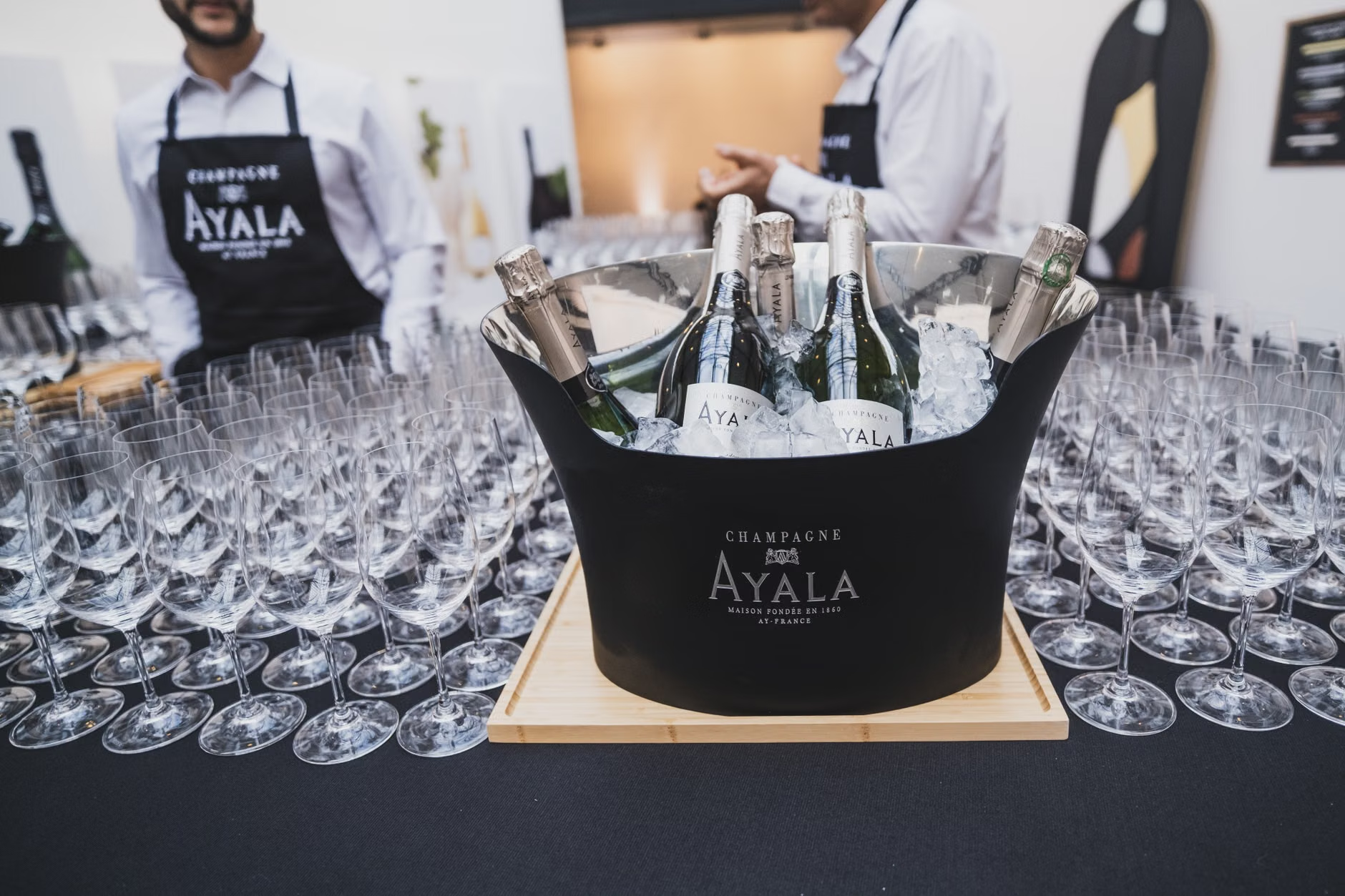
From a business perspective, the cost-benefit analysis is shifting as well. Companies are realizing that hosting events where alcohol is the centerpiece carries liability risks, HR complications, and potential productivity dips the next day. By investing in high-end zero-proof alternatives, companies can provide a premium experience that keeps the office sharp for the next morning’s meetings.
Comparison: Traditional Networking vs. Modern Zero-Proof Events
| Feature | Traditional Happy Hour | Modern Zero-Proof Event |
|---|---|---|
| Primary Driver | Alcohol consumption | Connection & Engagement |
| Inclusivity | Low (excludes non-drinkers) | High (everyone can participate) |
| Productivity Impact | Often negative (next-day fatigue) | Neutral to positive |
| Professional Tone | Casual/Blurry | Clear/Focused |
As the table above illustrates, the primary goal of the modern corporate event is shifting from “letting loose” to “meaningful interaction.” When you are at an event with zero-proof options, you are more likely to have a conversation that you will actually remember the next day—which, ironically, makes it a much better networking tool.
Even with the shift in culture, you might still feel a moment of hesitation when declining a drink at a high-stakes corporate function. It is a common misconception that you need a “valid” reason to abstain. You do not. However, if you want to navigate these situations with minimal friction, there are a few practical strategies to consider.
1. The “Glass in Hand” Strategy: Always ensure you have a drink in your hand. It acts as a social shield. Whether it is a tonic with a lime wedge or a sophisticated mocktail, having a glass prevents the “Can I get you a drink?” follow-up questions that lead to unwanted explanations.
2. The “Early Start” Pivot: If you are attending an evening event, mention your morning plans early in the conversation. “I have an early start tomorrow for a school run/workout/project, so I’m sticking to the zero-proof menu tonight.” This frames your choice as a proactive, professional decision rather than a reactive one.
3. The “Curated Choice” Approach: If you are an organizer or a manager, proactively suggest zero-proof options. By normalizing them, you remove the “stigma” for everyone else. When you are the one ordering the non-alcoholic craft beer or the botanical tonic, you signal to your team that it is perfectly acceptable to do the same.
Common Mistake: Over-explaining. You do not need to justify your health choices, your parenting schedule, or your sobriety to colleagues. A simple “I’m good with this, thanks” is perfectly sufficient. If you treat your drink choice as a non-event, others will treat it the same way.
The Hidden Benefits of Choosing Zero-Proof
Beyond the obvious health and parenting benefits, there is a distinct professional advantage to staying sharp during work-related social events. How many times have you seen a colleague lose their professional edge after the second drink? In your 30s and 40s, you are likely in a position where your reputation, your ability to mentor, and your capacity to lead are your most valuable assets.
By opting for zero-proof, you remain fully present. You are the one who remembers the details of the conversation, the one who can follow up on a project idea the next morning with clarity, and the one who maintains their executive presence throughout the entire evening. This is not about being “boring”; it is about maintaining a level of awareness that is increasingly rare in a distraction-filled, party-heavy corporate world.
Furthermore, consider the “next-day dividend.” While others are nursing headaches, dealing with “hangxiety” (the anxiety that accompanies a hangover), or struggling to focus, you are hitting the ground running. Over the course of a year, that extra 10% of energy and clarity on Friday mornings or Monday post-event days compounds significantly.
How to Advocate for Better Options at Your Workplace
If your office is still stuck in the “keg in the breakroom” era, you might feel like an outlier. However, you have more influence than you think. Most companies are looking for ways to improve their culture and inclusivity, and the shift to zero-proof is an easy, low-cost win.
If you are planning a team event, start by reviewing your catering contract. Do not just ask for “some sodas.” Request a specific selection of premium non-alcoholic beverages. Mention that you want to ensure all team members feel included regardless of their drinking habits. Most catering firms have already adapted to this demand and will have a menu of “mocktails” or alcohol-free craft beers ready to present.
If you are not the organizer, you can still influence the culture by providing feedback. After an event, if you felt the options were lacking, send a polite, constructive email to the event planner or HR lead. “I really enjoyed the event, but I noticed there were very few non-alcoholic options for those of us who prefer them. It would be great to see some zero-proof craft options next time to make the event more inclusive for everyone.”
The Future of Corporate Socializing
We are currently in a transition period. The “alcohol-centric” model is dying, but the “zero-proof” model is still finding its footing. We are seeing more “dry” networking events, where the focus is on a specific activity—like a cooking class, a golf simulator session, or a curated tasting of non-alcoholic spirits. These events are often more effective at building genuine team rapport because they require active participation rather than passive drinking.
For those of us in our 30s and 40s, this is the ideal landscape. We have the experience to value deep, meaningful connections over superficial party-talk. We have the life responsibilities that make us appreciate a shorter, more focused event. And we have the professional maturity to lead by example.
If you are currently feeling the pressure to “keep up” with a drinking culture that doesn’t serve you, take heart. You are part of a growing movement that values quality over quantity, and presence over performance. The next time you find yourself at an office function, try the zero-proof option. You might find that the best part of the evening is not the drink itself, but the clarity with which you navigate the room.
Final Recommendation: Start by normalizing your own choices. You don’t need a formal announcement; just order what you want, engage with confidence, and focus on the people in the room. When you lead with your own comfort and professional presence, you naturally create space for others to do the same. If you are an organizer, prioritize variety and quality in your beverage procurement. It’s a small logistical change that yields a high cultural return.
Frequently Asked Questions
1. How do I politely decline a drink if someone insists?
Keep it light and brief. A simple, “I’m pacing myself tonight, I’ll stick with this tonic, thanks!” works in almost every situation. If they push, a quick, “I’ve got a busy morning tomorrow and want to stay sharp,” usually shuts down the conversation without making anyone feel judged.
2. Is it considered unprofessional to not drink at a client dinner?
Absolutely not. In fact, many clients in high-level positions are also moving toward a zero-proof lifestyle. Professionalism is defined by your ability to lead, listen, and solve problems. If a client is uncomfortable with your choice to not drink, that is a reflection of their own biases, not your professional capability.
3. Where can I find good resources for zero-proof cocktail recipes for events?
Look for websites that specialize in “sober-curious” lifestyle content or premium non-alcoholic spirit brand blogs. Brands like Seedlip, Lyre’s, or Athletic Brewing often have excellent recipe databases that are perfect for corporate event planning. You can also consult the resources provided by the Sober Curious movement for broader cultural context and social tips.
Note: This article is for informational purposes and does not constitute medical or career advice. If you have concerns about alcohol consumption, please consult with a healthcare professional.