The most effective way to manage a vacation with a toddler isn’t to find the “perfect” resort with a kids’ club, but to choose an environment where the entire setting is an educational playground—specifically, an agritourism farm-stay.
- Controlled Sensory Input: Unlike theme parks, farms offer “slow-paced” sensory stimulation that prevents toddler over-excitement and subsequent meltdowns.
- The “Active Engagement” Factor: Farm-stays shift parents from “entertainers” to “observers,” as the environment itself provides the curriculum for the child’s day.
- Hidden Value in Low-Tech: The absence of digital entertainment forces natural social development and better sleep hygiene for toddlers, which often leads to more restful nights for parents.
Why the Farm-Stay Model Beats the Traditional Resort for Toddlers
If you have spent any time in your 30s trying to navigate a “family-friendly” resort, you likely know the drill: the sensory overload of neon lights, the constant battle to keep a toddler away from crowded pool decks, and the sheer exhaustion of trying to stick to a nap schedule while surrounded by loud music. The agritourism model—staying on a working or hobby farm—offers a completely different value proposition.
In the context of child development, toddlers between the ages of 18 months and 4 years are in a phase of intense exploration. They are not looking for high-octane thrills; they are looking for “cause and effect” relationships. When they drop a pebble in a pond, see a chicken peck at corn, or touch the rough texture of a tractor tire, they are engaging in primary scientific discovery. A farm provides these experiences in a safe, enclosed environment that a hotel simply cannot replicate.
Furthermore, the physical structure of a farm-stay is often safer for a mobile toddler. Most high-quality agritourism sites are fenced, traffic-free, and designed with wide-open spaces. You aren’t constantly worried about your child wandering into a busy lobby or a deep swimming pool. This lowers your “parental vigilance” baseline, allowing you to actually sit down with a book while your child plays within your line of sight.
The Developmental Benefits of Farm-Based Play
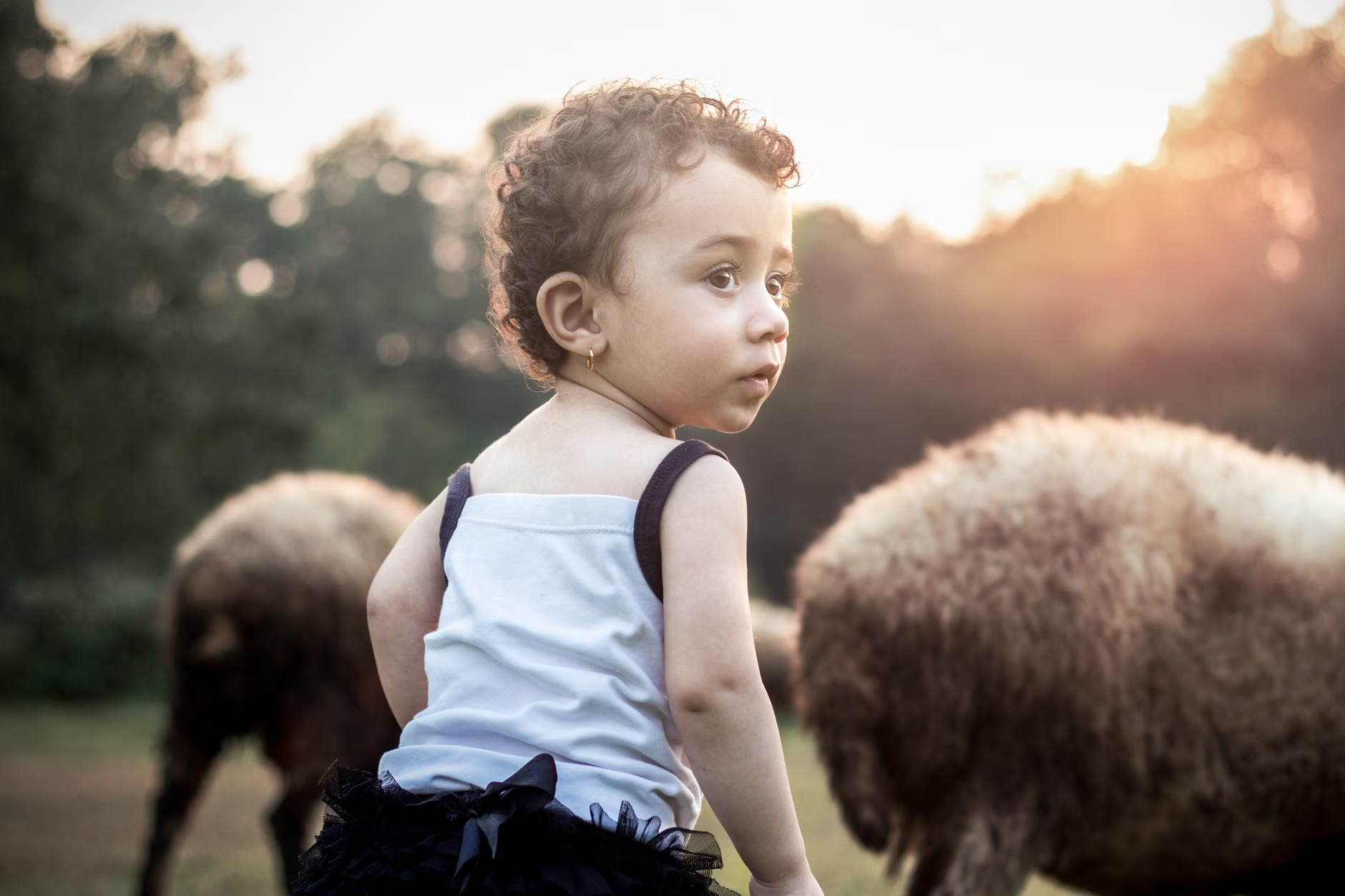
Why does this matter for your child’s growth? Research in environmental psychology suggests that “green time”—direct exposure to nature—is linked to improved attention spans and reduced stress levels in children. For a toddler, a farm is not just a place to stay; it is a laboratory for life skills.
The Sensory Diet of a Farm
Modern childhood is often dominated by smooth surfaces, controlled indoor temperatures, and digital screens. On a farm, a toddler encounters a “sensory diet” that is far more complex. They feel mud, straw, and wood. They hear the distinct sounds of different animals, the wind in the trees, and the hum of machinery. These tactile inputs are crucial for developing fine and gross motor skills. When a toddler balances on a log or tries to hold a handful of grain, they are performing complex neurological tasks that are far more beneficial than staring at a tablet screen.
Building Emotional Regulation
One of the most significant challenges for parents in their 30s is managing toddler tantrums. While there is no magic bullet, the “rhythm” of a farm is inherently calming. Animals have natural cycles—feeding times, milking times, and resting times. Following this rhythm can help regulate a toddler’s internal clock. If the farm has a routine, your child will naturally transition into it. Knowing that “the goats get fed after breakfast” provides a sense of predictability that toddlers crave.
Choosing the Right Farm-Stay: A Strategic Approach
Not all farm-stays are created equal. Some are “working farms” where you are expected to participate in chores, while others are “boutique retreats” that happen to be located on a farm. For a family with a toddler, you need to be strategic about what you sign up for.
| Farm Type | Best For | Parental Effort |
|---|---|---|
| Working/Educational Farm | Active toddlers (3+), parents who want to teach farming skills. | High (Participatory) |
| Boutique/Luxury Farm-Stay | Parents seeking relaxation, high-quality amenities, and safety. | Low (Hands-off) |
| Permaculture/Orchard Stay | Quiet, nature-focused families, minimal animal interaction. | Medium (Exploratory) |
When booking, use these three criteria to filter your options:
- The “Fencing” Rule: Does the accommodation have a private, fenced yard? If the answer is no, you will be on “high alert” the entire time, which defeats the purpose of a vacation.
- The “Morning Routine” Availability: Does the host offer a “feed the animals” session at a time that works for your toddler’s wake-up schedule? If they do, this becomes your reliable, guaranteed activity for the day.
- Proximity to Essentials: How far is the nearest pharmacy or grocery store? Even if you are looking for an “off-the-grid” experience, a toddler’s sudden fever or a run-out of specific milk/snacks can turn a peaceful trip into a logistical nightmare. Aim for a maximum of 30 minutes from civilization.
Common Mistakes and How to Avoid Them
Even with the best planning, parents often fall into traps that can derail the experience. The most common mistake is over-scheduling. Just because the farm offers a tractor ride, a vegetable picking session, and a craft workshop doesn’t mean you need to do all three in one day.
Toddlers have a “limited battery” for novelty. If you do too much, you will hit the wall by 3:00 PM. Instead, adopt a “one-big-thing” policy. Choose one primary activity per day, and leave the rest of the time for “unstructured play.” This means letting your child sit in the dirt, look at a bug for 20 minutes, or just run in circles. This is not “wasted time”; this is exactly what they need to process the environment.
Another mistake is failing to pack for the specific climate and environment. Farm-stays are often damp, muddy, or dusty. If you don’t bring the right gear, you will end up spending your time cleaning your child’s clothes instead of enjoying the view. Pack more rubber boots, waterproof overalls, and changes of clothes than you think you need. Assume everything will get dirty, and you will be much happier.
The Hidden Costs and Trade-offs
While farm-stays are often more budget-friendly than luxury resorts, there are “hidden” trade-offs. One is the level of service. You are usually staying in a self-catering unit. There is no room service, no daily housekeeping, and often no restaurant on-site. If you are a parent who finds cooking on vacation to be a chore rather than a delight, you need to plan for this.
To mitigate this, prepare “meal kits” before you leave home. Pre-chop vegetables, bring pre-marinated proteins, and have a clear plan for your first two dinners. This prevents the “what are we eating?” stress that hits when you arrive at a rural location after a long drive with a tired toddler.
Another trade-off is the lack of digital connectivity. Many farm-stays intentionally limit Wi-Fi to encourage the experience. If you are a parent who needs to check emails or handle work, this can be a significant point of friction. Always check the internet speed and reliability before you book. If it’s poor, you must be prepared to be truly “offline,” which is a mental shift that requires preparation.
Maximizing Your Time: A Sample Daily Flow
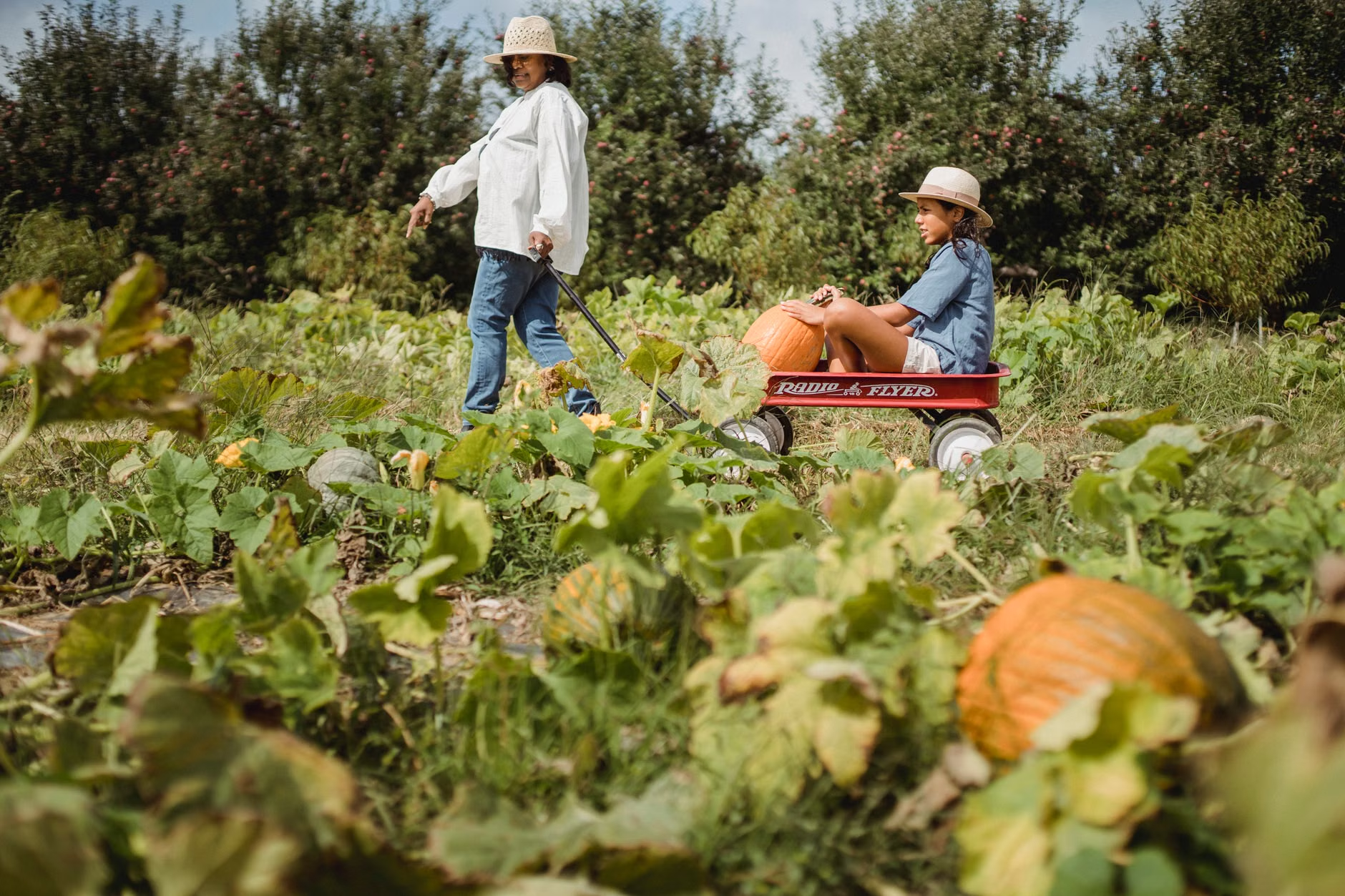
To give you a better idea of what this looks like in practice, consider this hypothetical daily structure designed for a toddler’s needs:
- 7:30 AM: Natural wake-up. No screens. Go straight to the porch or yard.
- 8:30 AM: Breakfast on the farm. If the farm provides fresh eggs, make them together. This is a great time to talk about food sources.
- 10:00 AM: The “Big Activity.” This is when you visit the animals or go for a walk in the orchard. The toddler is most alert and cooperative now.
- 12:30 PM: Lunch. Keep it simple—picnic style if the weather is good.
- 1:30 PM: Nap/Quiet Time. This is non-negotiable for the parents’ sanity.
- 3:30 PM: Low-energy play. Drawing with sticks in the dirt, reading books on the porch, or watching the sunset.
- 6:00 PM: Early dinner and bedtime routine.
This flow is sustainable. It respects the toddler’s biological needs and ensures that the parents are not constantly managing crisis situations. The goal is to reach a state where you are a “co-explorer” rather than a “manager.”
Insights Beyond the Obvious
One overlooked variable in farm-stays is the personality of the host. In a hotel, you interact with staff who are trained to be professional and distant. In a farm-stay, you are often interacting with the owners who live on the property. This personal connection can be the highlight of the trip or a major downside if you value total privacy.
If you are an introvert, look for “self-check-in” farm-stays where the interaction is minimal. If you are looking for a community experience, look for farms that host communal dinners or workshops. Do not be afraid to message the host before booking and ask, “How much interaction do you have with guests?” A good host will be honest about their style.
Additionally, be mindful of the “allergies and safety” aspect. If your child has severe animal allergies, a petting-zoo-style farm-stay is obviously not the right choice. Always ask about the specific animals on the farm—some may be free-roaming, which can be intimidating for a small child. Ensure the farm is comfortable with the level of animal exposure you want for your child.
Final Thoughts for Your Next Escape
The agritourism farm-stay is not just a place to sleep; it is a way to recalibrate your family life. By removing the artificial constraints of city living and replacing them with the raw, honest rhythm of nature, you provide your toddler with the best possible environment for development and yourself with a much-needed break from the “performance” of modern parenting.
Start by identifying one or two farms in your region that meet the “safety/fencing” criteria. Don’t worry about finding the “best” one; just find one that offers the pace you need. Once you have made the booking, let go of the pressure to have a “perfect” vacation. The magic of the farm is in the unplanned moments: the look on your child’s face when they see a cow for the first time, or the quiet joy of a morning spent in a field. These are the memories that stay with you long after the trip is over.
You have the tools to make this work. Prioritize the safety of your environment, keep your schedule simple, and remember that your child’s curiosity is the only itinerary you really need.
Frequently Asked Questions
1. Are farm-stays really safe for toddlers who might try to touch everything?
Most reputable agritourism sites are very aware of child safety. They typically have designated “petting” areas where animals are calm and used to children. However, always treat the farm as a working environment. Before you let your child roam, walk the perimeter with the host, ask where the “off-limits” areas are (like machinery sheds or deep ponds), and always supervise your toddler during animal interactions. The “safety” comes from your active, yet relaxed, presence.
2. What if my toddler is afraid of animals?
That is completely normal. Many children have a “startle response” to large animals. If your toddler is hesitant, do not force the interaction. Instead, model the behavior from a distance. Let them watch you feed the animals or talk to them. Often, toddlers will come around on their own terms once they realize the animals are predictable. Choose a farm that has a variety of animals, including smaller ones like rabbits or chickens, which can be less intimidating than cows or horses.
3. Is it possible to find a comfortable, “non-rustic” farm-stay?
Absolutely. The industry has evolved significantly. Many modern farm-stays are essentially high-end boutique cottages that happen to be situated on agricultural land. Look for terms like “luxury farm-stay,” “farm retreat,” or “cottage rental” on booking platforms. These will often provide amenities like high-speed internet, modern appliances, and comfortable bedding, ensuring you don’t have to sacrifice your personal comfort for the sake of the experience.
For more information on finding verified agritourism locations, you can check resources like the Agritourism World directory or your local government’s agricultural department website, which often lists certified farm-stay operators.