The secret to a successful car-free island hopping trip is not avoiding the logistics, but embracing the “slow-travel” rhythm that forces you to actually disconnect from the frantic pace of modern parenting.
- The 1:1 Rule: Never plan more than one island transfer per 48 hours to prevent “transit fatigue” from ruining your downtime.
- The Luggage Limit: If you cannot carry all your family’s gear for 15 minutes of walking without stopping, you have too much—re-pack before you leave the house.
- Local Transit Anchors: Always book your accommodation within a 10-minute walk of the primary ferry terminal to eliminate the need for taxis or local buses with heavy luggage.
We’ve all been there: you arrive at a beautiful island destination, only to spend three hours arguing with a rental car agency, hunting for a parking spot in a town built for donkeys, and worrying about navigating narrow, unfamiliar roads. When you are in your 30s or 40s, balancing professional demands and parenting, the last thing you need is a “vacation” that feels like a logistical stress test. Car-free island hopping isn’t just a budget choice; it’s a deliberate strategy to reclaim your sanity.
Why Car-Free Travel is the Ultimate Parenting Hack
When you strip away the rental car, you remove the biggest source of vacation friction. No more car seat installations, no more hunting for gas stations, and—most importantly—no more road rage while trying to read a map in a foreign language. But the shift requires a change in mindset. Instead of thinking about “getting from point A to point B as fast as possible,” you start viewing the transit segments as part of the adventure.
The primary advantage here is predictability. Rental car availability can be erratic, and parking in island villages is notoriously difficult. By relying on ferries and walking, you are using systems designed for the geography of the island. When you take a ferry, you are free to sit with your kids, grab a coffee, or let them roam the deck. You aren’t tethered to the driver’s seat. This creates a “buffer zone” where you can transition between locations without the high-stress environment of a moving vehicle.
However, this comes with a trade-off: autonomy. You cannot leave at a moment’s notice to visit a hidden beach on the other side of the island. You are bound by the ferry schedule. For many parents, this limitation is actually a blessing. It forces you to explore the area immediately around your base, which usually leads to a deeper, more authentic experience of the local culture rather than a superficial tour of every tourist trap on a map.
The Logistics: Mastering the “Transit-to-Lodging” Gap
The most common mistake travelers make when going car-free is booking accommodation based solely on the view or the price, ignoring the distance from the port. If you are hauling two suitcases and a stroller, a “scenic 20-minute walk” to your hotel becomes a nightmare in the heat. Your golden rule should be: if it’s more than 800 meters from the ferry terminal, it better be reachable by a reliable, pre-booked shuttle or a very clear bus line.
When planning your route, use this decision framework to determine if a location is truly “car-free friendly”:
| Feature | Indicator of a Good Base | Red Flag |
|---|---|---|
| Port Accessibility | Walkable to lodging | Requires a taxi/private car |
| Local Amenities | Supermarket within walking distance | Only one hotel-attached restaurant |
| Secondary Transport | Reliable bus or bike rental | No options other than walking |
Before you commit to a booking, check the local municipal website or tourism board site (e.g., visit-island.com or similar official entities). Look for “Bus Timetables” rather than “Car Rental Agencies.” If the bus schedule is non-existent or clearly seasonal, you need to be prepared to walk or cycle. If you have younger children, renting a cargo bike or a high-quality stroller with all-terrain wheels is often the best investment you can make for the trip.

Packing Strategy: The “Carry-Everything” Test
If you are hopping between islands, you are your own porter. The “carry-everything” test is simple: can you walk from the ferry pier to your hotel with all your luggage in one trip? If the answer is no, you are carrying too much. In your 30s and 40s, you’ve likely learned that you don’t need half the things you pack. For an island trip, prioritize quick-dry fabrics and modular packing.
Use packing cubes to separate clothes by person and by activity. When you arrive at a new island, you don’t need to unpack your entire suitcase. You just pull out the “beach day” cube or the “evening dinner” cube. This saves immense amounts of time and keeps the hotel room clutter-free. Remember: clutter in a small hotel room equals stress.
Common mistake: bringing bulky, “just-in-case” items. If you are going to a warm climate, leave the heavy sweaters and formal shoes at home. If you are going to a cooler coastal region, use the “layering” principle. Three light layers are better than one heavy coat. Also, invest in a high-quality, lightweight daypack. This will be your primary bag for excursions, so ensure it has a dedicated pocket for water bottles and a secure area for passports and ferry tickets.
Ferry hopping is the heartbeat of your trip. However, ferry schedules change based on the season, wind conditions, and demand. Never rely on a printed schedule from a year ago. Always check the ferry operator’s official website 24 hours before your departure. In many Mediterranean or Southeast Asian island chains, ferries are canceled or delayed due to weather. Having a “Plan B” is not just good advice; it’s a necessity.
When you are traveling with children, the “Plan B” should always involve a comfortable place to sit. If you are delayed at a port, look for the “official” port café or terminal building. Avoid the temptation to wander too far once your departure time approaches. We once saw a family miss their ferry because they were busy getting gelato three blocks away—the ferry arrived early, loaded, and left while they were still paying for their cones. When in doubt, stay within sight of the pier.

Another overlooked variable is seasickness. If your family is prone to motion sickness, check the type of ferry you are booking. Large, heavy car ferries are significantly more stable than smaller, high-speed catamarans. If you have a choice, pay the extra money for the larger vessel. It’s worth the cost for the peace of mind alone.
The “Slow-Travel” Mindset for Families
The biggest psychological hurdle for parents in their 30s and 40s is the feeling that they need to “see everything.” On a car-free trip, you physically cannot. This is actually the main advantage. Instead of driving past ten sights, you will spend your time interacting with the one or two sights within walking distance of your home base.
This leads to deeper experiences. You might find a local bakery that only opens at 7 AM, or a small park where your kids can play with local children. These are the moments that stick in your memory, not the hurried photos from a crowded tourist lookout point you reached by car. When you slow down, you give your children the chance to actually observe the environment rather than just “touring” it.
To make this work, involve your children in the planning. Let them pick one activity for the day. If they are involved in the “how” (e.g., “should we walk to the beach or take the local bus?”), they are much more likely to be cooperative when the journey takes a bit longer. Treat the walk to the beach as part of the excursion—look for lizards, count the types of flowers, or play a game of “I Spy” with the architecture.
Handling the Unexpected: When Things Go Wrong
Even with perfect planning, things will go wrong. A ferry might be cancelled, or a hotel booking might have a glitch. The key to maintaining your sanity is to have a “buffer fund” and a “buffer day.” The buffer fund is an extra $200-$300 set aside specifically for “emergency logistics”—a private water taxi if the ferry is cancelled, or an extra night in a hotel if you are stranded by weather.
The buffer day is a day at the start or end of your trip where you have absolutely nothing planned. If you get stuck on an island for an extra 24 hours due to high winds, it doesn’t ruin your entire vacation schedule. It just eats into your buffer day. This removes the “panic” factor from travel disruptions. When you aren’t panicking, you can handle the situation rationally, which sets a much better example for your children.
If you encounter a language barrier or a confusing transit system, look for the “local professional” approach. Ask the person working at the hotel front desk or the local café owner. They know the actual, day-to-day reality of the transport system better than any app or website. Most locals are incredibly helpful if you approach them with respect and patience.
Final Thoughts: Why the Effort pays off
Car-free island hopping is undeniably more demanding than a standard fly-and-drive vacation. It requires more preparation, more physical stamina, and a higher tolerance for the unpredictable. But the reward is a type of travel that feels more human, more grounded, and significantly less stressful. You aren’t just moving through a landscape; you are participating in it.
By removing the car, you remove the barrier between you and the destination. You learn the rhythm of the tides, the schedule of the local buses, and the layout of the village streets. You return home not just with photos, but with a sense of having actually lived in a place, even if only for a few days. Start small—perhaps a two-island trip with a single ferry transfer—and see how the shift in pace changes your experience. You might find that once you go car-free, you never want to go back.
Frequently Asked Questions
Q: Is it really possible to manage island hopping with a toddler?
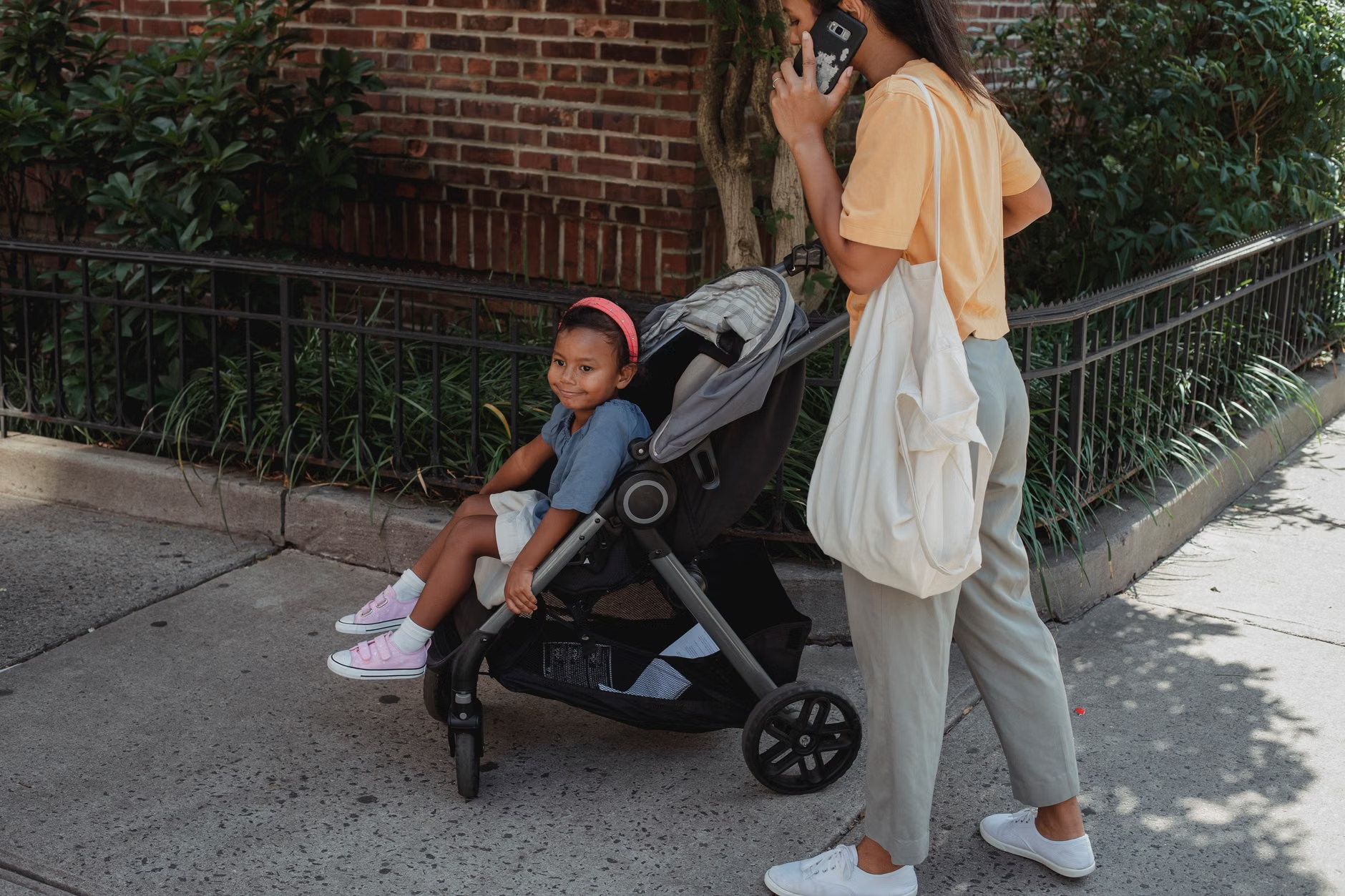
A: Absolutely, but the key is equipment. Invest in a high-quality, lightweight, one-hand-fold stroller that can handle uneven terrain, or a sturdy baby carrier for younger infants. Avoid heavy travel systems. If you are using a stroller, make sure the ferry you book has easy boarding access (ramps instead of steep stairs). Always prioritize ferries with passenger-only decks to avoid the exhaust fumes and crowded car decks.
Q: What if there is no public transport on the island?
A: If the island has no bus system and you aren’t comfortable walking everywhere, look for accommodations that offer “port pick-up” services. Many boutique hotels and guesthouses on smaller islands provide this for free or a small fee. Always verify this at the time of booking. If no such service exists, check if the island has a local bicycle or e-bike rental shop. E-bikes have changed the game for car-free island travel, allowing families to cover significant distances without the need for a car.
Q: How do I handle heavy luggage on ferries?
A: The best strategy is to avoid checking large bags. If you are using hard-shell suitcases, you are already at a disadvantage. Switch to high-quality, weather-resistant backpacks or duffel bags that you can carry on your back. This leaves your hands free to hold your children’s hands or manage strollers. If you must use luggage, ensure it has high-quality wheels that can handle cobblestones, but remember that you will eventually have to lift it onto a ferry deck, which often involves a gap or a set of stairs.
For more detailed ferry schedules and regional travel advice, please consult the official tourism portal of your destination or check reliable international transit aggregators like Ferryhopper for specific route planning and real-time updates. Always verify booking details directly with the ferry operator’s official website to ensure you have the most current information regarding safety and schedules.