Key Takeaways
- The Carbon Border Adjustment Mechanism (CBAM) is primarily a tax on industrial raw materials (steel, cement, aluminum, etc.), not finished consumer goods like clothing or electronics—at least for now.
- Price increases will likely be indirect; companies may pass on the costs of “greener” production or carbon permits to consumers, but this will be gradual rather than an overnight spike.
- Your biggest defense against rising costs is shifting toward “circular” habits: repairing, buying second-hand, and prioritizing high-quality items that last longer, reducing the total volume of goods you need to purchase.
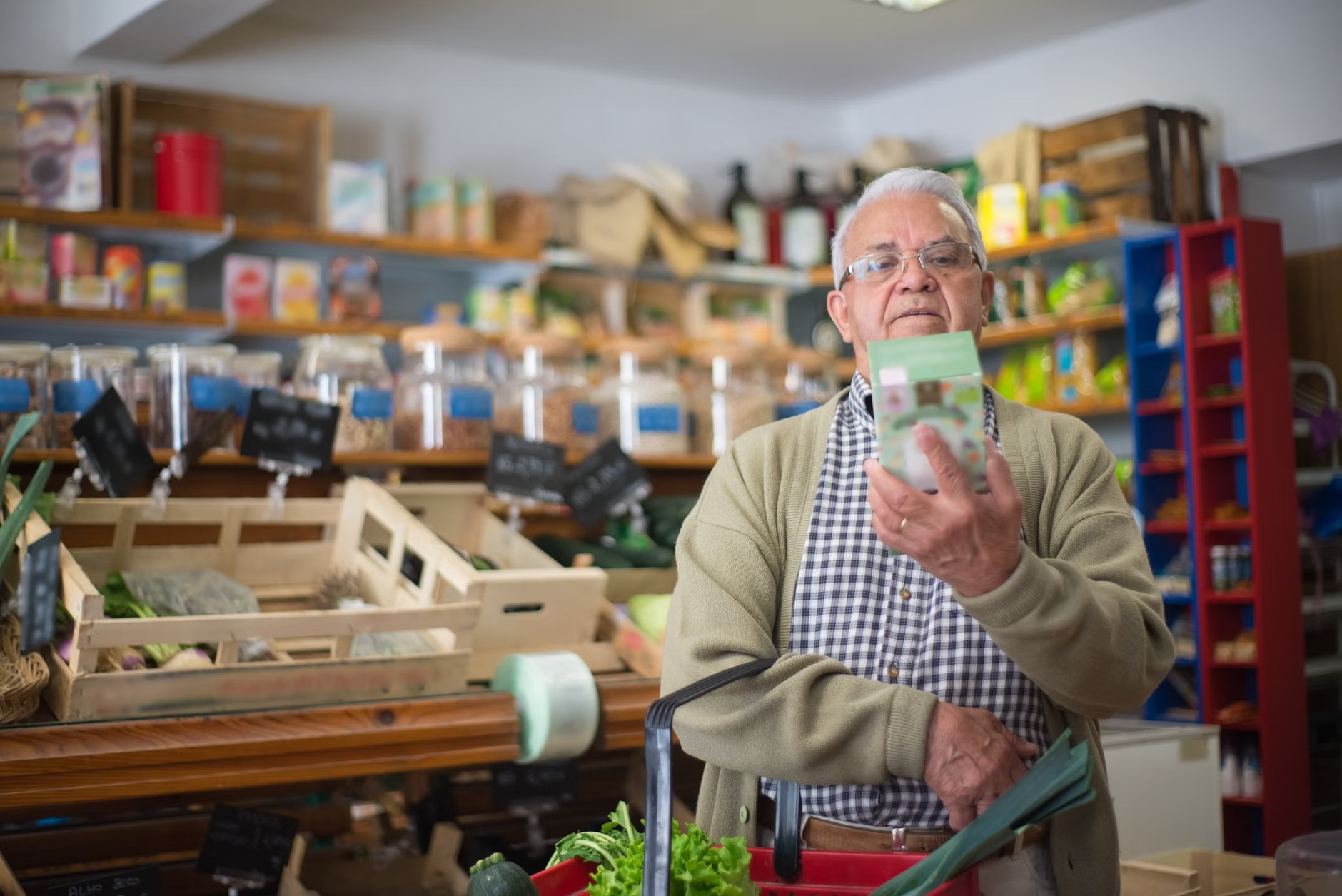
If you have been keeping an eye on the news lately, you might have noticed a recurring, somewhat intimidating term: the “Carbon Border Tax.” It sounds like something that would make your weekly trip to the grocery store or your online shopping sprees significantly more expensive. For those of us in our 30s and 40s, balancing the ever-increasing cost of living with the desire to make responsible choices for our families, the idea of a new tax on imports feels like another blow to the monthly budget.
But before we start panic-buying or assuming that every package arriving at the front door is about to see a 20% price hike, let’s take a breath. The reality is much more nuanced. This policy isn’t designed to punish the average consumer for buying a new blender or a pair of sneakers. It is a massive, complex piece of industrial policy intended to change how the world manufactures the “heavy” stuff. Understanding this will help you separate the fear-mongering from the actual economic impact on your household finances.
What Exactly Is the Carbon Border Tax?
To understand the impact, we have to look at what the “Carbon Border Adjustment Mechanism” (or CBAM, as the policy wonks call it) is actually doing. The core problem it addresses is “carbon leakage.” Imagine a company in a country with strict environmental laws. They have to pay for the carbon emissions they produce. Now, imagine a competitor in a country with no such laws. That competitor can produce steel, cement, or fertilizer much more cheaply because they don’t have to account for their pollution.
The CBAM is designed to level the playing field. When goods are imported into a region that has a carbon price (like the European Union), the importer has to pay a fee equivalent to the carbon cost that would have been paid if the product had been made locally. It effectively puts a price tag on the pollution embedded in the manufacturing process.
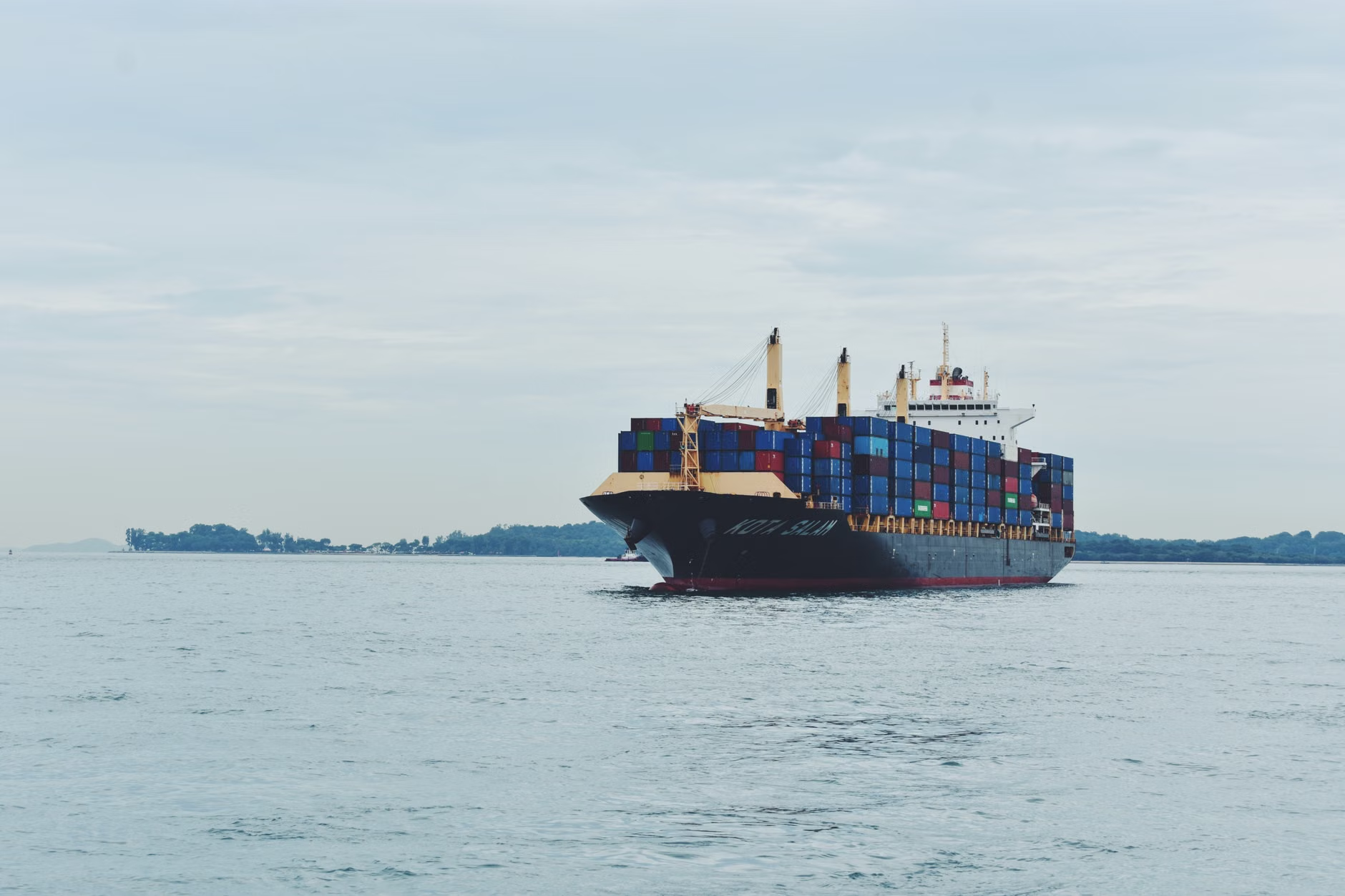
The crucial detail here is the scope. As of right now, the policy focuses on “high-carbon” sectors: iron and steel, cement, aluminum, fertilizers, electricity, and hydrogen. These are the building blocks of infrastructure and industrial production. When you buy a bag of flour, a plastic toy, or a cotton shirt, these items are not currently on the hit list. However, they are indirectly affected because they are transported via ships and trucks that use fuel, and they are often manufactured in factories that rely on electricity or steel-based machinery.
How Does This Actually Reach Your Wallet?
If the tax is on steel and cement, why should you care about your shopping cart? The answer lies in the “pass-through” effect. While you aren’t buying raw steel at the supermarket, the company that made your kitchen appliances, your car, or even the shelving units in your local store did. If those manufacturers face higher costs for their raw materials, they face a choice: absorb the cost, shrink their profit margins, or pass the cost on to you, the end consumer.
Let’s break down a hypothetical scenario to see how this ripples out. Suppose you are looking to replace your washing machine. A modern machine is made of significant amounts of steel and aluminum. If the manufacturer imports steel from a country that hasn’t invested in low-carbon production, they will have to pay the CBAM fee at the border. If that fee adds 5% to the cost of the steel, and steel makes up 20% of the total production cost of the machine, the manufacturer’s total costs might rise by about 1%. While 1% sounds small, in a competitive market, manufacturers often pass these costs to the retailer, who then passes them to you.
The “hidden” cost here is the transition period. We are currently in a phase where industries are scrambling to decarbonize. This transition is capital-intensive. You might see price increases not just because of the tax itself, but because companies are investing billions into new, greener technology—and they are looking to recover those investments through higher retail prices.
The Long-Term Shift: Why ‘Cheap’ Is Getting Harder to Find
For parents and busy professionals, the “cheap and fast” model of consumption has been a convenient crutch. We need things quickly, and we need them to be affordable. However, the carbon border tax is part of a broader global shift away from the “cheap at any cost” era. For decades, the global economy externalized the cost of pollution. We enjoyed low prices because the environmental impact was essentially being pushed onto the future (or onto other parts of the world).
As these costs are internalized, the era of ultra-cheap, disposable goods will likely come to a slow, grinding halt. This isn’t just about taxes; it’s about the cost of energy, the cost of waste management, and the cost of raw materials. If you are in your 30s or 40s, you are likely going to see a shift where “value” is redefined. A $20 item that lasts for three years will start to look significantly more attractive than a $5 item that lasts for three months.
This is where your household budget strategy needs to evolve. Instead of focusing solely on the sticker price, you will need to start factoring in the “cost per use” and the “longevity” of the products you buy. The carbon border tax is effectively a signal from the market that the “throwaway” culture is becoming an expensive luxury that most households can no longer afford.
Steps to Protect Your Household Budget
You don’t need to be an economist to navigate these changes. In fact, the best strategies are often the simplest ones that prioritize durability and intentionality. Here is how you can prepare your finances for an environment where carbon costs are increasingly integrated into the price of goods.
1. Prioritize ‘Buy It For Life’ (BIFL)
As industrial costs rise, the price of entry-level, mass-produced goods will likely climb. If you are buying a new vacuum, a blender, or furniture, look for brands that offer repairability. Check if they provide spare parts. A product that can be repaired for $20 is always cheaper than a new product that costs $150, even if the initial purchase price is higher.
2. The Power of the Second-Hand Market
The most climate-friendly and budget-friendly item is the one that already exists. By purchasing pre-owned goods, you are opting out of the carbon-tax-inflated supply chain entirely. Whether it is clothing, electronics, or home goods, the resale market is a powerful hedge against inflation. For parents, this is particularly effective for toys and children’s gear, which often have high turnover rates but high initial prices.
3. Audit Your ‘Replacement Cycle’
Many of us are in the habit of replacing items when they are slightly worn or when a new version comes out. By extending the life of your current possessions by even 20%, you reduce your overall consumption. This doesn’t just save money; it insulates you from the fluctuations of global commodity prices. If you don’t need to buy it, you don’t have to worry about the tax embedded in it.

The Hidden Trade-offs: Quality vs. Sustainability
There is a common misconception that “green” or “low-carbon” products are always more expensive. While this is often true in the short term, it isn’t a universal rule. Sometimes, the most carbon-efficient product is actually simpler and uses fewer materials. For example, a heavy, complex kitchen gadget with 20 plastic parts and an electric motor is much more carbon-intensive than a simple, high-quality stainless steel tool.
When you are shopping, look for “dematerialization.” This means choosing items that fulfill their purpose with less mass. A solid wood table is often more durable and has a lower carbon footprint than a particleboard table held together by toxic glues and metal fasteners that cannot be recycled. By choosing simpler, higher-quality materials, you are often making a choice that is both better for the environment and better for your long-term budget.
However, be cautious of “greenwashing.” Just because a product is marketed as “sustainable” or “eco-friendly” does not mean it is worth a 50% price premium. Often, the most sustainable choice is simply the one you already own. Before you fall for marketing that uses “carbon-neutral” as a justification for a higher price, ask yourself if the product is actually built to last or if it is just a more expensive version of a disposable item.
Managing Expectations in a Changing Global Market
It is important to remember that policies like the EU’s CBAM are still in their infancy. They are being implemented in phases, and they are subject to intense political and economic debate. Other countries are watching closely, and some are considering their own versions of carbon border adjustments. This means that we are in for a period of adjustment where global trade rules will be in flux.
For your household, this means that price volatility might become a reality. You might see the price of certain imported goods fluctuate based on trade agreements and carbon pricing updates. The best approach is to build a “buffer” into your budget. If you know you have a major purchase coming up—like a new appliance or a vehicle—start saving early and keep an eye on the long-term trends rather than reacting to short-term price spikes.
Don’t be overwhelmed by the complexity. The carbon border tax is a macro-economic tool, not a personal tax on your shopping habits. While it will influence the cost of goods over time, it is not something that requires you to change your life overnight. By focusing on quality, reducing unnecessary consumption, and embracing the second-hand market, you are already ahead of the curve.
Common Questions About Carbon Taxes and Shopping
Does the carbon border tax mean everything I buy from overseas will get more expensive?
Not necessarily. The tax currently applies to specific, carbon-intensive industrial raw materials like steel, cement, and aluminum. While this can increase the manufacturing cost of goods made with these materials, many other products (like textiles, electronics, or food) are not directly affected by the current scope of the policy. Furthermore, many companies are innovating to lower their carbon footprint, which can offset the need to pay these taxes.
How can I tell if a product I’m buying is subject to these taxes?
As a consumer, you generally won’t see a “carbon tax” line item on your receipt. These taxes are paid by the importers at the border, not by the end-user. The impact is felt through the final retail price. If you want to support low-carbon goods, look for certifications regarding the source of materials or company sustainability reports, but don’t expect to see “CBAM-taxed” labels on your shopping items.
Should I stop buying imported goods to avoid these costs?
There is no need to boycott imports. In fact, many countries with strict environmental regulations are also the ones exporting high-quality, durable goods. Instead of focusing on where a product is made, focus on its quality and longevity. A high-quality, durable item—even if it is imported—is often a better investment than a cheap, low-quality item made locally that will break in a year. Value for money and durability remain the best metrics for your budget.
Final Thoughts: A More Conscious Way to Shop
The introduction of carbon border taxes is a significant step toward a more transparent global economy. It acknowledges that the cost of pollution should be part of the cost of production. While this will undoubtedly lead to shifts in pricing and market availability, it is ultimately a transition toward a more sustainable future. For your household, it is an opportunity to move away from the “disposable” mindset and toward a more intentional way of managing your home and your resources.
You don’t need to worry about the complexities of international trade policy every time you head to the store. Focus on the things you can control: buying less, buying better, and maintaining what you already have. By treating your possessions as assets that require care and longevity, you are not only protecting your budget from the ripple effects of global carbon policy, but you are also building a more sustainable and manageable home environment for your family.
Stay informed, prioritize quality over convenience, and remember that your spending habits are a vote for the kind of world you want to live in. As the market shifts, your ability to adapt and prioritize will be your greatest financial advantage.
For more detailed information on how these policies are developing, you can refer to the official resources provided by the European Commission regarding the Carbon Border Adjustment Mechanism (CBAM). Staying updated on these official channels is the best way to distinguish fact from speculation as the policy evolves.