The most effective way to travel with a toddler isn’t by chasing tourist landmarks or managing strict schedules; it’s by choosing an agritourism farm stay that prioritizes sensory exploration over high-intensity itineraries.
- Sensory Development: Farm stays offer unstructured, hands-on environments that naturally support toddler sensory processing and motor skills better than traditional resorts.
- The “Low-Stimulus” Advantage: By eliminating the pressure of “must-see” attractions, parents can significantly lower their own cortisol levels, leading to a more restorative break for the whole family.
- Vetting for Toddlers: Always verify that the farm is “working” but “visitor-safe”—look for fenced play areas and age-appropriate animal interaction protocols rather than just scenic views.
If you have spent your last few vacations frantically trying to time museum visits around nap schedules or worrying about whether your toddler’s meltdown is bothering a fancy hotel’s clientele, you are not alone. Parenting in your 30s and 40s often feels like a constant negotiation between “I need a break” and “this kid needs constant stimulation.”
Agritourism—the practice of visiting a working farm or agricultural operation for educational or recreational purposes—has emerged as a quiet hero for families. It isn’t just about petting goats; it is about reclaiming the pace of your family life. When your daily routine is dominated by screens, traffic, and rigid timelines, a farm stay offers a radical, slow-motion reset.
Why the Farm Stay Model Beats the Traditional Resort
When you book a standard resort, you are paying for a curated experience that often demands you participate in its infrastructure: the pool schedule, the buffet hours, the kids’ club drop-off times. Agritourism flips the script. The “infrastructure” here is nature, which is inherently more forgiving.
For a toddler, the world is a series of sensory inputs. A city street is loud, fast, and often dangerous. A farm is a controlled, safe environment where “loud” just means a tractor in the distance and “fast” is a chicken running across the yard. This environment lowers the stakes for parents. If your toddler decides to sit in the dirt for an hour, it isn’t an inconvenience; it’s the activity.
The Neurodevelopmental Benefits of Dirt and Animals
Research into child development consistently highlights the importance of “green time.” Exposure to diverse microbial environments (yes, the dirt) has been linked to stronger immune systems. Beyond the physical, the cognitive benefit of interacting with animals and plants provides a foundational understanding of cause and effect. A toddler learns that a tomato doesn’t come from a plastic container—it comes from a plant that needs water and sun.
In our daily lives, we often rush through these lessons. On a farm, you have the space to let your toddler watch a bee for ten minutes. That is not wasted time; that is deep focus work for a developing brain. For parents, this is the ultimate hack: the environment keeps the child occupied, allowing you to actually sit, breathe, and drink a coffee while it’s still hot.
How to Select the Right Farm for Your Family
Not all farms are created equal. Some are “educational centers” that feel like schools, while others are “homesteads” that might not be toddler-proofed. To avoid a disaster, you need to apply a strict filter during your booking process.
The “Working Farm” vs. “Farm-Themed Resort” Distinction
You need to decide what you are looking for. A “working farm” means the farmers are actually busy. This is authentic, but it means the animals might be in pastures far away, and the farm might not have a dedicated play area. A “farm-themed resort” is designed for guests. It usually has petting zoos, safer fences, and perhaps a swimming pool.
| Feature | Working Farm | Farm-Themed Resort |
|---|---|---|
| Atmosphere | Authentic, quiet, rustic | Polished, social, structured |
| Child Safety | Variable (requires vigilance) | High (fenced areas) |
| Interaction | Observational | Hands-on (feeding, petting) |
Decision Criteria: If your toddler is under three, prioritize the “Farm-Themed Resort” or an “Agritourism-Certified” farm. These locations have undergone health and safety inspections specifically regarding animal interaction and child-safe zones. If your child is four or older, a working farm offers a better “learning” experience.
Realistic Logistics: Managing the “Farm Life” Reality
It is easy to romanticize the farm stay. You imagine yourself reading a book on a porch while your child plays with a gentle lamb. The reality? Farms have mud, insects, and early mornings. If you aren’t prepared, these will become sources of frustration rather than charm.
The “Mud Management” Protocol
The most common mistake parents make is bringing city clothes. Leave the white sneakers at home. Pack high-quality rubber boots and multiple sets of outdoor play clothes that you don’t mind getting stained. If you are visiting a humid climate, bring more insect repellent than you think you need. A toddler covered in mosquito bites is a toddler who won’t nap, which means you won’t get a break.
The Schedule Trap
Most farms have a “morning chore” time. Check the schedule before you book. If the farm expects guests to be at the barn at 7:00 AM, and your toddler is a late sleeper, you will be miserable. Choose a place that offers flexible interaction times. The best agritourism spots treat the farm as a backdrop, not a mandatory performance.
Hidden Costs and Unexpected Trade-offs
When you book through platforms like Airbnb or specialized farm-stay websites, check the amenities list with a fine-tooth comb. Does the unit have a kitchen? This is non-negotiable for parents of toddlers. You cannot rely on farm-to-table dining if the kitchen closes at 6:00 PM and your toddler has a specific dinner routine.
Hidden Variable: Connectivity. Many rural farms have limited Wi-Fi. If you are a parent who needs to check emails or use streaming services to calm a toddler, you must verify the internet speed. Don’t assume “Wi-Fi included” means high-speed fiber; it often means a router struggling to reach a thick-walled stone farmhouse.
The Trade-off: Proximity to civilization. Farms are, by definition, remote. If your child has a medical emergency, how far is the nearest urgent care? This is a cynical but necessary thought for any responsible parent. Check the map before you confirm your booking. If you are more than 45 minutes from a proper medical facility, have a clear plan for minor issues like fevers or cuts.
Common Misconceptions About Animal Interaction
Many parents assume that “farm stay” means the toddler will be able to handle any animal on the property. This is a dangerous misconception. Farm animals are large, unpredictable, and potentially territorial—especially if they have young of their own.
The “Safe Interaction” Rule: Never allow your toddler to enter an animal enclosure without the explicit permission and presence of the farmer. Even a “tame” goat can knock over a toddler by accident. Teach your child to approach animals from the front (so they see them coming) and to use the “two-finger touch” (or palm-out) method rather than grabbing fur or tails.
If the farm offers “feeding sessions,” watch the animals’ body language. If they are swarming or pushing, that is not the right environment for a toddler. Step back. Your goal is to foster a love for nature, not to traumatize your child with a pushy sheep.
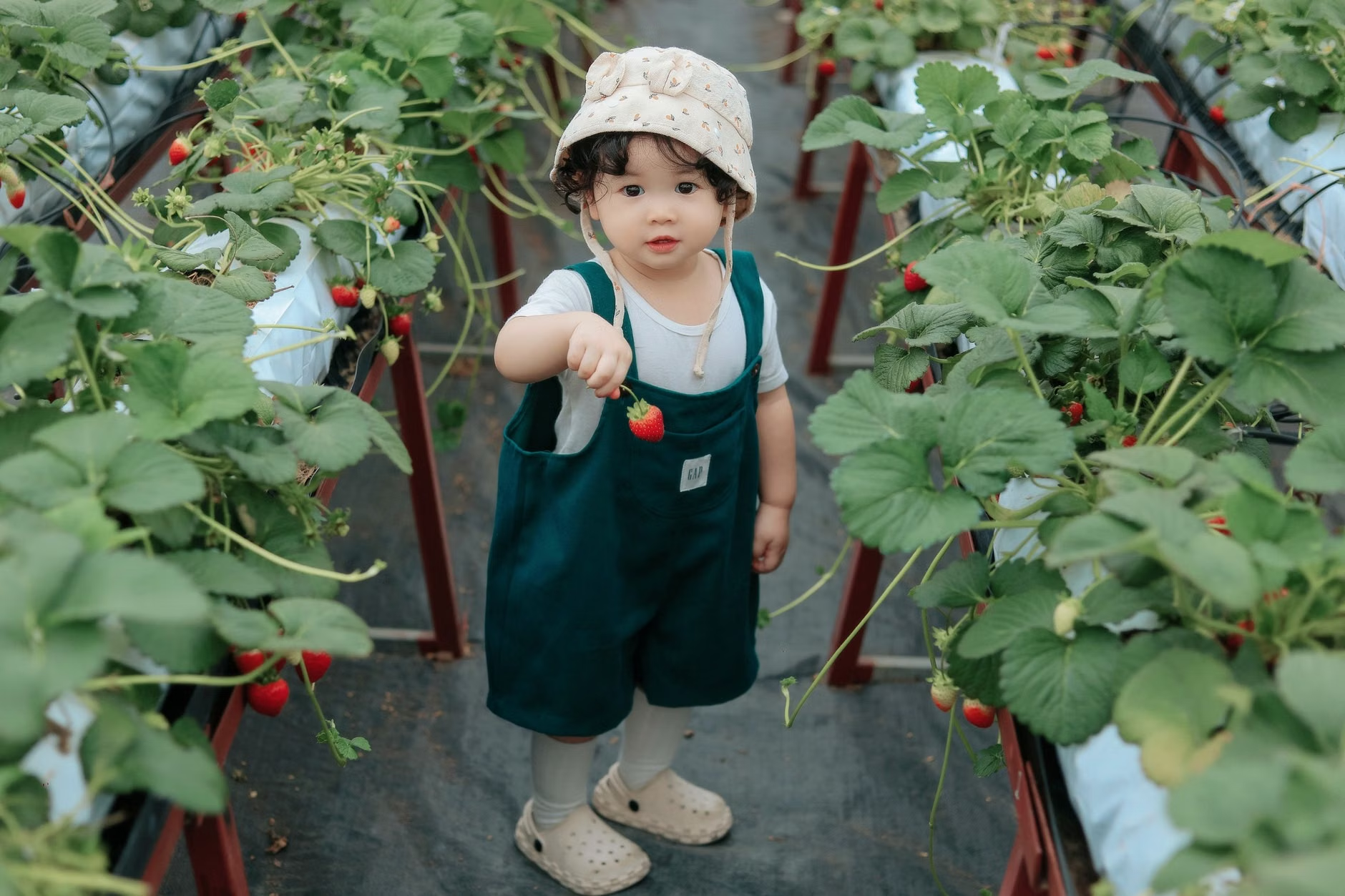
Step-by-Step: Planning Your First Farm Stay
If you have decided to take the plunge, don’t just click “book” on the first pretty picture you see. Follow this sequence to ensure success:
- Identify your “Must-Haves”: Do you need a laundry machine? A bathtub (for easy toddler washing)? A kitchen? List these out.
- Filter by “Toddler-Friendly” Amenities: Look for reviews that mention safety gates, high chairs, or sandbox areas. If the reviews don’t mention kids, assume it isn’t set up for them.
- Contact the Host Directly: Send a quick message: “We are traveling with a toddler. Is the outdoor area enclosed, and are there any specific safety protocols we should know about?” Their response will tell you everything you need to know about their hospitality level.
- Plan for the “Transition”: The first night on a farm can be scary for a toddler—different sounds, different bed, different smells. Bring a familiar blanket or a “lovey” from home.
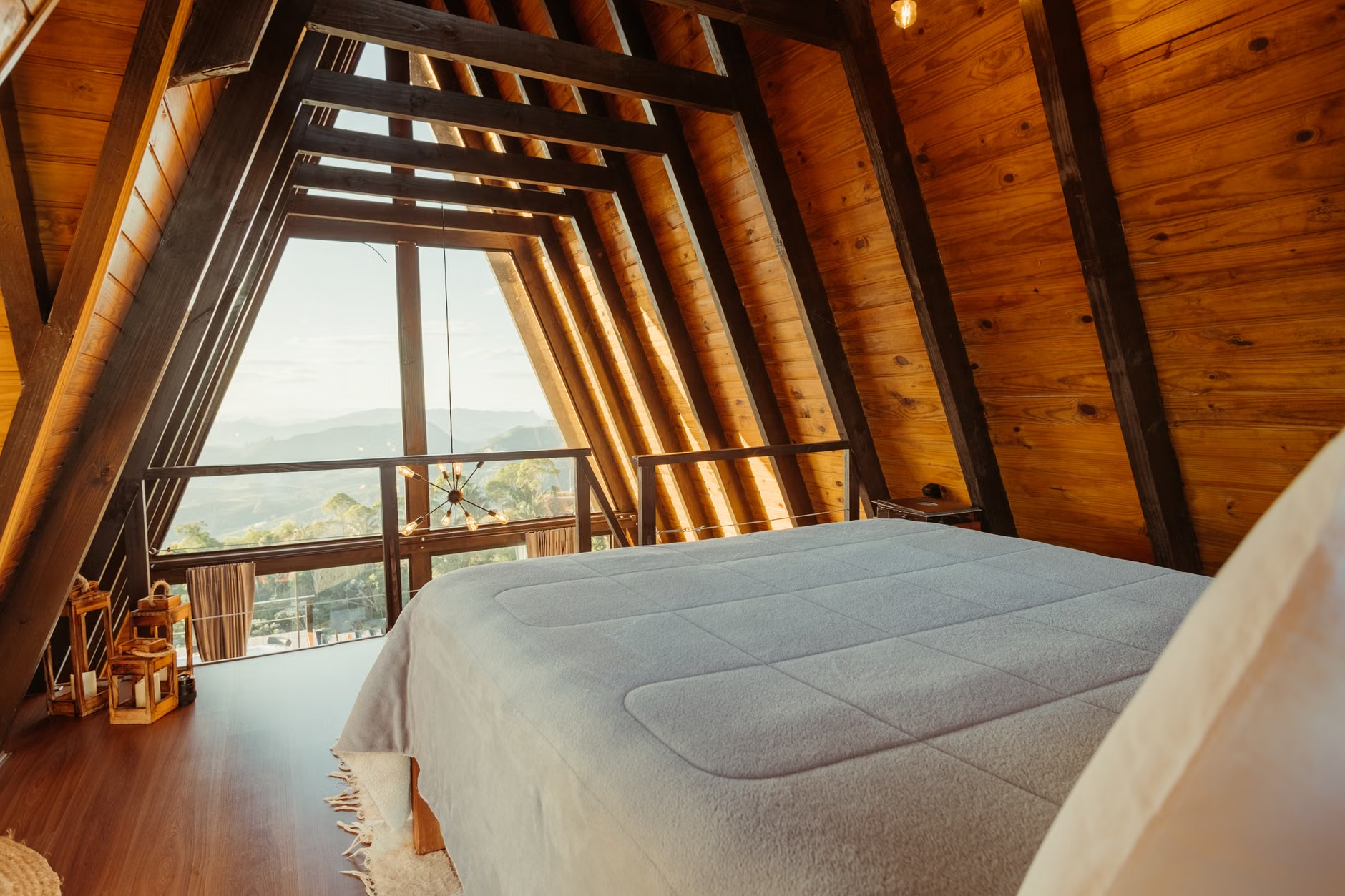
The Psychological Reset for Parents
We often talk about vacations as things we “do.” We do the beach, we do the city, we do the theme park. Agritourism is something you “be” in. The change in pace is the actual product you are buying. When you are on a farm, the urge to check your phone decreases because the visual landscape is more engaging than a screen, and the auditory landscape is more soothing than the hum of a city.
For parents in their 30s and 40s, this is a form of digital detox by proxy. Your toddler is busy watching a duck, so you aren’t needed to facilitate play. You are just there, existing in the same space. This is the “parallel play” of adulthood—being together without the pressure of constant interaction. This is where the recharge happens.
A Note on Seasonality and Expectation Management
One final piece of advice: know what the farm is doing during your visit. If you go to a fruit farm in the off-season, there will be no fruit. If you go to a dairy farm in the winter, the animals might be kept indoors. Check the farm’s harvest calendar. A farm stay is significantly more engaging when there is a “purpose” to the day—picking berries, collecting eggs, or helping with a seasonal cleanup.
If you manage your expectations, you avoid the disappointment of a “boring” trip. Remember, the goal is not to have a perfectly planned adventure; the goal is to provide a space where your toddler can be a toddler, and you can be a human who isn’t currently managing a crisis.
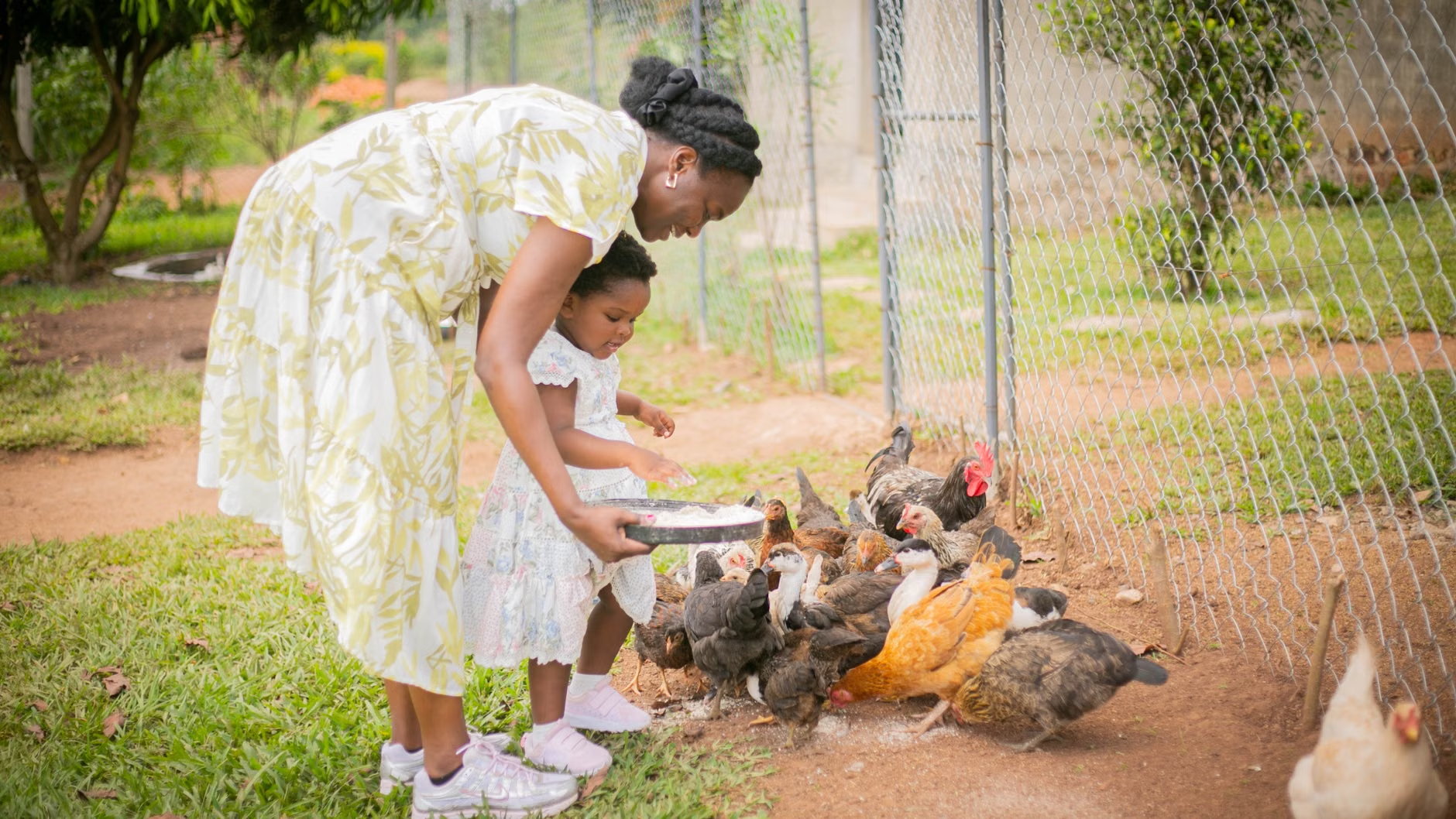
Final Thoughts: Why This Is the Best Investment for Your Family
Choosing an agritourism stay is choosing to value presence over performance. In a world that demands we document every moment, there is something profoundly grounding about a place where the most important event of the day is a cow chewing grass. For your toddler, it is a classroom. For you, it is a chance to lower your heart rate and remember what it feels like to just exist.
Start small. Don’t try to book a week-long stay for your first attempt. A three-day weekend is the perfect testing ground. If it works, you will have found a recurring vacation model that grows with your child. If it doesn’t, you haven’t lost much. But chances are, once you experience that first quiet morning with a coffee in hand while your toddler is safely occupied by the simple magic of the outdoors, you won’t want to go back to the resorts.
Frequently Asked Questions
1. How do I know if a farm is actually safe for a toddler?
Look for farms that explicitly state they are “agritourism certified” or have specific “family-friendly” designations on booking platforms. Always ask the host if they have fenced-off areas for children to play in away from machinery or livestock. If they can’t answer that, it is likely not a safe bet for a toddler.
2. What should I pack for a farm stay that I wouldn’t pack for a hotel?
Beyond the usual toddler gear, prioritize high-quality rubber boots, rain gear (even if the forecast looks clear), a basic first-aid kit with extra antiseptic wipes for scrapes, and a portable white noise machine to mask the sounds of the countryside at night, which can be surprisingly loud for a city-dwelling toddler.
3. Is it worth paying more for a “luxury” farm stay?
“Luxury” in the context of a farm usually means better climate control, higher-quality mattresses, and a well-equipped kitchen. If your toddler is a light sleeper or needs a specific diet, the extra cost is absolutely worth it for the improved sleep and kitchen functionality. Don’t pay for “luxury” in terms of fancy decor; pay for the infrastructure that makes your life easier.
For more information on finding verified agritourism locations, you can browse resources like the WWOOF (World Wide Opportunities on Organic Farms) for potential host connections or check your local national agricultural department website for regional agritourism directories.
Disclaimer: Always verify local safety regulations and health advisories for livestock contact in your specific region before your trip. Travel plans should be made based on your family’s specific health and developmental needs.
Looking for more ways to simplify your family travel? Check out our guide on Minimalist Packing for Toddlers to keep your next trip as stress-free as your farm stay.