- Prioritize Luggage Weight: You are the sole porter of your gear; if you cannot carry it for 15 minutes, it does not belong in your suitcase.
- The 48-Hour Rule: Never book consecutive island transfers on the same day; always build in a buffer to account for ferry cancellations or weather delays.
- Hub-and-Spoke Strategy: Instead of moving hotels every night, choose one central island as a base and take day trips to neighboring islands to minimize transit stress.
The secret to a successful car-free island vacation is realizing that you aren’t just traveling—you’re navigating a logistics puzzle where the pieces are ferry schedules and the stakes are your children’s patience. For parents in their 30s and 40s, the appeal of ditching the rental car is obvious: no parking anxiety, no fuel costs, and a genuine chance to slow down. However, the reality of dragging four suitcases and a restless toddler onto a crowded ferry requires a shift in mindset from “tourist” to “expedition manager.”
Why Car-Free Travel is the Ultimate Reset for Families
When you remove the car from your travel equation, you stop seeing the island as a series of destinations and start seeing it as a community. Car-free travel forces you to slow down. You aren’t rushing to the next viewpoint; you are waiting for the bus, walking to the local bakery, and interacting with the environment in a way that driving simply doesn’t allow.
The psychological benefit is profound. Driving in a foreign country often involves navigating unfamiliar traffic laws, aggressive local drivers, and the constant stress of finding a parking spot in a crowded tourist town. By removing these stressors, you reclaim the mental bandwidth needed to actually connect with your family. You are no longer focused on the road; you are focused on the conversation.
However, this transition requires a different set of skills. You must become adept at reading local transit maps, understanding the rhythm of ferry services, and managing your family’s physical stamina. It is not about saving money—though it often does—it is about reclaiming the quality of your time.

Rule 1: The Art of Modular Packing
If you are traveling without a car, your luggage is your biggest liability. The “one-suitcase-per-person” rule is a trap. If you have two adults and two children, that is four heavy items that must be hauled onto buses, across cobblestone streets, and up flights of stairs. The gold standard for car-free travel is a modular, backpack-centric system.
Each family member should ideally carry a backpack that fits their stature. If the children are too young, the adults carry the load, but the goal is to keep hands free. Why does this matter? Because you will inevitably need one hand for a child, one for a ticket, and one to stabilize yourself on a moving ferry.
Consider the trade-off: You might need to do laundry halfway through your trip. Many families view this as a chore, but in the context of car-free travel, it is a strategic advantage. Packing for seven days instead of fourteen reduces your physical burden by half. Most coastal towns have laundromats or offer laundry services at local guesthouses. This one shift—packing light and planning to wash—is the single most effective way to eliminate travel stress.
Rule 2: Mastering the Hub-and-Spoke Logistics
One of the most common mistakes families make is trying to visit too many islands in a short period. The “island-hopping” myth suggests that you should spend two days on Island A, two days on Island B, and two days on Island C. In practice, this means spending 20% of your vacation in transit, checking in and out of hotels, and managing logistics.
Adopt the Hub-and-Spoke model instead. Choose one island that serves as your primary base—ideally one with good ferry connectivity and a variety of local transport options. Spend the majority of your time there, and use the ferry system for day trips to smaller, neighboring islands.
This approach provides several advantages:
| Strategy | Pros | Cons |
|---|---|---|
| Moving Every 2 Days | See more locations | High stress, constant packing, transit fatigue |
| Hub-and-Spoke | Stability, local immersion, less gear handling | Less “coverage” of the region |
For families, the Hub-and-Spoke model is almost always the superior choice. It allows you to establish a routine, find a favorite local cafe, and actually relax. When you aren’t worried about catching a 7:00 AM ferry with all your luggage, you have the flexibility to change plans if the kids are tired or the weather turns.
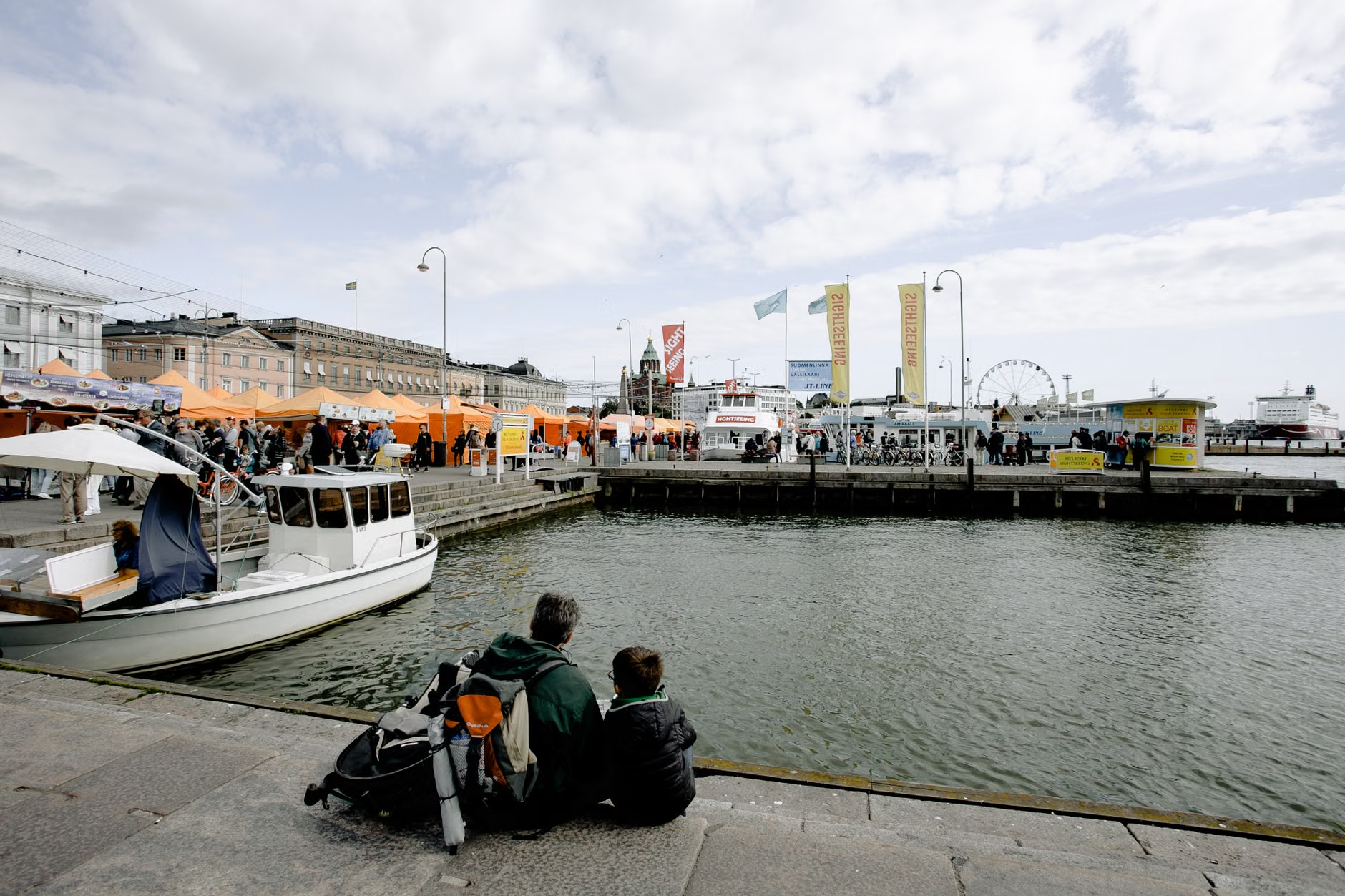
Public transport on islands is rarely as efficient as it is in major metropolitan cities. You must accept that schedules are suggestions rather than guarantees. This is where your “expedition manager” role comes in. Always have a backup plan.
If you are relying on local buses, check their official websites or social media pages—often, island transit authorities post real-time updates on platforms like Facebook or Twitter rather than their official sites. If a bus is delayed, have a “Plan B” ready. Is there a local taxi service? Can you rent bicycles? Is the walk manageable?
Common Mistake: Assuming all ferries run daily. In many regions, particularly in the off-season or in smaller archipelagos, ferries operate on a limited schedule. A ferry might run on Mondays, Wednesdays, and Fridays only. If you find yourself on an island on a Tuesday, you might be stuck. Always verify your departure options the moment you arrive on a new island. Do not wait until the morning of your departure to check the schedule.
Rule 4: The Physicality of the Walk
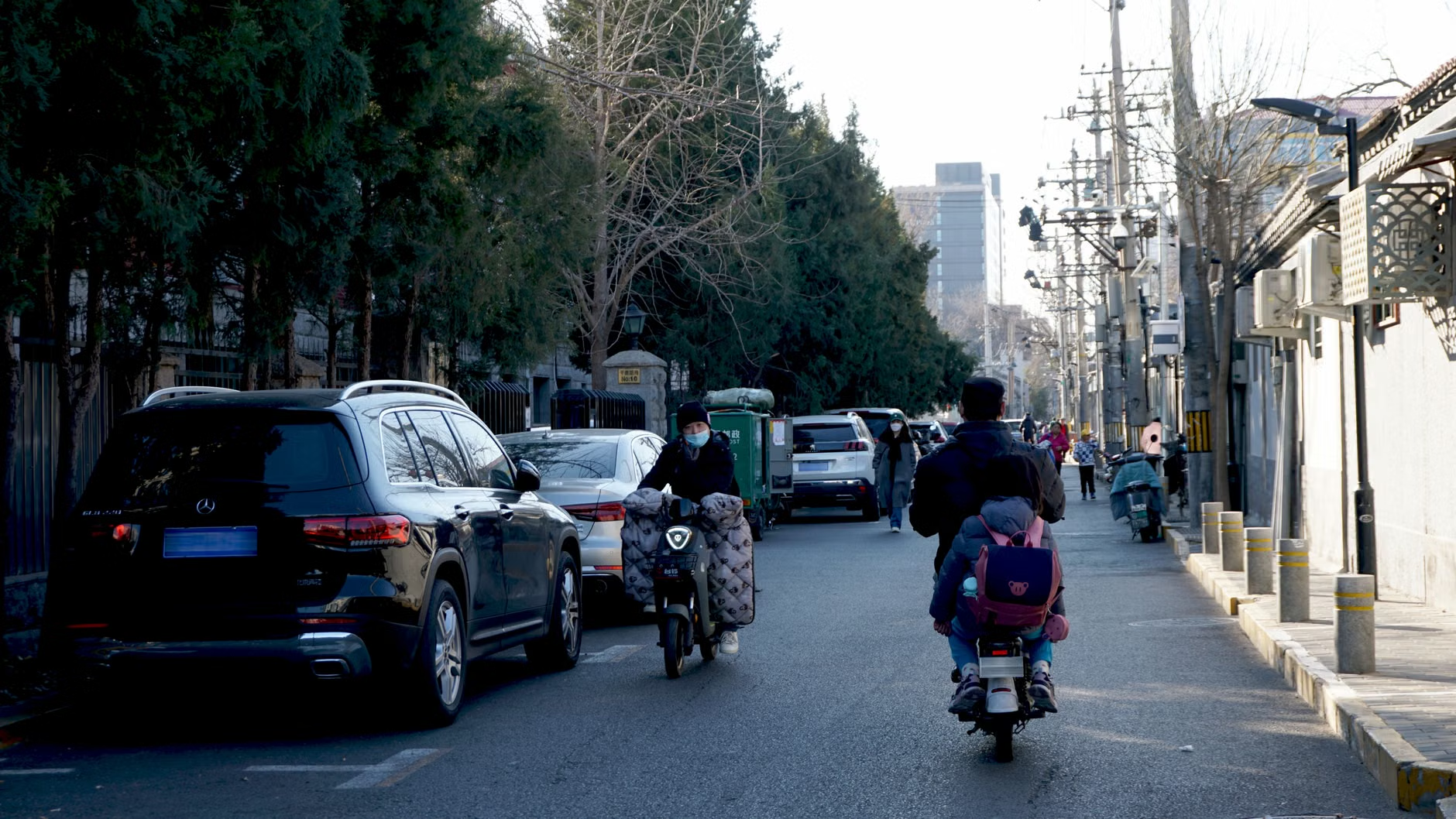
When you are car-free, you will walk more than you expect. This is a point of contention for many parents. If your children are not accustomed to walking, you will face resistance. The solution is to integrate “micro-breaks” into your day. Do not view the transit between your hotel and the beach as a chore; view it as part of the exploration.
If you have young children, a lightweight, foldable stroller is often cited as a must-have. However, consider the terrain. Many island villages feature steep, cobblestone streets that make strollers practically useless. A high-quality child carrier or a well-trained, walking-ready child is often a better asset than a stroller in these environments.
If you must bring a stroller, ensure it has large, durable wheels. Anything with small, plastic wheels will struggle on uneven surfaces. Test your gear at home on a rough surface before you leave. If it’s a struggle in your local park, it will be a nightmare on a Mediterranean island hill.
Rule 5: The Financial and Social Trade-offs
People often assume that being car-free is cheaper. While you save on rental fees, fuel, and insurance, you may end up spending more on private transfers, taxis, or convenience-based meals when transit options fail. It is important to account for these “hidden” costs.
For instance, if a ferry is cancelled due to high winds—a common occurrence in many island regions—you may need to book an extra night at a hotel or pay for a private water taxi. This is not a failure; it is a contingency. Budget an extra 15% of your travel fund specifically for “logistical flexibility.” Having this buffer allows you to make the stress-free choice rather than the panicked one when plans go awry.
Socially, being car-free changes your interactions with locals. When you are driving, you are an outsider looking in. When you are on a bus or walking, you are a participant in the local rhythm. You will find yourself asking locals for directions, sharing a bus seat, or getting tips on the best local beach from a shopkeeper. These interactions are the heartbeat of the travel experience, and they are only possible when you slow down enough to engage.
Advanced Troubleshooting: When Things Go Wrong
No matter how well you plan, you will face an unexpected challenge. Perhaps the bus doesn’t show up, or the ferry is delayed by four hours. The most important tool in your kit is your response to these moments. Your children will mirror your stress levels. If you treat a missed bus as an adventure or an opportunity to grab an extra gelato, they will, too.
Decision Rule: If an unforeseen event occurs, follow these three steps:
- Assess the hard deadline: Do you have a flight to catch, or a hotel check-in time? If yes, prioritize a taxi or private transfer immediately.
- Find the “Third Space”: If there is no deadline, find a cafe or a park near the station. Do not stand at the bus stop waiting. Move to a comfortable environment and rotate turns to check the status of the transport.
- Communicate: If you have a hotel booking, call them. They are often the best source of local intel and can provide advice on alternative routes that might not appear on your travel app.
The Reality of Island Infrastructure
It is worth noting that not all islands are created equal. Some, like the Greek Cyclades or the Balearic Islands, have robust transit networks that cater to tourists. Others, like the more remote islands in Southeast Asia or the Caribbean, may rely entirely on private boat charters or informal shared taxis. Before you commit to a car-free itinerary, research the “last mile” infrastructure of your destination.
Look for local government tourism sites rather than travel blogs. Official sites will often provide PDF schedules for local buses and ferry operators. If you cannot find a clear transit map, assume that public transport is limited and prepare accordingly. This is where the decision to hire a local guide or driver for one specific day might actually save your trip, allowing you to see the hard-to-reach areas while remaining “car-free” for the rest of your stay.
Remember that “car-free” does not mean “vehicle-free.” Taxis, shared shuttles, and even water taxis are perfectly acceptable tools for a car-free traveler. The goal is to avoid the responsibility and burden of managing your own vehicle. Use these services strategically to cover the gaps in public transit.
Finalizing Your Itinerary: A Step-by-Step Approach
To put this into action, start by mapping out your “Must-See” list. Then, overlay this with the ferry and bus routes. If a destination is more than two hours away by public transit, ask yourself if it is truly worth the effort. Often, we add destinations to our list simply because we saw them on Instagram, not because they offer genuine value to our family.
Once you have your list, look at the transit frequency. If a location requires three transfers, it is a recipe for disaster with children. Aim for simplicity. A trip where you spend four hours on a beach and one hour on a bus is far superior to a trip where you spend four hours on buses and one hour on a beach.
Finally, prepare your documentation. Have digital copies of all your tickets, schedules, and hotel addresses saved offline. In many remote islands, mobile data can be spotty. Do not rely on having a constant internet connection to navigate.
Closing Thoughts on the Car-Free Journey
Traveling without a car is an exercise in intentionality. It forces you to prioritize what matters: the experience of the place, the comfort of your family, and the quality of your time. You will face challenges—there will be missed buses, long waits, and moments of frustration. But there will also be the quiet joy of walking through a village as the sun sets, the thrill of hopping onto a boat with nothing but a daypack, and the pride of navigating a complex environment as a family unit.
Don’t strive for a perfect, seamless trip. Strive for one where you are present, engaged, and moving at a pace that allows you to see the world as it actually is, not just through the window of a rental car. Embrace the logistics, pack light, and enjoy the freedom that comes with knowing you are entirely self-sufficient.
Frequently Asked Questions
1. How do I handle luggage if my hotel check-in is hours before or after the ferry arrival?
Most hotels and guesthouses on islands are accustomed to this. Always contact your accommodation in advance to ask if they provide luggage storage. If they don’t, look for “left luggage” facilities at the port or train station. If neither is available, prioritize booking a central, reputable cafe or restaurant that might be willing to hold your bags for a small fee or the price of a meal. Never leave luggage unattended in public areas.
2. What is the best way to find reliable ferry schedules?
Avoid third-party booking aggregators if possible, as they often lag behind schedule updates. Go directly to the official operator’s website. If you are in Europe, sites like Ferryhopper are generally reliable, but always cross-reference with the official ferry company’s site. If you are in a region where digital schedules are unreliable, ask your hotel host upon arrival—they are the most accurate source of local transit reality.
3. Should I book all my ferry tickets in advance?
For peak tourist seasons, yes, book popular routes in advance to guarantee a seat. However, for smaller, more frequent routes, it is often better to buy tickets on the day of travel. This gives you the flexibility to change your plans if the weather turns or if you decide to spend an extra day on a particular island. If you are traveling with a large family, booking a few days in advance is a safe middle ground.
For further information on transit logistics and planning, visit the official tourism portals for your specific destination, such as the Greek National Tourism Organization or equivalent local authorities, which provide updated ferry and bus information relevant to your travel dates.