The “zero-proof” movement—the rise of high-quality, sophisticated, non-alcoholic beverages—is fundamentally reshaping how professionals in their 30s and 40s manage their social lives, prioritize their physical recovery, and maintain meaningful connections without the “hangover tax” that often follows traditional networking.
- The “Hangover Tax” is a career and parenting killer: For those in their 30s and 40s, the physiological cost of alcohol—sleep disruption and next-day fatigue—is now being weighed against the value of social events, leading to a shift toward zero-proof options.
- Quality over quantity in social settings: The zero-proof trend is not about total sobriety for everyone; it is about “mindful drinking,” where the focus shifts from the alcohol content to the experience, the taste, and the quality of conversation.
- Normalization is the new social currency: Ordering a non-alcoholic craft beverage is becoming a sophisticated social signal, indicating self-awareness and a commitment to personal performance, effectively removing the stigma once associated with “not drinking.”
If you are a parent juggling a career, school runs, and the occasional need to actually see your friends, you’ve likely felt the Sunday morning slump. That feeling isn’t just about age; it’s about the compounding interest of fatigue. When you hit your 30s, the margin for error shrinks. A late-night networking event that ends with one too many glasses of wine doesn’t just result in a headache; it results in a compromised Saturday morning with your children or a sluggish start to a high-stakes Monday project.
This is where the zero-proof shift enters the picture. It isn’t a radical prohibitionist movement. Instead, it is a pragmatic lifestyle pivot. It’s about being able to attend the birthday dinner, the professional mixer, or the backyard barbecue, and choosing a drink that feels like an adult beverage without the ethanol-induced fog.
Understanding the Shift: Why Now?
The rise of the zero-proof market is driven by a combination of better product availability and a cultural shift toward “bio-hacking” and performance optimization. In the past, the only non-alcoholic options at a restaurant were syrupy sodas or plain sparkling water. Today, the market for “adult” non-alcoholic drinks—distilled spirits, botanical-infused tonics, and craft mocktails—has exploded.
According to data from the IWSR (International Wine and Spirit Record), the market for no- and low-alcohol beverages is growing at a compound annual growth rate that consistently outpaces traditional alcohol categories in many developed markets. For the 30-to-45 demographic, this isn’t just a trend; it’s a response to a lifestyle that requires high energy and mental clarity.
Think of it this way: if you’re a parent, you’re essentially an athlete. You’re performing at a high level of endurance every single day. If a professional athlete avoided alcohol to maintain their performance, why would you treat your own mental and physical stamina any differently? The zero-proof shift allows you to participate in the “ritual” of the drink—the clinking of glasses, the complexity of a flavor profile—without the physiological trade-off.
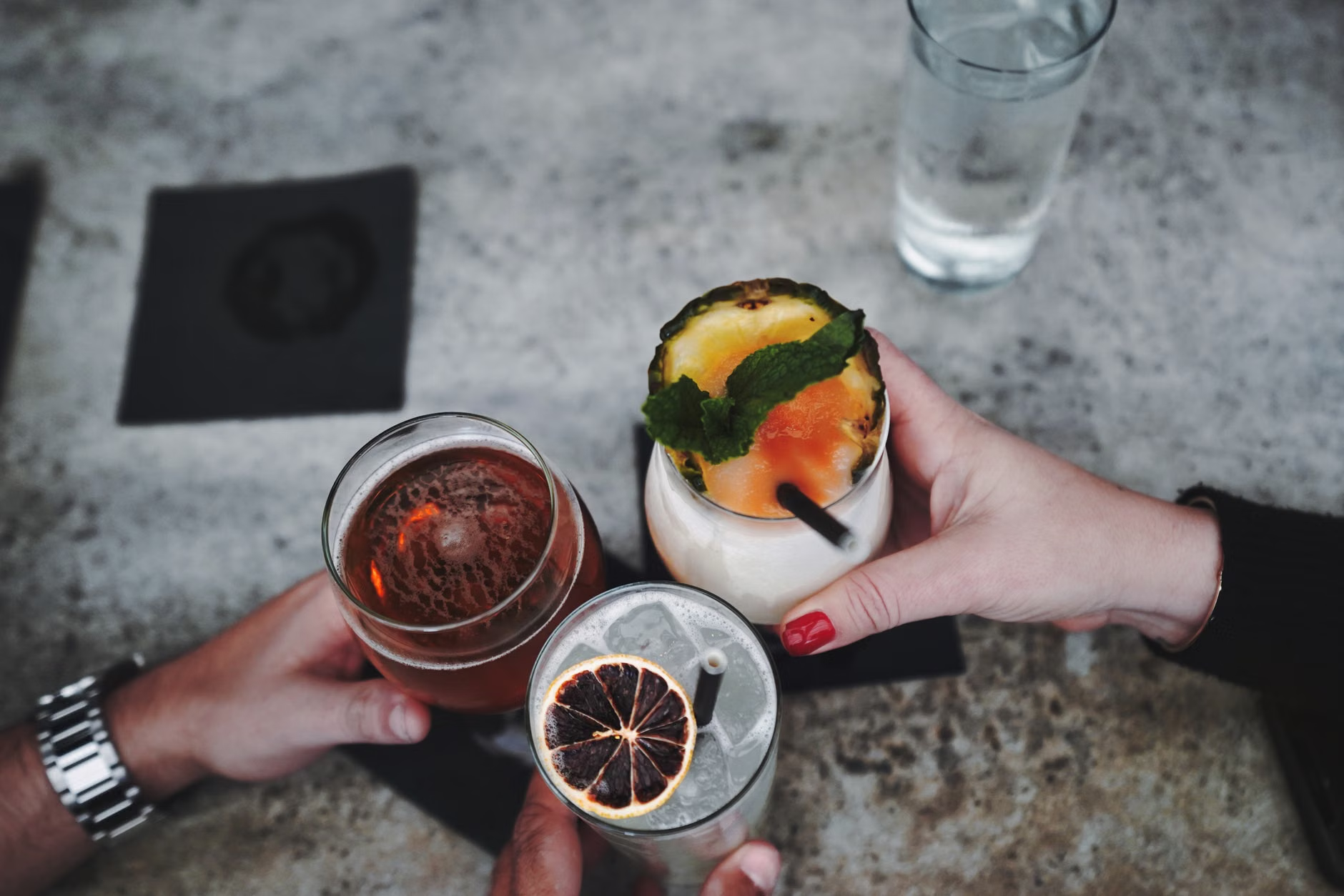
The Social Dynamics of Not Drinking
One of the biggest hurdles for people in their 30s and 40s isn’t the physical craving for alcohol; it’s the social pressure. We are hardwired for social cohesion, and in many cultures, the act of sharing a drink is a primary mechanism for building rapport. When you decline a drink, people sometimes perceive it as a rejection of the shared experience or a “judgment” on their own choices.
To navigate this, you need a strategy that shifts the focus from what you *aren’t* doing to what you *are* doing. Here is how to handle the social aspect without making things awkward:
- The “Flavor-First” Approach: When you order a zero-proof drink, treat it with the same respect as a sommelier treats wine. Ask about the ingredients. Is it a distilled botanical? Is it a shrub? By engaging with the drink’s complexity, you signal that you are there for the experience, not just to abstain.
- The “Pre-emptive Strike”: If you are attending a networking event, arrive early and be the first to order at the bar. It sets the tone for your evening and removes the “what are you having?” pressure later on.
- The “One-for-One” Rule: If you aren’t ready to go fully zero-proof, try the “one-for-one” method. For every alcoholic beverage, have one sophisticated non-alcoholic drink. This slows your consumption and helps you maintain control over your energy levels.
The Economics and Logistics of Home Hosting
If you are the one hosting, the zero-proof shift is a game changer. It makes your home a more inclusive space. Not everyone drinks, whether for health reasons, religious beliefs, pregnancy, or simply because they have to drive home. By providing high-quality, non-alcoholic options, you are being a better host, not a restrictive one.
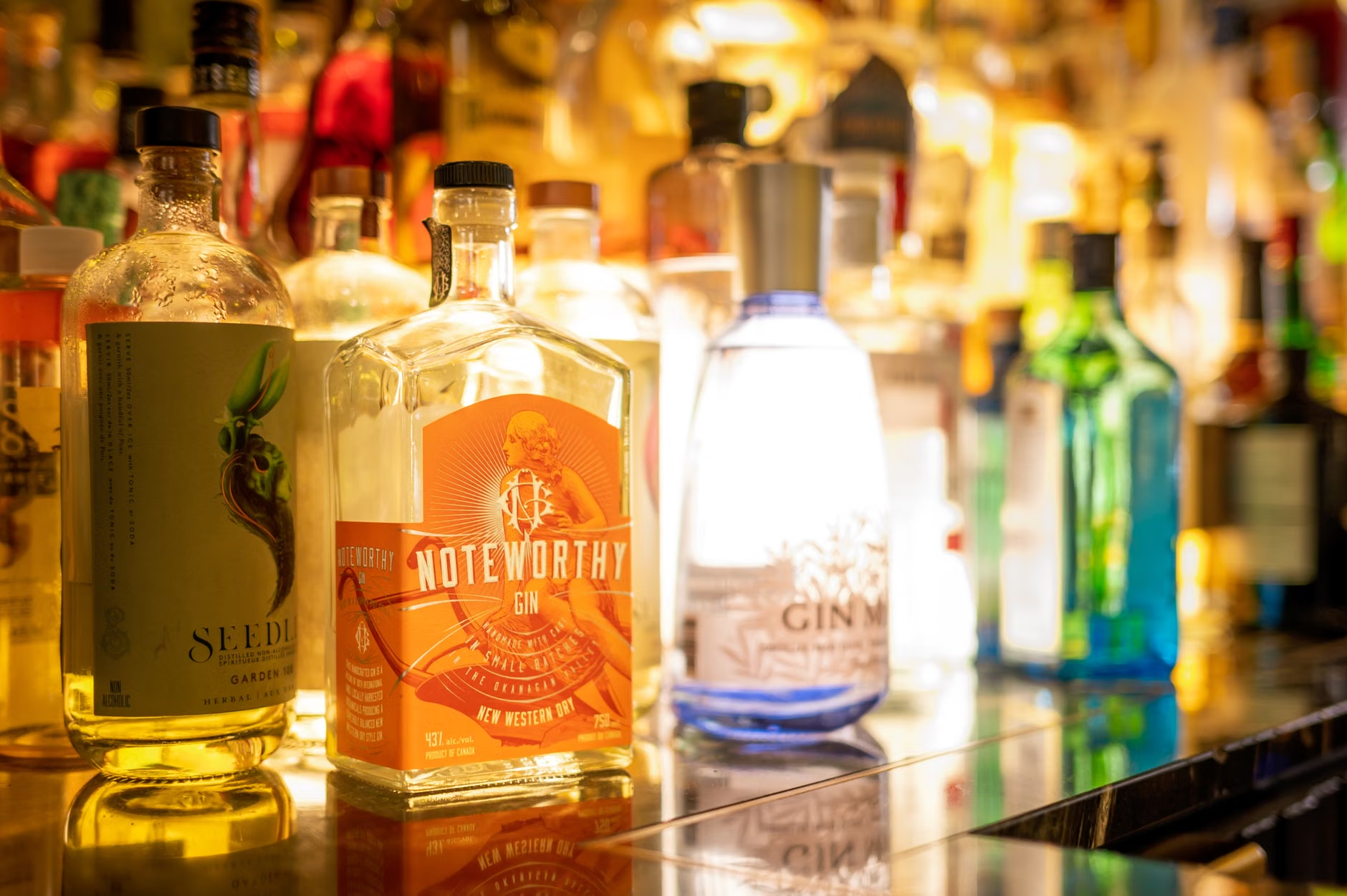
When stocking your home bar, move beyond the basic juices. Look for “spirit alternatives.” These are liquids distilled with botanicals that mimic the bite and complexity of gin, whiskey, or rum. They are designed to be mixed with premium tonics or sodas.
| Option | Best For | Key Characteristic |
|---|---|---|
| Botanical Distillates | Replacing Gin/Vodka in cocktails | Herbal, complex, “bite” |
| Fermented Shrubs | Replacing sweet mixers | Tangy, acidic, vinegar-base |
| Hop-Infused Waters | Replacing beer | Floral, bitter, refreshing |
A common mistake: Assuming that all non-alcoholic spirits are created equal. Some are just flavored sugar water. Look for brands that prioritize “mouthfeel”—the way the liquid hits your palate. This is usually achieved through tannins, spice extracts, or specific distillation processes. If you’re buying online, read the reviews specifically regarding the “aftertaste.” If it tastes like candy, it’s not an adult beverage; it’s a soda masquerading as a mocktail.
Networking in your 30s and 40s is different than in your 20s. It’s less about “who can stay out the latest” and more about “who can provide the most value.” Alcohol can be a crutch, but it can also be a liability. The “zero-proof” approach allows you to stay sharp, remember the details of your conversations, and follow up the next morning with genuine clarity.
When you are at a conference or a business dinner, your goal is to build long-term trust. When you are the person who is consistently present, alert, and engaged—even at the end of a long event—you differentiate yourself. You become the person who is reliable. This isn’t about moral superiority; it’s about professional consistency. If you choose not to drink, handle it with confidence. You don’t owe anyone a detailed explanation of your medical history or your personal philosophy. A simple “I’m keeping it light tonight” or “I’ve got an early start tomorrow” is perfectly sufficient.
The Hidden Costs of Traditional Drinking
It is easy to focus on the immediate costs of alcohol—the price of the drink, the cab ride home. But for the 30-to-40 demographic, the “hidden costs” are where the real damage happens. Let’s break down the hidden variables that the zero-proof shift helps you avoid:
- The Sleep Debt Cycle: Even one or two drinks can significantly reduce your REM sleep. If you are already sleep-deprived due to parenting, this is a compounding debt that leads to cognitive decline, irritability, and decreased immune function.
- The Decision Fatigue Threshold: Alcohol affects your prefrontal cortex, the part of your brain responsible for executive function. When you are already making hundreds of decisions a day—between work tasks and family logistics—adding alcohol to the mix lowers your threshold for making good, calm decisions.
- The “Recovery Time” Opportunity Cost: If a night of moderate drinking costs you two hours of productive, focused time the next morning, that’s 10 hours a week, or over 500 hours a year. That’s a significant amount of time that could be spent on a side project, a hobby, or simply recovering your own mental bandwidth.

Practical Steps to Adopting a Zero-Proof Lifestyle
You don’t have to quit drinking entirely to benefit from this shift. It’s about being intentional. Here is a step-by-step framework to integrate more zero-proof days into your life:
- Audit Your “Default” Drinking: Track your alcohol consumption for two weeks. Note the context. Are you drinking because you enjoy the taste, or because it’s a “default” action at the end of the day or during a social event? Identify the “default” moments and replace them with a zero-proof ritual.
- Curate Your Alternatives: Don’t wait until you’re thirsty to figure out what to drink. Stock your fridge with three distinct zero-proof options: one for the “beer” craving (like a hop-infused sparkling water), one for the “wine” craving (like a dry, complex shrub or tea-based beverage), and one for the “cocktail” craving (a spirit alternative with tonic).
- Communicate Your Boundary: Practice saying “I’m not drinking tonight” or “I’m sticking to the mocktails” in front of the mirror. The more comfortable you are saying it, the less likely you are to feel defensive when someone asks “Why?”
- Focus on the Social Connection: When you are at an event, consciously shift your attention to the people around you. Since your brain isn’t processing the ethanol, you might find you are more present. Use that extra mental capacity to ask better questions and listen more deeply.
A final note on trade-offs: The biggest challenge with high-end zero-proof drinks is the price. Because they are often produced in smaller batches and require complex extraction processes, they can be as expensive as alcoholic spirits. If this is a barrier, don’t feel you need to buy the $40 bottle of non-alcoholic gin. Simple, high-quality ingredients—like fresh lime juice, high-quality tonic, fresh ginger, and bitters—can create a sophisticated drink for a fraction of the cost.
The Long-Term View
The zero-proof movement is ultimately about agency. It’s about deciding what you put into your body and how you want to show up for your life. For those in their 30s and 40s, this is a powerful tool for maintaining your personal identity amidst the heavy demands of family and career. It allows you to participate fully in the social fabric of your community while protecting your most precious assets: your time, your health, and your energy.
If you choose to lean into this, you will likely find that the people who matter most don’t care what is in your glass. They care that you are there, that you are present, and that you are yourself. And frankly, that is the most important networking you can do.
Frequently Asked Questions
1. Is it rude to ask for a non-alcoholic option if I’m a guest at someone’s home?
Not at all. Most hosts are happy to accommodate you, especially if you give them a heads-up. A simple, “I’m really enjoying some alcohol-free options lately, I’d be happy to bring a bottle of something fun to share” is a gracious way to handle it. It takes the pressure off the host and ensures you have something you enjoy.
2. Are non-alcoholic spirits actually healthy, or is it just marketing?
It depends on the ingredients. Some are essentially flavored sugar waters, while others are distilled botanicals with very low caloric content. Always check the nutrition label. If you are looking for health benefits, prioritize options with low sugar and natural ingredients. If you are just looking for a social substitute, focus on the flavor profile that you find most satisfying.
3. How do I handle the “You’re so boring” comment from friends who still drink?
This usually says more about their own relationship with alcohol than it does about you. Keep it light and don’t take it personally. A quick, “I’m actually having a great time, I just don’t want the headache tomorrow” usually stops the conversation. If they continue, just change the subject. Your social life is yours to curate, and you don’t need permission to prioritize your well-being.
For more information on the impact of alcohol on health and sleep patterns, you can refer to resources from the National Institute on Alcohol Abuse and Alcoholism (NIAAA), which provides comprehensive research on the physiological effects of alcohol consumption.