The most important thing to know about “biometric wallets” is that they aren’t physical wallets at all; they are software-based digital payment systems—like Apple Pay, Google Wallet, or Samsung Pay—that use your unique physical traits, such as your fingerprint or facial geometry, to authorize transactions. While these systems are significantly more secure than carrying a traditional leather wallet packed with plastic cards, they require a shift in how you manage your family’s digital footprint while traveling.
- Biometrics aren’t stored on the bank’s server: Your biometric data (fingerprint or face scan) stays encrypted on your local device’s Secure Element chip, making it nearly impossible for hackers to steal your “identity” from a payment processor.
- The biggest risk is device loss, not tech failure: The primary vulnerability for travelers isn’t the biometric encryption itself, but the loss of the physical device or a compromised PIN/passcode that unlocks the biometrics.
- Always have a “dumb” backup: Even in the era of digital payments, biometric systems can fail due to battery death, extreme weather, or local network outages; carry at least one physical backup card for emergencies.
Why Biometrics Are Replacing the Traditional “Wallet” Experience
If you are in your 30s or 40s, you likely remember the anxiety of keeping a physical wallet safe while navigating a crowded train station or a bustling tourist market. You were constantly checking your pockets or bag, terrified of losing your credit cards, ID, and cash all at once. The shift toward biometric-authorized digital wallets changes this dynamic entirely.
When you use a service like Apple Pay or Google Wallet, you are essentially using a process called “tokenization.” Your actual credit card number is never sent to the merchant. Instead, the system generates a one-time code—a token—that is authorized by your biometric scan. Even if a dishonest merchant’s point-of-sale system is compromised, they don’t get your card number; they get a useless, one-time-use string of data.
This matters for families because it drastically reduces the “surface area” of your financial risk. If you lose your physical wallet, you have to cancel every single card and deal with the fallout of identity theft. If you lose your phone, you can remotely wipe it or lock it, and your physical cards remain safe in your hotel safe—or better yet, you didn’t even need to bring them at all.
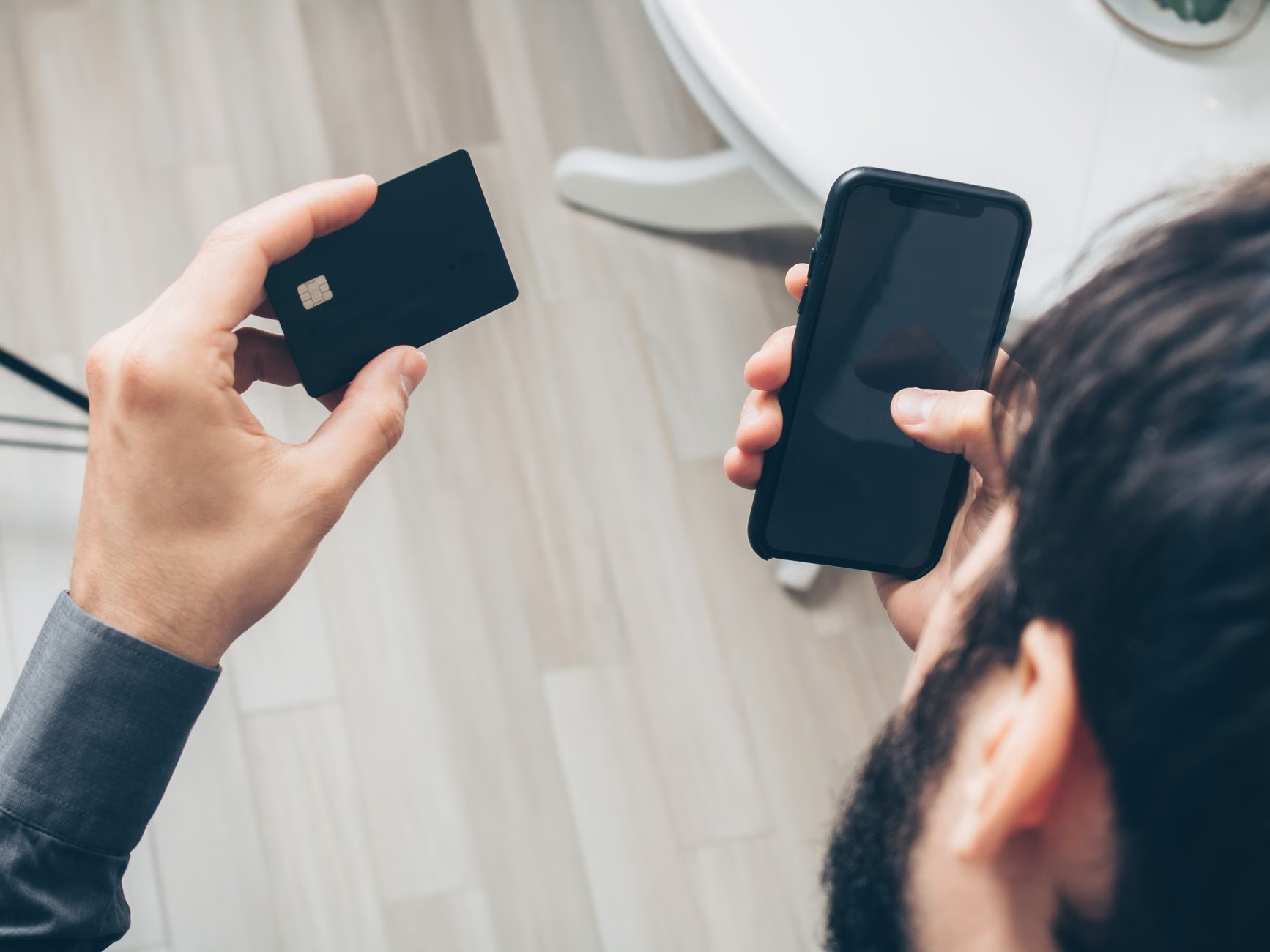
The Hidden Vulnerabilities: What Could Go Wrong?
While the marketing for digital wallets focuses on the “cool factor” and speed, we need to talk about the reality of using this tech while traveling. The most common mistake travelers make is assuming that “biometric security” means the phone is impenetrable. It isn’t. The security is only as strong as your device’s passcode.
If a thief manages to watch you enter your phone’s passcode—perhaps while you are distracted at a busy museum or airport gate—they effectively gain control over your biometric wallet. Once they have your passcode, they can often change the biometric settings or simply authorize payments using the code itself. This is a critical point: Never use an obvious passcode like your birth year or a simple pattern, especially when you are traveling in high-traffic areas.
Another overlooked variable is the dependency on battery life. We have all been there: you are in a foreign city, your phone is at 4%, you are trying to navigate back to the hotel using GPS, and you need to pay for a taxi. If your battery dies, your “wallet” dies with it. Unlike a leather wallet, which doesn’t need to be charged, a biometric wallet is a digital parasite on your device’s energy reserves. When traveling, carrying a high-capacity power bank is no longer just for convenience—it is a mandatory piece of your financial security infrastructure.
Comparing Traditional vs. Biometric Payment Security
To help you decide how much to rely on this technology during your next family trip, consider the differences in how these systems handle failure and theft. The following table outlines the trade-offs.
| Feature | Physical Credit Card | Biometric Digital Wallet |
|---|---|---|
| Theft Risk | High (Physical loss = card replacement) | Low (Requires device passcode/face) |
| Data Exposure | Card number is visible/scannable | Tokenized (Numbers remain hidden) |
| Access Requirement | Always on | Depends on battery and network |
| Recovery | Slow (Waiting for mail) | Instant (Remote lock/wipe) |
This table demonstrates that for most day-to-day transactions, the biometric wallet is the clear winner for security. However, the “Access Requirement” row is the dealbreaker. If you are traveling to a region where digital payments are not universally adopted, or where power is unreliable, the digital wallet cannot be your only source of funds.
Practical Implementation: How to Set Up Your Family for Success
If you are planning a trip, don’t just “wing it” with your phone. You need a strategy that assumes technology will eventually fail. Start by diversifying your payment methods across family members. If you are traveling with a partner, both of you should have the digital wallets set up, but you should also have one physical card for each of you, kept in separate locations.
One common mistake is keeping all your digital payment methods tied to one single bank account. If that bank flags your card for “suspicious activity” because you are suddenly making purchases in a different country, you could be locked out of your funds entirely. Always carry a card from a different financial institution as a backup. This is a simple, often ignored step that can save a vacation from becoming a logistical nightmare.
Furthermore, check your phone’s settings before you leave. Ensure that “Find My Device” (on iOS or Android) is enabled. If your phone is stolen, this allows you to track it, ring it, or completely erase your financial data remotely. This is the ultimate “kill switch” for your digital wallet. If you don’t know how to do this, take ten minutes today to practice the remote-wipe feature from a laptop or a secondary device.
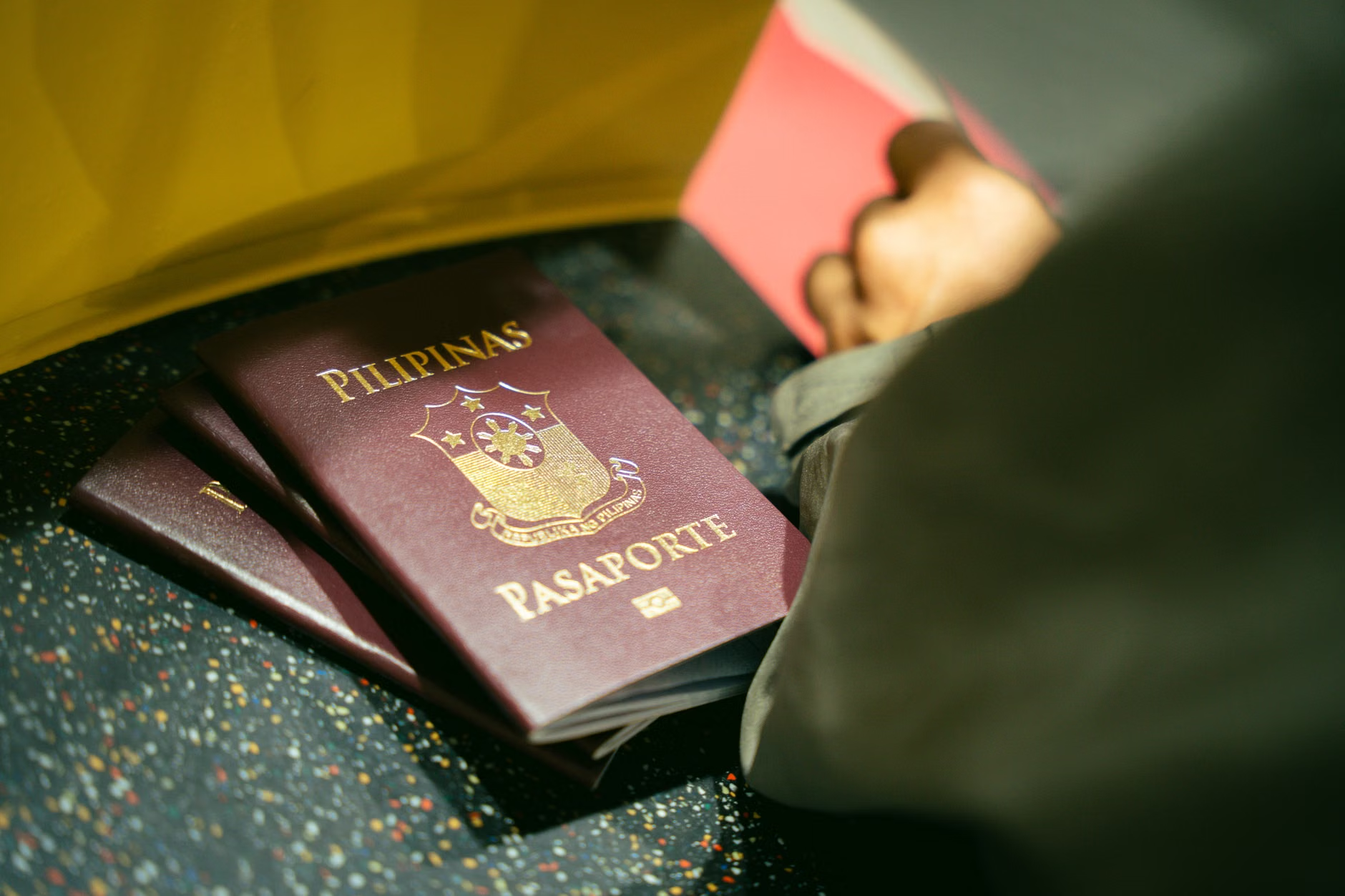
It is easy to assume that because you can pay with your phone at your local grocery store, you can pay with it anywhere in the world. This is a dangerous assumption for a traveler. In many parts of Europe, contactless payment is standard, but some smaller merchants in rural areas still operate on cash or local card systems that do not interface well with international digital wallets.
In countries like Japan or parts of Southeast Asia, you might find that while large hotels and chains accept digital wallets, local transport or small eateries require specific local apps (like Suica or local QR-code systems) that are not part of your standard Apple or Google wallet. Before you leave, spend 15 minutes researching the specific payment culture of your destination. Look for travel forums or recent blog posts from the last six months—older information on this topic is often obsolete.
Also, be aware of “currency conversion” traps. When you use a digital wallet, the app often defaults to the currency of your home country. If the payment terminal asks you if you want to pay in your home currency or the local currency, always choose the local currency. The exchange rate provided by your bank is almost always better than the rate offered by the merchant’s terminal (this is known as Dynamic Currency Conversion, and it is almost always a hidden fee).
The Psychological Shift: Managing Digital Anxiety
There is an undeniable mental load associated with moving your entire financial life onto a device. You might feel a sense of “technological vertigo” when you realize that your phone is now your passport to food, transport, and safety. This anxiety is normal, and the best way to combat it is to build redundancy into your travel plan.
Treat your digital wallet like a primary tool, but treat your physical documents and a backup card like an insurance policy. When you are packing, dedicate a small, waterproof, and RFID-blocking pouch for your “offline” essentials: one credit card, one debit card, a small amount of local cash, and a printed copy of your passport. Keep this in a separate bag from your phone. If you lose your phone, you haven’t lost your trip—you’ve just lost a convenience.
Finally, consider the “family sync” aspect. If you are traveling with children, ensure that you have set up “Family Sharing” or similar controls on your devices. This allows you to monitor spending and, more importantly, provides a layer of oversight that ensures no one is accidentally making unauthorized in-app purchases while you are preoccupied with navigating through a foreign city.
The Reality of Biometric Data Privacy
A frequent question I hear from readers is: “Is my face/fingerprint being stored in a database where it can be leaked?” The short answer is no, provided you are using reputable, major platforms. On modern smartphones, your biometric data is processed entirely on the hardware level within a secure enclave. The actual image of your face or the map of your fingerprint never leaves your phone, and it is never uploaded to the cloud.
When you set up FaceID or TouchID, your device creates a mathematical representation of your biometric data. When you authorize a payment, the device compares the live scan to that mathematical map. If they match, the device sends a “yes” signal to the secure payment chip. The bank never sees your face; they only receive a cryptographically signed confirmation that the authorized user has approved the transaction. Understanding this distinction is vital for peace of mind, especially when you are traveling to countries with different privacy laws.
Final Recommendations for Your Next Trip
The biometric wallet is a massive upgrade for travel security, provided you don’t treat it as a magic bullet. It is a tool that requires maintenance, awareness, and a backup plan. Before you head to the airport, ensure your phone’s software is updated, your “Find My” features are active, and you have at least one physical card stored in a separate, secure location.
Don’t fall into the trap of thinking that because your phone is “secure,” you can be careless with it. The physical device is still the most valuable item you are carrying. If you follow these guidelines, you will enjoy the convenience of a modern, digital-first travel experience without the fear of being stranded without funds. Keep your tech charged, keep your backups separate, and enjoy your journey.
Frequently Asked Questions
Q: What happens if my phone is stolen while I’m abroad? Can the thief access my bank account?
A: It is highly unlikely, provided you have a strong passcode. Because biometric wallets require a second factor (the physical face or fingerprint scan) and the secure enclave on your phone is encrypted, a thief cannot easily bypass the authorization. Your immediate step should be to use another device to log into your account via the “Find My” service to remotely lock or wipe your phone, which kills the digital wallet access instantly.
Q: Do I really need to carry a physical wallet if I have Apple Pay or Google Wallet?
A: Yes. While digital wallets are widely accepted in major cities, they are not universal. You will encounter situations—such as small family-run shops, certain public transport systems, or during localized network outages—where digital payments fail. A physical backup card and a small amount of local currency are essential for contingency planning.
Q: Will my biometric data be collected by the merchants I pay at?
A: No. Merchants never receive your biometric data, nor do they receive your actual credit card number. The payment process uses a “tokenization” system where the merchant receives a unique, one-time code that is only valid for that specific transaction. Your personal biometric markers never leave your device’s secure hardware.
Official Resources for Further Reading:
- Apple Support: Security and privacy of Apple Pay
- Google Pay Help: How security works in Google Wallet
- Federal Trade Commission: Mobile Payment App Security
Note: This article is for informational purposes and does not constitute financial or legal advice. Always check with your bank regarding international transaction fees and security protocols before traveling.