The most effective way to manage your child’s toy collection is to stop viewing “more” as “better” and instead shift toward a “post-growth” curation philosophy that prioritizes quality, rotation, and deep engagement over sheer volume.
- The “Less is More” Rule: Research suggests that children show higher levels of creativity and concentration when they have fewer toys to choose from at any given time.
- The Rotation System: By storing 70% of toys out of sight and rotating them every 2–4 weeks, you effectively “reset” the novelty of your collection without spending a cent.
- Post-Growth Mindset: This philosophy isn’t about deprivation; it’s about decoupling your child’s happiness from the act of acquisition, focusing instead on the depth of the play experience.
If you have ever found yourself stepping on a rogue plastic block at 6 AM or feeling overwhelmed by the sheer volume of plastic clutter taking over your living room, you aren’t alone. We live in an era of “toy inflation,” where the ease of online shopping and the marketing of “developmental” toys make it feel like we are failing our children if we don’t provide a constant stream of new entertainment. But what if the secret to a more peaceful home and a more creative child isn’t buying the next big thing, but actually removing 80% of what is currently on the floor?
Understanding the Post-Growth Philosophy in the Toy Context
In economics, “post-growth” refers to a transition away from the obsession with constant GDP expansion as the sole indicator of societal success. When we apply this to the family playroom, it means moving away from the “more toys equals more happiness” narrative. It is a deliberate choice to stop the cycle of accumulation and focus on the utility and longevity of the items we keep.
For parents in their 30s and 40s, this is a radical act of sanity. We often buy toys as a “quick fix” for boredom or as a tool for developmental milestones. However, the post-growth model suggests that when a child is surrounded by too many options—often called the “paradox of choice”—they struggle to engage deeply. Their attention is fragmented. They move from one toy to the next, never truly exploring the mechanics, the narrative, or the potential of any single item.
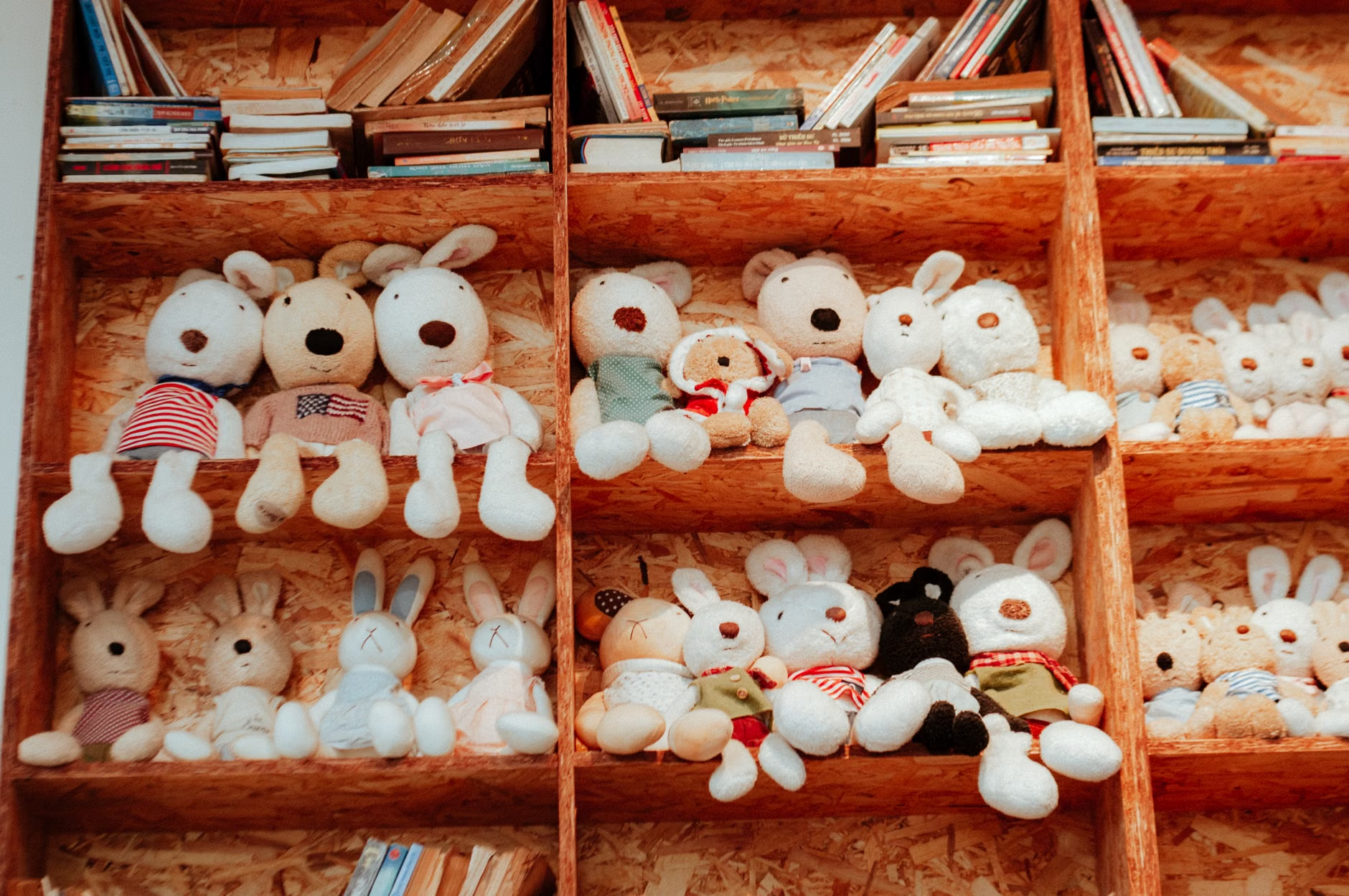
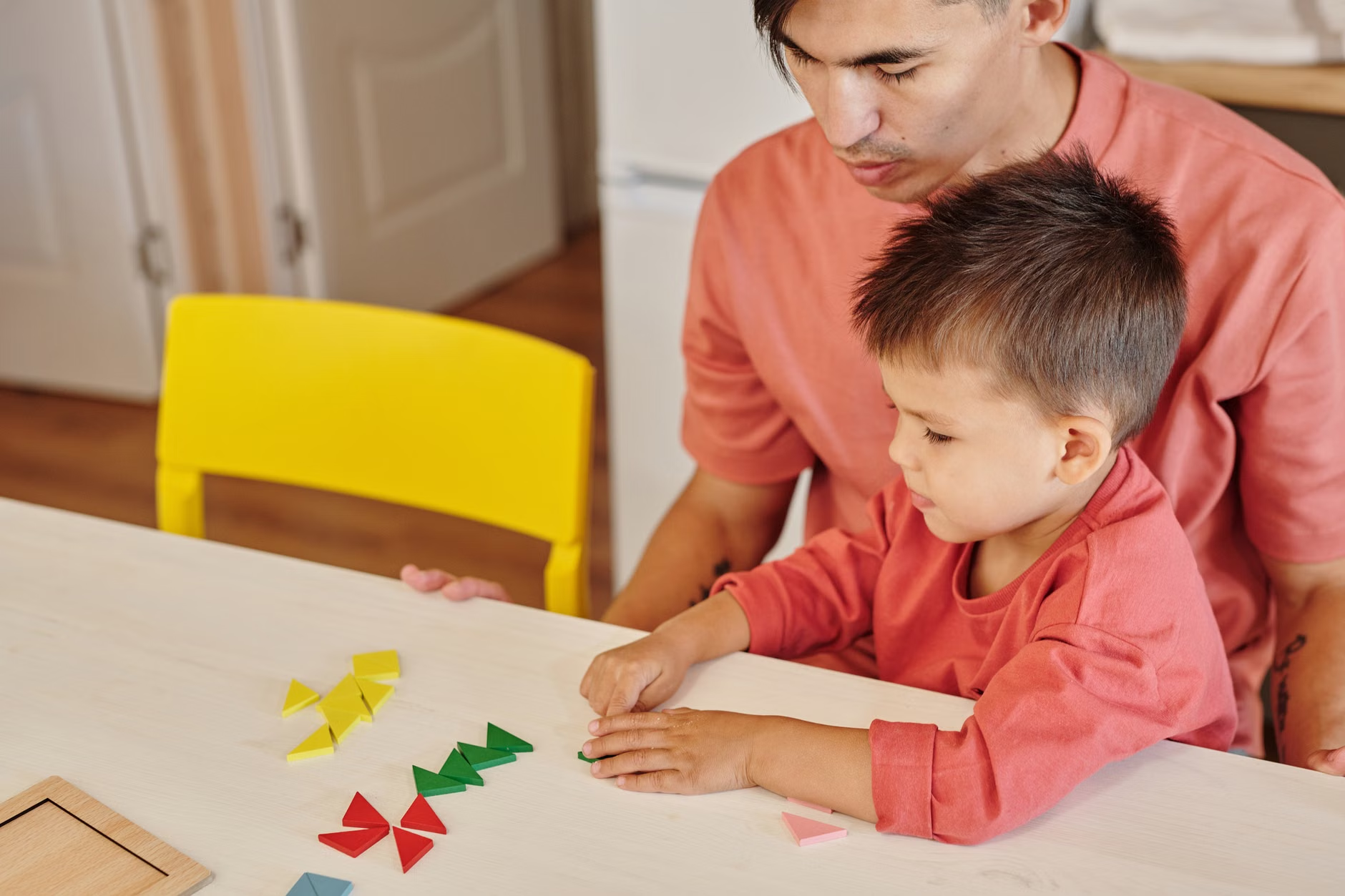
What does this look like in practice? It looks like a room where the floor is visible. It looks like a shelf with six items instead of sixty. It looks like a child who, instead of asking for a new gadget, spends an hour building an elaborate structure with a set of plain wooden blocks they’ve owned for three years. This isn’t just about minimalism; it’s about curation. You are the curator of your child’s environment, and you are choosing to curate for depth rather than breadth.
Why “Deep Play” Outperforms Constant Novelty
Psychologists have long studied the concept of “deep play” or “flow state”—that magical moment when a child becomes so absorbed in an activity that time seems to vanish. This is where real cognitive development happens. It’s where problem-solving, emotional regulation, and spatial reasoning are sharpened.
The problem with a toy box overflowing with 200 items is that it promotes “surface play.” The child interacts with a toy for thirty seconds, realizes it does one thing, gets bored, and moves on. The toy is doing the work, not the child. A post-growth curation strategy forces the child to become the active participant. When you limit the options, the child is forced to use their imagination to invent new ways to use the existing tools.
Consider the difference between a high-tech toy with flashing lights and a set of open-ended building materials:
| Attribute | High-Tech/Fixed-Function Toy | Open-Ended/Curated Toy |
|---|---|---|
| Cognitive Load | Low (Passive consumption) | High (Active creation) |
| Lifespan | Short (Interest fades quickly) | Long (Evolves with the child) |
| Home Impact | High clutter, battery waste | Low footprint, sustainable |
The table above highlights a critical decision rule: If a toy can only be used in one way, it will eventually become clutter. If a toy can be used in infinite ways (like blocks, art supplies, or simple figurines), it is an investment in the child’s future capacity for complex thought.
The Practical Mechanics of Toy Rotation
If you are ready to implement a post-growth strategy, you don’t need to throw everything away. In fact, that would be wasteful. The goal is to manage the inventory you already have. Here is a step-by-step framework to get started:
Step 1: The Total Audit
Gather every single toy in the house into one room. Yes, all of them. This is the “reality check” phase. Sort them into three piles: Keep, Donate/Sell, and Trash/Recycle. Be ruthless. If a toy is broken, missing pieces, or is a “battery-draining novelty” that hasn’t been touched in six months, it needs to go. This is the most difficult step, but it is essential for clearing the mental and physical space.
Step 2: The Storage “Archive”
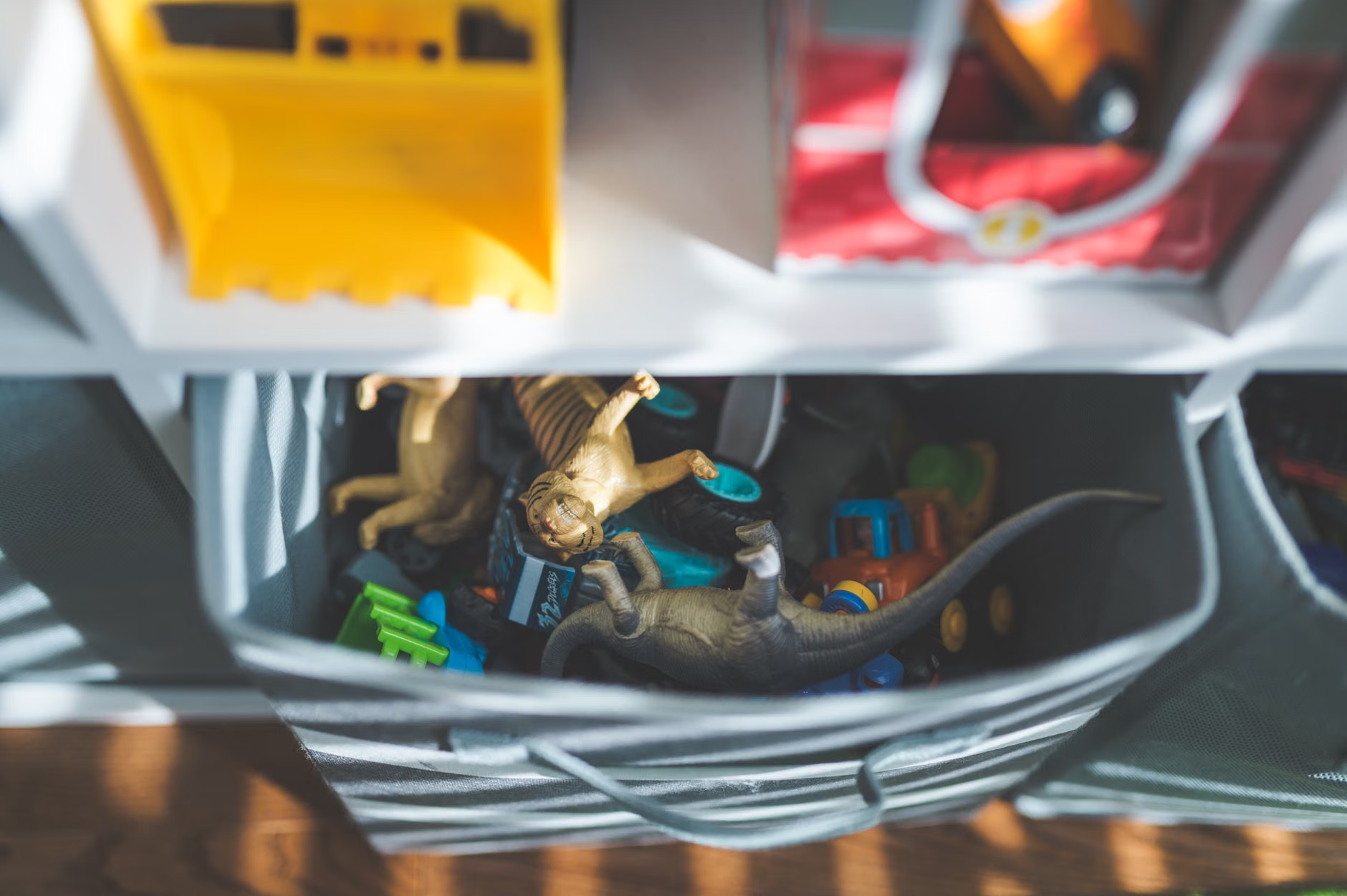
Take the “Keep” pile and divide it. Aim to keep only 20% to 30% of the toys accessible to your child at any given time. Place the remaining 70% in opaque storage bins. These should be stored in a closet, a garage, or an attic—anywhere that is not immediately visible to the child. This is your “archive.”
Step 3: The Rotation Cycle
Set a schedule. Depending on your child’s age, a two-to-four-week cycle is ideal. When you rotate the toys, you aren’t just swapping them; you are observing. If you notice a set of toys hasn’t been played with in two rotations, it’s time to move them to the “Donate” pile. This ensures that your collection is constantly being refined to match your child’s current interests and developmental stage.
Common Pitfalls and How to Avoid Them
One common mistake parents make when attempting this is “guilt-based keeping.” We feel bad donating toys given by well-meaning relatives or expensive items we purchased that the child never liked. It is important to remember that your home is not a museum for gifts. Your primary duty is to provide a functional, supportive environment for your child’s growth. If a toy is not serving that purpose, it is taking up valuable space that could be used for something else.
Another pitfall is the “boredom panic.” When you first remove the abundance of toys, your child might complain that they are “bored.” This is actually a positive signal. Boredom is the precursor to creativity. When you resist the urge to immediately introduce a new toy, you give your child the space to invent a game, draw a picture, or simply rest. This is a critical life skill—the ability to sit with one’s own thoughts without needing external stimulation.
Also, watch out for the “hidden costs” of toy management. A massive collection requires massive amounts of time to organize, clean, and store. A post-growth collection reduces your “administrative burden” as a parent. By reclaiming the time you previously spent picking up plastic pieces, you are essentially buying back your own sanity.
Reframing the “New Toy” Impulse
We are culturally conditioned to believe that a new toy is a reward or a way to bond. However, in a post-growth household, the focus shifts to experience-based rewards. Instead of buying a new plastic set, consider if there is a way to use existing materials differently. Can you combine blocks with household items? Can you bring in nature-based items like pinecones or stones? These items are free, sustainable, and arguably more interesting to a child’s developing brain than a mass-produced plastic item.
When you do need to acquire something new, apply the “Rule of Three”:
- Does this toy serve a purpose that no other toy in our house currently serves?
- Is it durable enough to last for at least three years of active play?
- Does it encourage the child to be an active participant, rather than a passive observer?
If the answer to all three is “yes,” then it is a worthy addition. If not, save your money and your shelf space.
Addressing the “What If” Scenarios
You might be wondering, “What if my child really loves their collection of 50 cars?” The post-growth philosophy isn’t about arbitrary limits; it’s about intentionality. If your child is truly engaging with those cars—building tracks, creating stories, and using them for hours—then they aren’t “clutter.” They are tools for deep play. The issue arises when those 50 cars are just sitting in a pile, never played with, just taking up space. It’s about the quality of the engagement, not just the number of items.
Another question often asked is, “Won’t my child feel deprived?” The irony is that children in high-abundance environments often feel more “deprived” of focus and calm than children in intentionally curated environments. A child who learns to value what they have, care for their belongings, and see the potential in simple items is far more “wealthy” in a developmental sense than a child who is constantly chasing the next dopamine hit from a new package.
Integrating Sustainability and Long-Term Value
When we talk about post-growth, we are also talking about the environmental impact of our consumption. The toy industry is notoriously plastic-heavy and difficult to recycle. By choosing to curate and maintain a smaller, higher-quality collection, you are directly reducing your carbon footprint. You are also teaching your child a valuable lesson about the circular economy: items should be cared for, passed on, and reused, not discarded as soon as the novelty wears off.
This is a lesson that will serve them well into their 30s and 40s, when they are faced with their own decisions about consumerism, home ownership, and lifestyle choices. You are modeling a way of living that prioritizes values over volume.
Beyond the Playroom: The Broader Impact
The post-growth mindset eventually leaks out of the playroom and into other areas of your life. You start to look at your kitchen, your wardrobe, and your digital life through the same lens. Do you need five different appliances that do the same thing? Do you need a closet full of clothes you never wear? The habit of curation—of regularly assessing what is necessary and what is simply occupying space—is one of the most powerful tools for maintaining a balanced life in an age of constant consumption.
For parents, this is about reclaiming your role as the architect of your family’s environment. You are not a service provider whose job is to keep your children constantly entertained with new products. You are a guide who provides the framework for them to discover, create, and grow. By removing the excess, you aren’t taking something away from them; you are giving them the gift of clarity.
Actionable Steps for the Next 7 Days
If you want to start this journey today, don’t try to do it all at once. It can be overwhelming. Here is a seven-day plan to transition your home:
- Day 1: Identify one “problem area” in the house where toy clutter is the worst.
- Day 2: Spend 30 minutes gathering all toys from that area.
- Day 3: Perform the “Keep/Donate/Trash” sort. Be honest about what is actually used.
- Day 4: Select 20% of the “Keep” pile to return to the shelves.
- Day 5: Box up the remaining 80% and put them in your “archive” storage.
- Day 6: Observe your child. Notice how their play changes when the environment is calmer.
- Day 7: Reflect on your own stress levels. Has the reduction in visual noise helped you feel more at ease?
This is a low-stakes experiment. If you find you’ve put away something they really need, you can always go to the archive and bring it back. But in most cases, you’ll find that they don’t even notice it’s gone, or if they do, they find new and creative ways to play without it.
Final Thoughts on Intentional Living
The post-growth toy philosophy is ultimately about freedom. Freedom from the clutter that keeps you cleaning instead of resting. Freedom from the consumer cycle that keeps you buying instead of being. And most importantly, the freedom for your child to develop the deep, focused, creative play that will serve them for a lifetime.
We often feel that we need to provide everything for our children, but the greatest gift we can give them is the ability to find magic in the mundane and focus in the chaos. By curating their environment, you are teaching them that they don’t need a constant stream of new things to be happy. They just need space, time, and a few good tools to start their own adventure.
Start small, be consistent, and don’t be afraid to let go. Your home—and your child—will thank you for it.
Frequently Asked Questions
1. How do I handle it if my child asks for a toy they haven’t seen in months because it’s in the ‘archive’?
This is a great opportunity to teach them about inventory. You can say, “That toy is currently resting in the archive. We can swap it out for something you’re finished playing with on Sunday.” This teaches them that toys are resources that need to be managed, not disposable items that appear whenever they are bored.
2. Does this philosophy mean I can’t buy my child gifts for birthdays or holidays?
Not at all. The post-growth philosophy is about conscious acquisition. If you buy a gift, consider the “Rule of Three” mentioned earlier. Also, consider “consumable” gifts like art supplies, experiences like museum memberships, or high-quality items that they truly need. It’s not about never buying anything; it’s about ensuring that what you bring into your home has a long-term purpose.
3. What if my partner or other family members keep buying toys, sabotaging my efforts?
This is a common challenge. The best approach is to have a calm, transparent conversation about the “why” behind your curation. Explain that you aren’t trying to be “mean” or “stingy,” but that you are trying to create a more peaceful, creative environment for the child. Suggest “experience gifts” as an alternative for birthdays and holidays—like a trip to the zoo or an afternoon at the park—which provide lasting memories without adding to the physical clutter in your home.
For further reading on the intersection of child development and play environments, you can explore resources from the National Association for the Education of Young Children (NAEYC) regarding the importance of quality over quantity in early learning environments.