- Prioritize Durability Over Price: High-quality gear with modular parts (like replaceable zippers or wheels) lasts 3-4 times longer than cheap alternatives, significantly lowering your long-term cost per use.
- The “Swap-First” Rule: Before buying new items for the upcoming term, establish a local community swap or utilize specialized resale platforms to extend the lifecycle of existing supplies.
- Maintenance is the Hidden Saver: Simple habits—such as washing backpacks correctly, sharpening pencils to preserve wood, and using protective covers—can extend the functional life of school gear by at least two academic years.
The most effective way to save money on school gear is to stop treating it as a disposable annual expense. By shifting your mindset from “buying new each September” to a “circular economy” model, you can cut your annual back-to-school budget by up to 40% while simultaneously reducing your household’s environmental footprint. In a circular economy, we focus on keeping items in use for as long as possible through maintenance, repair, and resale, rather than the traditional “take-make-waste” approach.
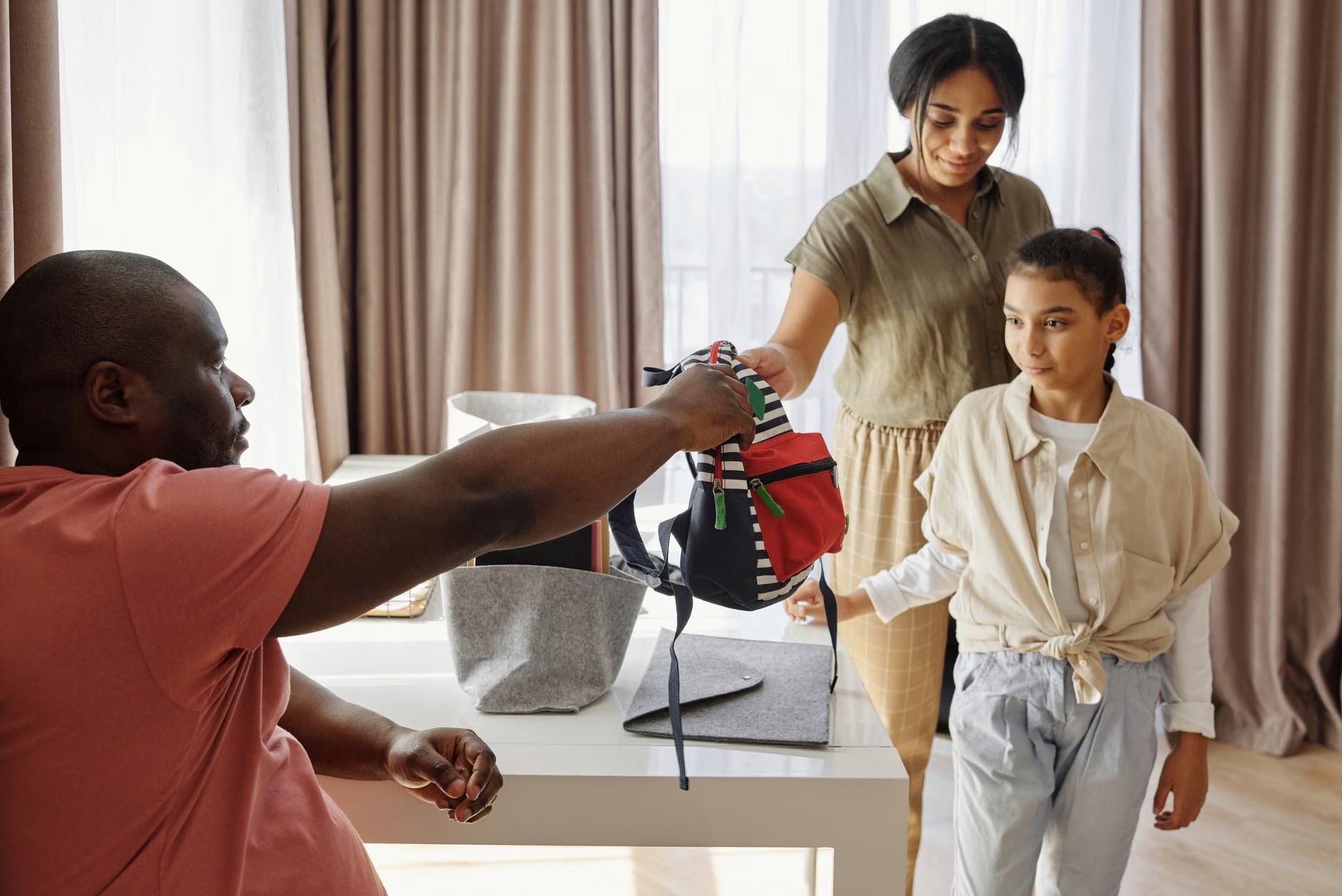
Why the ‘Circular Economy’ is the Secret to Smarter Parenting
In our 30s and 40s, we are often caught in the trap of convenience. We see the back-to-school sales, we see the trends, and we buy. But the “circular economy” isn’t just about saving the planet; it is a practical financial strategy for busy parents. When you view school gear as an asset that retains value rather than a consumable, your entire purchasing behavior changes. You stop buying the $15 backpack that breaks in three months and start looking for the $60 backpack that comes with a lifetime warranty or repair service.
The circular economy relies on three pillars: Design for Longevity, Maintenance, and Secondary Markets. For a parent, this means choosing items that don’t just survive one school year, but can be passed down or sold. It means learning how to fix a broken zipper or re-bind a notebook. It means engaging with your local school community to circulate gear that other children have outgrown but remains in excellent condition.
Consider the financial impact: If you spend $200 on school supplies annually, and you can transition to a system where 50% of those items are reused or repaired, you are effectively giving yourself a $100 annual raise. Multiply that over twelve years of schooling, and you’re looking at thousands of dollars in savings that can be redirected toward your child’s education fund or family experiences.
Choosing Gear That Actually Lasts
Not all school supplies are created equal. The biggest mistake parents make is focusing on aesthetic trends—like the latest cartoon character or colorway—rather than construction quality. When you shop for school gear, you need to apply a “durability checklist.”
The Durability Checklist for School Supplies
| Category | What to Look For | The “Circular” Indicator |
|---|---|---|
| Backpacks | YKK zippers, 600D+ polyester | Lifetime warranty/Repair service |
| Stationery | Refillable pens, metal casings | Available ink/lead refills |
| Lunch Gear | Stainless steel, BPA-free silicone | Modular parts (lids/seals) |
When you see a backpack with a lifetime warranty, it isn’t just a marketing ploy. It is a commitment from the manufacturer that they expect the item to last. If they expect it to last, they build it with better materials. This is the first step in the circular journey: buying for the long term.
Establishing a ‘Swap-First’ Culture in Your Community
You don’t have to do this alone. The beauty of the circular economy is that it thrives on community. Most schools have parents who are dealing with the exact same issues. By organizing or participating in a “School Gear Swap,” you can source high-quality items for free or at a fraction of retail price.
How to start a swap:
- Set the Standard: Only accept items in “gently used” condition. No broken zippers, no stained fabric.
- Create a Digital Inventory: A simple Google Sheet where parents can list items they are donating or selling creates transparency.
- Host a “Pre-Term” Event: Two weeks before school starts is the sweet spot. Everyone is looking for gear, and the inventory is fresh.
This isn’t just about charity; it’s about efficiency. When you find a pre-loved, high-quality lunchbox, you aren’t just saving money—you are keeping a functional item out of a landfill. This is the essence of sustainable parenting. It is practical, it is communal, and it is highly effective.
Maintenance: The Forgotten Art of Saving Money
We often forget that maintenance is a form of production. By maintaining the gear you already have, you are “producing” a new item for yourself without spending a cent. Most school gear fails because of neglect, not use.
The Quarterly Maintenance Schedule:
- October (Post-Start): Check all zippers on bags. If they feel stiff, use a bit of paraffin wax or a graphite pencil to lubricate the teeth. It prevents the zipper from snagging and breaking later.
- January (Mid-Year): Deep clean lunch containers and water bottles. Replace any silicone seals that have become brittle or moldy. Most manufacturers sell replacement parts, which is significantly cheaper than buying a new bottle.
- April (Spring Clean): Inventory your stationery. Sharpen pencils, organize pens, and see what needs to be donated or passed on to a younger student.
If you treat your child’s school bag like a piece of luggage you intend to use for a decade, you will be surprised at how long it actually lasts. The common mistake is waiting for something to break before caring for it. Proactive maintenance is the key to longevity.
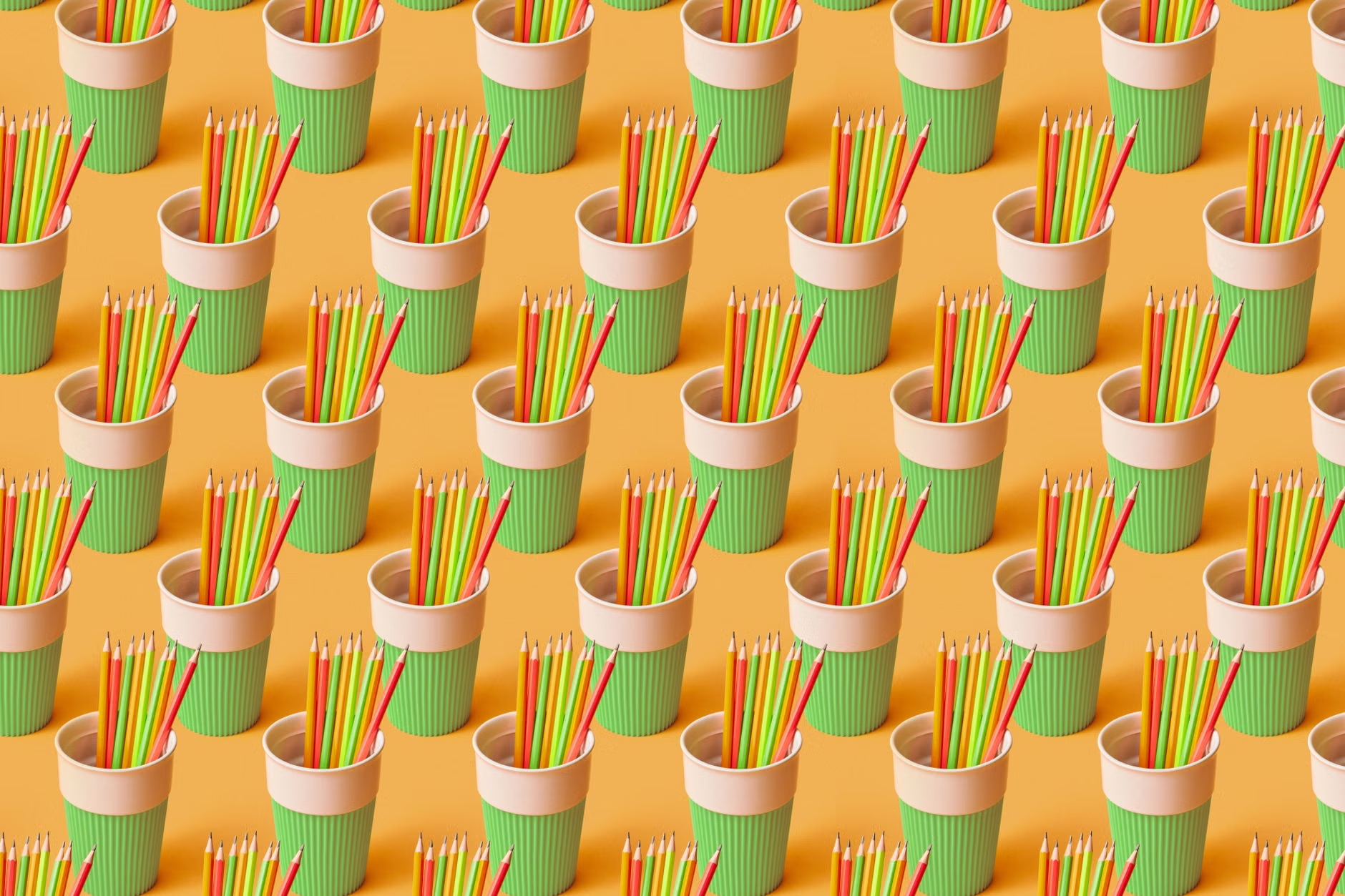
Addressing the ‘Hidden Costs’ of Cheap Gear
We need to talk about the “cheap gear tax.” When you buy a $10 backpack, you are essentially paying for a product that is designed to fail. You will likely end up buying another one by the end of the year. Over five years, you have spent $50 and created significant waste. If you had spent $50 on a high-quality, repairable bag, you would still be using that same bag five years later, and it would likely still be in great condition.
Furthermore, consider the “time cost.” Researching new gear, driving to the store, and dealing with the inevitable mid-year failure takes hours of your time. Your time is a finite resource. By investing in quality once, you buy back that time for your own life.
Practical Steps to Transition Today
If you want to start this process today, do not try to overhaul everything at once. Start with one category. Perhaps this term, you commit to buying no new school bags and instead source them second-hand or repair the ones you currently have. Once you see the success of that, move to stationery or lunch gear.
Decision Rule: If an item is broken, ask yourself: “Can I fix this in under 30 minutes for under $10?” If the answer is yes, fix it. If the answer is no, look for a replacement in the second-hand market before considering a retail purchase. This simple heuristic will change your spending habits entirely.
Common Misconceptions About Used Gear
There is a lingering stigma that “used” means “dirty” or “low status.” Let’s debunk this. In the era of high-quality resale platforms, many items are sold after only a few months of use. Often, these items are in “like-new” condition. Furthermore, teaching your children about the value of second-hand items is a powerful lesson in sustainability and resourcefulness. It teaches them that value is not inherent in the “newness” of an object, but in its utility and care.
If you are worried about hygiene, remember that almost all soft goods (backpacks, pencil cases) can be machine-washed on a gentle cycle, and hard goods (plastic/metal containers) can be sanitized in a dishwasher. The “ick factor” is easily mitigated with a bit of soap and water.
Looking Ahead: The Future of School Gear
As we move forward, we expect to see more brands adopting “product-as-a-service” models, where you might lease high-quality gear for a school year and return it for refurbishment. Until that becomes the norm, we must be the architects of our own circular systems. By choosing durability, maintaining our items, and participating in the secondary market, we are not just saving money—we are modeling a more sustainable way of living for our children.
Your goal is not to be a perfect environmentalist, but to be a thoughtful consumer. Every item you keep in circulation is a victory for your wallet and a small step toward a less wasteful future. Start with one item, one repair, or one swap. The cumulative effect of these small actions is what creates meaningful change.
Frequently Asked Questions
1. How do I convince my child to accept ‘second-hand’ gear?
Focus on the story and the quality. Many second-hand items are “vintage” or have unique designs that aren’t available in stores anymore. Frame it as “finding a treasure” rather than “using someone else’s leftovers.” If the item is high-quality, emphasize its durability and performance features, which are often better than cheap, mass-produced new items.
2. What if a repair is beyond my skill level?
Don’t be afraid to look for local repair cafes or cobblers. For items like backpacks, a shoe repair shop (cobbler) can often fix heavy-duty stitching or replace zippers for a very reasonable price. It’s often cheaper than buying a new bag and supports local skilled labor.
3. Where can I find reliable secondary markets for school supplies?
Outside of community-led swaps, platforms like Facebook Marketplace, Vinted, or Poshmark are excellent for finding high-quality bags and lunch gear. Look for “bundles” from other parents who are clearing out their kids’ old items; these often provide the best value and the highest quality, as parents are usually selling items they bought for their own children.
Official Resources for Further Research:
For more on the principles of the circular economy, visit the Ellen MacArthur Foundation. For guidance on textile care and longevity, check your local government’s environmental protection agency guidelines on waste reduction, such as the EPA’s Recycling Basics.